

Arugula, raw
Whole food · Vegetables and Vegetable Products

Photo: Wikipedia
Arugula, also known as rocket or roquette, is a leafy green with a distinctive, peppery bite and a slightly nutty finish. Its tender, lobed leaves offer a crisp yet delicate texture that wilts beautifully when exposed to heat. Nutritionally, it's a low-calorie powerhouse, delivering a solid dose of protein and fiber for its size.
Calorie split: 33% protein · 47% carbs · 19% fat
↓ Full nutrition💚 Why it's loved
People love arugula for its bold, peppery flavor that instantly elevates a dish, cutting through rich ingredients like cheese or pasta. Its versatility shines in everything from raw salads to wilted toppings for pizza and grilled meats.
⚠️ Watch-outs & how to enjoy it better
Its strong, bitter notes can be overpowering for some palates, and it may be too intense for those with sensitive stomachs. To temper the bite, pair it with a creamy dressing, a sprinkle of cheese, or a squeeze of lemon; cooking it briefly also mellows the flavor significantly.
Key benefits
- Very low calorie, supporting weight management goals.
- Good source of plant-based protein for a leafy green.
- High in dietary fiber, aiding digestive health.
- Contains glucosinolates, compounds studied for their potential health benefits.
- Rich in vitamins K and A, essential for bone and eye health.
🍽️ Popular dishes

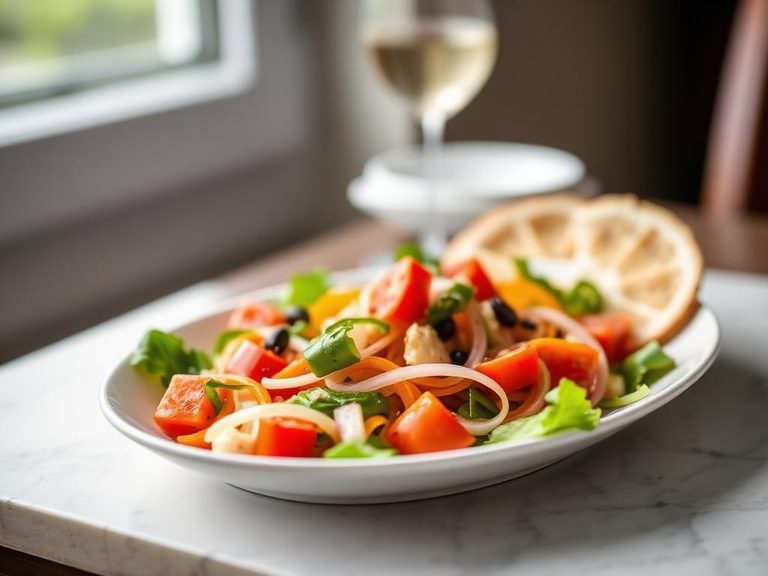
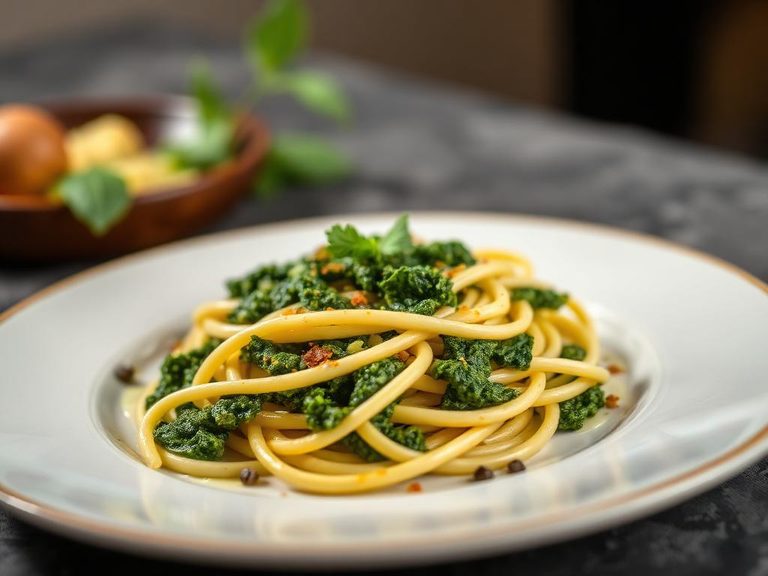
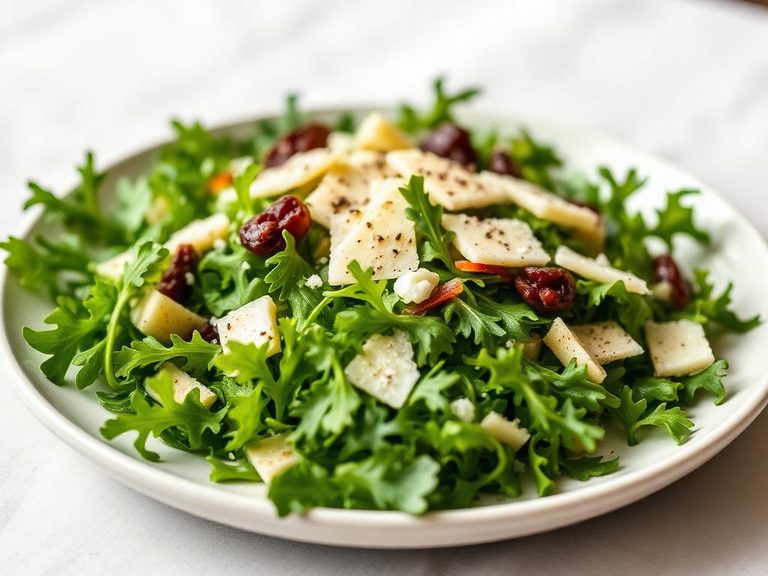
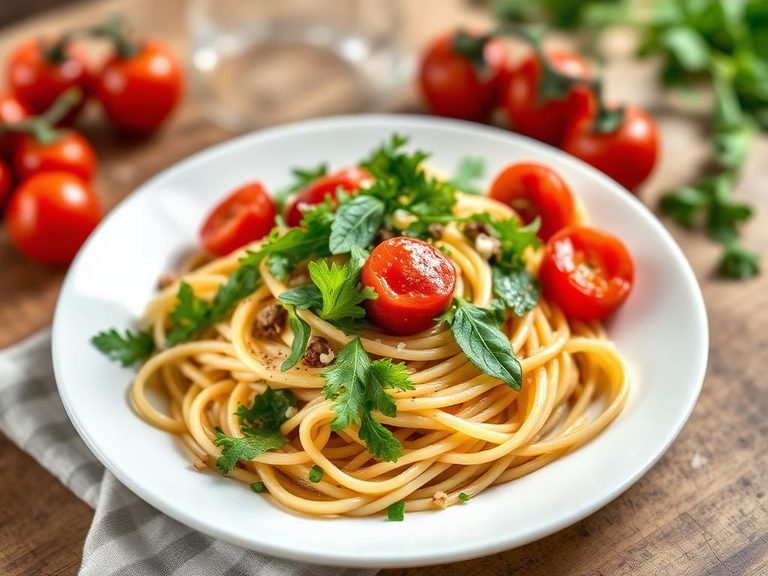
🌍 Where it's eaten
💡 Did you know?
The name 'rocket' comes from the French 'roquette,' which itself is derived from the Italian 'rucola,' the plant's common name in its native Mediterranean region.
Full nutrition (USDA data · scales with serving)
| Water | 91.7 g |
| Energy | 25.0 kcal |
| Energy | 105 kj |
| Protein | 2.6 g |
| Total lipid (fat) | 0.66 g |
| Ash | 1.4 g |
| Carbohydrate, by difference | 3.6 g |
| Fiber, total dietary | 1.6 g |
| Total Sugars | 2.0 g |
| Calcium, Ca | 160 mg |
| Iron, Fe | 1.5 mg |
| Magnesium, Mg | 47.0 mg |
| Phosphorus, P | 52.0 mg |
| Potassium, K | 369 mg |
| Sodium, Na | 27.0 mg |
| Zinc, Zn | 0.47 mg |
| Copper, Cu | 0.08 mg |
| Manganese, Mn | 0.32 mg |
| Selenium, Se | 0.30 ug |
| Vitamin C, total ascorbic acid | 15.0 mg |
| Thiamin | 0.04 mg |
| Riboflavin | 0.09 mg |
| Niacin | 0.30 mg |
| Pantothenic acid | 0.44 mg |
| Vitamin B-6 | 0.07 mg |
| Folate, total | 97.0 ug |
| Folic acid | 0.00 ug |
| Folate, food | 97.0 ug |
| Folate, DFE | 97.0 ug |
| Choline, total | 15.3 mg |
| Betaine | 0.10 mg |
| Vitamin B-12 | 0.00 ug |
| Vitamin B-12, added | 0.00 ug |
| Vitamin A, RAE | 119 ug |
| Retinol | 0.00 ug |
| Carotene, beta | 1424 ug |
| Carotene, alpha | 0.00 ug |
| Cryptoxanthin, beta | 0.00 ug |
| Vitamin A, IU | 2373 iu |
| Lycopene | 0.00 ug |
| Lutein + zeaxanthin | 3555 ug |
| Vitamin E (alpha-tocopherol) | 0.43 mg |
| Vitamin E, added | 0.00 mg |
| Vitamin D (D2 + D3), International Units | 0.00 iu |
| Vitamin D (D2 + D3) | 0.00 ug |
| Vitamin K (phylloquinone) | 109 ug |
| Alcohol, ethyl | 0.00 g |
| Caffeine | 0.00 mg |
| Theobromine | 0.00 mg |
Fat & fatty acid profile (per 100g)
| Fatty acids, total saturated | 0.09 g |
| SFA 4:0 | 0.00 g |
| SFA 6:0 | 0.00 g |
| SFA 8:0 | 0.00 g |
| SFA 10:0 | 0.00 g |
| SFA 12:0 | 0.00 g |
| SFA 14:0 | 0.00 g |
| SFA 16:0 | 0.07 g |
| SFA 18:0 | 0.00 g |
| Fatty acids, total monounsaturated | 0.05 g |
| MUFA 16:1 | 0.00 g |
| MUFA 18:1 | 0.05 g |
| MUFA 20:1 | 0.00 g |
| MUFA 22:1 | 0.00 g |
| Fatty acids, total polyunsaturated | 0.32 g |
| PUFA 18:2 | 0.13 g |
| PUFA 18:3 | 0.17 g |
| PUFA 18:4 | 0.00 g |
| PUFA 20:4 | 0.00 g |
| PUFA 20:5 n-3 (EPA) | 0.00 g |
| PUFA 22:5 n-3 (DPA) | 0.00 g |
| PUFA 22:6 n-3 (DHA) | 0.00 g |
| Fatty acids, total trans | 0.00 g |
| Cholesterol | 0.00 mg |
FAQ
Is arugula the same as rocket?
Yes, they are the same plant. 'Arugula' is the common name in North America, while 'rocket' is widely used in the UK, Australia, and other regions.
Can I cook arugula?
Absolutely. While often eaten raw, arugula wilts quickly when sautéed or added to hot dishes like pasta, soups, or atop pizza, which mellows its peppery flavor.
Why does my arugula taste so bitter?
The peppery, slightly bitter taste comes from natural compounds called glucosinolates. The flavor intensifies as the leaves mature and are exposed to stress like heat or drought.
Nutrient density (calculated · NRF9.3)
Nutrient Rich Foods index: beneficial nutrients (protein, fiber, vitamins, minerals) minus saturated fat, added sugar & sodium, per 100 kcal.
NRF9.3 index — Fulgoni, Keast & Drewnowski, 2009. Computed from USDA nutrients.
Weight-loss friendliness (composite index)
Energy density 0.25 kcal/g · 41% calories from protein · 1.6 g fiber · 2.0 g sugar per 100 g.
Composite of energy density (Rolls et al., 1999), protein & fiber satiety, minus sugar. A calculated heuristic — ranks satiety-per-calorie, not a clinical measure.
Dietary load (calculated from USDA values)
Potential renal acid load. Positive = acid-forming, negative = alkaline-forming.
Sodium-to-potassium ratio: 0.07 (lower is better — aim for ≤ 1)
Sodium:potassium per WHO potassium guidance. Computed from USDA nutrients.