Cauliflower, cooked, boiled, drained, with salt
Whole food · Vegetables and Vegetable Products

Photo: Wikipedia
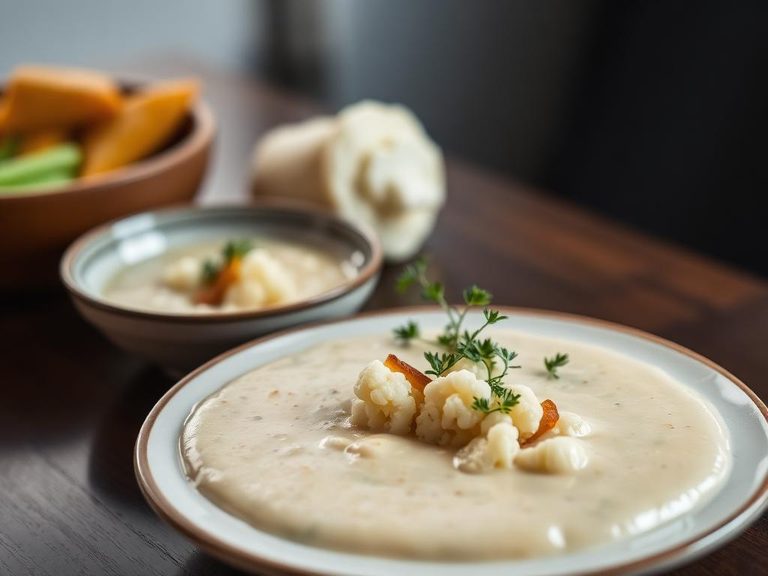
Boiled cauliflower is a tender, mild cruciferous vegetable with a soft, slightly crumbly texture and a subtle, nutty sweetness. Its pale florets absorb surrounding flavors beautifully, making it a versatile base for countless dishes. Nutritionally, it's a low-calorie powerhouse, providing a good source of fiber and vitamin C with minimal impact on your energy intake.
💚 Why it's loved
People love boiled cauliflower for its incredible versatility and neutral flavor, which acts as a blank canvas for bold seasonings, sauces, and spices. It's a comforting, easy-to-digest staple in many cuisines, often used as a healthy substitute for starchier ingredients.
⚠️ Watch-outs & how to enjoy it better
Some find plain boiled cauliflower bland or overly soft in texture. Boiling can cause water-soluble vitamins (like some vitamin C) to leach into the cooking water. To maximize nutrition, use the cooking water for soups or sauces, or try steaming instead. Those monitoring sodium intake should be mindful if salt is added generously to the boiling water.
Key benefits
- Excellent low-calorie base for volume eating
- Good source of dietary fiber for digestive health
- Provides vitamin C, an important antioxidant
- Naturally low in fat and sugar
- Contains glucosinolates, compounds studied for health benefits
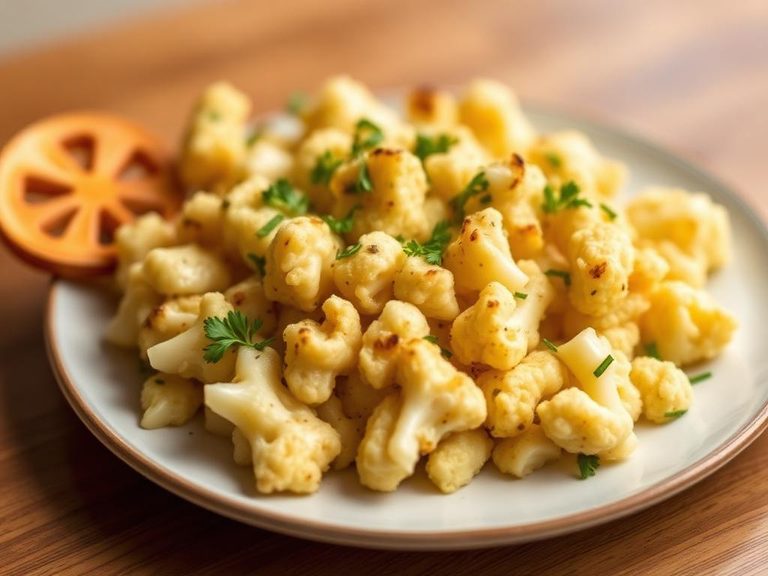
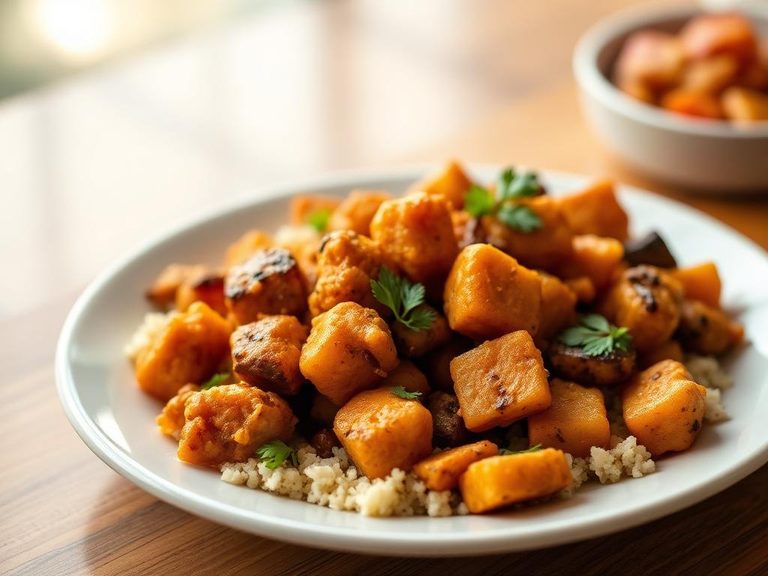
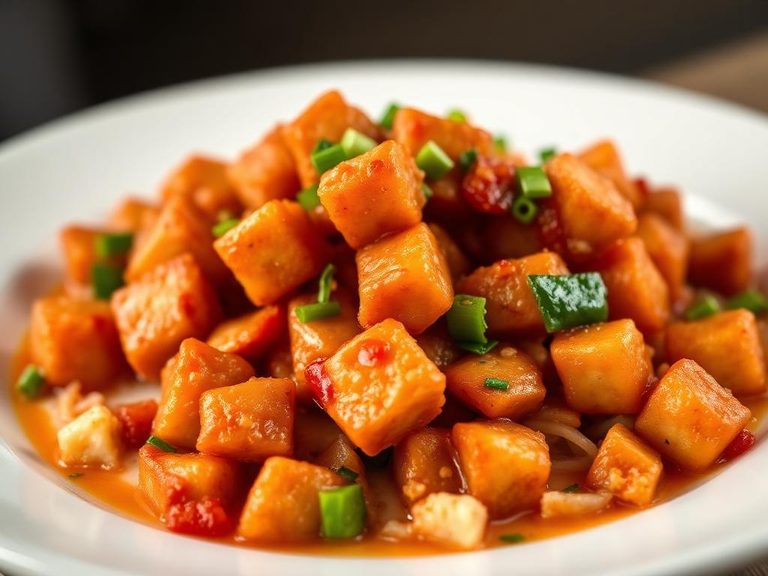
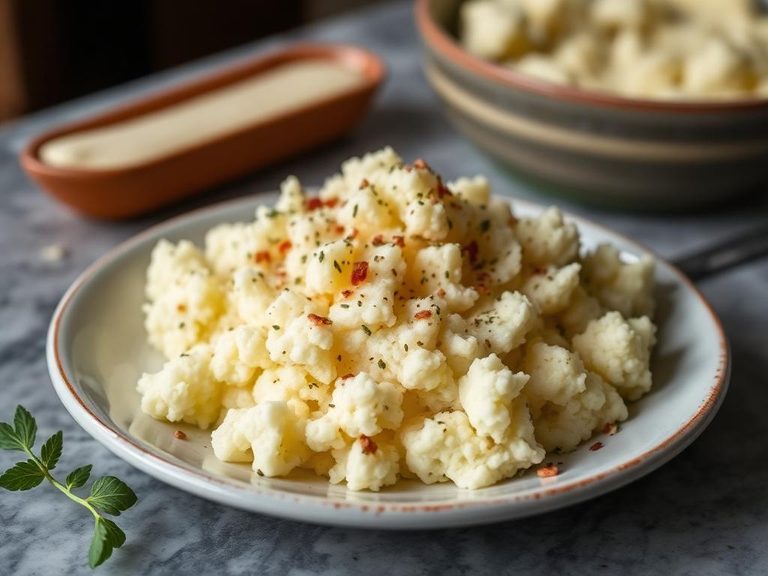
🍽️ Popular dishes
🌍 Where it's eaten
💡 Did you know?
The entire head of cauliflower is actually a cluster of undeveloped flower buds, and if left unharvested, each tiny bud would eventually bloom into a small yellow flower.
Full nutrition (scales with serving)
| Water | 93.0 g |
| Energy | 23.0 kcal |
| Energy | 96.0 kj |
| Protein | 1.8 g |
| Total lipid (fat) | 0.45 g |
| Ash | 0.60 g |
| Carbohydrate, by difference | 4.1 g |
| Fiber, total dietary | 2.3 g |
| Total Sugars | 1.9 g |
| Calcium, Ca | 16.0 mg |
| Iron, Fe | 0.32 mg |
| Magnesium, Mg | 9.0 mg |
| Phosphorus, P | 32.0 mg |
| Potassium, K | 142 mg |
| Sodium, Na | 242 mg |
| Zinc, Zn | 0.17 mg |
| Copper, Cu | 0.02 mg |
| Manganese, Mn | 0.13 mg |
| Selenium, Se | 0.60 ug |
| Fluoride, F | 1.0 ug |
| Vitamin C, total ascorbic acid | 44.3 mg |
| Thiamin | 0.04 mg |
| Riboflavin | 0.05 mg |
| Niacin | 0.41 mg |
| Pantothenic acid | 0.51 mg |
| Vitamin B-6 | 0.17 mg |
| Folate, total | 44.0 ug |
| Folic acid | 0.00 ug |
| Folate, food | 44.0 ug |
| Folate, DFE | 44.0 ug |
| Choline, total | 39.1 mg |
| Betaine | 0.10 mg |
| Vitamin B-12 | 0.00 ug |
| Vitamin B-12, added | 0.00 ug |
| Vitamin A, RAE | 1.0 ug |
| Retinol | 0.00 ug |
| Carotene, beta | 7.0 ug |
| Carotene, alpha | 0.00 ug |
| Cryptoxanthin, beta | 0.00 ug |
| Vitamin A, IU | 12.0 iu |
| Lycopene | 0.00 ug |
| Lutein + zeaxanthin | 29.0 ug |
| Vitamin E (alpha-tocopherol) | 0.07 mg |
| Vitamin E, added | 0.00 mg |
| Vitamin D (D2 + D3), International Units | 0.00 iu |
| Vitamin D (D2 + D3) | 0.00 ug |
| Vitamin K (phylloquinone) | 13.8 ug |
Fat & fatty acid profile (per 100g)
| Fatty acids, total saturated | 0.07 g |
| SFA 16:0 | 0.06 g |
| SFA 18:0 | 0.01 g |
| Fatty acids, total monounsaturated | 0.03 g |
| MUFA 18:1 | 0.03 g |
| Fatty acids, total polyunsaturated | 0.22 g |
| PUFA 18:2 | 0.05 g |
| PUFA 18:3 | 0.17 g |
| Fatty acids, total trans | 0.00 g |
| Cholesterol | 0.00 mg |
Amino acid profile (per 100g)
| Tryptophan | 0.02 g |
| Threonine | 0.07 g |
| Isoleucine | 0.07 g |
| Leucine | 0.11 g |
| Lysine | 0.10 g |
| Methionine | 0.03 g |
| Cystine | 0.02 g |
| Phenylalanine | 0.07 g |
| Tyrosine | 0.04 g |
| Valine | 0.09 g |
| Arginine | 0.09 g |
| Histidine | 0.04 g |
| Alanine | 0.10 g |
| Aspartic acid | 0.22 g |
| Glutamic acid | 0.24 g |
| Glycine | 0.06 g |
| Proline | 0.08 g |
| Serine | 0.10 g |
FAQ
Why does boiled cauliflower sometimes smell sulfurous?
The smell comes from sulfur-containing compounds (glucosinolates) breaking down during prolonged cooking. To minimize this, cook it just until tender-crisp and avoid over-boiling.
Is boiled cauliflower as nutritious as raw?
Boiling can reduce some heat-sensitive nutrients like vitamin C, but it also makes other nutrients like beta-carotene more bioavailable. Using the cooking water in a recipe helps retain lost nutrients.
How can I keep boiled cauliflower from getting mushy?
Add cauliflower florets to already boiling salted water, cook for just 4-6 minutes until a knife slides in easily but with slight resistance, then immediately drain and rinse with cold water to stop the cooking process.