

Squash, winter, acorn, raw
Whole food · Vegetables and Vegetable Products

Photo: Wikipedia
Acorn squash is a winter squash with a distinctive acorn shape, dark green ribbed skin, and a sweet, nutty, slightly earthy flavor. When raw, its flesh is firm and dense, with a mild, starchy taste that transforms into a tender, caramelized sweetness when roasted. It's a low-calorie, fiber-rich food that provides a good source of vitamins A and C.
Calorie split: 7% protein · 91% carbs · 2% fat
↓ Full nutrition💚 Why it's loved
People love acorn squash for its rich, naturally sweet and nutty flavor that deepens beautifully with roasting, and its versatile, tender texture that works in both savory and sweet dishes. It's a staple of autumnal and winter comfort cooking, often associated with harvest traditions.
⚠️ Watch-outs & how to enjoy it better
Its dense, starchy flesh can cause a moderate blood-sugar spike if eaten alone in large portions. To counteract this, pair it with a source of protein (like beans or cheese) or healthy fat (like olive oil or nuts) to slow digestion. Its tough skin can be difficult to cut; use a sharp chef's knife and microwave for 2-3 minutes first to soften it.
Key benefits
- Excellent source of vitamin A (beta-carotene) for eye health.
- Good source of vitamin C, an antioxidant that supports immune function.
- High in dietary fiber, aiding digestion and promoting fullness.
- Low in calories and fat, making it a nutrient-dense choice.
- Contains potassium, which helps regulate blood pressure.
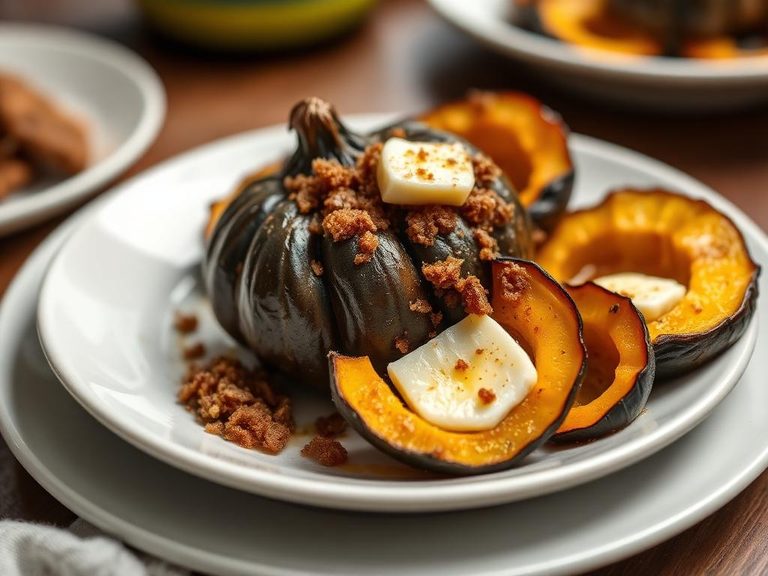
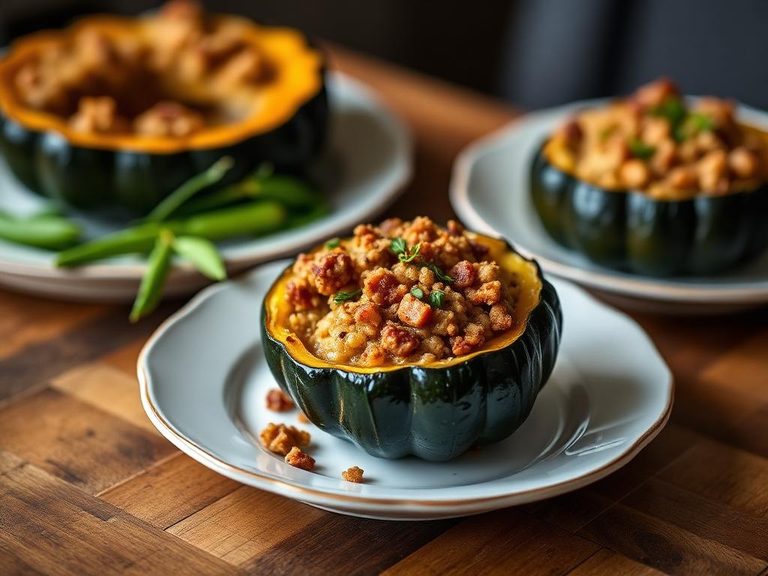
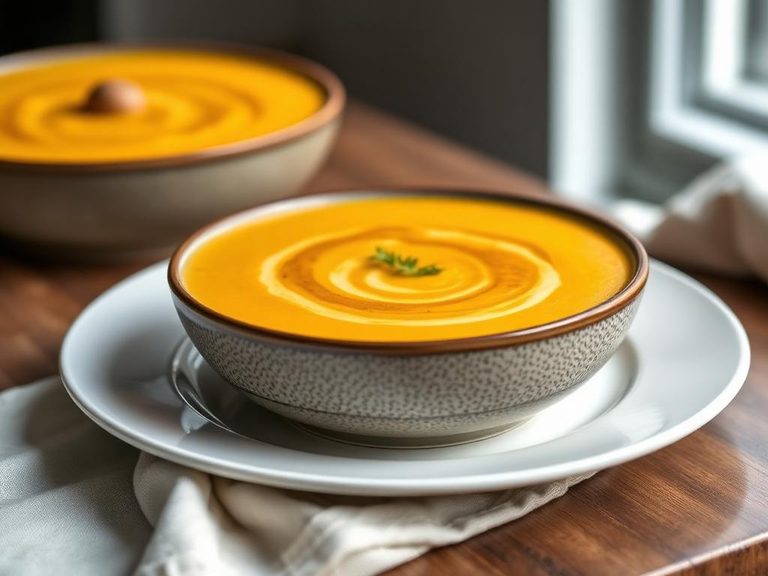
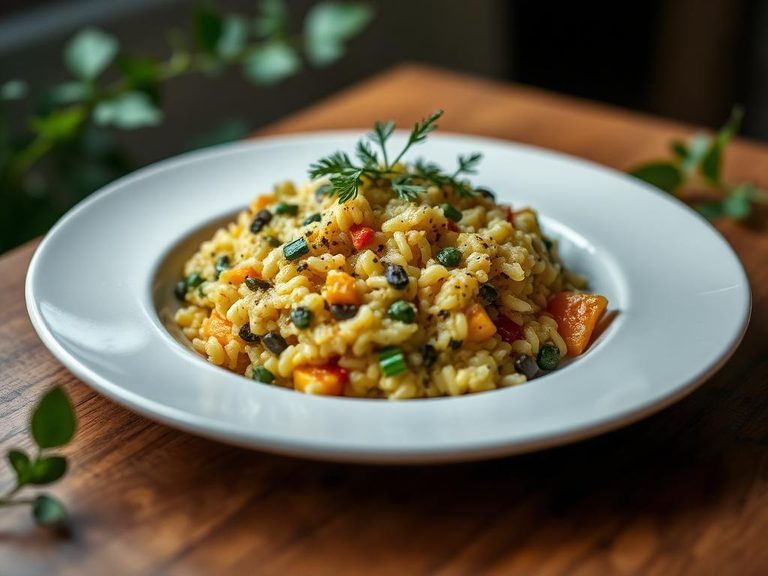
🍽️ Popular dishes
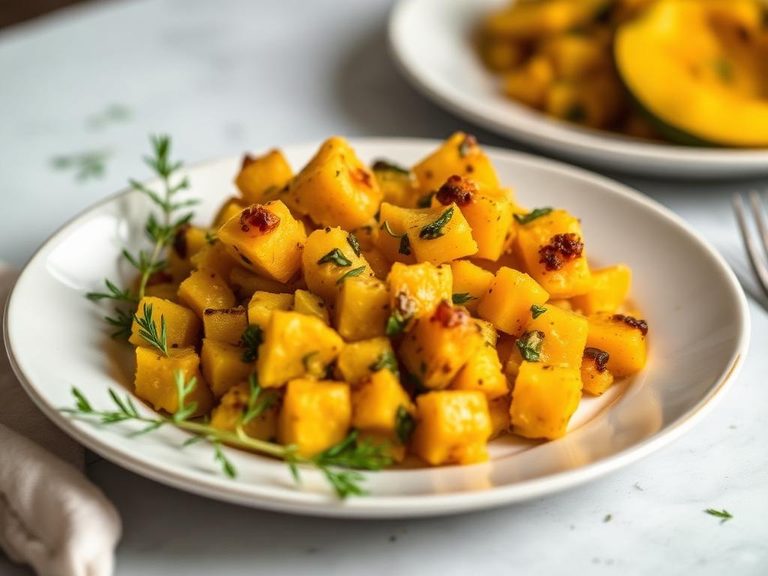
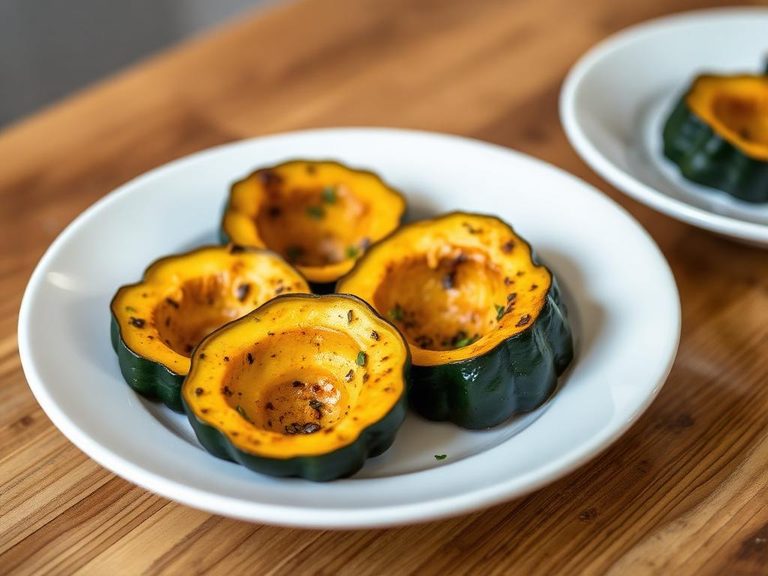
🌍 Where it's eaten
💡 Did you know?
The 'acorn' in its name refers solely to its shape, not its flavor; it tastes nothing like an acorn. It was a critical winter food source for many Native American tribes, who would store it for months in cool, dry places.
Full nutrition (USDA data · scales with serving)
| Water | 87.8 g |
| Energy | 40.0 kcal |
| Energy | 167 kj |
| Protein | 0.80 g |
| Total lipid (fat) | 0.10 g |
| Ash | 0.90 g |
| Carbohydrate, by difference | 10.4 g |
| Fiber, total dietary | 1.5 g |
| Calcium, Ca | 33.0 mg |
| Iron, Fe | 0.70 mg |
| Magnesium, Mg | 32.0 mg |
| Phosphorus, P | 36.0 mg |
| Potassium, K | 347 mg |
| Sodium, Na | 3.0 mg |
| Zinc, Zn | 0.13 mg |
| Copper, Cu | 0.07 mg |
| Manganese, Mn | 0.17 mg |
| Selenium, Se | 0.50 ug |
| Vitamin C, total ascorbic acid | 11.0 mg |
| Thiamin | 0.14 mg |
| Riboflavin | 0.01 mg |
| Niacin | 0.70 mg |
| Pantothenic acid | 0.40 mg |
| Vitamin B-6 | 0.15 mg |
| Folate, total | 17.0 ug |
| Folic acid | 0.00 ug |
| Folate, food | 17.0 ug |
| Folate, DFE | 17.0 ug |
| Vitamin B-12 | 0.00 ug |
| Vitamin A, RAE | 18.0 ug |
| Retinol | 0.00 ug |
| Carotene, beta | 220 ug |
| Carotene, alpha | 0.00 ug |
| Cryptoxanthin, beta | 0.00 ug |
| Vitamin A, IU | 367 iu |
| Lycopene | 0.00 ug |
| Lutein + zeaxanthin | 38.0 ug |
| Vitamin D (D2 + D3), International Units | 0.00 iu |
| Vitamin D (D2 + D3) | 0.00 ug |
Fat & fatty acid profile (per 100g)
| Fatty acids, total saturated | 0.02 g |
| SFA 12:0 | 0.00 g |
| SFA 14:0 | 0.00 g |
| SFA 16:0 | 0.02 g |
| SFA 18:0 | 0.00 g |
| Fatty acids, total monounsaturated | 0.01 g |
| MUFA 16:1 | 0.00 g |
| MUFA 18:1 | 0.01 g |
| Fatty acids, total polyunsaturated | 0.04 g |
| PUFA 18:2 | 0.02 g |
| PUFA 18:3 | 0.03 g |
| Fatty acids, total trans | 0.00 g |
| Cholesterol | 0.00 mg |
Amino acid profile (per 100g)
| Tryptophan | 0.01 g |
| Threonine | 0.02 g |
| Isoleucine | 0.03 g |
| Leucine | 0.04 g |
| Lysine | 0.03 g |
| Methionine | 0.01 g |
| Cystine | 0.01 g |
| Phenylalanine | 0.03 g |
| Tyrosine | 0.03 g |
| Valine | 0.03 g |
| Arginine | 0.04 g |
| Histidine | 0.01 g |
| Alanine | 0.03 g |
| Aspartic acid | 0.09 g |
| Glutamic acid | 0.14 g |
| Glycine | 0.03 g |
| Proline | 0.03 g |
| Serine | 0.03 g |
FAQ
Do I need to peel acorn squash before cooking?
No, the skin is edible and becomes tender when cooked. It's often left on for dishes like roasted halves or stuffed squash, where it acts as a natural bowl. Simply scrub it clean.
What's the best way to cut a raw acorn squash?
Use a sharp, sturdy chef's knife. For safety, microwave the whole squash for 2-3 minutes first to soften the skin. Cut it in half from stem to tip, then scoop out the seeds and stringy pulp with a spoon.
How do I store a whole acorn squash?
Keep it in a cool, dark, dry place (like a pantry or cellar) for up to a month. Once cut, wrap the unused portion tightly and refrigerate for up to 5 days.
Nutrient density (calculated · NRF9.3)
Nutrient Rich Foods index: beneficial nutrients (protein, fiber, vitamins, minerals) minus saturated fat, added sugar & sodium, per 100 kcal.
NRF9.3 index — Fulgoni, Keast & Drewnowski, 2009. Computed from USDA nutrients.
Weight-loss friendliness (composite index)
Energy density 0.40 kcal/g · 8% calories from protein · 1.5 g fiber · 0.0 g sugar per 100 g.
Composite of energy density (Rolls et al., 1999), protein & fiber satiety, minus sugar. A calculated heuristic — ranks satiety-per-calorie, not a clinical measure.
Dietary load (calculated from USDA values)
Potential renal acid load. Positive = acid-forming, negative = alkaline-forming.
Sodium-to-potassium ratio: 0.01 (lower is better — aim for ≤ 1)
Sodium:potassium per WHO potassium guidance. Computed from USDA nutrients.