

Sauce, cheese sauce mix, dry
Whole food · Soups, Sauces, and Gravies

Photo: Wikipedia
This is a dehydrated powder mix designed to be reconstituted into a rich, creamy cheese sauce, typically with the addition of milk and butter. It delivers a smooth, velvety texture and a pronounced, savory cheddar-like flavor, making it a staple for quick comfort food. Nutritionally, it is a calorie-dense, carbohydrate-heavy ingredient, with a significant portion of its energy coming from added sugars and fats.
Calorie split: 7% protein · 55% carbs · 38% fat
↓ Full nutrition💚 Why it's loved
People love it for its unmatched convenience and nostalgic, comforting flavor that instantly elevates simple dishes like pasta or steamed vegetables. Its versatility allows it to be used as a dip, a topping, or a base for more complex recipes.
⚠️ Watch-outs & how to enjoy it better
It is highly processed, often high in sodium, and contains added sugars, which can lead to blood sugar spikes and may not be suitable for low-sodium diets. To counteract this, use it sparingly, pair it with fiber-rich vegetables or lean protein to slow sugar absorption, and consider diluting it with extra milk or adding spices to reduce the need for a full portion.
Key benefits
- Provides a quick and consistent cheese sauce base
- Offers a convenient source of calories and energy
- Shelf-stable and easy to store for long periods
- Can be a vehicle for adding vegetables or protein
🍽️ Popular dishes
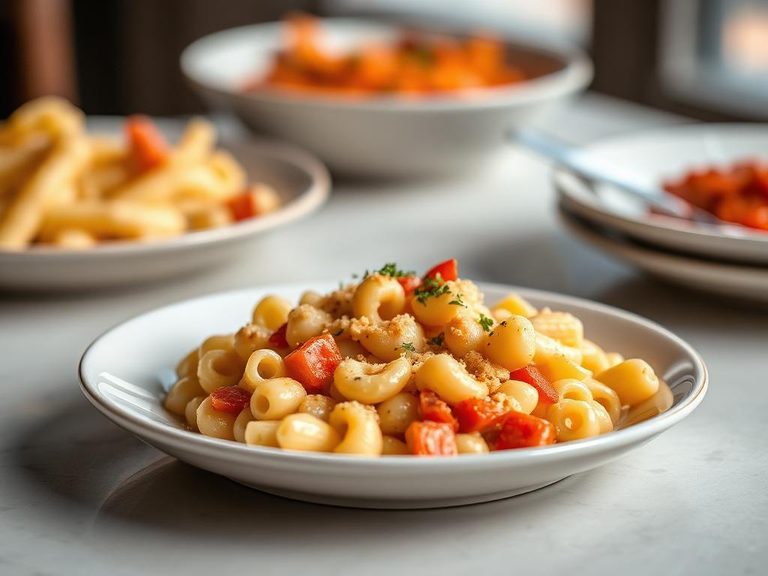
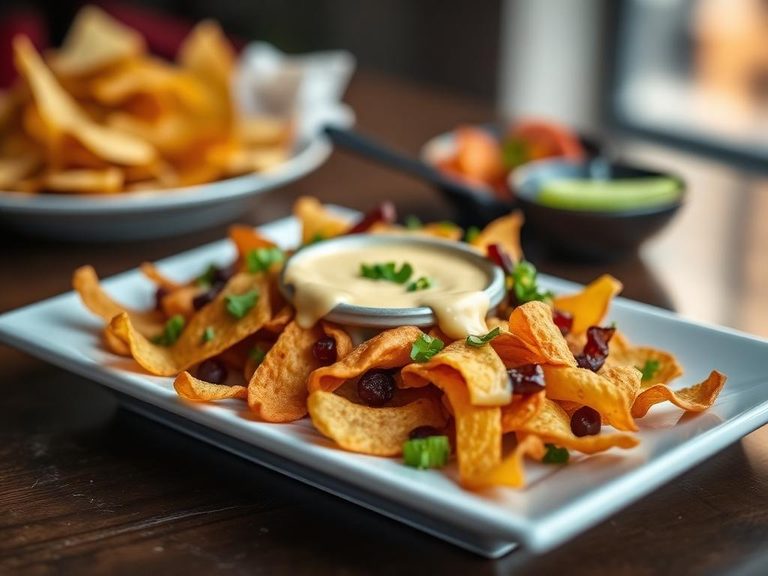
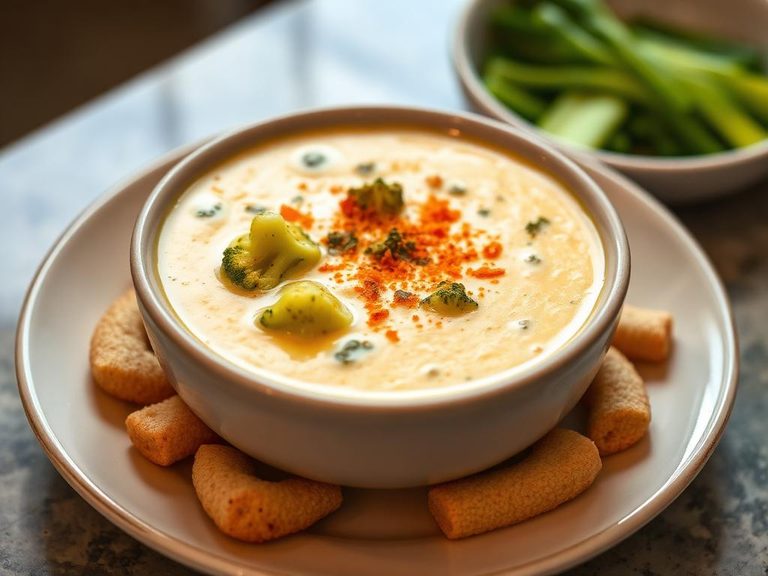

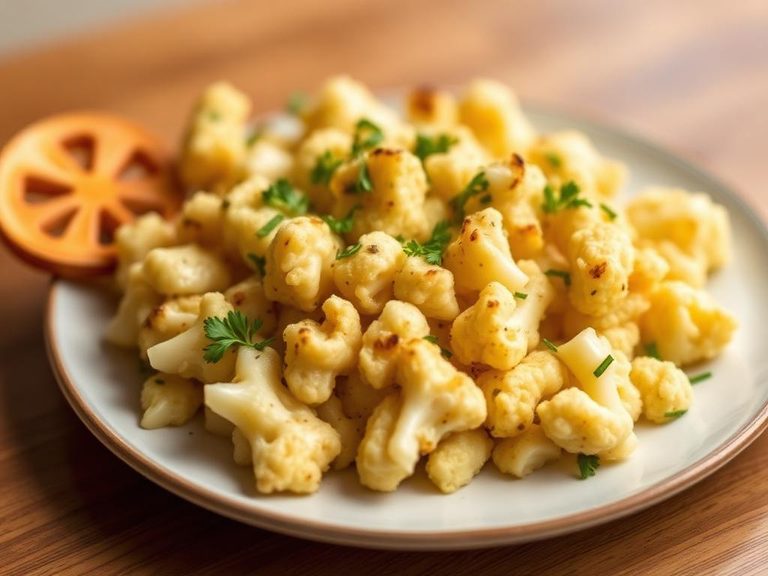
🌍 Where it's eaten
💡 Did you know?
The concept of a dry cheese sauce mix gained massive popularity in the mid-20th century, tied closely to the rise of boxed macaroni and cheese dinners and the demand for quick, shelf-stable pantry staples.
Full nutrition (USDA data · scales with serving)
| Water | 3.8 g |
| Energy | 438 kcal |
| Energy | 1833 kj |
| Protein | 7.7 g |
| Total lipid (fat) | 18.3 g |
| Ash | 9.7 g |
| Carbohydrate, by difference | 60.5 g |
| Fiber, total dietary | 1.0 g |
| Total Sugars | 10.3 g |
| Calcium, Ca | 204 mg |
| Iron, Fe | 0.50 mg |
| Magnesium, Mg | 36.0 mg |
| Phosphorus, P | 283 mg |
| Potassium, K | 428 mg |
| Sodium, Na | 3202 mg |
| Zinc, Zn | 1.1 mg |
| Copper, Cu | 0.09 mg |
| Manganese, Mn | 0.05 mg |
| Vitamin C, total ascorbic acid | 0.90 mg |
| Thiamin | 0.21 mg |
| Riboflavin | 0.68 mg |
| Niacin | 2.4 mg |
| Pantothenic acid | 1.5 mg |
| Vitamin B-6 | 0.18 mg |
| Folate, total | 134 ug |
| Folic acid | 0.00 ug |
| Folate, food | 134 ug |
| Folate, DFE | 134 ug |
| Vitamin B-12 | 0.46 ug |
| Vitamin A, RAE | 56.0 ug |
| Retinol | 55.0 ug |
| Vitamin A, IU | 202 iu |
| Alcohol, ethyl | 0.00 g |
Fat & fatty acid profile (per 100g)
| Fatty acids, total saturated | 8.4 g |
| SFA 4:0 | 0.20 g |
| SFA 6:0 | 0.13 g |
| SFA 8:0 | 0.09 g |
| SFA 10:0 | 0.24 g |
| SFA 12:0 | 0.33 g |
| SFA 14:0 | 1.2 g |
| SFA 16:0 | 3.9 g |
| SFA 18:0 | 2.1 g |
| Fatty acids, total monounsaturated | 6.9 g |
| MUFA 16:1 | 0.20 g |
| MUFA 18:1 | 6.5 g |
| MUFA 20:1 | 0.05 g |
| MUFA 22:1 | 0.00 g |
| Fatty acids, total polyunsaturated | 0.98 g |
| PUFA 18:2 | 0.82 g |
| PUFA 18:3 | 0.13 g |
| PUFA 18:4 | 0.00 g |
| PUFA 20:4 | 0.02 g |
| PUFA 20:5 n-3 (EPA) | 0.00 g |
| PUFA 22:5 n-3 (DPA) | 0.00 g |
| PUFA 22:6 n-3 (DHA) | 0.00 g |
| Cholesterol | 23.0 mg |
Amino acid profile (per 100g)
Estimated from Sauce, homemade, white, medium — USDA does not publish this profile for Sauce.
| Tryptophan | 0.04 g |
| Threonine | 0.14 g |
| Isoleucine | 0.19 g |
| Leucine | 0.30 g |
| Lysine | 0.24 g |
| Methionine | 0.08 g |
| Cystine | 0.03 g |
| Phenylalanine | 0.15 g |
| Tyrosine | 0.15 g |
| Valine | 0.20 g |
| Arginine | 0.11 g |
| Histidine | 0.08 g |
| Alanine | 0.10 g |
| Aspartic acid | 0.23 g |
| Glutamic acid | 0.64 g |
| Glycine | 0.07 g |
| Proline | 0.30 g |
| Serine | 0.17 g |
FAQ
What is the main difference between this and a cheese sauce made from scratch?
This mix uses processed cheese powder, thickeners like modified cornstarch, and often whey and emulsifiers for stability and texture. A scratch sauce relies on real cheese, a roux (butter and flour), and milk, resulting in a fresher flavor but less shelf life.
Can I use water instead of milk to prepare it?
While you can, using water will result in a significantly thinner, less creamy sauce with a weaker dairy flavor. Milk is recommended for the intended rich taste and texture.
Is this product gluten-free?
Not always. Many cheese sauce mixes contain wheat flour or modified food starch derived from wheat as a thickener. Always check the specific product's ingredient list and allergen warnings for gluten.
Nutrient density (calculated · NRF9.3)
Nutrient Rich Foods index: beneficial nutrients (protein, fiber, vitamins, minerals) minus saturated fat, added sugar & sodium, per 100 kcal.
NRF9.3 index — Fulgoni, Keast & Drewnowski, 2009. Computed from USDA nutrients.
Weight-loss friendliness (composite index)
Energy density 4.38 kcal/g · 7% calories from protein · 1.0 g fiber · 10.3 g sugar per 100 g.
Composite of energy density (Rolls et al., 1999), protein & fiber satiety, minus sugar. A calculated heuristic — ranks satiety-per-calorie, not a clinical measure.
Dietary load (calculated from USDA values)
Potential renal acid load. Positive = acid-forming, negative = alkaline-forming.
Sodium-to-potassium ratio: 7.48 (lower is better — aim for ≤ 1)
Sodium:potassium per WHO potassium guidance. Computed from USDA nutrients.