

Potatoes, mashed, dehydrated, prepared from flakes without milk, whole milk and margarine added
Whole food · Vegetables and Vegetable Products

Photo: Wikipedia
This is the classic, fluffy mashed potato made from convenient dehydrated flakes, rehydrated with whole milk and margarine for a rich, creamy texture. It delivers a comforting, mild potato flavor with a smooth, light consistency that's less dense than traditionally mashed potatoes. Nutritionally, it offers a moderate calorie source with a good balance of carbs and fats, and a notable amount of fiber.
Calorie split: 6% protein · 51% carbs · 43% fat
↓ Full nutrition💚 Why it's loved
People love it for its unparalleled convenience and consistently smooth, lump-free texture that's perfect for weeknight meals. Its mild, creamy flavor acts as a versatile canvas, easily pairing with everything from savory gravies to simple butter and herbs.
⚠️ Watch-outs & how to enjoy it better
The addition of margarine can introduce trans fats, and some commercial mixes are high in sodium, which may concern those monitoring heart health. For those managing blood sugar, the high-glycemic nature of the potato can cause spikes; pairing it with a protein like grilled chicken or a healthy fat like olive oil can help moderate this response.
Key benefits
- Excellent source of quick energy from complex carbohydrates.
- Provides dietary fiber which aids in digestion.
- Convenient and shelf-stable with consistent texture.
- Can be a good base for adding other nutritious ingredients.
- Contains potassium, an essential electrolyte.
🍽️ Popular dishes
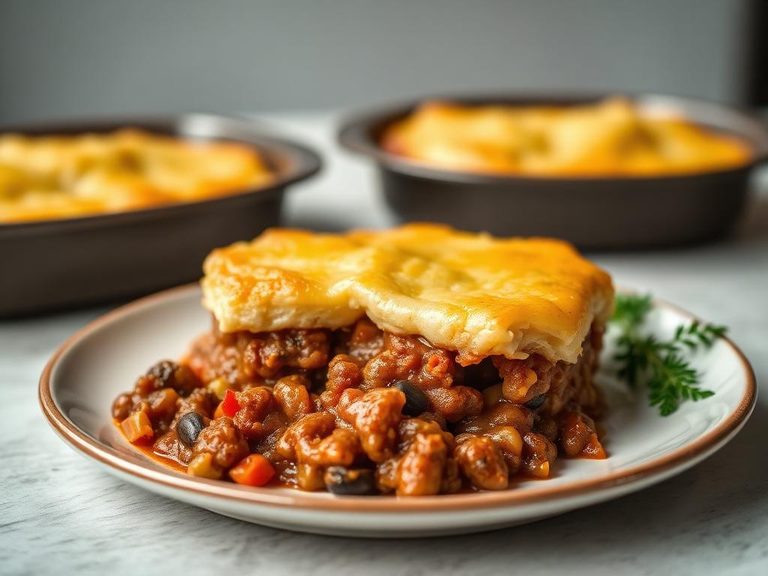
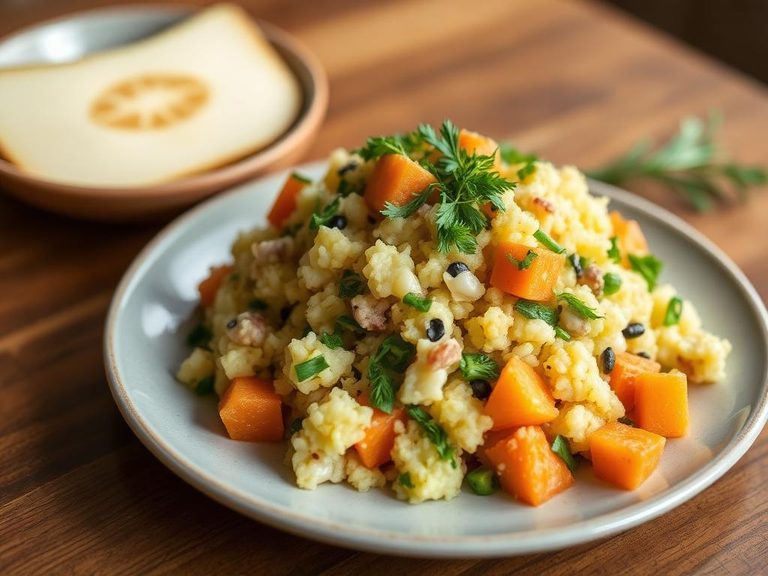
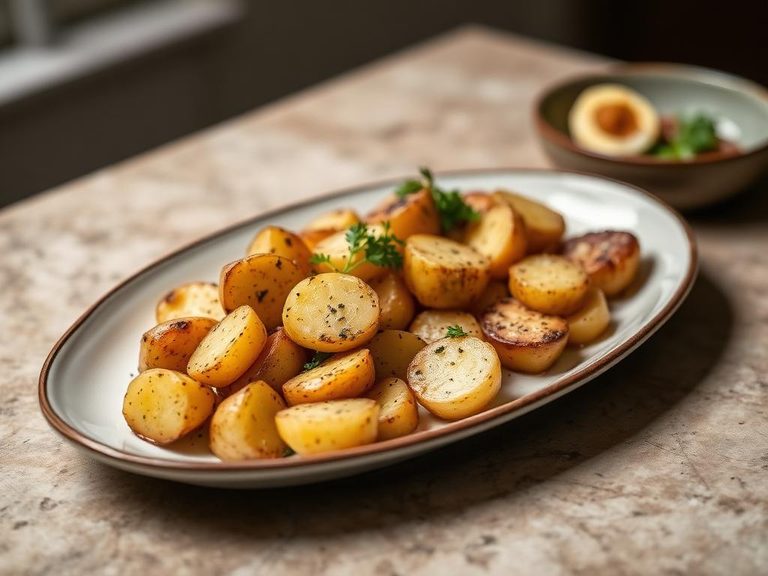



🌍 Where it's eaten
💡 Did you know?
The process for creating instant mashed potato flakes was patented in the 1950s and was a key innovation for NASA's Apollo missions, providing astronauts with a lightweight, familiar comfort food in space.
Full nutrition (USDA data · scales with serving)
| Water | 76.3 g |
| Energy | 113 kcal |
| Energy | 473 kj |
| Protein | 1.9 g |
| Total lipid (fat) | 5.6 g |
| Ash | 1.2 g |
| Carbohydrate, by difference | 15.0 g |
| Fiber, total dietary | 2.3 g |
| Calcium, Ca | 49.0 mg |
| Iron, Fe | 0.22 mg |
| Magnesium, Mg | 18.0 mg |
| Phosphorus, P | 56.0 mg |
| Potassium, K | 233 mg |
| Sodium, Na | 332 mg |
| Zinc, Zn | 0.18 mg |
| Copper, Cu | 0.02 mg |
| Manganese, Mn | 0.11 mg |
| Selenium, Se | 0.50 ug |
| Vitamin C, total ascorbic acid | 9.7 mg |
| Thiamin | 0.11 mg |
| Riboflavin | 0.05 mg |
| Niacin | 0.67 mg |
| Pantothenic acid | 0.12 mg |
| Vitamin B-6 | 0.01 mg |
| Folate, total | 7.0 ug |
| Folic acid | 0.00 ug |
| Folate, food | 7.0 ug |
| Folate, DFE | 7.0 ug |
| Vitamin B-12 | 0.00 ug |
| Vitamin A, RAE | 46.0 ug |
| Retinol | 42.0 ug |
| Carotene, beta | 48.0 ug |
| Vitamin A, IU | 220 iu |
| Vitamin D (D2 + D3), International Units | 0.00 iu |
| Vitamin D (D2 + D3) | 0.00 ug |
Fat & fatty acid profile (per 100g)
| Fatty acids, total saturated | 1.5 g |
| SFA 4:0 | 0.03 g |
| SFA 6:0 | 0.01 g |
| SFA 8:0 | 0.01 g |
| SFA 10:0 | 0.02 g |
| SFA 12:0 | 0.03 g |
| SFA 14:0 | 0.10 g |
| SFA 16:0 | 0.80 g |
| SFA 18:0 | 0.44 g |
| Fatty acids, total monounsaturated | 2.3 g |
| MUFA 16:1 | 0.02 g |
| MUFA 18:1 | 2.3 g |
| Fatty acids, total polyunsaturated | 1.6 g |
| PUFA 18:2 | 1.5 g |
| PUFA 18:3 | 0.09 g |
| Cholesterol | 4.0 mg |
Amino acid profile (per 100g)
| Tryptophan | 0.02 g |
| Threonine | 0.09 g |
| Isoleucine | 0.10 g |
| Leucine | 0.15 g |
| Lysine | 0.13 g |
| Methionine | 0.03 g |
| Cystine | 0.02 g |
| Phenylalanine | 0.09 g |
| Tyrosine | 0.08 g |
| Valine | 0.12 g |
| Arginine | 0.08 g |
| Histidine | 0.05 g |
| Alanine | 0.07 g |
| Aspartic acid | 0.29 g |
| Glutamic acid | 0.35 g |
| Glycine | 0.06 g |
| Proline | 0.11 g |
| Serine | 0.09 g |
FAQ
How does the nutrition differ from fresh mashed potatoes?
Dehydrated flakes are more calorie-dense by weight before rehydration. Once prepared with milk and margarine, the nutrition is similar to homemade, but the fat and sodium content can vary significantly based on the specific brand and preparation method.
Can I make this dairy-free?
Yes, you can rehydrate the flakes using plant-based milk (like oat or soy) and a dairy-free margarine or olive oil to suit dietary restrictions.
Why are mine gluey instead of fluffy?
Over-mixing or over-processing the rehydrated potatoes can rupture starch cells, creating a gluey texture. Use a gentle hand and mix only until just combined.
Nutrient density (calculated · NRF9.3)
Nutrient Rich Foods index: beneficial nutrients (protein, fiber, vitamins, minerals) minus saturated fat, added sugar & sodium, per 100 kcal.
NRF9.3 index — Fulgoni, Keast & Drewnowski, 2009. Computed from USDA nutrients.
Weight-loss friendliness (composite index)
Energy density 1.13 kcal/g · 7% calories from protein · 2.3 g fiber · 0.0 g sugar per 100 g.
Composite of energy density (Rolls et al., 1999), protein & fiber satiety, minus sugar. A calculated heuristic — ranks satiety-per-calorie, not a clinical measure.
Dietary load (calculated from USDA values)
Potential renal acid load. Positive = acid-forming, negative = alkaline-forming.
Sodium-to-potassium ratio: 1.42 (lower is better — aim for ≤ 1)
Sodium:potassium per WHO potassium guidance. Computed from USDA nutrients.