

Potatoes, frozen, whole, cooked, boiled, drained, with salt
Whole food · Vegetables and Vegetable Products
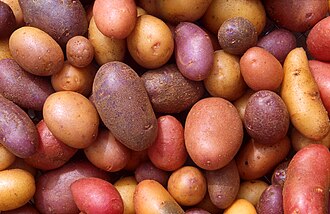
Photo: Wikipedia
These are whole potatoes, frozen at peak freshness, then boiled and drained. They offer a fluffy, tender texture with a clean, earthy flavor, and are a remarkably low-fat, energy-efficient source of complex carbohydrates.
Calorie split: 12% protein · 86% carbs · 2% fat
↓ Full nutrition💚 Why it's loved
People love their unparalleled convenience and reliability—they cook up perfectly every time, providing a comforting, starchy canvas that absorbs flavors from sauces, herbs, and seasonings beautifully.
⚠️ Watch-outs & how to enjoy it better
Their primary downside is the added sodium from the salted cooking water, which can be a concern for those monitoring salt intake. To counteract this, rinse them briefly after boiling or choose unsalted frozen varieties. They also have a high glycemic index, which can cause blood sugar spikes; pairing them with protein (like eggs or beans) or healthy fats (like olive oil or avocado) slows digestion and moderates the blood sugar response.
Key benefits
- Excellent source of quick, sustained energy from complex carbs.
- Very low in fat, making it a heart-healthy carbohydrate choice.
- Provides dietary fiber for digestive health.
- Retains key nutrients like potassium and vitamin C better than fresh potatoes stored for long periods.
- Offers a convenient, consistent base for countless meals.
🍽️ Popular dishes
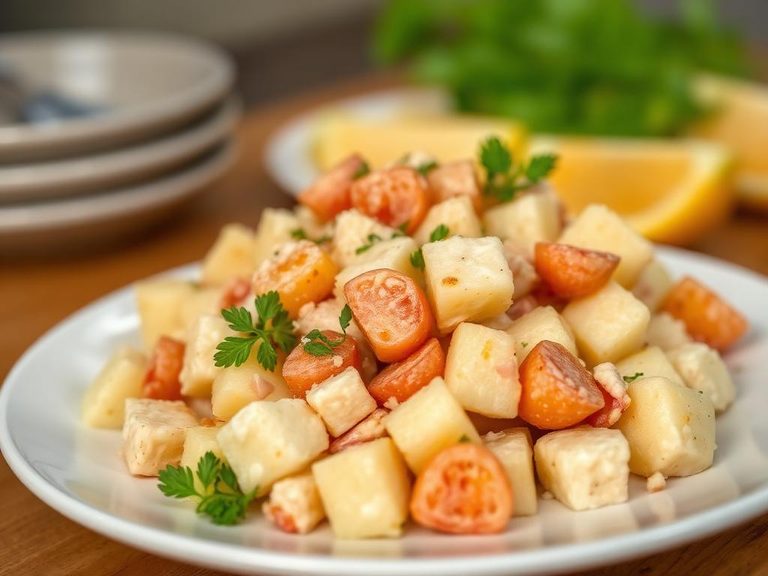
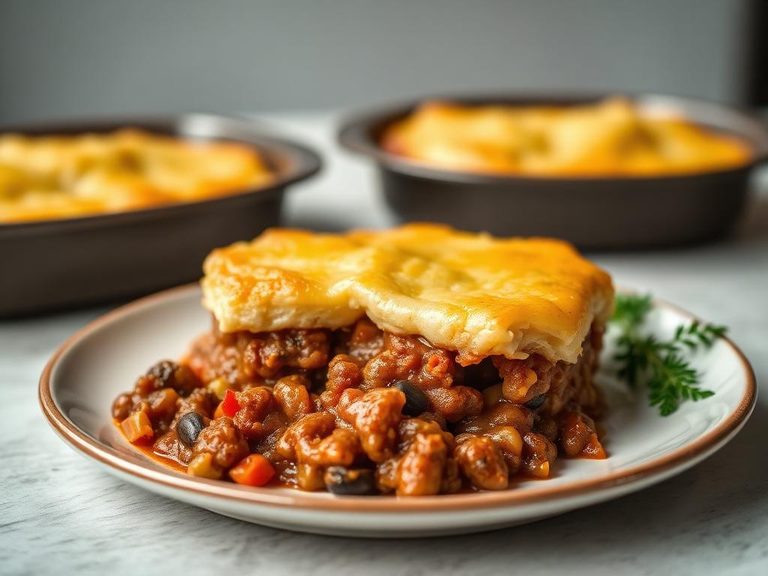
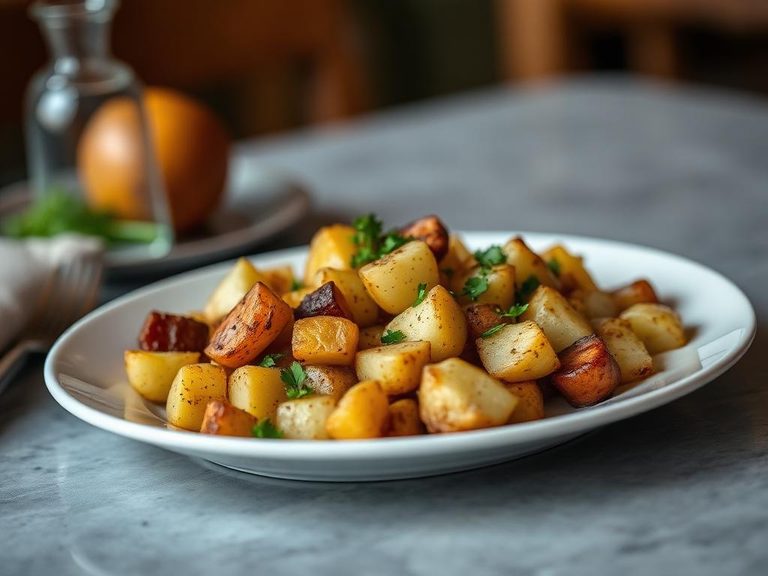
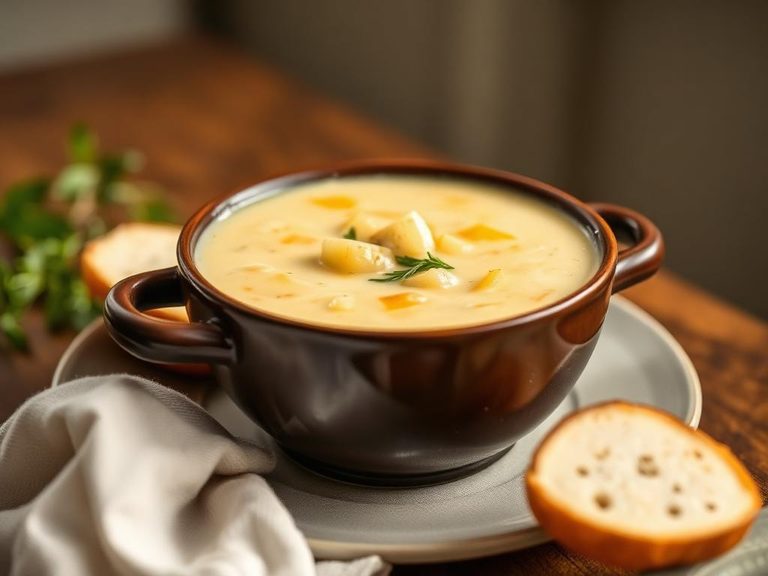
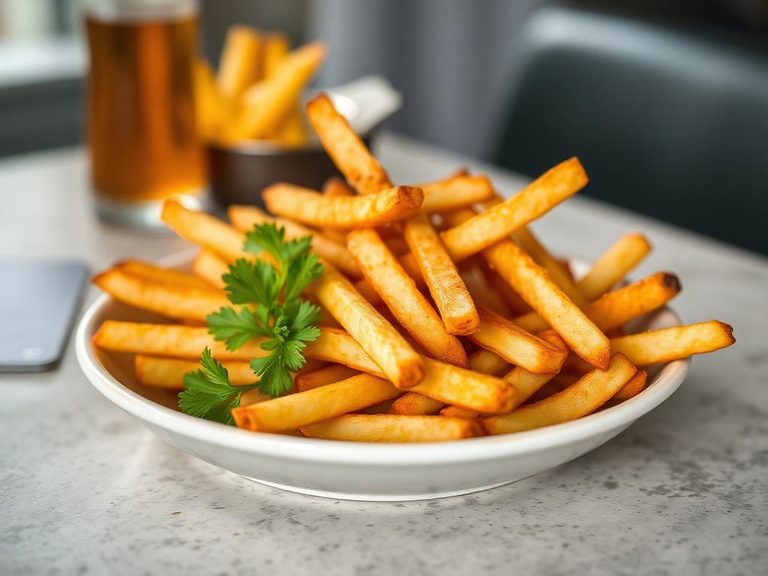
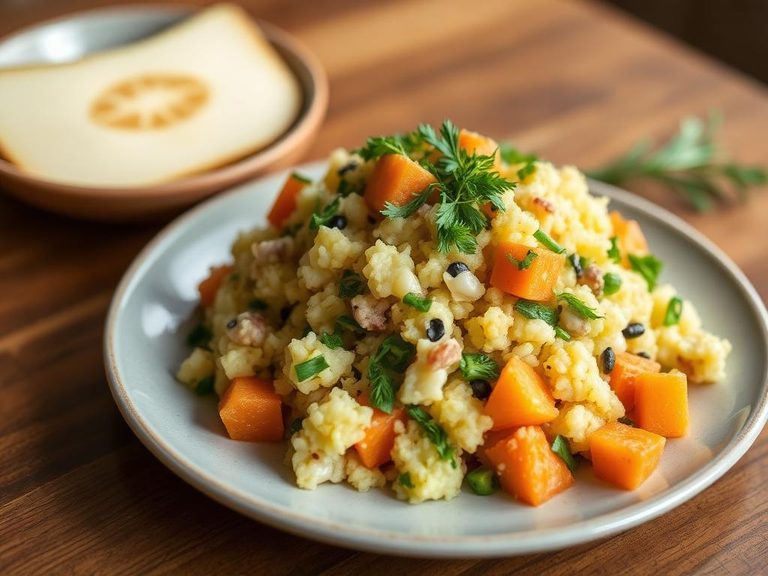
🌍 Where it's eaten
💡 Did you know?
The process of freezing potatoes actually breaks down some of their starch into a form that is more easily digested by the body, potentially making them slightly less 'heavy' than freshly boiled potatoes.
Full nutrition (USDA data · scales with serving)
| Water | 82.8 g |
| Energy | 63.0 kcal |
| Energy | 262 kj |
| Protein | 2.0 g |
| Total lipid (fat) | 0.13 g |
| Ash | 1.2 g |
| Carbohydrate, by difference | 13.9 g |
| Fiber, total dietary | 1.4 g |
| Calcium, Ca | 7.0 mg |
| Iron, Fe | 0.84 mg |
| Magnesium, Mg | 11.0 mg |
| Phosphorus, P | 26.0 mg |
| Potassium, K | 287 mg |
| Sodium, Na | 256 mg |
| Zinc, Zn | 0.25 mg |
| Copper, Cu | 0.08 mg |
| Manganese, Mn | 0.18 mg |
| Selenium, Se | 0.20 ug |
| Vitamin C, total ascorbic acid | 9.4 mg |
| Thiamin | 0.10 mg |
| Riboflavin | 0.03 mg |
| Niacin | 1.3 mg |
| Pantothenic acid | 0.28 mg |
| Vitamin B-6 | 0.20 mg |
| Folate, total | 8.0 ug |
| Folic acid | 0.00 ug |
| Folate, food | 8.0 ug |
| Folate, DFE | 8.0 ug |
| Vitamin B-12 | 0.00 ug |
| Vitamin A, RAE | 0.00 ug |
| Retinol | 0.00 ug |
| Vitamin A, IU | 0.00 iu |
| Vitamin D (D2 + D3), International Units | 0.00 iu |
| Vitamin D (D2 + D3) | 0.00 ug |
Fat & fatty acid profile (per 100g)
| Fatty acids, total saturated | 0.03 g |
| SFA 10:0 | 0.00 g |
| SFA 12:0 | 0.00 g |
| SFA 14:0 | 0.00 g |
| SFA 16:0 | 0.02 g |
| SFA 18:0 | 0.01 g |
| Fatty acids, total monounsaturated | 0.00 g |
| MUFA 16:1 | 0.00 g |
| MUFA 18:1 | 0.00 g |
| Fatty acids, total polyunsaturated | 0.06 g |
| PUFA 18:2 | 0.04 g |
| PUFA 18:3 | 0.01 g |
| Fatty acids, total trans | 0.00 g |
| Cholesterol | 0.00 mg |
Amino acid profile (per 100g)
| Tryptophan | 0.03 g |
| Threonine | 0.07 g |
| Isoleucine | 0.08 g |
| Leucine | 0.12 g |
| Lysine | 0.12 g |
| Methionine | 0.03 g |
| Cystine | 0.03 g |
| Phenylalanine | 0.09 g |
| Tyrosine | 0.07 g |
| Valine | 0.11 g |
| Arginine | 0.09 g |
| Histidine | 0.04 g |
| Alanine | 0.06 g |
| Aspartic acid | 0.48 g |
| Glutamic acid | 0.33 g |
| Glycine | 0.06 g |
| Proline | 0.07 g |
| Serine | 0.09 g |
FAQ
Are frozen boiled potatoes less nutritious than fresh?
Not necessarily. Flash-freezing locks in nutrients at their peak. While boiling can leach some water-soluble vitamins like vitamin C, the process is similar for both fresh and frozen. Frozen potatoes often retain more nutrients than fresh potatoes that have been stored for weeks.
How can I reduce the sodium content?
After boiling, give the potatoes a quick rinse under cool water to remove surface salt. You can also look for brands that offer 'no salt added' frozen potatoes and season them yourself with herbs and spices.
Can I use these directly in recipes that call for raw potatoes?
Generally, no. They are already cooked and will become mushy if boiled or baked for a long time. They are best suited for recipes where pre-cooked potatoes are added near the end (like salads) or for dishes where a soft texture is desired (like mashed potatoes or soup).
Nutrient density (calculated · NRF9.3)
Nutrient Rich Foods index: beneficial nutrients (protein, fiber, vitamins, minerals) minus saturated fat, added sugar & sodium, per 100 kcal.
NRF9.3 index — Fulgoni, Keast & Drewnowski, 2009. Computed from USDA nutrients.
Weight-loss friendliness (composite index)
Energy density 0.63 kcal/g · 13% calories from protein · 1.4 g fiber · 0.0 g sugar per 100 g.
Composite of energy density (Rolls et al., 1999), protein & fiber satiety, minus sugar. A calculated heuristic — ranks satiety-per-calorie, not a clinical measure.
Dietary load (calculated from USDA values)
Potential renal acid load. Positive = acid-forming, negative = alkaline-forming.
Sodium-to-potassium ratio: 0.89 (lower is better — aim for ≤ 1)
Sodium:potassium per WHO potassium guidance. Computed from USDA nutrients.