

Potatoes, boiled, cooked in skin, skin, with salt
Whole food · Vegetables and Vegetable Products
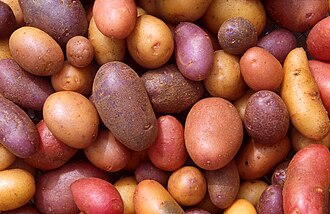
Photo: Wikipedia
A humble potato, boiled with its skin on and lightly salted, offers a comforting, earthy flavor and a tender, slightly waxy texture that's satisfyingly simple. Its skin provides a rustic chew and a boost of fiber, making it a wholesome, low-fat staple. At just 78 kcal per 100g, it's a light yet filling source of complex carbohydrates and potassium.
Calorie split: 14% protein · 85% carbs · 1% fat
↓ Full nutrition💚 Why it's loved
People adore it for its comforting, neutral flavor that acts as a perfect canvas for toppings like butter, herbs, or cheese. Its versatility makes it a beloved side dish across countless cultures, from a simple accompaniment to a hearty meal.
⚠️ Watch-outs & how to enjoy it better
The added salt can be a concern for those monitoring sodium intake, and its high-glycemic nature may cause blood-sugar spikes if eaten alone. To counteract this, pair it with a protein (like grilled chicken or beans) or a healthy fat (like olive oil or avocado) to slow digestion, and practice portion control.
Key benefits
- Rich in potassium for heart and muscle function
- Skin-on preparation adds dietary fiber for digestion
- Naturally gluten-free and low in fat
- Provides vitamin B6 for energy metabolism
- A good source of resistant starch when cooled
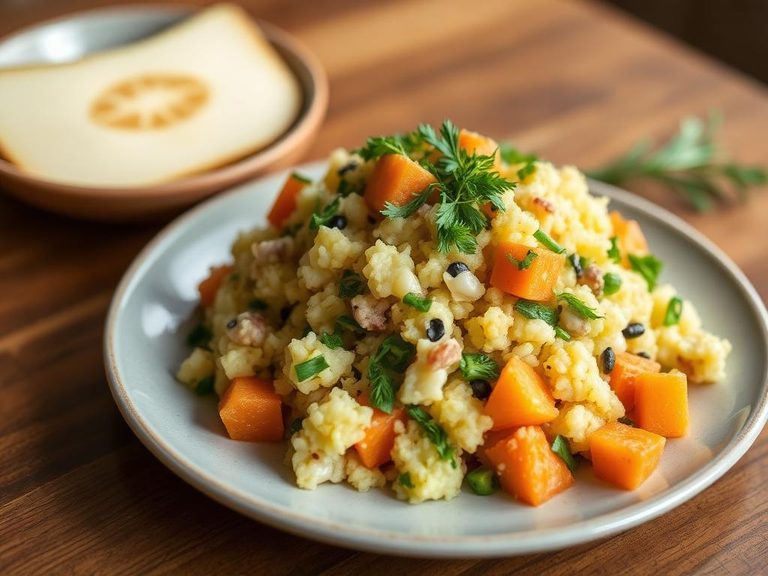
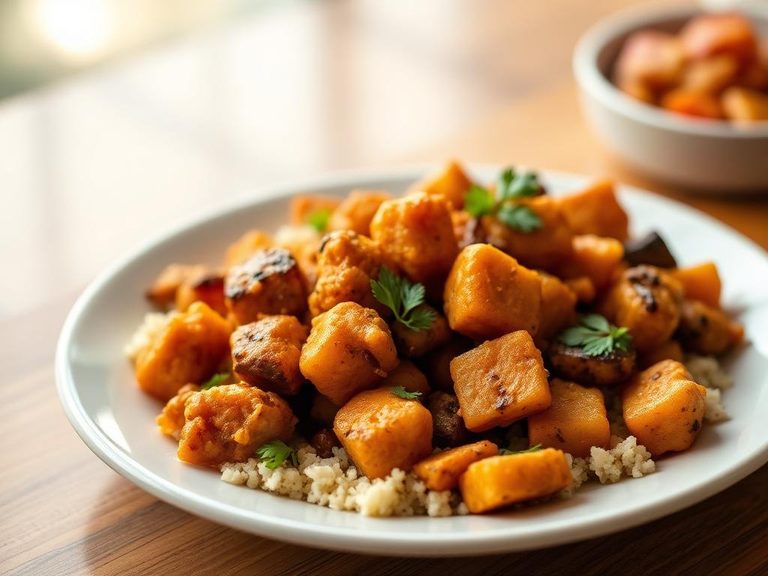
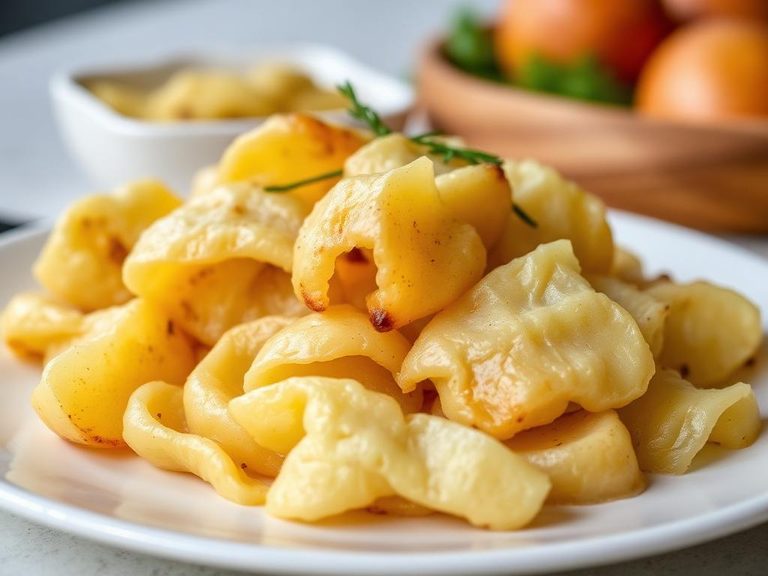
🍽️ Popular dishes
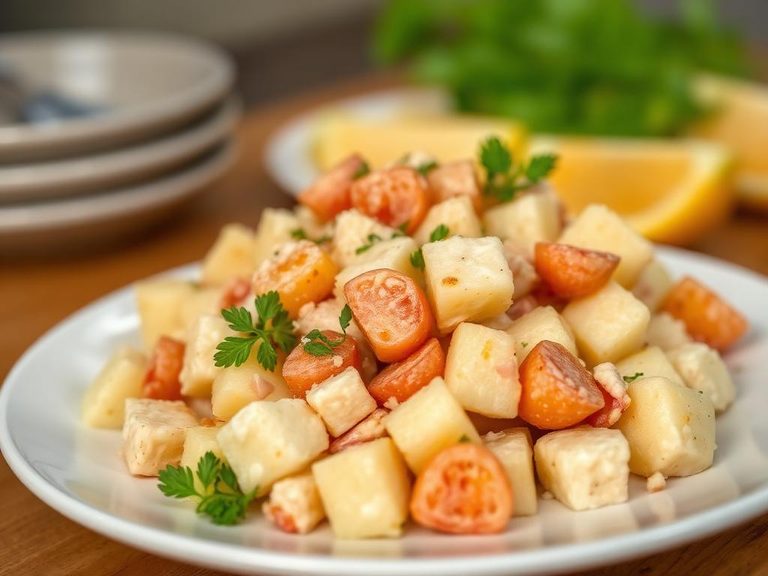
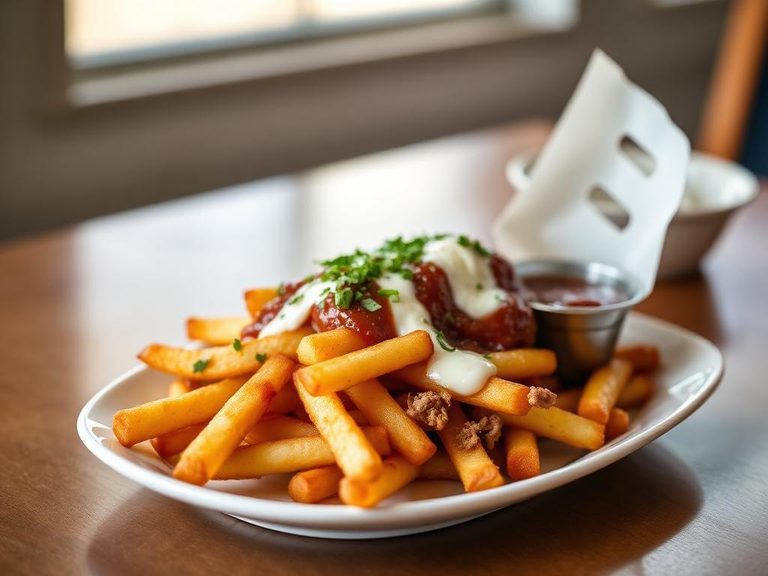
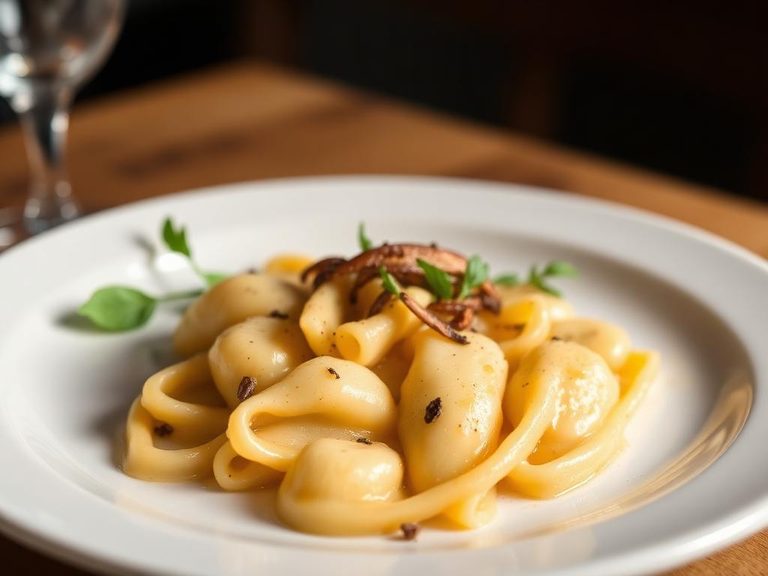
🌍 Where it's eaten
💡 Did you know?
Boiling potatoes with the skin on can help retain up to 50% more vitamin C compared to peeling them first, as the skin acts as a protective barrier.
Full nutrition (USDA data · scales with serving)
| Water | 77.8 g |
| Energy | 78.0 kcal |
| Energy | 327 kj |
| Protein | 2.9 g |
| Total lipid (fat) | 0.10 g |
| Ash | 2.0 g |
| Carbohydrate, by difference | 17.2 g |
| Fiber, total dietary | 3.3 g |
| Calcium, Ca | 45.0 mg |
| Iron, Fe | 6.1 mg |
| Magnesium, Mg | 30.0 mg |
| Phosphorus, P | 54.0 mg |
| Potassium, K | 407 mg |
| Sodium, Na | 250 mg |
| Zinc, Zn | 0.44 mg |
| Copper, Cu | 0.88 mg |
| Manganese, Mn | 1.3 mg |
| Selenium, Se | 0.30 ug |
| Vitamin C, total ascorbic acid | 5.2 mg |
| Thiamin | 0.03 mg |
| Riboflavin | 0.04 mg |
| Niacin | 1.2 mg |
| Pantothenic acid | 0.36 mg |
| Vitamin B-6 | 0.24 mg |
| Folate, total | 10.0 ug |
| Folic acid | 0.00 ug |
| Folate, food | 10.0 ug |
| Folate, DFE | 10.0 ug |
| Vitamin B-12 | 0.00 ug |
| Vitamin A, RAE | 0.00 ug |
| Retinol | 0.00 ug |
| Vitamin A, IU | 0.00 iu |
| Vitamin D (D2 + D3), International Units | 0.00 iu |
| Vitamin D (D2 + D3) | 0.00 ug |
Fat & fatty acid profile (per 100g)
| Fatty acids, total saturated | 0.03 g |
| SFA 10:0 | 0.00 g |
| SFA 12:0 | 0.00 g |
| SFA 14:0 | 0.00 g |
| SFA 16:0 | 0.02 g |
| SFA 18:0 | 0.00 g |
| Fatty acids, total monounsaturated | 0.00 g |
| MUFA 16:1 | 0.00 g |
| MUFA 18:1 | 0.00 g |
| Fatty acids, total polyunsaturated | 0.04 g |
| PUFA 18:2 | 0.03 g |
| PUFA 18:3 | 0.01 g |
| Fatty acids, total trans | 0.00 g |
| Cholesterol | 0.00 mg |
Amino acid profile (per 100g)
Estimated from Potatoes, french fried, all types, salt added in processing, frozen, unprepared — USDA does not publish this profile for Potatoes.
| Tryptophan | 0.02 g |
| Threonine | 0.08 g |
| Isoleucine | 0.08 g |
| Leucine | 0.13 g |
| Lysine | 0.13 g |
| Methionine | 0.04 g |
| Cystine | 0.04 g |
| Phenylalanine | 0.10 g |
| Tyrosine | 0.08 g |
| Valine | 0.12 g |
| Arginine | 0.13 g |
| Histidine | 0.05 g |
| Alanine | 0.09 g |
| Aspartic acid | 0.50 g |
| Glutamic acid | 0.40 g |
| Glycine | 0.07 g |
| Proline | 0.08 g |
| Serine | 0.10 g |
FAQ
Why boil potatoes with the skin on?
Boiling with the skin on helps retain more nutrients, especially water-soluble vitamins like vitamin C and B vitamins, and adds extra fiber and texture.
How do I prevent boiled potatoes from becoming mushy?
Start them in cold, salted water and bring to a gentle simmer. Avoid boiling vigorously, and test for doneness with a fork—it should slide in easily but not fall apart.
Are boiled potatoes good for weight loss?
They can be, as they are low in fat and high in fiber and water, which promote fullness. However, watch portion sizes and avoid loading them with high-calorie toppings like butter or sour cream.
Nutrient density (calculated · NRF9.3)
Nutrient Rich Foods index: beneficial nutrients (protein, fiber, vitamins, minerals) minus saturated fat, added sugar & sodium, per 100 kcal.
NRF9.3 index — Fulgoni, Keast & Drewnowski, 2009. Computed from USDA nutrients.
Weight-loss friendliness (composite index)
Energy density 0.78 kcal/g · 15% calories from protein · 3.3 g fiber · 0.0 g sugar per 100 g.
Composite of energy density (Rolls et al., 1999), protein & fiber satiety, minus sugar. A calculated heuristic — ranks satiety-per-calorie, not a clinical measure.
Dietary load (calculated from USDA values)
Potential renal acid load. Positive = acid-forming, negative = alkaline-forming.
Sodium-to-potassium ratio: 0.61 (lower is better — aim for ≤ 1)
Sodium:potassium per WHO potassium guidance. Computed from USDA nutrients.