

Pork, fresh, ground, raw
Whole food · Pork Products

Photo: Wikipedia
Fresh ground pork is the uncooked, minced meat from a pig, typically a blend of lean meat and fat that gives it a rich, savory flavor and a tender, juicy texture when cooked. Nutritionally, it's a powerhouse of complete protein and provides a significant amount of energy from its fat content, making it a foundational ingredient for hearty meals.
Calorie split: 26% protein · 0% carbs · 74% fat
↓ Full nutrition💚 Why it's loved
People love ground pork for its incredible versatility and deep, savory flavor that forms the base of countless comfort foods. It readily absorbs spices and seasonings, making it a canvas for cuisines around the world, from Italian ragù to Chinese dumplings.
⚠️ Watch-outs & how to enjoy it better
The primary downside is its high fat content, which can make dishes heavy and increase calorie density. To counteract this, choose leaner grinds (like 90/10), drain excess fat after browning, and pair it with high-fiber vegetables like cabbage, broccoli, or beans to create a more balanced meal.
Key benefits
- Excellent source of complete protein for muscle maintenance and growth.
- Provides essential B vitamins, particularly thiamine (B1) and B12, crucial for energy metabolism.
- Rich in minerals like zinc, selenium, and phosphorus, supporting immune function and bone health.
- High in monounsaturated fats, similar to those found in olive oil, when sourced from well-fed pigs.
🍽️ Popular dishes
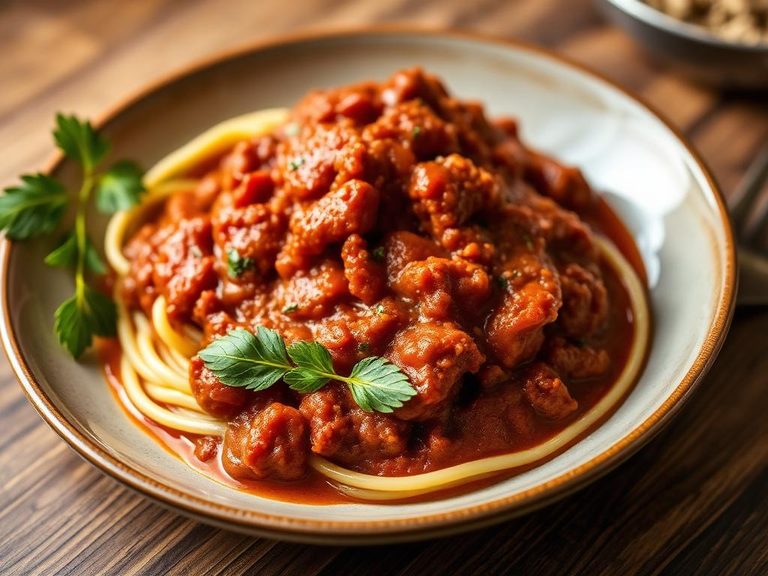


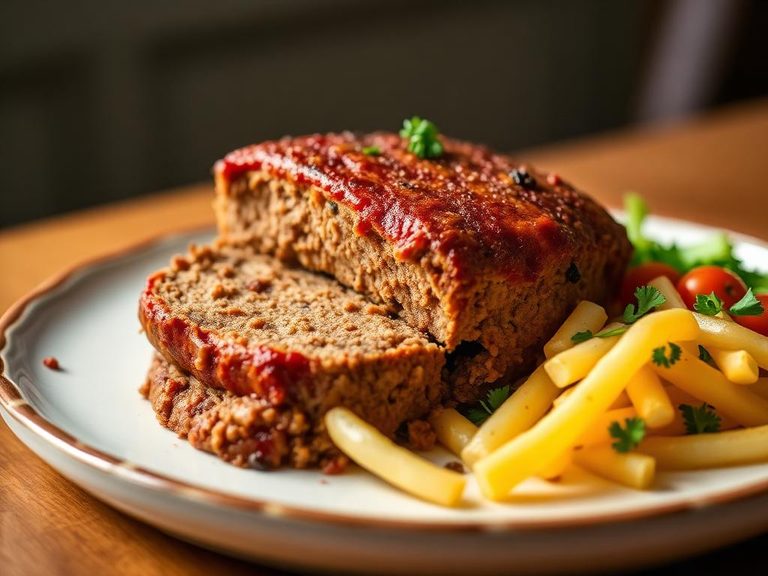


🌍 Where it's eaten
💡 Did you know?
The practice of grinding meat is relatively modern; before the 19th-century invention of the meat grinder, cooks had to painstakingly mince pork by hand with knives, a labor-intensive process that made ground meat dishes a luxury.
Full nutrition (USDA data · scales with serving)
| Water | 61.1 g |
| Energy | 263 kcal |
| Energy | 1100 kj |
| Protein | 16.9 g |
| Total lipid (fat) | 21.2 g |
| Ash | 0.87 g |
| Carbohydrate, by difference | 0.00 g |
| Fiber, total dietary | 0.00 g |
| Calcium, Ca | 14.0 mg |
| Iron, Fe | 0.88 mg |
| Magnesium, Mg | 19.0 mg |
| Phosphorus, P | 175 mg |
| Potassium, K | 287 mg |
| Sodium, Na | 56.0 mg |
| Zinc, Zn | 2.2 mg |
| Copper, Cu | 0.04 mg |
| Manganese, Mn | 0.01 mg |
| Selenium, Se | 24.6 ug |
| Vitamin C, total ascorbic acid | 0.70 mg |
| Thiamin | 0.73 mg |
| Riboflavin | 0.23 mg |
| Niacin | 4.3 mg |
| Pantothenic acid | 0.67 mg |
| Vitamin B-6 | 0.38 mg |
| Folate, total | 5.0 ug |
| Folic acid | 0.00 ug |
| Folate, food | 5.0 ug |
| Folate, DFE | 5.0 ug |
| Vitamin B-12 | 0.70 ug |
| Vitamin A, RAE | 2.0 ug |
| Retinol | 2.0 ug |
| Vitamin A, IU | 7.0 iu |
Fat & fatty acid profile (per 100g)
| Fatty acids, total saturated | 7.9 g |
| SFA 10:0 | 0.01 g |
| SFA 12:0 | 0.02 g |
| SFA 14:0 | 0.33 g |
| SFA 16:0 | 4.8 g |
| SFA 18:0 | 2.5 g |
| Fatty acids, total monounsaturated | 9.4 g |
| MUFA 16:1 | 0.65 g |
| MUFA 18:1 | 8.5 g |
| MUFA 20:1 | 0.16 g |
| Fatty acids, total polyunsaturated | 1.9 g |
| PUFA 18:2 | 1.7 g |
| PUFA 18:3 | 0.07 g |
| PUFA 20:4 | 0.08 g |
| Cholesterol | 72.0 mg |
Amino acid profile (per 100g)
| Tryptophan | 0.21 g |
| Threonine | 0.77 g |
| Isoleucine | 0.79 g |
| Leucine | 1.4 g |
| Lysine | 1.5 g |
| Methionine | 0.45 g |
| Cystine | 0.21 g |
| Phenylalanine | 0.67 g |
| Tyrosine | 0.59 g |
| Valine | 0.92 g |
| Arginine | 1.0 g |
| Histidine | 0.67 g |
| Alanine | 0.98 g |
| Aspartic acid | 1.6 g |
| Glutamic acid | 2.6 g |
| Glycine | 0.80 g |
| Proline | 0.68 g |
| Serine | 0.70 g |
FAQ
What's the difference between ground pork and sausage?
Ground pork is simply raw, minced pork with no added ingredients. Sausage is ground pork that has been pre-seasoned with salt, spices (like sage, fennel, or paprika), and sometimes other flavorings, ready to cook.
How do I know when ground pork is cooked through?
Use a meat thermometer for accuracy; it should reach an internal temperature of 160°F (71°C). Visually, it should no longer be pink, and the juices should run clear.
Can I substitute ground pork in recipes?
Yes, ground turkey, chicken, or beef are common substitutes. However, they will alter the flavor and fat content. For a similar richness, a 50/50 blend of ground pork and ground beef is often used in dishes like Bolognese.
Nutrient density (calculated · NRF9.3)
Nutrient Rich Foods index: beneficial nutrients (protein, fiber, vitamins, minerals) minus saturated fat, added sugar & sodium, per 100 kcal.
NRF9.3 index — Fulgoni, Keast & Drewnowski, 2009. Computed from USDA nutrients.
Weight-loss friendliness (composite index)
Energy density 2.63 kcal/g · 26% calories from protein · 0.0 g fiber · 0.0 g sugar per 100 g.
Composite of energy density (Rolls et al., 1999), protein & fiber satiety, minus sugar. A calculated heuristic — ranks satiety-per-calorie, not a clinical measure.
Dietary load (calculated from USDA values)
Potential renal acid load. Positive = acid-forming, negative = alkaline-forming.
Sodium-to-potassium ratio: 0.20 (lower is better — aim for ≤ 1)
Sodium:potassium per WHO potassium guidance. Computed from USDA nutrients.