

Peppers, sweet, green, canned, solids and liquids
Whole food · Vegetables and Vegetable Products

Photo: Wikipedia
This is the humble, vibrant green bell pepper, preserved in a can with its own savory juices. The canning process softens its crisp bite into a tender, slightly chewy texture while mellowing its raw, grassy flavor into a sweeter, more concentrated taste. Nutritionally, it's a low-calorie, high-fiber addition to meals, packing a surprising amount of vitamin C even after processing.
Calorie split: 15% protein · 73% carbs · 13% fat
↓ Full nutrition💚 Why it's loved
People love it for its incredible convenience and sweet, savory depth that instantly enhances stews, casseroles, and stir-fries. It's a pantry staple that delivers a consistent, comforting pepper flavor without any chopping or cooking time.
⚠️ Watch-outs & how to enjoy it better
The canning process can lead to a softer texture some find mushy, and the brine may contain added sodium. To counteract this, rinse the slices under water to reduce sodium by up to 40%, and consider adding them later in cooking to preserve some bite. Pairing with a protein like beans or chicken balances the meal.
Key benefits
- Excellent low-calorie, high-volume ingredient for adding bulk to dishes.
- Good source of dietary fiber for digestive health.
- Retains significant vitamin C, a key antioxidant.
- Provides a convenient, pre-cooked vegetable for quick meal prep.
- Naturally fat-free and cholesterol-free.
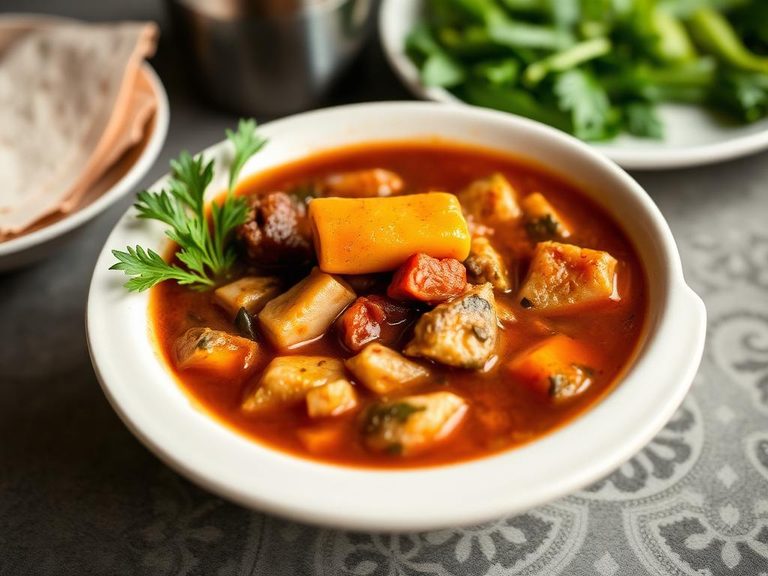
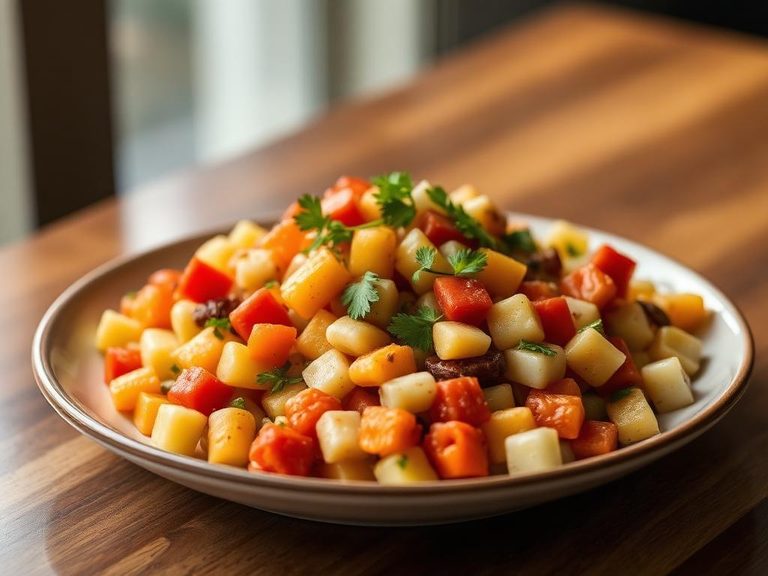
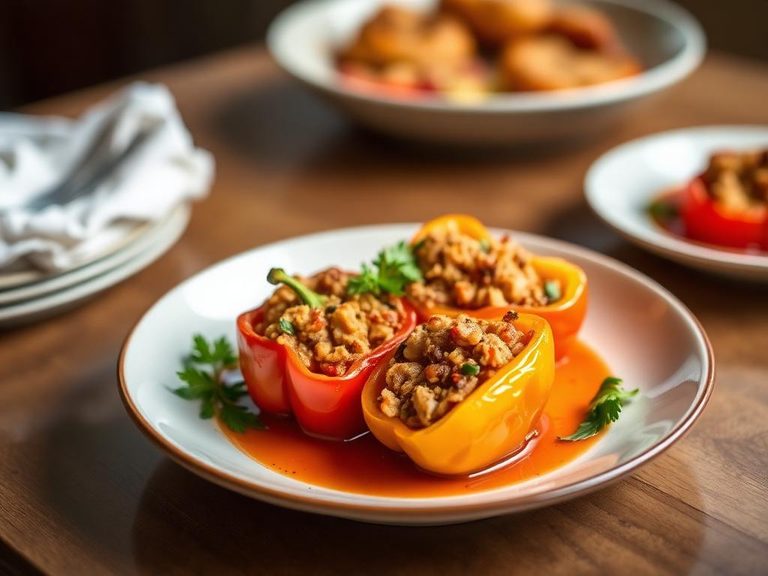
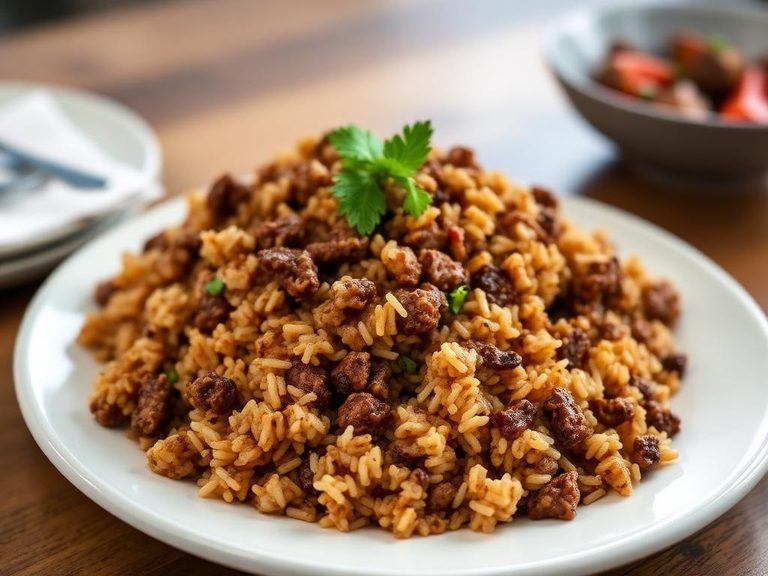
🍽️ Popular dishes

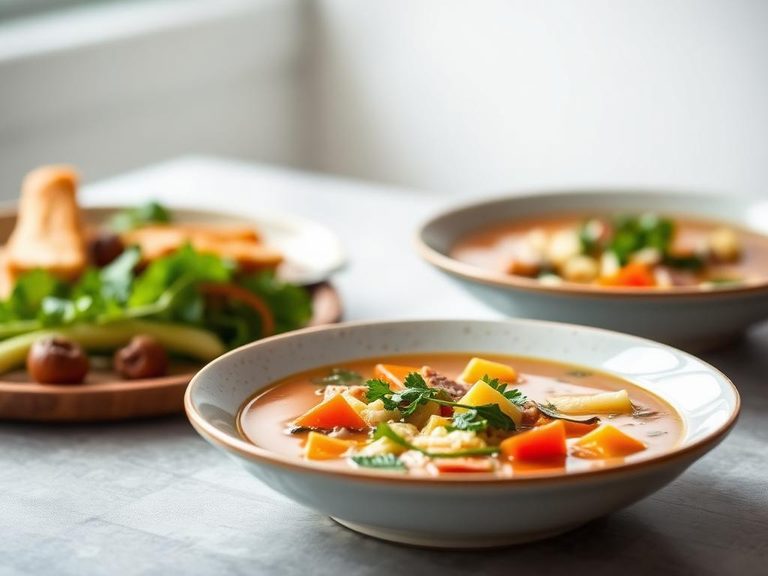
🌍 Where it's eaten
💡 Did you know?
The canning process for sweet peppers was perfected in the early 20th century, making this once-seasonal summer vegetable a year-round staple in American pantries and a key ingredient in iconic dishes like New Orleans gumbo.
Full nutrition (USDA data · scales with serving)
| Water | 91.3 g |
| Energy | 18.0 kcal |
| Energy | 75.0 kj |
| Protein | 0.80 g |
| Total lipid (fat) | 0.30 g |
| Ash | 3.8 g |
| Carbohydrate, by difference | 3.9 g |
| Fiber, total dietary | 1.2 g |
| Calcium, Ca | 41.0 mg |
| Iron, Fe | 0.80 mg |
| Magnesium, Mg | 11.0 mg |
| Phosphorus, P | 20.0 mg |
| Potassium, K | 146 mg |
| Sodium, Na | 1369 mg |
| Zinc, Zn | 0.18 mg |
| Copper, Cu | 0.13 mg |
| Manganese, Mn | 0.16 mg |
| Selenium, Se | 0.30 ug |
| Vitamin C, total ascorbic acid | 46.5 mg |
| Thiamin | 0.03 mg |
| Riboflavin | 0.03 mg |
| Niacin | 0.55 mg |
| Pantothenic acid | 0.04 mg |
| Vitamin B-6 | 0.18 mg |
| Folate, total | 16.0 ug |
| Folic acid | 0.00 ug |
| Folate, food | 16.0 ug |
| Folate, DFE | 16.0 ug |
| Vitamin B-12 | 0.00 ug |
| Vitamin A, RAE | 8.0 ug |
| Retinol | 0.00 ug |
| Vitamin A, IU | 155 iu |
| Vitamin D (D2 + D3), International Units | 0.00 iu |
| Vitamin D (D2 + D3) | 0.00 ug |
Fat & fatty acid profile (per 100g)
| Fatty acids, total saturated | 0.04 g |
| SFA 12:0 | 0.00 g |
| SFA 14:0 | 0.00 g |
| SFA 16:0 | 0.03 g |
| SFA 18:0 | 0.01 g |
| Fatty acids, total monounsaturated | 0.02 g |
| MUFA 16:1 | 0.00 g |
| MUFA 18:1 | 0.02 g |
| Fatty acids, total polyunsaturated | 0.16 g |
| PUFA 18:2 | 0.15 g |
| PUFA 18:3 | 0.01 g |
| Fatty acids, total trans | 0.00 g |
| Cholesterol | 0.00 mg |
Amino acid profile (per 100g)
| Tryptophan | 0.01 g |
| Threonine | 0.03 g |
| Isoleucine | 0.03 g |
| Leucine | 0.04 g |
| Lysine | 0.04 g |
| Methionine | 0.01 g |
| Cystine | 0.01 g |
| Phenylalanine | 0.03 g |
| Tyrosine | 0.02 g |
| Valine | 0.03 g |
| Arginine | 0.04 g |
| Histidine | 0.02 g |
| Alanine | 0.03 g |
| Aspartic acid | 0.11 g |
| Glutamic acid | 0.11 g |
| Glycine | 0.03 g |
| Proline | 0.04 g |
| Serine | 0.03 g |
FAQ
Are canned green peppers as nutritious as fresh?
They retain most of their fiber, vitamin A, and vitamin C, though some water-soluble vitamins may leach into the canning liquid. Using the liquid in your cooking helps capture those nutrients.
What's the difference between canned green and red peppers?
Green peppers are unripe, so they have a more bitter, grassy flavor. Red peppers are fully ripe, sweeter, and higher in vitamins A and C. Canned versions reflect these inherent taste differences.
How can I improve the texture of canned peppers?
For dishes where you want more bite, add them in the last 10-15 minutes of cooking. For a drier texture, drain and pat them dry with a paper towel before adding to stir-fries or casseroles.
Nutrient density (calculated · NRF9.3)
Nutrient Rich Foods index: beneficial nutrients (protein, fiber, vitamins, minerals) minus saturated fat, added sugar & sodium, per 100 kcal.
NRF9.3 index — Fulgoni, Keast & Drewnowski, 2009. Computed from USDA nutrients.
Weight-loss friendliness (composite index)
Energy density 0.18 kcal/g · 18% calories from protein · 1.2 g fiber · 0.0 g sugar per 100 g.
Composite of energy density (Rolls et al., 1999), protein & fiber satiety, minus sugar. A calculated heuristic — ranks satiety-per-calorie, not a clinical measure.
Dietary load (calculated from USDA values)
Potential renal acid load. Positive = acid-forming, negative = alkaline-forming.
Sodium-to-potassium ratio: 9.38 (lower is better — aim for ≤ 1)
Sodium:potassium per WHO potassium guidance. Computed from USDA nutrients.