

Pasta, homemade, made with egg, cooked
Whole food · Cereal Grains and Pasta
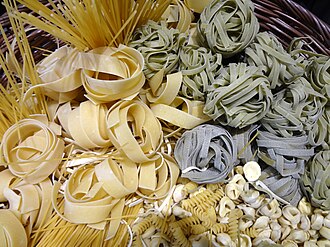
Photo: Wikipedia
Homemade egg pasta is a golden, tender noodle with a rich, savory flavor and a satisfying, slightly chewy texture that store-bought versions rarely match. Its simple, wholesome ingredients—flour and egg—create a comforting base that absorbs sauces beautifully. Nutritionally, it's a solid source of protein and carbohydrates, offering a balanced energy boost without added sugars or fiber.
Calorie split: 16% protein · 72% carbs · 12% fat
↓ Full nutrition💚 Why it's loved
People adore homemade egg pasta for its unparalleled fresh taste and luxurious texture, which elevate simple sauces to gourmet levels. It's a cornerstone of comfort food across cultures, symbolizing care and tradition in the kitchen.
⚠️ Watch-outs & how to enjoy it better
Its high carbohydrate content and lack of fiber can lead to blood-sugar spikes if eaten alone or in large portions. To counteract this, pair it with a protein (like chicken or beans) and a healthy fat (like olive oil or cheese), and consider adding a side of non-starchy vegetables. It also contains gluten and eggs, common allergens that some must avoid.
Key benefits
- High-quality protein from eggs supports muscle maintenance.
- Provides a quick, sustained energy source from complex carbohydrates.
- Versatile base for countless nutritious meals.
- Contains essential nutrients like iron and B vitamins from enriched flour and eggs.
- Free from added sugars and fiber, making it easy to digest for many.
🍽️ Popular dishes
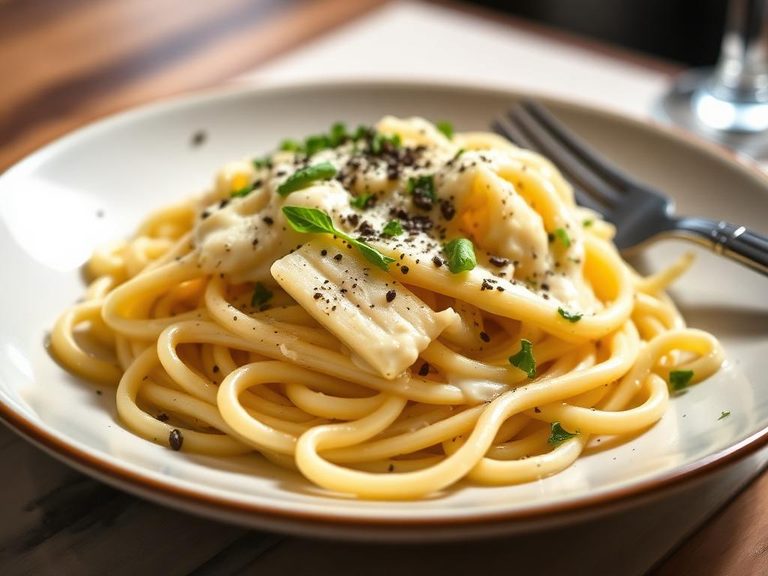
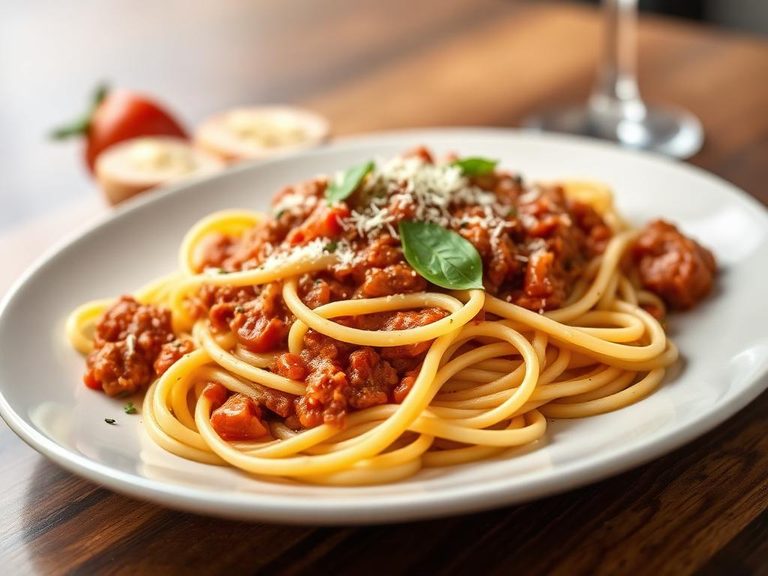
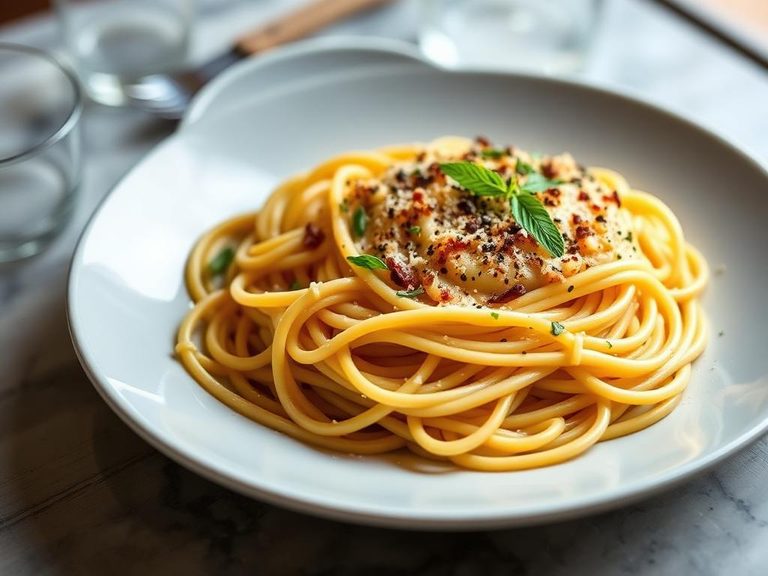
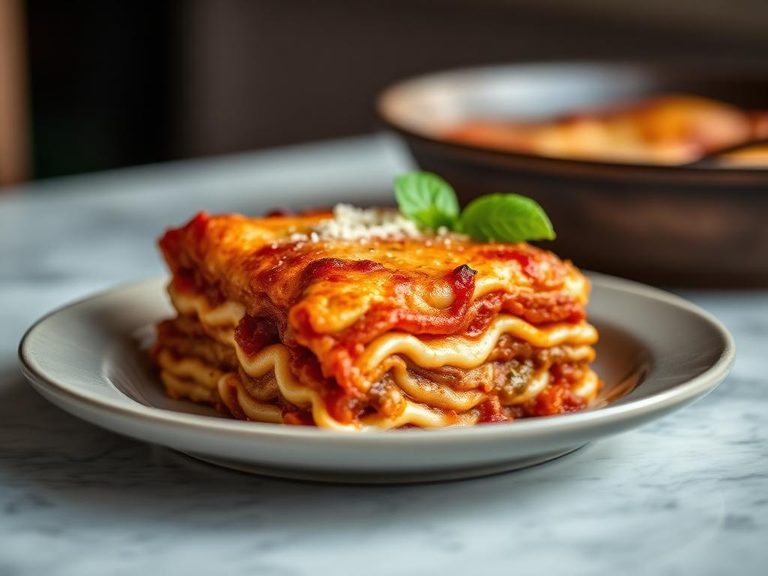
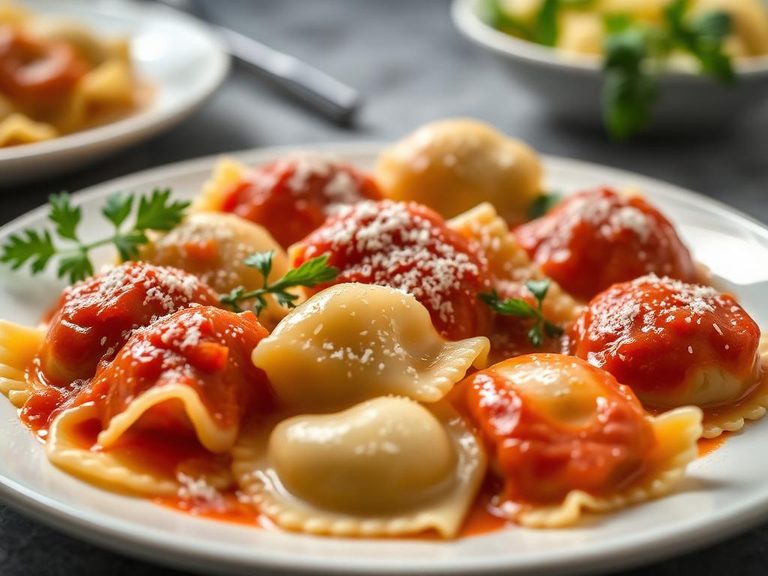
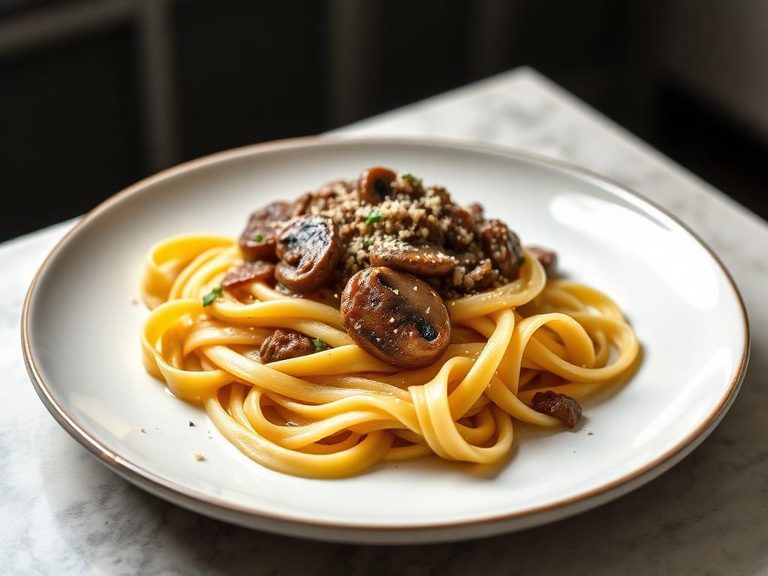
🌍 Where it's eaten
💡 Did you know?
The word 'pasta' comes from the Italian for 'paste' or 'dough,' but the earliest known pasta recipes were actually for a baked dish, not boiled noodles.
Full nutrition (USDA data · scales with serving)
| Water | 68.7 g |
| Energy | 130 kcal |
| Energy | 544 kj |
| Protein | 5.3 g |
| Total lipid (fat) | 1.7 g |
| Ash | 0.73 g |
| Carbohydrate, by difference | 23.5 g |
| Calcium, Ca | 10.0 mg |
| Iron, Fe | 1.2 mg |
| Magnesium, Mg | 14.0 mg |
| Phosphorus, P | 52.0 mg |
| Potassium, K | 21.0 mg |
| Sodium, Na | 83.0 mg |
| Zinc, Zn | 0.44 mg |
| Copper, Cu | 0.06 mg |
| Manganese, Mn | 0.18 mg |
| Vitamin C, total ascorbic acid | 0.00 mg |
| Thiamin | 0.17 mg |
| Riboflavin | 0.17 mg |
| Niacin | 1.3 mg |
| Pantothenic acid | 0.23 mg |
| Vitamin B-6 | 0.04 mg |
| Folate, total | 43.0 ug |
| Folic acid | 24.0 ug |
| Folate, food | 19.0 ug |
| Folate, DFE | 60.0 ug |
| Vitamin B-12 | 0.10 ug |
| Vitamin A, RAE | 17.0 ug |
| Retinol | 17.0 ug |
| Vitamin A, IU | 58.0 iu |
Fat & fatty acid profile (per 100g)
| Fatty acids, total saturated | 0.41 g |
| SFA 8:0 | 0.00 g |
| SFA 10:0 | 0.00 g |
| SFA 12:0 | 0.00 g |
| SFA 14:0 | 0.00 g |
| SFA 16:0 | 0.30 g |
| SFA 18:0 | 0.10 g |
| Fatty acids, total monounsaturated | 0.51 g |
| MUFA 16:1 | 0.03 g |
| MUFA 18:1 | 0.47 g |
| MUFA 20:1 | 0.00 g |
| MUFA 22:1 | 0.00 g |
| Fatty acids, total polyunsaturated | 0.52 g |
| PUFA 18:2 | 0.46 g |
| PUFA 18:3 | 0.04 g |
| PUFA 20:4 | 0.01 g |
| PUFA 20:5 n-3 (EPA) | 0.00 g |
| PUFA 22:6 n-3 (DHA) | 0.00 g |
| Cholesterol | 41.0 mg |
| Phytosterols | 1.0 mg |
Amino acid profile (per 100g)
| Tryptophan | 0.07 g |
| Threonine | 0.17 g |
| Isoleucine | 0.22 g |
| Leucine | 0.38 g |
| Lysine | 0.17 g |
| Methionine | 0.10 g |
| Cystine | 0.14 g |
| Phenylalanine | 0.26 g |
| Tyrosine | 0.16 g |
| Valine | 0.25 g |
| Arginine | 0.22 g |
| Histidine | 0.11 g |
| Alanine | 0.19 g |
| Aspartic acid | 0.29 g |
| Glutamic acid | 1.6 g |
| Glycine | 0.17 g |
| Proline | 0.50 g |
| Serine | 0.28 g |
FAQ
How is homemade egg pasta different from dried pasta?
Homemade egg pasta uses fresh eggs, giving it a richer flavor, more tender texture, and a golden color. Dried pasta typically uses only semolina and water, resulting in a firmer bite and longer shelf life.
Why is homemade pasta higher in protein than regular pasta?
The significant protein content comes from the eggs, which are a primary ingredient. Regular dried pasta is usually made without eggs, relying solely on wheat protein.
Can I freeze homemade egg pasta?
Yes, you can freeze it either fresh or cooked. For fresh pasta, dust it with flour, freeze on a tray, then transfer to a bag. Cook directly from frozen, adding a minute to the boiling time.
Nutrient density (calculated · NRF9.3)
Nutrient Rich Foods index: beneficial nutrients (protein, fiber, vitamins, minerals) minus saturated fat, added sugar & sodium, per 100 kcal.
NRF9.3 index — Fulgoni, Keast & Drewnowski, 2009. Computed from USDA nutrients.
Weight-loss friendliness (composite index)
Energy density 1.30 kcal/g · 16% calories from protein · 0.0 g fiber · 0.0 g sugar per 100 g.
Composite of energy density (Rolls et al., 1999), protein & fiber satiety, minus sugar. A calculated heuristic — ranks satiety-per-calorie, not a clinical measure.
Dietary load (calculated from USDA values)
Potential renal acid load. Positive = acid-forming, negative = alkaline-forming.
Sodium-to-potassium ratio: 3.95 (lower is better — aim for ≤ 1)
Sodium:potassium per WHO potassium guidance. Computed from USDA nutrients.