

Mushroom, lion's mane
Whole food · Vegetables and Vegetable Products

Photo: Wikipedia
Lion's mane is a large, white, globe-shaped mushroom with cascading, icicle-like spines that resemble a lion's mane. When cooked, it develops a tender, meaty texture often compared to crab or lobster, with a mild, sweet, and slightly savory flavor. Nutritionally, it is a low-calorie, low-fat source of protein and carbohydrates, providing a unique umami boost without significant fiber or sugar.
Calorie split: 23% protein · 71% carbs · 5% fat
↓ Full nutrition💚 Why it's loved
People love lion's mane for its remarkable ability to mimic the texture and savory flavor of seafood, making it a prized ingredient in vegetarian and vegan cooking. Its versatility in absorbing flavors and its unique, striking appearance also make it a favorite in gourmet and health-conscious kitchens.
⚠️ Watch-outs & how to enjoy it better
Some individuals may experience digestive discomfort, such as bloating or gas, when first trying lion's mane, especially in large quantities. To mitigate this, start with a small portion, cook it thoroughly to break down tough fibers, and pair it with easily digestible foods like steamed rice or light broths.
Key benefits
- Low in calories and fat
- Good source of plant-based protein
- Contains bioactive compounds like hericenones and erinacines
- May support cognitive and nervous system health
- Provides antioxidants and anti-inflammatory properties
🍽️ Popular dishes
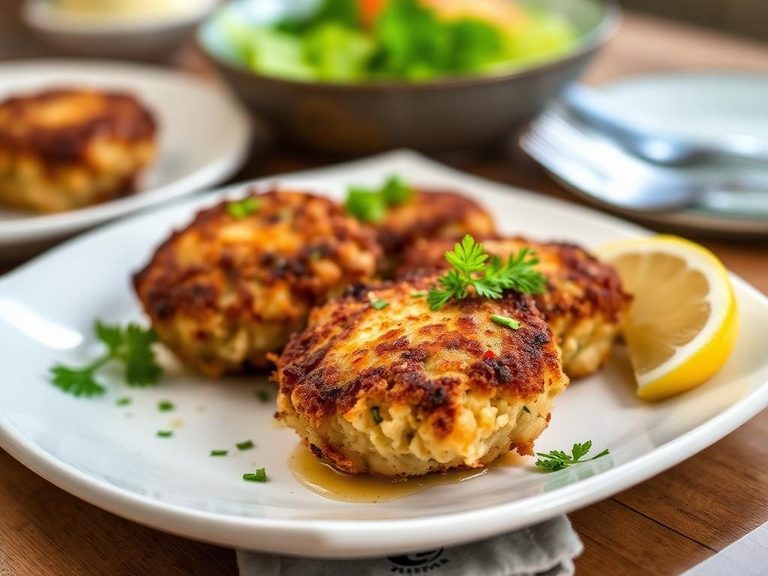
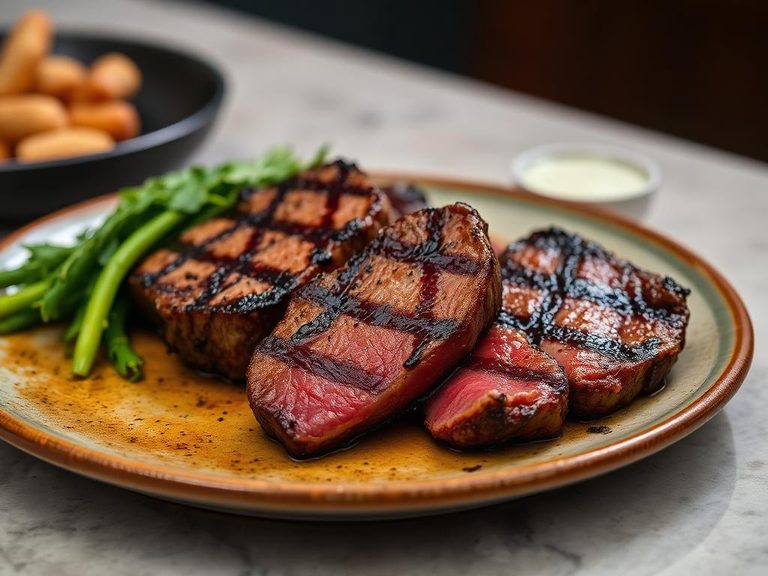
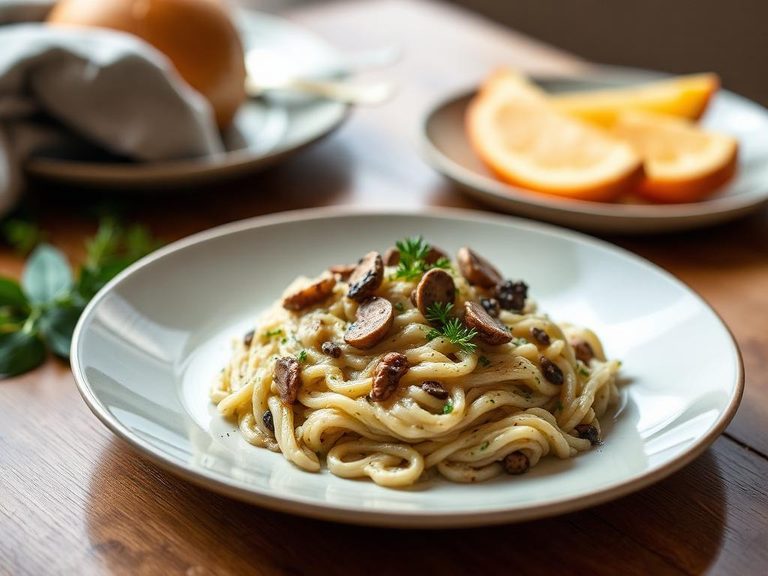
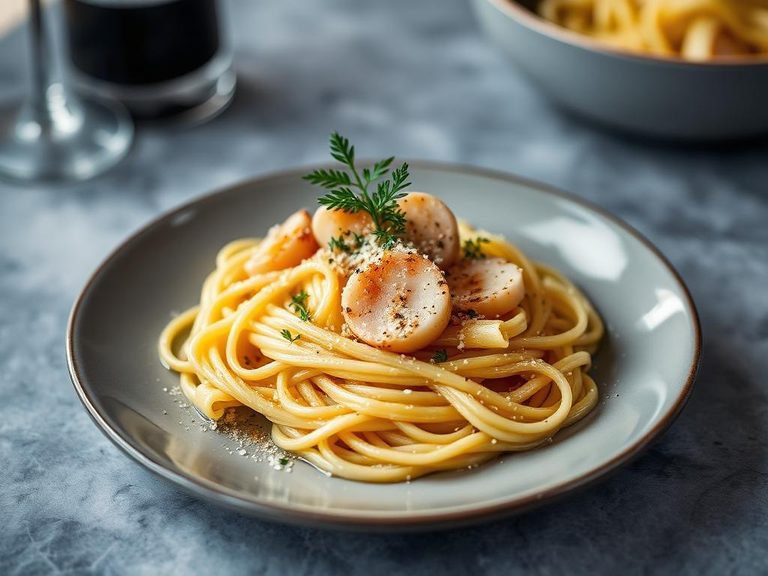
🌍 Where it's eaten
💡 Did you know?
Lion's mane is one of the few mushrooms that can be eaten raw, though cooking is recommended to enhance its flavor and digestibility.
Full nutrition (USDA data · scales with serving)
| Water | 88.6 g |
| Energy (Atwater General Factors) | 42.7 kcal |
| Energy (Atwater Specific Factors) | 35.1 kcal |
| Nitrogen | 0.40 g |
| Protein | 2.5 g |
| Total lipid (fat) | 0.26 g |
| Ash | 1.1 g |
| Carbohydrate, by difference | 7.6 g |
| Calcium, Ca | 0.00 mg |
| Iron, Fe | 0.69 mg |
| Magnesium, Mg | 11.7 mg |
| Phosphorus, P | 94.0 mg |
| Potassium, K | 443 mg |
| Sodium, Na | 0.34 mg |
| Zinc, Zn | 0.74 mg |
| Copper, Cu | 0.18 mg |
| Manganese, Mn | 0.18 mg |
| Selenium, Se | 1.8 ug |
| Thiamin | 0.15 mg |
| Niacin | 1.6 mg |
| Vitamin B-6 | 0.07 mg |
| Biotin | 16.9 ug |
| Folate, total | 29.6 ug |
Fat & fatty acid profile (per 100g)
Estimated from Mushrooms, brown, italian, or crimini, raw — USDA does not publish this profile for Mushroom.
| Fatty acids, total saturated | 0.01 g |
| SFA 4:0 | 0.00 g |
| SFA 6:0 | 0.00 g |
| SFA 8:0 | 0.00 g |
| SFA 10:0 | 0.00 g |
| SFA 12:0 | 0.00 g |
| SFA 14:0 | 0.00 g |
| SFA 16:0 | 0.01 g |
| SFA 18:0 | 0.00 g |
| Fatty acids, total monounsaturated | 0.00 g |
| MUFA 16:1 | 0.00 g |
| MUFA 18:1 | 0.00 g |
| MUFA 20:1 | 0.00 g |
| MUFA 22:1 | 0.00 g |
| Fatty acids, total polyunsaturated | 0.04 g |
| PUFA 18:2 | 0.04 g |
| PUFA 18:3 | 0.00 g |
| PUFA 18:4 | 0.00 g |
| PUFA 20:4 | 0.00 g |
| PUFA 20:5 n-3 (EPA) | 0.00 g |
| PUFA 22:5 n-3 (DPA) | 0.00 g |
| PUFA 22:6 n-3 (DHA) | 0.00 g |
| Fatty acids, total trans | 0.00 g |
| Cholesterol | 0.00 mg |
| Stigmasterol | 0.00 mg |
| Campesterol | 2.0 mg |
| Beta-sitosterol | 0.00 mg |
Amino acid profile (per 100g)
Estimated from Mushrooms, brown, italian, or crimini, raw — USDA does not publish this profile for Mushroom.
| Tryptophan | 0.06 g |
| Threonine | 0.11 g |
| Isoleucine | 0.10 g |
| Leucine | 0.15 g |
| Lysine | 0.25 g |
| Methionine | 0.05 g |
| Cystine | 0.01 g |
| Phenylalanine | 0.10 g |
| Tyrosine | 0.05 g |
| Valine | 0.12 g |
| Arginine | 0.12 g |
| Histidine | 0.07 g |
| Alanine | 0.19 g |
| Aspartic acid | 0.23 g |
| Glutamic acid | 0.43 g |
| Glycine | 0.11 g |
| Proline | 0.18 g |
| Serine | 0.11 g |
FAQ
What does lion's mane taste like?
Lion's mane has a mild, sweet, and savory flavor often compared to crab or lobster, with a tender, meaty texture when cooked.
How do I cook lion's mane mushroom?
It's best cooked by pan-searing, sautéing, or roasting to develop its texture and flavor. Avoid overcooking to prevent it from becoming rubbery.
Is lion's mane safe for everyone?
While generally safe, some people may experience mild digestive upset. Those on blood-thinning medications should consult a doctor due to potential interactions.
Nutrient density (calculated · NRF9.3)
Nutrient Rich Foods index: beneficial nutrients (protein, fiber, vitamins, minerals) minus saturated fat, added sugar & sodium, per 100 kcal.
NRF9.3 index — Fulgoni, Keast & Drewnowski, 2009. Computed from USDA nutrients.
Weight-loss friendliness (composite index)
Energy density 0.43 kcal/g · 23% calories from protein · 0.0 g fiber · 0.0 g sugar per 100 g.
Composite of energy density (Rolls et al., 1999), protein & fiber satiety, minus sugar. A calculated heuristic — ranks satiety-per-calorie, not a clinical measure.
Dietary load (calculated from USDA values)
Potential renal acid load. Positive = acid-forming, negative = alkaline-forming.
Sodium-to-potassium ratio: 0.00 (lower is better — aim for ≤ 1)
Sodium:potassium per WHO potassium guidance. Computed from USDA nutrients.