

Millet, raw
Whole food · Cereal Grains and Pasta

Photo: Wikipedia
Millet is a tiny, golden-yellow ancient grain with a mild, slightly nutty flavor and a texture that can range from fluffy and separate to creamy and porridge-like depending on how it's cooked. It's a nutritional powerhouse, offering a substantial 8.5g of fiber per 100g alongside a solid protein profile, making it a satisfying and energy-dense staple. This gluten-free seed is a cornerstone of food security for millions across the globe.
Calorie split: 12% protein · 78% carbs · 10% fat
↓ Full nutrition💚 Why it's loved
People love millet for its incredible versatility and comforting, earthy taste that acts as a blank canvas for both savory and sweet dishes. It's cherished in many cultures as a symbol of sustenance and resilience, often being the first grain fed to infants due to its digestibility.
⚠️ Watch-outs & how to enjoy it better
As a high-carb grain, it can cause blood sugar spikes if eaten in large, isolated portions, especially when polished and cooked into a soft porridge. To counteract this, pair it with protein (like lentils or yogurt) and healthy fats (like ghee or nuts), and opt for whole, less-processed forms cooked al dente. Some varieties contain anti-nutrients like phytic acid; soaking or fermenting the grains before cooking can improve mineral absorption.
Key benefits
- Excellent source of dietary fiber for digestive health.
- Rich in magnesium and phosphorus, supporting bone and muscle function.
- Naturally gluten-free, making it a safe grain for celiac disease or gluten sensitivity.
- Contains antioxidants like ferulic acid and catechins.
- Provides sustained energy due to its complex carbohydrate profile.
🍽️ Popular dishes
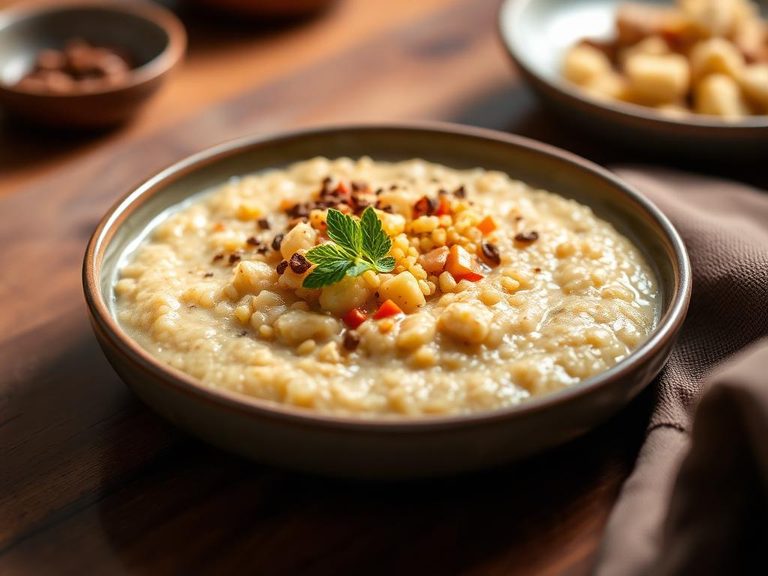 Millet Porridge (a common breakfast across Africa and Asia)
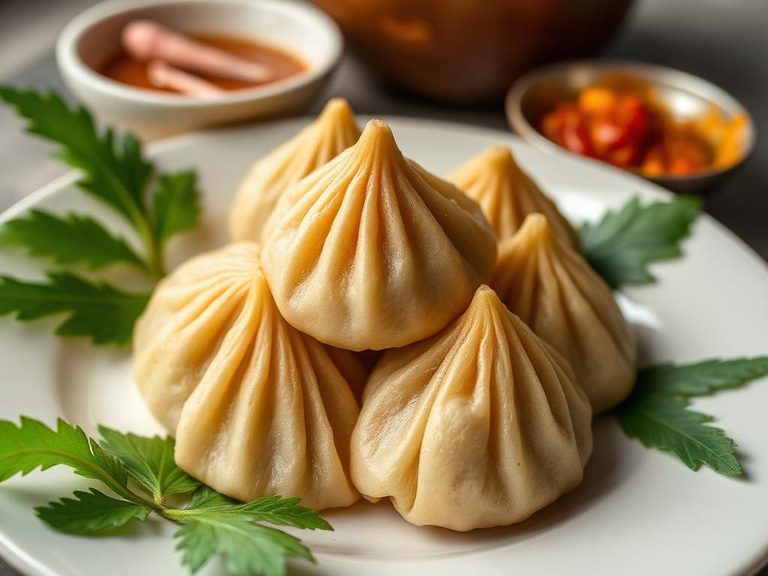 Kodo ko Dhido (a traditional Nepali staple)
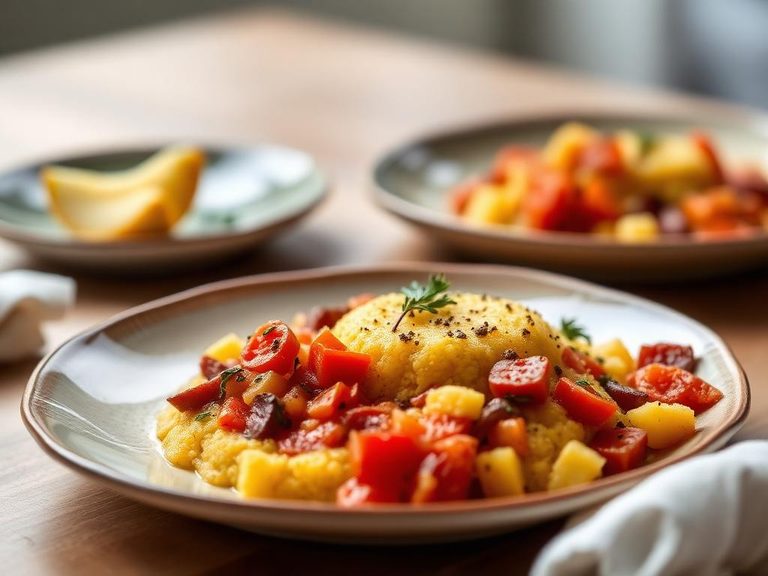 Millet Polenta (an Italian alternative to corn polenta)
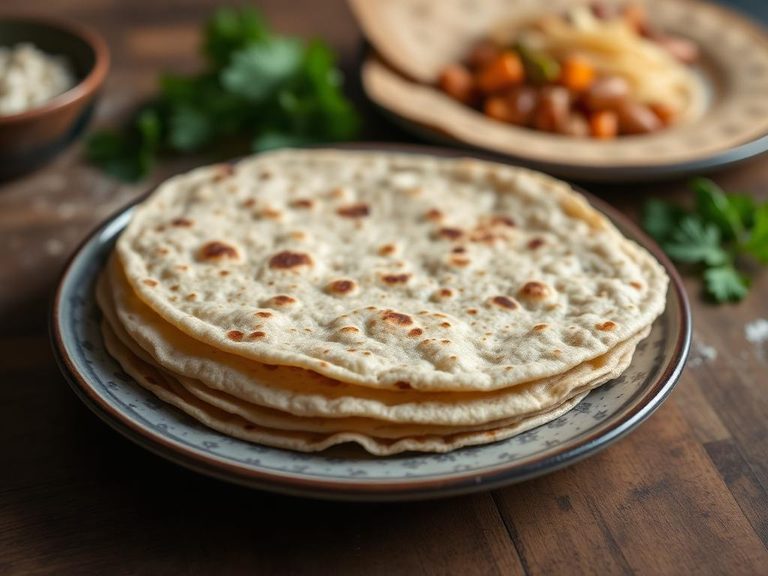 Jowar Roti (a flatbread from India, though often sorghum, millet is common)
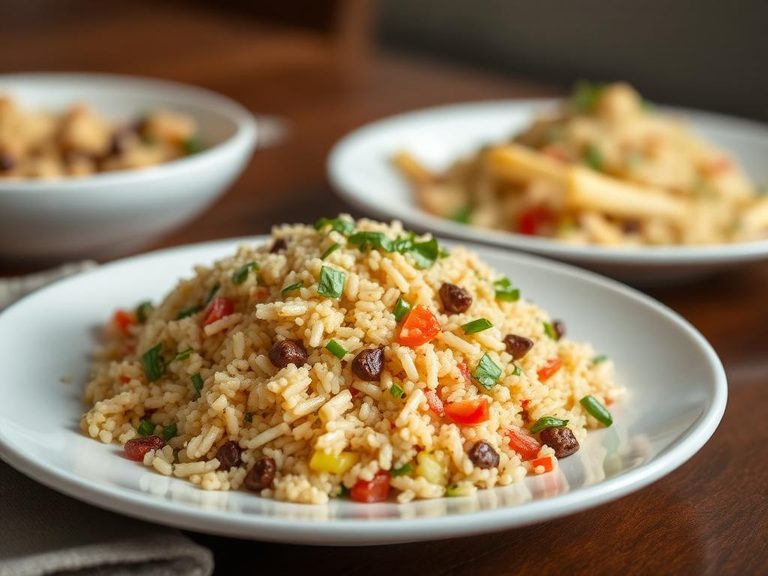 Millet Pilaf or Salad (a modern, nutritious side dish)
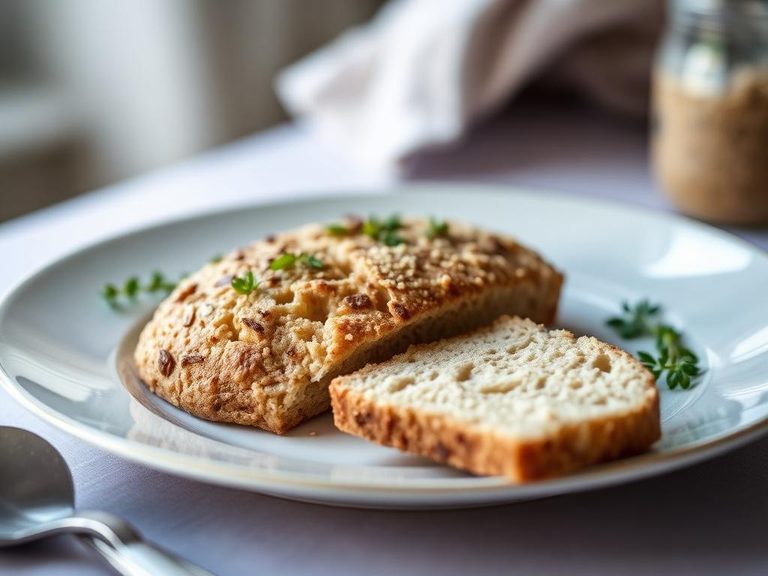 Hiraeth (a Welsh millet bread)
🌍 Where it's eaten
💡 Did you know?
Archaeological evidence suggests millet was among the first domesticated plants in the world, cultivated in China's Yellow River valley over 10,000 years ago, predating rice in the region.
Full nutrition (USDA data · scales with serving)
| Water | 8.7 g |
| Energy | 378 kcal |
| Energy | 1582 kj |
| Protein | 11.0 g |
| Total lipid (fat) | 4.2 g |
| Ash | 3.3 g |
| Carbohydrate, by difference | 72.8 g |
| Fiber, total dietary | 8.5 g |
| Calcium, Ca | 8.0 mg |
| Iron, Fe | 3.0 mg |
| Magnesium, Mg | 114 mg |
| Phosphorus, P | 285 mg |
| Potassium, K | 195 mg |
| Sodium, Na | 5.0 mg |
| Zinc, Zn | 1.7 mg |
| Copper, Cu | 0.75 mg |
| Manganese, Mn | 1.6 mg |
| Selenium, Se | 2.7 ug |
| Vitamin C, total ascorbic acid | 0.00 mg |
| Thiamin | 0.42 mg |
| Riboflavin | 0.29 mg |
| Niacin | 4.7 mg |
| Pantothenic acid | 0.85 mg |
| Vitamin B-6 | 0.38 mg |
| Folate, total | 85.0 ug |
| Folic acid | 0.00 ug |
| Folate, food | 85.0 ug |
| Folate, DFE | 85.0 ug |
| Vitamin B-12 | 0.00 ug |
| Vitamin A, RAE | 0.00 ug |
| Retinol | 0.00 ug |
| Vitamin A, IU | 0.00 iu |
| Vitamin E (alpha-tocopherol) | 0.05 mg |
| Vitamin D (D2 + D3), International Units | 0.00 iu |
| Vitamin D (D2 + D3) | 0.00 ug |
| Vitamin K (phylloquinone) | 0.90 ug |
Fat & fatty acid profile (per 100g)
| Fatty acids, total saturated | 0.72 g |
| SFA 12:0 | 0.00 g |
| SFA 16:0 | 0.53 g |
| SFA 18:0 | 0.15 g |
| Fatty acids, total monounsaturated | 0.77 g |
| MUFA 16:1 | 0.01 g |
| MUFA 18:1 | 0.74 g |
| MUFA 20:1 | 0.02 g |
| Fatty acids, total polyunsaturated | 2.1 g |
| PUFA 18:2 | 2.0 g |
| PUFA 18:3 | 0.12 g |
| Cholesterol | 0.00 mg |
Amino acid profile (per 100g)
| Tryptophan | 0.12 g |
| Threonine | 0.35 g |
| Isoleucine | 0.47 g |
| Leucine | 1.4 g |
| Lysine | 0.21 g |
| Methionine | 0.22 g |
| Cystine | 0.21 g |
| Phenylalanine | 0.58 g |
| Tyrosine | 0.34 g |
| Valine | 0.58 g |
| Arginine | 0.38 g |
| Histidine | 0.24 g |
| Alanine | 0.99 g |
| Aspartic acid | 0.73 g |
| Glutamic acid | 2.4 g |
| Glycine | 0.29 g |
| Proline | 0.88 g |
| Serine | 0.64 g |
FAQ
What's the difference between millet and couscous?
Millet is a whole grain seed from a grass plant, while couscous is a type of tiny pasta made from semolina wheat. Millet is gluten-free; traditional couscous is not.
How do I cook millet to be fluffy, not mushy?
Use a 1:2 ratio of millet to liquid (water or broth). Toast the dry millet in a pot first for nuttiness, then add liquid, bring to a boil, cover, reduce heat to low, and simmer for 15-20 minutes. Let it stand covered for 5 minutes, then fluff with a fork.
Is millet good for weight management?
Yes, its high fiber and protein content promote satiety, helping you feel full longer. However, like any carbohydrate, portion control is key, as it is calorie-dense at 378 kcal per 100g dry.
Nutrient density (calculated · NRF9.3)
Nutrient Rich Foods index: beneficial nutrients (protein, fiber, vitamins, minerals) minus saturated fat, added sugar & sodium, per 100 kcal.
NRF9.3 index — Fulgoni, Keast & Drewnowski, 2009. Computed from USDA nutrients.
Weight-loss friendliness (composite index)
Energy density 3.78 kcal/g · 12% calories from protein · 8.5 g fiber · 0.0 g sugar per 100 g.
Composite of energy density (Rolls et al., 1999), protein & fiber satiety, minus sugar. A calculated heuristic — ranks satiety-per-calorie, not a clinical measure.
Dietary load (calculated from USDA values)
Potential renal acid load. Positive = acid-forming, negative = alkaline-forming.
Sodium-to-potassium ratio: 0.03 (lower is better — aim for ≤ 1)
Sodium:potassium per WHO potassium guidance. Computed from USDA nutrients.