

Kodo ko dhido
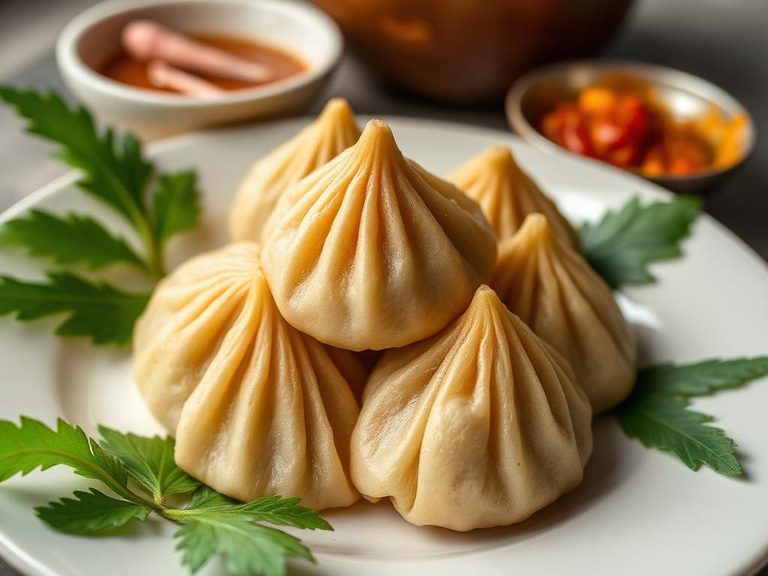
Kodo ko dhido is a traditional Nepalese dumpling made primarily from finger millet (kodo) flour, water, and a pinch of salt, often shaped into small, dense balls or logs. It is a staple food in rural and hilly regions of Nepal, particularly among communities in the mid-western and far-western development regions, and is typically served with local accompaniments like ghee, lentil soup, or leafy greens.
🍽️ Nutrition at a glance
This dish is high in complex carbohydrates and provides a good source of dietary fiber, iron, and calcium due to the nutritional profile of finger millet. A typical serving (around 150-200 grams) may contain approximately 200-250 calories, with minimal fat and moderate plant-based protein.
Nutrition breakdown
| Calories | 180 kcal |
| Protein | 4.5 g |
| Carbs | 38 g |
| Fat | 1.5 g |
| Fiber | 3.5 g |
| Sugar | 1 g |
| Sodium | 10 mg |
| Iron | 2.5 mg |
| Magnesium | 65 mg |
| Phosphorus | 120 mg |
| Potassium | 180 mg |
| Zinc | 1.2 mg |
| Niacin (B3) | 2.0 mg |
| Folate | 25 mcg |
| Manganese | 0.8 mg |
Per 1 dumpling (150 g) · estimated, varies by recipe
💡 What's interesting
Kodo ko dhido is culturally significant as a symbol of resilience and traditional agrarian life in Nepal, often prepared during festivals or communal gatherings. Nutritionally, finger millet is a gluten-free ancient grain known for its high antioxidant content and potential benefits for blood sugar regulation, making it a uniquely healthy staple.
🍽️ Related dishes

AI estimate may be inaccurate · Terms