

Hiraeth
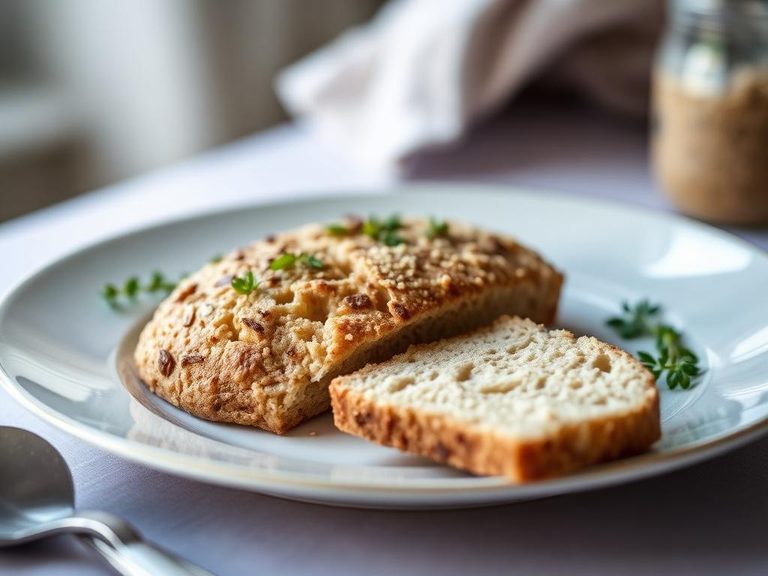
Hiraeth is a traditional Welsh bread made primarily from millet flour, a grain historically cultivated in Wales. It's a simple, rustic loaf, often leavened with yeast or sourdough starter, and sometimes enriched with ingredients like butter or treacle. The bread is deeply tied to Welsh culinary heritage, evoking a sense of nostalgia and connection to the land.
🍽️ Nutrition at a glance
As a millet-based bread, Hiraeth is a good source of complex carbohydrates, providing sustained energy. It offers key nutrients like magnesium, phosphorus, and B vitamins from the whole grain, with a typical slice containing around 150-200 calories depending on the recipe.
Nutrition breakdown
| Calories | 180 kcal |
| Protein | 4.5 g |
| Carbs | 36 g |
| Fat | 2 g |
| Fiber | 3.5 g |
| Sugar | 0.5 g |
| Sodium | 320 mg |
| Iron | 2.5 mg |
| Magnesium | 80 mg |
| Phosphorus | 150 mg |
| Potassium | 120 mg |
| Thiamin (B1) | 0.3 mg |
| Niacin (B3) | 3.5 mg |
| Folate | 40 µg |
| Manganese | 0.9 mg |
Per 1 slice (60 g) · estimated, varies by recipe
💡 What's interesting
Culturally, the name 'Hiraeth' itself is profoundly significant, referring to a deep Welsh longing for a home or past that may no longer exist, making the bread a symbolic comfort food. Nutritionally, millet is a gluten-free grain, so traditional versions of this bread can be naturally suitable for those with gluten sensitivities.
AI estimate may be inaccurate · Terms