

Milk, indian buffalo, fluid
Whole food · Dairy and Egg Products

Photo: Wikipedia
Indian buffalo milk is a rich, creamy liquid with a distinctively thick, velvety texture and a sweet, slightly tangy flavor profile. It boasts a significantly higher fat and protein content than cow's milk, making it a dense source of calories and nutrients. Its natural opacity and richness are key to its culinary appeal.
Calorie split: 15% protein · 21% carbs · 63% fat
↓ Full nutrition💚 Why it's loved
People cherish its luxurious, creamy mouthfeel and sweet taste, which forms the foundation for iconic desserts and beverages. It is deeply woven into the culinary and cultural fabric of South Asia, symbolizing nourishment and tradition.
⚠️ Watch-outs & how to enjoy it better
Its high saturated fat and calorie density can be a concern for those managing heart health or weight. Individuals with lactose intolerance may experience digestive discomfort. To enjoy it mindfully, consider using it in smaller portions as a flavor enhancer or in fermented forms like yogurt, which can improve digestibility.
Key benefits
- High in protein for muscle maintenance and satiety.
- Rich in calcium for bone and dental health.
- Good source of phosphorus and B vitamins.
- Higher fat content provides sustained energy.
- Contains bioactive compounds like immunoglobulins.
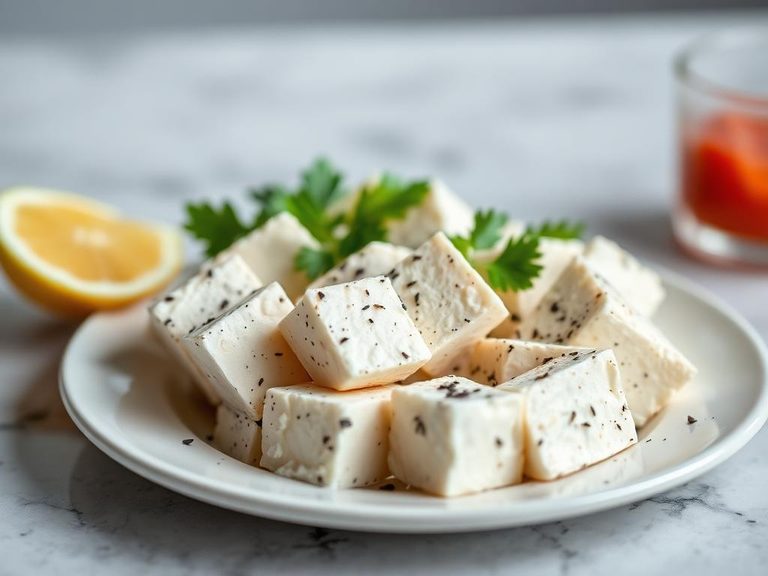
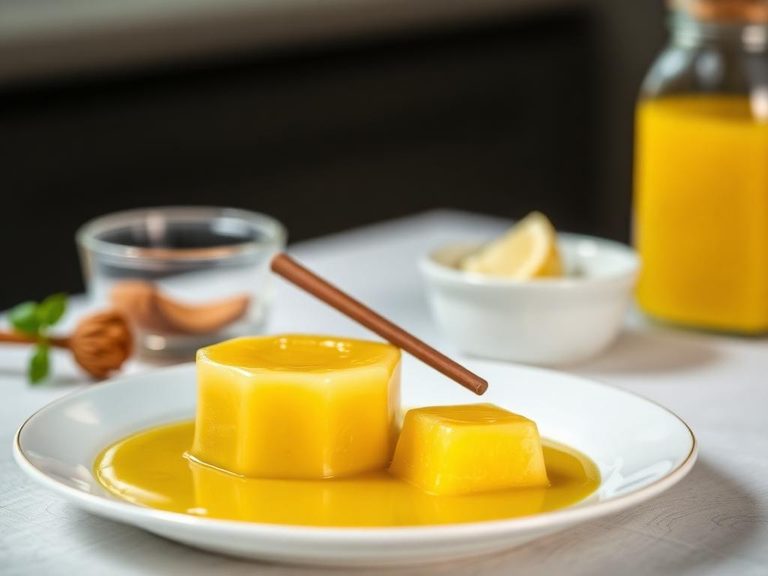
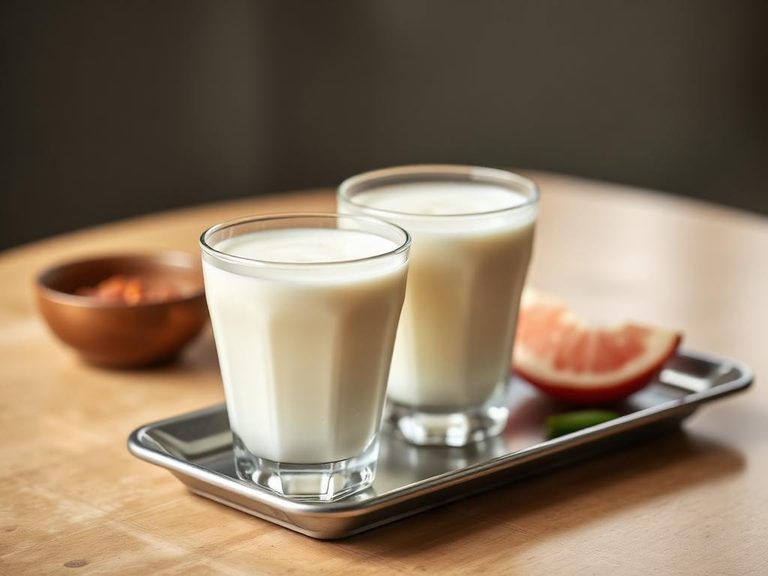
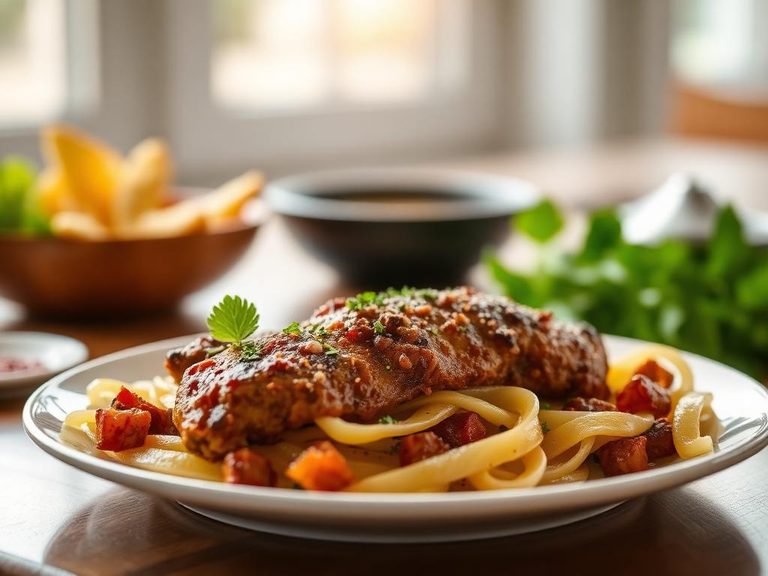
🍽️ Popular dishes


🌍 Where it's eaten
💡 Did you know?
A single water buffalo can produce milk with nearly double the fat content of a typical dairy cow, which is why it's the preferred milk for making traditional mozzarella di bufala in Italy.
Full nutrition (USDA data · scales with serving)
| Water | 83.4 g |
| Energy | 97.0 kcal |
| Energy | 404 kj |
| Protein | 3.8 g |
| Total lipid (fat) | 6.9 g |
| Ash | 0.79 g |
| Carbohydrate, by difference | 5.2 g |
| Fiber, total dietary | 0.00 g |
| Calcium, Ca | 169 mg |
| Iron, Fe | 0.12 mg |
| Magnesium, Mg | 31.0 mg |
| Phosphorus, P | 117 mg |
| Potassium, K | 178 mg |
| Sodium, Na | 52.0 mg |
| Zinc, Zn | 0.22 mg |
| Copper, Cu | 0.05 mg |
| Manganese, Mn | 0.02 mg |
| Vitamin C, total ascorbic acid | 2.3 mg |
| Thiamin | 0.05 mg |
| Riboflavin | 0.14 mg |
| Niacin | 0.09 mg |
| Pantothenic acid | 0.19 mg |
| Vitamin B-6 | 0.02 mg |
| Folate, total | 6.0 ug |
| Folic acid | 0.00 ug |
| Folate, food | 6.0 ug |
| Folate, DFE | 6.0 ug |
| Vitamin B-12 | 0.36 ug |
| Vitamin A, RAE | 53.0 ug |
| Retinol | 53.0 ug |
| Vitamin A, IU | 178 iu |
Fat & fatty acid profile (per 100g)
| Fatty acids, total saturated | 4.6 g |
| SFA 4:0 | 0.28 g |
| SFA 6:0 | 0.15 g |
| SFA 8:0 | 0.07 g |
| SFA 10:0 | 0.14 g |
| SFA 12:0 | 0.17 g |
| SFA 14:0 | 0.70 g |
| SFA 16:0 | 2.0 g |
| SFA 18:0 | 0.68 g |
| Fatty acids, total monounsaturated | 1.8 g |
| MUFA 16:1 | 0.14 g |
| MUFA 18:1 | 1.6 g |
| Fatty acids, total polyunsaturated | 0.15 g |
| PUFA 18:2 | 0.07 g |
| PUFA 18:3 | 0.08 g |
| PUFA 20:4 | 0.00 g |
| Cholesterol | 19.0 mg |
Amino acid profile (per 100g)
| Tryptophan | 0.05 g |
| Threonine | 0.18 g |
| Isoleucine | 0.20 g |
| Leucine | 0.37 g |
| Lysine | 0.28 g |
| Methionine | 0.10 g |
| Cystine | 0.05 g |
| Phenylalanine | 0.16 g |
| Tyrosine | 0.18 g |
| Valine | 0.22 g |
| Arginine | 0.11 g |
| Histidine | 0.08 g |
| Alanine | 0.13 g |
| Aspartic acid | 0.31 g |
| Glutamic acid | 0.48 g |
| Glycine | 0.08 g |
| Proline | 0.36 g |
| Serine | 0.23 g |
FAQ
How does buffalo milk differ from cow's milk?
Buffalo milk is significantly higher in fat, protein, and calories, giving it a thicker consistency and creamier taste. It also has a different mineral profile, with more calcium and phosphorus.
Is buffalo milk easier to digest?
It contains less lactose than cow's milk, which some lactose-sensitive individuals may tolerate better. However, its high fat content can slow digestion, and it remains a dairy allergen.
Why is it used for cheese like mozzarella?
Its high fat and protein content yields a greater quantity of cheese with a superior, stretchy texture and rich flavor, which is essential for authentic mozzarella di bufala.
Nutrient density (calculated · NRF9.3)
Nutrient Rich Foods index: beneficial nutrients (protein, fiber, vitamins, minerals) minus saturated fat, added sugar & sodium, per 100 kcal.
NRF9.3 index — Fulgoni, Keast & Drewnowski, 2009. Computed from USDA nutrients.
Weight-loss friendliness (composite index)
Energy density 0.97 kcal/g · 15% calories from protein · 0.0 g fiber · 0.0 g sugar per 100 g.
Composite of energy density (Rolls et al., 1999), protein & fiber satiety, minus sugar. A calculated heuristic — ranks satiety-per-calorie, not a clinical measure.
Dietary load (calculated from USDA values)
Potential renal acid load. Positive = acid-forming, negative = alkaline-forming.
Sodium-to-potassium ratio: 0.29 (lower is better — aim for ≤ 1)
Sodium:potassium per WHO potassium guidance. Computed from USDA nutrients.