

Lebanon bologna, beef
Whole food · Sausages and Luncheon Meats

Photo: Wikipedia
Lebanon bologna is a tangy, smoky, semi-dry fermented beef sausage from Pennsylvania Dutch country, known for its distinct dark red color and firm, sliceable texture. It offers a bold, savory flavor with a noticeable vinegar tang, setting it apart from milder bologna varieties. Nutritionally, it's a high-protein, very low-carb food, making it a staple for keto and carnivore diets.
Calorie split: 44% protein · 1% carbs · 55% fat
↓ Full nutrition💚 Why it's loved
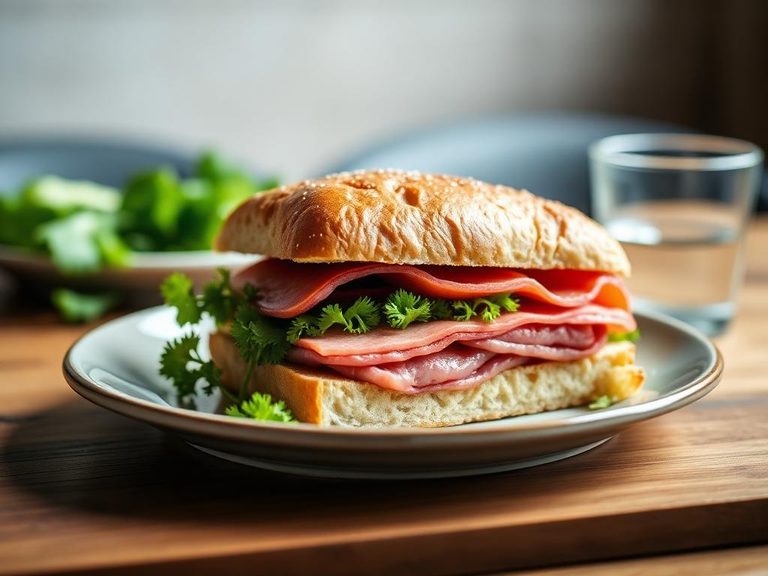
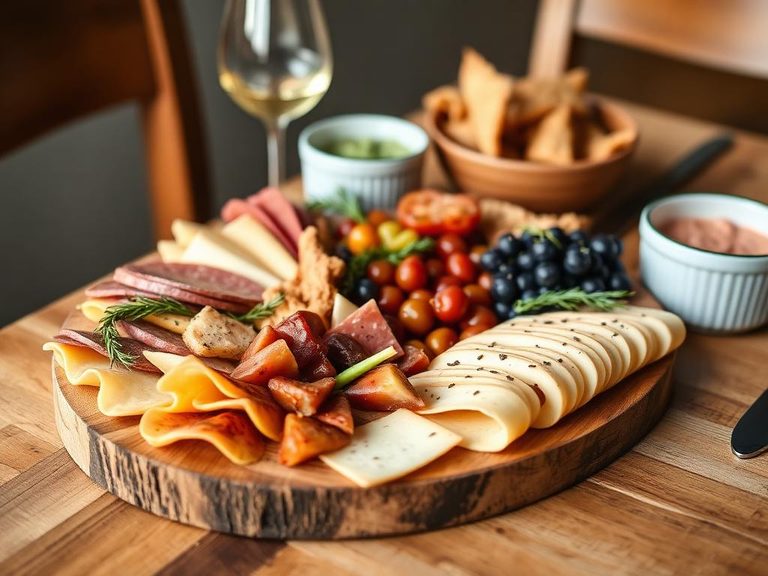
People adore its complex, zesty flavor profile—a perfect balance of smokiness, garlic, and a signature vinegar punch. Its versatility makes it a beloved snack on its own, a star in sandwiches, or a flavorful addition to charcuterie boards.
⚠️ Watch-outs & how to enjoy it better
As a processed meat, it is typically high in sodium, which can be a concern for those managing blood pressure. It also contains nitrates/nitrites used in curing. To counteract, pair it with fresh, potassium-rich vegetables like leafy greens or avocado, and practice portion control by enjoying a few slices as part of a balanced meal rather than as the main event.
Key benefits
- Excellent source of complete protein (19g per 100g)
- Virtually zero carbohydrates, ideal for low-carb diets
- Provides essential minerals like iron and zinc from beef
- Long shelf life due to traditional fermentation and smoking
- Satisfying and satiating due to high protein and fat content
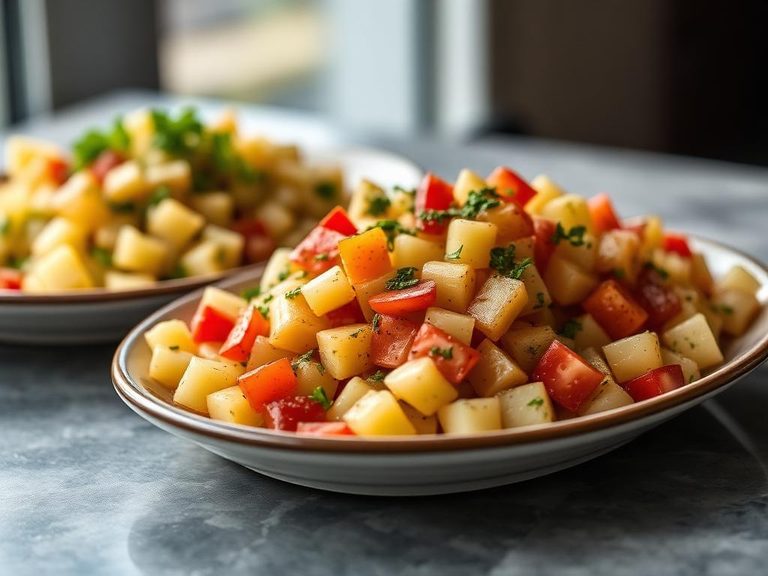
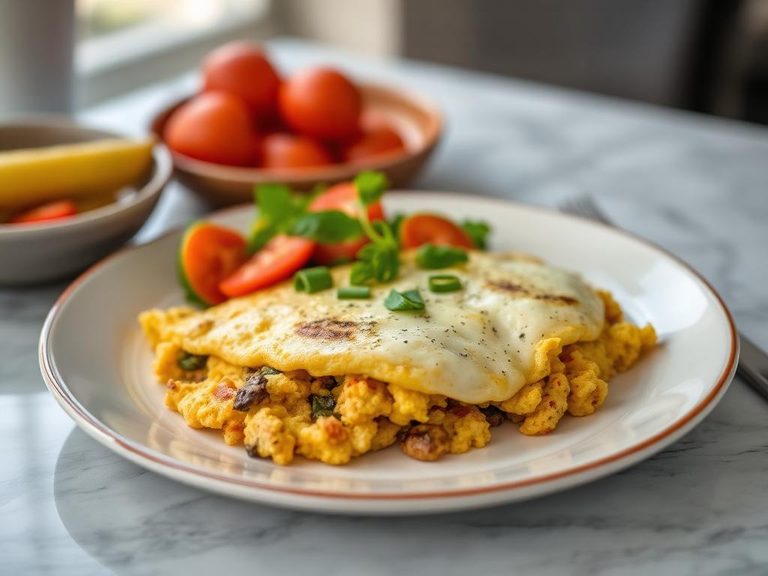
🍽️ Popular dishes

🌍 Where it's eaten
💡 Did you know?
Despite its name, Lebanon bologna has no connection to the country of Lebanon; it was developed by Pennsylvania Dutch immigrants in the town of Lebanon, Pennsylvania.
Full nutrition (USDA data · scales with serving)
| Water | 65.8 g |
| Energy | 172 kcal |
| Energy | 719 kj |
| Protein | 19.0 g |
| Total lipid (fat) | 10.4 g |
| Ash | 4.3 g |
| Carbohydrate, by difference | 0.44 g |
| Fiber, total dietary | 0.00 g |
| Total Sugars | 0.00 g |
| Calcium, Ca | 20.0 mg |
| Iron, Fe | 2.1 mg |
| Magnesium, Mg | 20.0 mg |
| Phosphorus, P | 192 mg |
| Potassium, K | 330 mg |
| Sodium, Na | 1374 mg |
| Zinc, Zn | 3.8 mg |
| Copper, Cu | 0.07 mg |
| Manganese, Mn | 0.02 mg |
| Selenium, Se | 15.7 ug |
| Vitamin C, total ascorbic acid | 0.90 mg |
| Thiamin | 0.10 mg |
| Riboflavin | 0.17 mg |
| Niacin | 3.2 mg |
| Pantothenic acid | 0.32 mg |
| Vitamin B-6 | 0.39 mg |
| Folate, total | 6.0 ug |
| Folic acid | 0.00 ug |
| Folate, food | 6.0 ug |
| Folate, DFE | 6.0 ug |
| Choline, total | 62.7 mg |
| Betaine | 6.8 mg |
| Vitamin B-12 | 2.9 ug |
| Vitamin B-12, added | 0.00 ug |
| Vitamin A, RAE | 12.0 ug |
| Retinol | 12.0 ug |
| Carotene, beta | 0.00 ug |
| Carotene, alpha | 0.00 ug |
| Cryptoxanthin, beta | 0.00 ug |
| Vitamin A, IU | 39.0 iu |
| Lycopene | 0.00 ug |
| Lutein + zeaxanthin | 0.00 ug |
| Vitamin E (alpha-tocopherol) | 0.57 mg |
| Vitamin E, added | 0.00 mg |
| Vitamin D (D2 + D3), International Units | 10.0 iu |
| Vitamin D (D2 + D3) | 0.30 ug |
| Vitamin K (phylloquinone) | 0.30 ug |
| Alcohol, ethyl | 0.00 g |
| Caffeine | 0.00 mg |
| Theobromine | 0.00 mg |
Fat & fatty acid profile (per 100g)
| Fatty acids, total saturated | 2.8 g |
| SFA 4:0 | 0.00 g |
| SFA 6:0 | 0.00 g |
| SFA 8:0 | 0.00 g |
| SFA 10:0 | 0.00 g |
| SFA 12:0 | 0.00 g |
| SFA 14:0 | 0.33 g |
| SFA 16:0 | 1.2 g |
| SFA 18:0 | 1.3 g |
| Fatty acids, total monounsaturated | 4.4 g |
| MUFA 16:1 | 0.36 g |
| MUFA 18:1 | 4.0 g |
| MUFA 20:1 | 0.04 g |
| MUFA 22:1 | 0.00 g |
| Fatty acids, total polyunsaturated | 0.26 g |
| PUFA 18:2 | 0.25 g |
| PUFA 18:3 | 0.00 g |
| PUFA 18:4 | 0.00 g |
| PUFA 20:4 | 0.01 g |
| PUFA 20:5 n-3 (EPA) | 0.00 g |
| PUFA 22:5 n-3 (DPA) | 0.00 g |
| PUFA 22:6 n-3 (DHA) | 0.00 g |
| Cholesterol | 55.0 mg |
FAQ
How is Lebanon bologna different from regular bologna?
Lebanon bologna is made from beef, is fermented and smoked, giving it a tangy, smoky flavor and a darker color. Regular bologna is typically a finely ground emulsion of beef, pork, or chicken, is milder, and is not fermented.
Is it the same as summer sausage?
They are similar in being fermented and smoked sausages, but Lebanon bologna is specifically a beef product with a distinct vinegar tang, while summer sausage can be a blend of meats and has a different spice profile.
What's the best way to store it?
Keep it tightly wrapped in the refrigerator for up to 2-3 weeks. For longer storage, freeze slices or the whole stick for up to 2 months.
Nutrient density (calculated · NRF9.3)
Nutrient Rich Foods index: beneficial nutrients (protein, fiber, vitamins, minerals) minus saturated fat, added sugar & sodium, per 100 kcal.
NRF9.3 index — Fulgoni, Keast & Drewnowski, 2009. Computed from USDA nutrients.
Weight-loss friendliness (composite index)
Energy density 1.72 kcal/g · 44% calories from protein · 0.0 g fiber · 0.0 g sugar per 100 g.
Composite of energy density (Rolls et al., 1999), protein & fiber satiety, minus sugar. A calculated heuristic — ranks satiety-per-calorie, not a clinical measure.
Dietary load (calculated from USDA values)
Potential renal acid load. Positive = acid-forming, negative = alkaline-forming.
Sodium-to-potassium ratio: 4.16 (lower is better — aim for ≤ 1)
Sodium:potassium per WHO potassium guidance. Computed from USDA nutrients.