

Lamb, shoulder, arm, separable lean only, trimmed to 1/4" fat, choice, raw
Whole food · Lamb, Veal, and Game Products
This is a lean, raw cut from the upper foreleg of the lamb, prized for its deep, rich flavor and fine-grained texture when slow-cooked. With a substantial 19.99g of protein per 100g and virtually no carbohydrates or sugar, it's a powerhouse of pure, savory nutrition. Its minimal fat content makes it a leaner choice than other shoulder cuts, yet it retains the characteristic robust taste of lamb.
Calorie split: 63% protein · 0% carbs · 37% fat
↓ Full nutrition💚 Why it's loved
People love this cut for its deep, distinctive lamb flavor and its ability to become incredibly tender and succulent through slow, moist cooking methods like braising or stewing. It's a versatile canvas for bold spices and herbs, making it a staple in comforting, hearty dishes across many cultures.
⚠️ Watch-outs & how to enjoy it better
The very lean nature of this cut means it can become tough and dry if overcooked or prepared with high-heat, dry methods like grilling. To counteract this, always use low-and-slow cooking techniques (braising, stewing, slow-roasting) and ensure it's cooked in liquid or with added fat. For those sensitive to the strong flavor of lamb, marinating in acidic ingredients (like yogurt or wine) can help mellow it.
Key benefits
- Excellent source of complete, high-quality protein for muscle maintenance.
- Very low in carbohydrates and sugar, suitable for low-carb and ketogenic diets.
- Rich in essential minerals like iron, zinc, and B vitamins (especially B12).
- Leaner than many other cuts of lamb, with only 5.2g of fat per 100g.
- Naturally gluten-free and sugar-free.
🍽️ Popular dishes
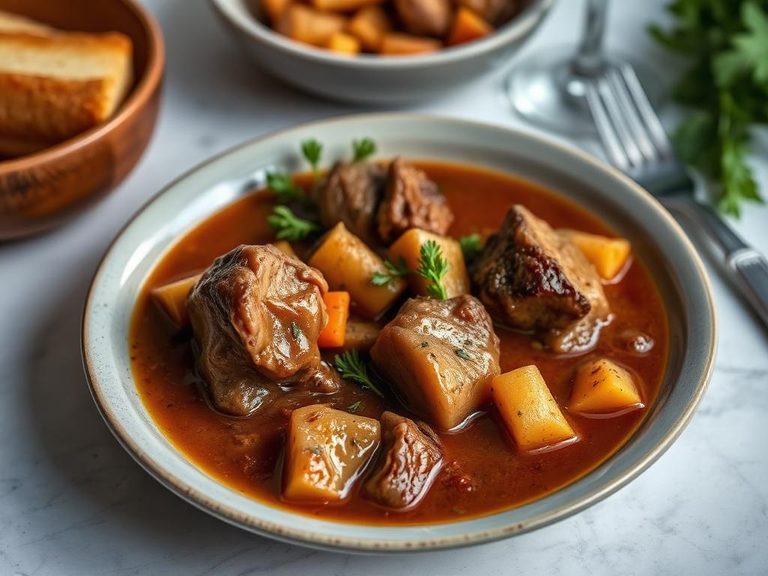
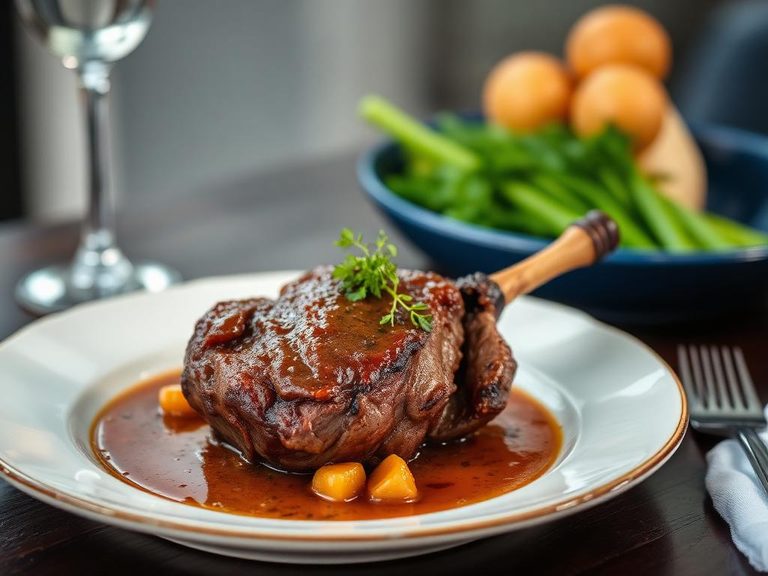
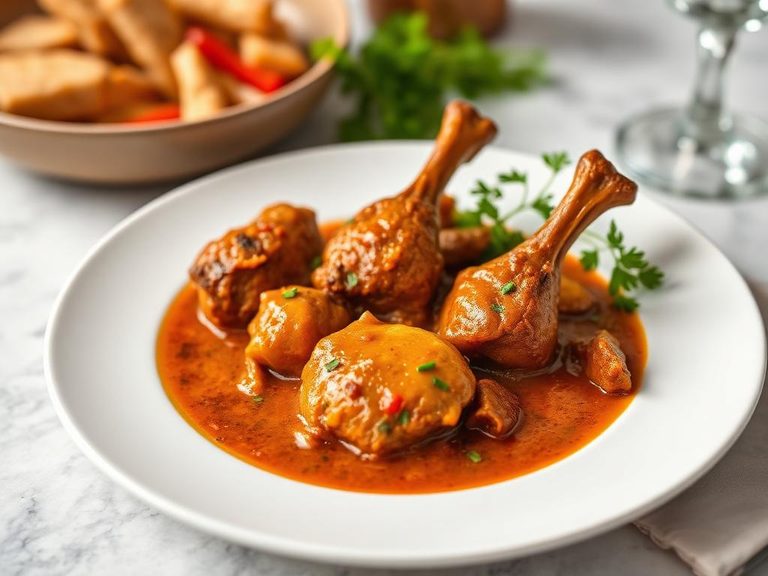
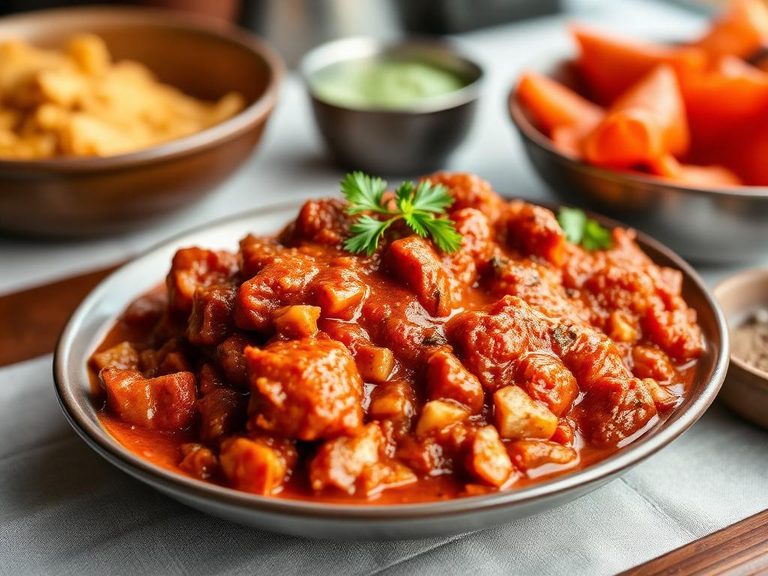
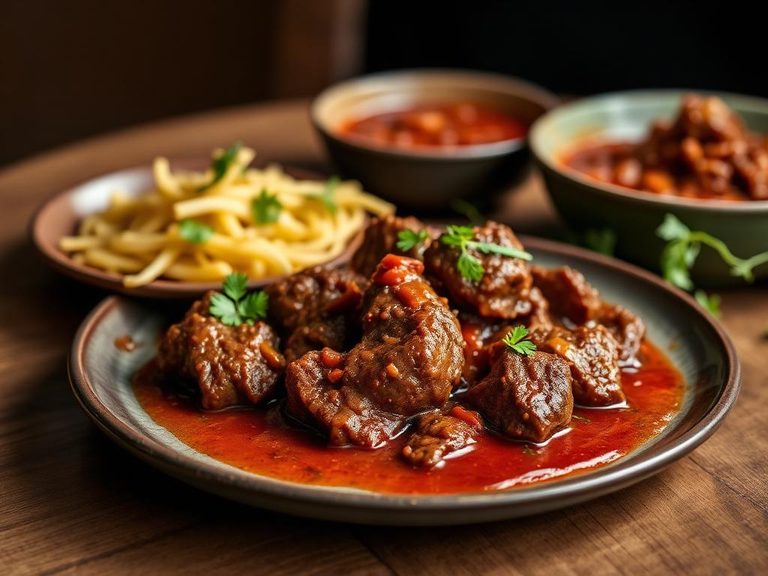
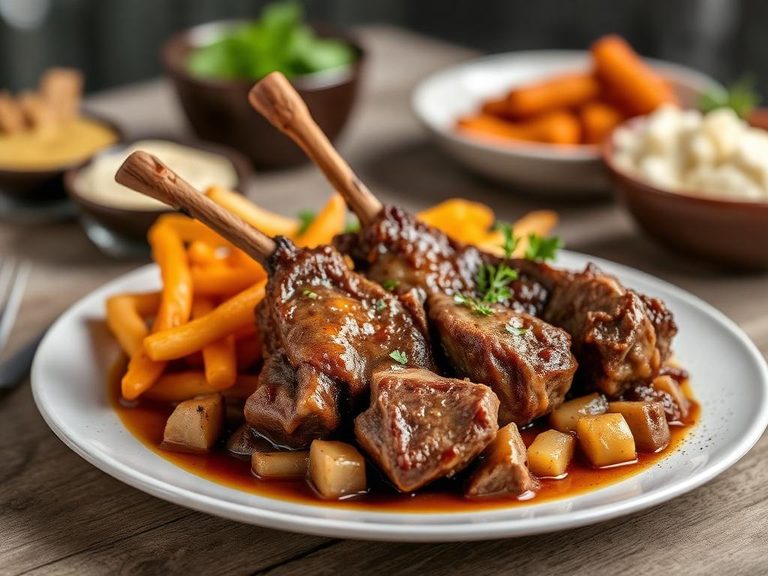
🌍 Where it's eaten
💡 Did you know?
The 'arm' in 'lamb shoulder arm' refers to the specific section of the shoulder that corresponds to the animal's front leg, similar to the 'chuck' in beef, and it's often left on the bone for maximum flavor during cooking.
Full nutrition (USDA data · scales with serving)
| Water | 74.1 g |
| Energy | 132 kcal |
| Energy | 552 kj |
| Protein | 20.0 g |
| Total lipid (fat) | 5.2 g |
| Ash | 1.1 g |
| Carbohydrate, by difference | 0.00 g |
| Fiber, total dietary | 0.00 g |
| Calcium, Ca | 12.0 mg |
| Iron, Fe | 1.7 mg |
| Magnesium, Mg | 25.0 mg |
| Phosphorus, P | 186 mg |
| Potassium, K | 287 mg |
| Sodium, Na | 69.0 mg |
| Zinc, Zn | 4.2 mg |
| Copper, Cu | 0.12 mg |
| Manganese, Mn | 0.02 mg |
| Selenium, Se | 22.7 ug |
| Vitamin C, total ascorbic acid | 0.00 mg |
| Thiamin | 0.12 mg |
| Riboflavin | 0.23 mg |
| Niacin | 6.0 mg |
| Pantothenic acid | 0.72 mg |
| Vitamin B-6 | 0.15 mg |
| Folate, total | 24.0 ug |
| Folic acid | 0.00 ug |
| Folate, food | 24.0 ug |
| Folate, DFE | 24.0 ug |
| Vitamin B-12 | 2.7 ug |
| Vitamin A, RAE | 0.00 ug |
| Retinol | 0.00 ug |
| Vitamin A, IU | 0.00 iu |
| Vitamin E (alpha-tocopherol) | 0.22 mg |
Fat & fatty acid profile (per 100g)
| Fatty acids, total saturated | 1.9 g |
| SFA 10:0 | 0.01 g |
| SFA 12:0 | 0.01 g |
| SFA 14:0 | 0.13 g |
| SFA 16:0 | 1.0 g |
| SFA 18:0 | 0.62 g |
| Fatty acids, total monounsaturated | 2.1 g |
| MUFA 16:1 | 0.16 g |
| MUFA 18:1 | 1.9 g |
| Fatty acids, total polyunsaturated | 0.48 g |
| PUFA 18:2 | 0.36 g |
| PUFA 18:3 | 0.07 g |
| PUFA 20:4 | 0.05 g |
| Cholesterol | 64.0 mg |
Amino acid profile (per 100g)
| Tryptophan | 0.23 g |
| Threonine | 0.86 g |
| Isoleucine | 0.96 g |
| Leucine | 1.6 g |
| Lysine | 1.8 g |
| Methionine | 0.51 g |
| Cystine | 0.24 g |
| Phenylalanine | 0.81 g |
| Tyrosine | 0.67 g |
| Valine | 1.1 g |
| Arginine | 1.2 g |
| Histidine | 0.63 g |
| Alanine | 1.2 g |
| Aspartic acid | 1.8 g |
| Glutamic acid | 2.9 g |
| Glycine | 0.98 g |
| Proline | 0.84 g |
| Serine | 0.74 g |
FAQ
What's the best cooking method for this lean lamb shoulder cut?
The best methods are slow, moist cooking techniques like braising, stewing, or slow-roasting. These methods break down connective tissue and keep the lean meat tender and flavorful.
Is this a good cut for grilling?
It's not ideal for grilling due to its low fat content, which can cause it to dry out quickly. If you do grill it, use a marinade and cook it quickly to medium-rare, or use a meat mallet to tenderize it first.
How does the nutritional profile compare to other lamb cuts?
This cut is notably leaner than many other shoulder or leg cuts, with significantly less fat and fewer calories. It provides a similar high level of protein and minerals, making it a nutrient-dense choice.
Nutrient density (calculated · NRF9.3)
Nutrient Rich Foods index: beneficial nutrients (protein, fiber, vitamins, minerals) minus saturated fat, added sugar & sodium, per 100 kcal.
NRF9.3 index — Fulgoni, Keast & Drewnowski, 2009. Computed from USDA nutrients.
Weight-loss friendliness (composite index)
Energy density 1.32 kcal/g · 61% calories from protein · 0.0 g fiber · 0.0 g sugar per 100 g.
Composite of energy density (Rolls et al., 1999), protein & fiber satiety, minus sugar. A calculated heuristic — ranks satiety-per-calorie, not a clinical measure.
Dietary load (calculated from USDA values)
Potential renal acid load. Positive = acid-forming, negative = alkaline-forming.
Sodium-to-potassium ratio: 0.24 (lower is better — aim for ≤ 1)
Sodium:potassium per WHO potassium guidance. Computed from USDA nutrients.