

Lamb, leg, whole (shank and sirloin), separable lean and fat, trimmed to 1/8" fat, choice, raw
Whole food · Lamb, Veal, and Game Products

Photo: Wikipedia
This is a whole leg of lamb, including the shank and sirloin, trimmed to a thin 1/8-inch fat cap. Its lean, deep-red meat cooks to a tender, succulent texture with a rich, distinctive flavor that's earthier and slightly sweeter than beef. Nutritionally, it's a powerhouse of high-quality protein and provides essential fats, including conjugated linoleic acid (CLA).
Calorie split: 36% protein · 0% carbs · 64% fat
↓ Full nutrition💚 Why it's loved
People cherish lamb leg for its deep, complex flavor that stands up robustly to herbs like rosemary and garlic. Its versatility allows it to be roasted whole for a celebratory centerpiece, braised until fall-apart tender, or cut into steaks for quick grilling.
⚠️ Watch-outs & how to enjoy it better
Lamb's higher saturated fat content compared to poultry or fish means it should be enjoyed in moderation by those monitoring heart health. Its strong, gamey taste can be off-putting to some palates. To counteract, trim visible fat before cooking, choose leaner cuts like the sirloin end, and pair it with acidic components like lemon or vinegar-based sauces to cut through the richness.
Key benefits
- Excellent source of complete protein for muscle maintenance and growth.
- Rich in bioavailable heme iron, which supports oxygen transport in the blood.
- Provides zinc, crucial for immune function and wound healing.
- Contains B vitamins like B12 and niacin, essential for energy metabolism.
- A good source of the antioxidant selenium.
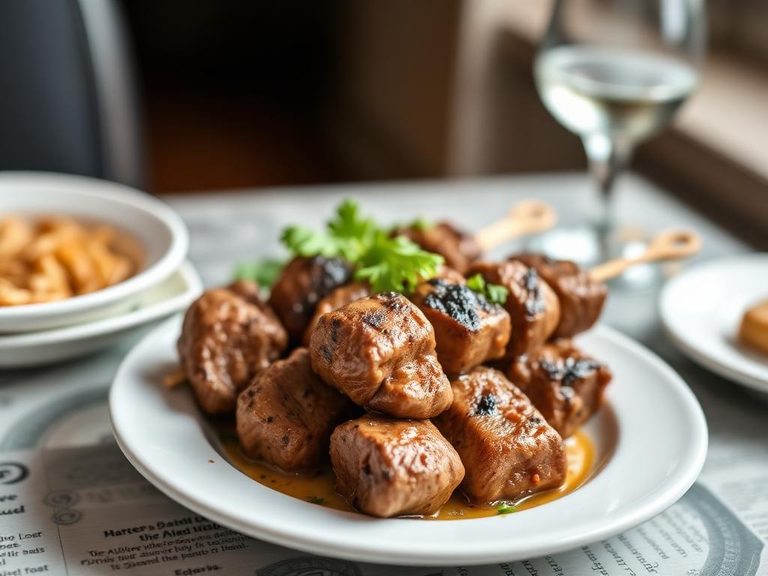
🍽️ Popular dishes
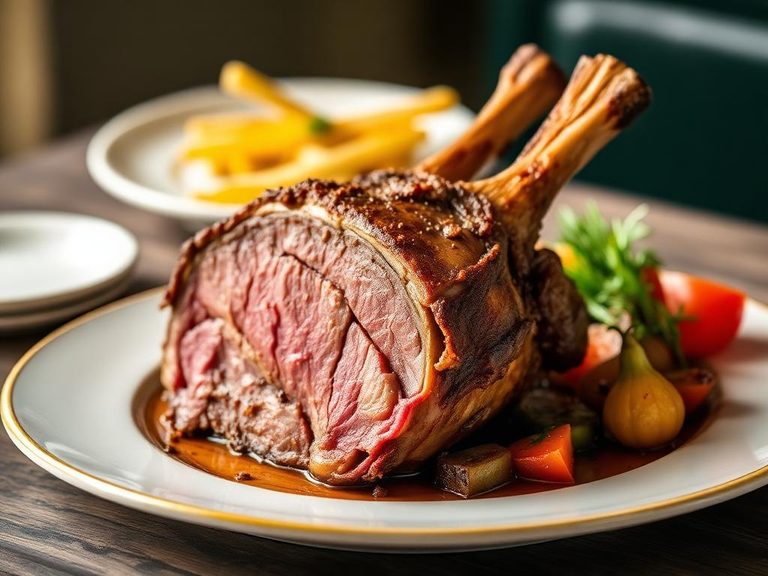
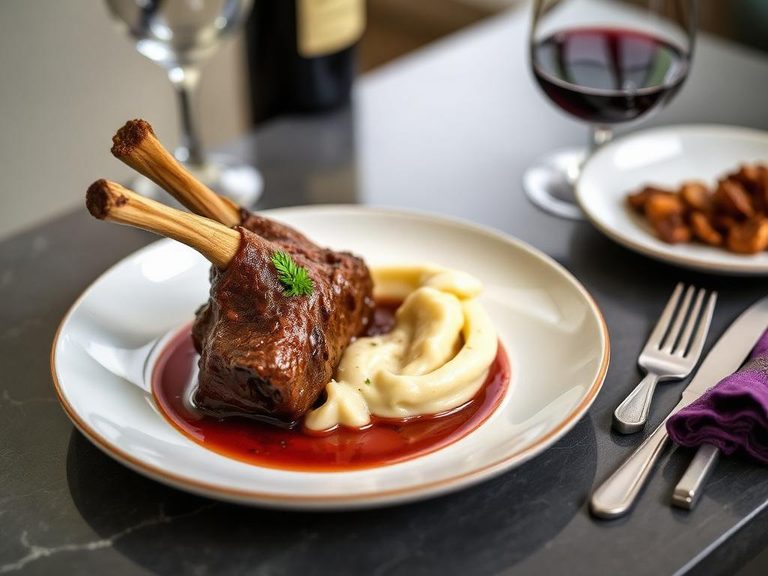
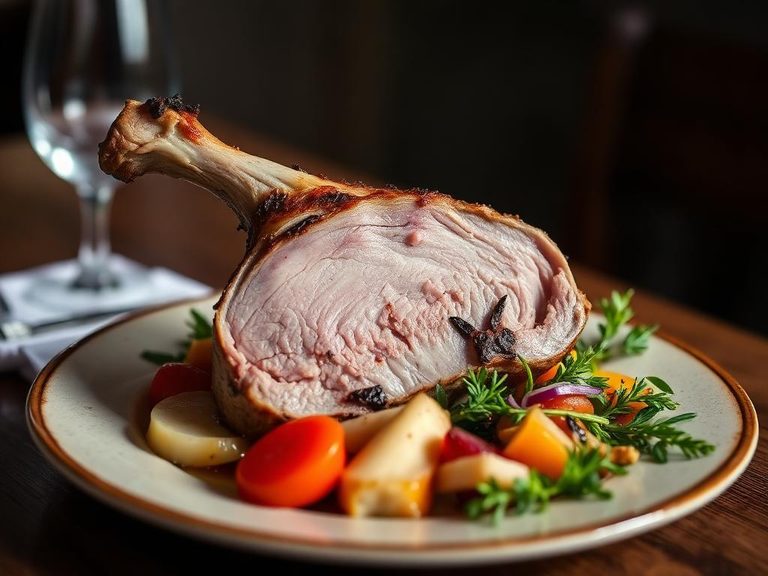
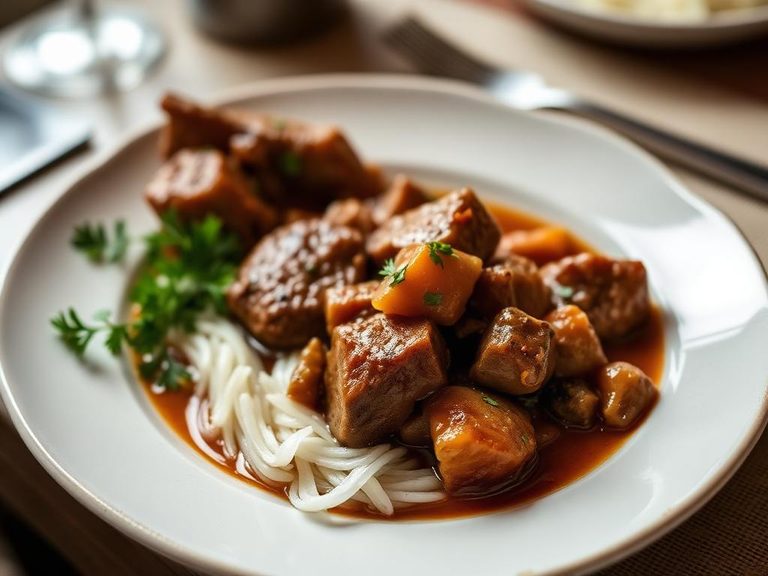
🌍 Where it's eaten
💡 Did you know?
The practice of roasting a whole leg of lamb on a spit is a centerpiece of Greek Easter celebrations, where the aroma of the slow-turning, herb-crusted meat is as much a part of the holiday as the feast itself.
Full nutrition (USDA data · scales with serving)
| Water | 66.4 g |
| Energy | 209 kcal |
| Energy | 874 kj |
| Protein | 18.5 g |
| Total lipid (fat) | 14.4 g |
| Ash | 0.97 g |
| Carbohydrate, by difference | 0.00 g |
| Fiber, total dietary | 0.00 g |
| Calcium, Ca | 8.0 mg |
| Iron, Fe | 1.7 mg |
| Magnesium, Mg | 24.0 mg |
| Phosphorus, P | 175 mg |
| Potassium, K | 258 mg |
| Sodium, Na | 57.0 mg |
| Zinc, Zn | 3.4 mg |
| Copper, Cu | 0.12 mg |
| Manganese, Mn | 0.02 mg |
| Selenium, Se | 21.3 ug |
| Vitamin C, total ascorbic acid | 0.00 mg |
| Thiamin | 0.13 mg |
| Riboflavin | 0.24 mg |
| Niacin | 6.3 mg |
| Pantothenic acid | 0.70 mg |
| Vitamin B-6 | 0.15 mg |
| Folate, total | 20.0 ug |
| Folic acid | 0.00 ug |
| Folate, food | 20.0 ug |
| Folate, DFE | 20.0 ug |
| Vitamin B-12 | 2.5 ug |
| Vitamin A, RAE | 0.00 ug |
| Retinol | 0.00 ug |
| Vitamin A, IU | 0.00 iu |
Fat & fatty acid profile (per 100g)
| Fatty acids, total saturated | 6.2 g |
| SFA 10:0 | 0.04 g |
| SFA 12:0 | 0.06 g |
| SFA 14:0 | 0.56 g |
| SFA 16:0 | 3.1 g |
| SFA 18:0 | 2.0 g |
| Fatty acids, total monounsaturated | 5.9 g |
| MUFA 16:1 | 0.42 g |
| MUFA 18:1 | 5.3 g |
| MUFA 20:1 | 0.00 g |
| Fatty acids, total polyunsaturated | 1.1 g |
| PUFA 18:2 | 0.85 g |
| PUFA 18:3 | 0.25 g |
| PUFA 20:4 | 0.05 g |
| Cholesterol | 68.0 mg |
Amino acid profile (per 100g)
| Tryptophan | 0.22 g |
| Threonine | 0.79 g |
| Isoleucine | 0.89 g |
| Leucine | 1.4 g |
| Lysine | 1.6 g |
| Methionine | 0.47 g |
| Cystine | 0.22 g |
| Phenylalanine | 0.75 g |
| Tyrosine | 0.62 g |
| Valine | 1.00 g |
| Arginine | 1.1 g |
| Histidine | 0.58 g |
| Alanine | 1.1 g |
| Aspartic acid | 1.6 g |
| Glutamic acid | 2.7 g |
| Glycine | 0.90 g |
| Proline | 0.78 g |
| Serine | 0.69 g |
FAQ
What's the difference between the shank and sirloin end of the leg?
The shank end is more worked, with more connective tissue, making it ideal for slow, moist-heat cooking like braising. The sirloin end is leaner and more tender, better suited for quick, dry-heat cooking like roasting or grilling.
How do I reduce the 'gamey' flavor?
Soaking the meat in buttermilk or a saltwater brine for a few hours before cooking can mellow the flavor. Using robust herbs (rosemary, thyme), garlic, and acidic marinades with wine or vinegar also helps balance it.
What's the best cooking method for a whole leg?
Roasting is classic. Sear it first for color, then roast at a moderate temperature (325-350°F / 160-175°C) until it reaches your desired doneness. For tougher, bone-in legs, slow-roasting or braising yields the most tender results.
Nutrient density (calculated · NRF9.3)
Nutrient Rich Foods index: beneficial nutrients (protein, fiber, vitamins, minerals) minus saturated fat, added sugar & sodium, per 100 kcal.
NRF9.3 index — Fulgoni, Keast & Drewnowski, 2009. Computed from USDA nutrients.
Weight-loss friendliness (composite index)
Energy density 2.09 kcal/g · 35% calories from protein · 0.0 g fiber · 0.0 g sugar per 100 g.
Composite of energy density (Rolls et al., 1999), protein & fiber satiety, minus sugar. A calculated heuristic — ranks satiety-per-calorie, not a clinical measure.
Dietary load (calculated from USDA values)
Potential renal acid load. Positive = acid-forming, negative = alkaline-forming.
Sodium-to-potassium ratio: 0.22 (lower is better — aim for ≤ 1)
Sodium:potassium per WHO potassium guidance. Computed from USDA nutrients.