

Lamb, composite of trimmed retail cuts, separable lean only, trimmed to 1/4" fat, choice, raw
Whole food · Lamb, Veal, and Game Products
This is raw lamb, specifically the lean, trimmed cuts from choice-grade animals, ready for the butcher's block. It has a distinct, slightly gamy flavor and a firm, dense texture that becomes tender when cooked properly. Nutritionally, it's a powerhouse of protein with very little fat, making it a lean yet flavorful red meat option.
Calorie split: 63% protein · 0% carbs · 37% fat
↓ Full nutrition💚 Why it's loved
People love lamb for its distinctive, rich flavor that's often described as earthy and slightly sweet, which stands up well to bold spices and herbs. Its versatility allows it to be grilled, roasted, braised, or stewed, making it a centerpiece in many cultural cuisines.
⚠️ Watch-outs & how to enjoy it better
The gamy taste can be off-putting to some, and its higher saturated fat content compared to poultry or fish may be a concern for those monitoring heart health. To counteract this, pair it with acidic ingredients like lemon or vinegar, use robust spices, and practice portion control. Cooking methods like braising or stewing can also help tenderize the meat and render some fat.
Key benefits
- Excellent source of high-quality protein for muscle maintenance.
- Rich in B vitamins, especially B12, crucial for nerve function.
- Good source of minerals like iron and zinc.
- Low in carbohydrates, suitable for low-carb diets.
- Provides conjugated linoleic acid (CLA), a beneficial fatty acid.
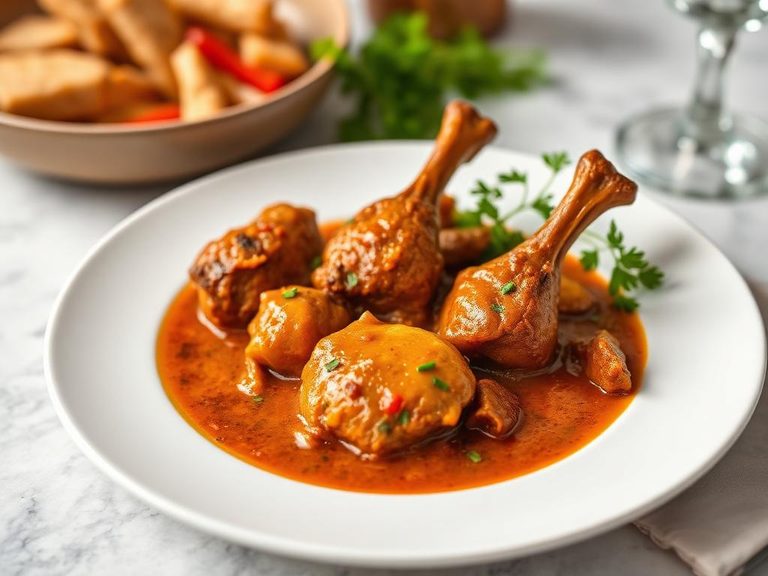
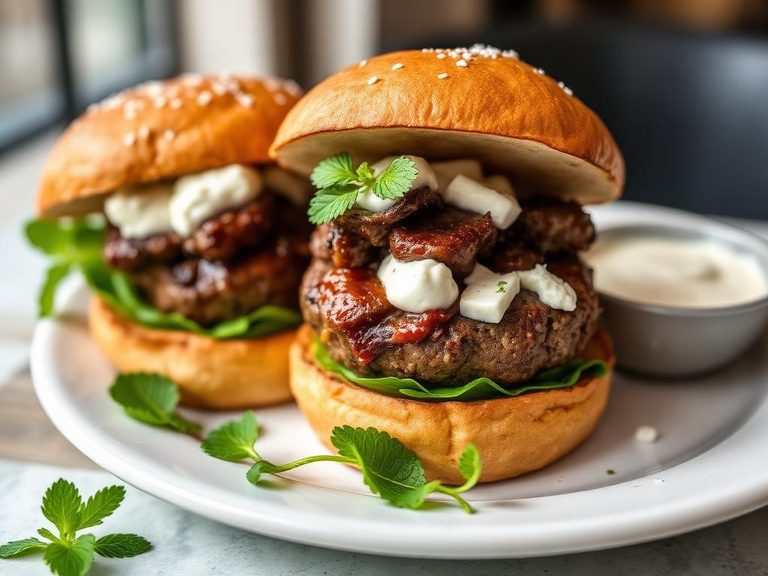
🍽️ Popular dishes
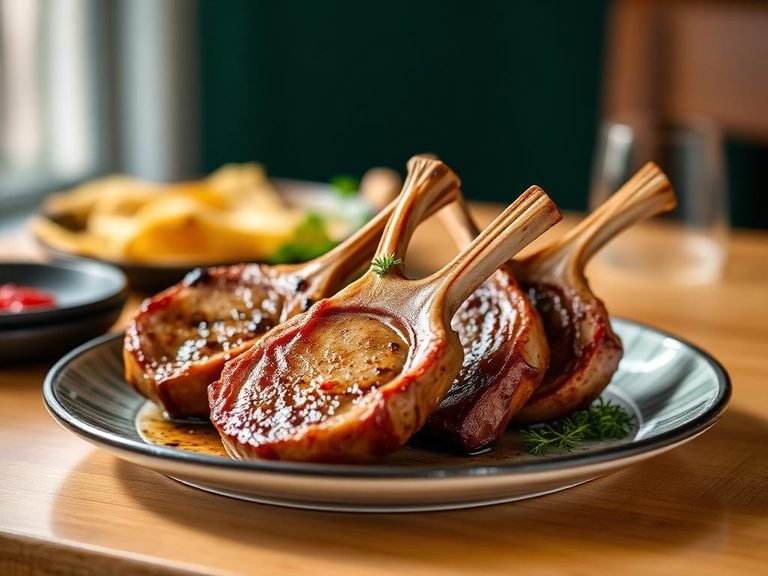
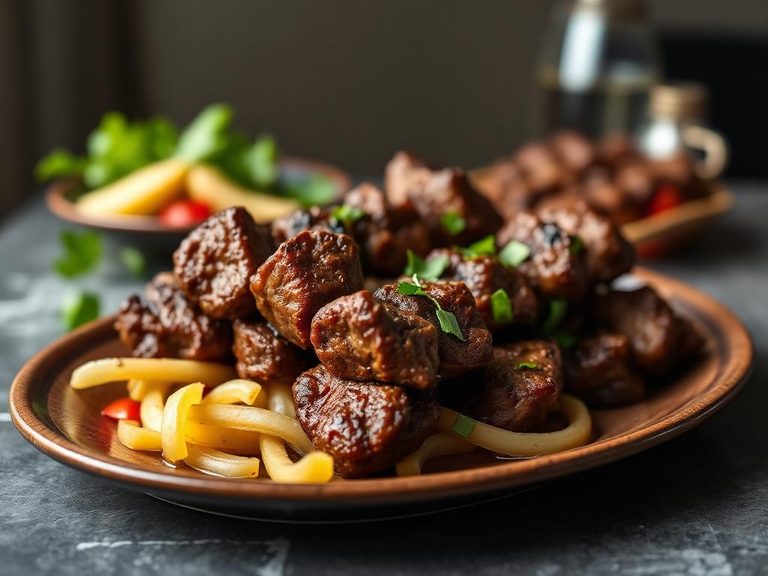
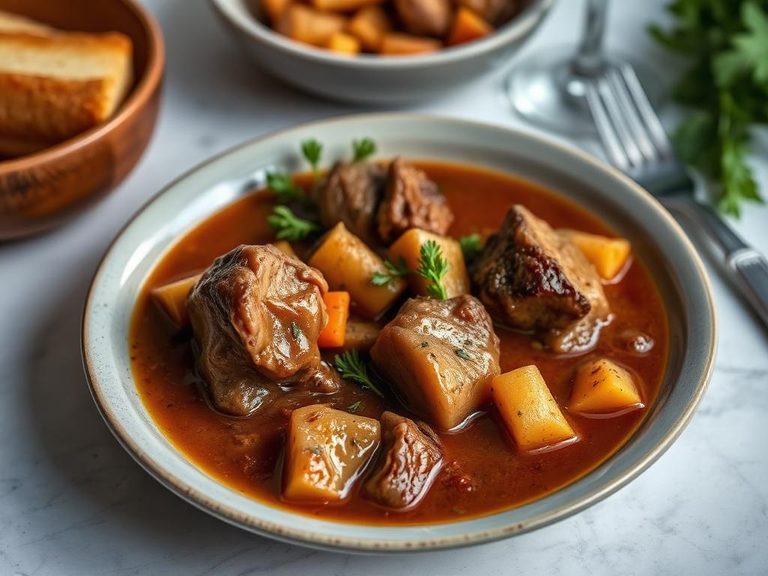
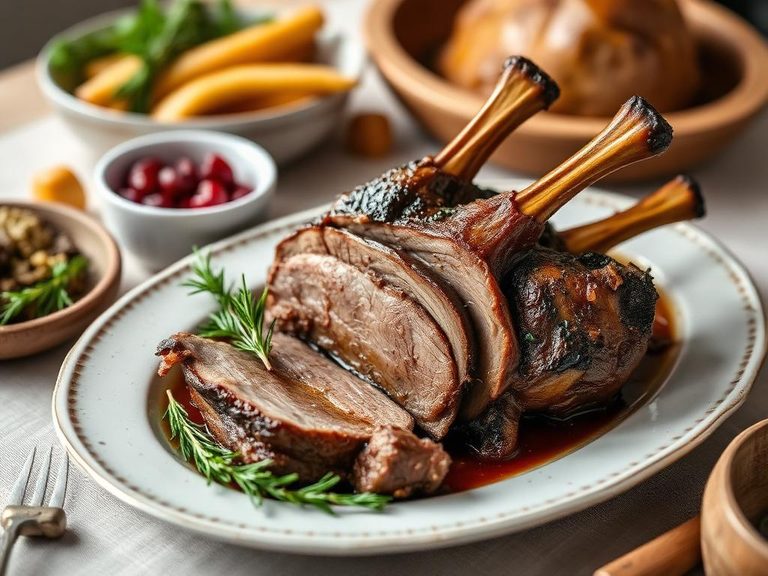
🌍 Where it's eaten
💡 Did you know?
Lamb is the most widely consumed red meat in the world, with over 14 million tons produced annually.
Full nutrition (USDA data · scales with serving)
| Water | 73.4 g |
| Energy | 134 kcal |
| Energy | 561 kj |
| Protein | 20.3 g |
| Total lipid (fat) | 5.3 g |
| Ash | 1.1 g |
| Carbohydrate, by difference | 0.00 g |
| Fiber, total dietary | 0.00 g |
| Calcium, Ca | 10.0 mg |
| Iron, Fe | 1.8 mg |
| Magnesium, Mg | 26.0 mg |
| Phosphorus, P | 189 mg |
| Potassium, K | 280 mg |
| Sodium, Na | 66.0 mg |
| Zinc, Zn | 4.1 mg |
| Copper, Cu | 0.12 mg |
| Manganese, Mn | 0.02 mg |
| Selenium, Se | 23.4 ug |
| Vitamin C, total ascorbic acid | 0.00 mg |
| Thiamin | 0.13 mg |
| Riboflavin | 0.23 mg |
| Niacin | 6.0 mg |
| Pantothenic acid | 0.70 mg |
| Vitamin B-6 | 0.16 mg |
| Folate, total | 23.0 ug |
| Folic acid | 0.00 ug |
| Folate, food | 23.0 ug |
| Folate, DFE | 23.0 ug |
| Vitamin B-12 | 2.6 ug |
| Vitamin A, RAE | 0.00 ug |
| Retinol | 0.00 ug |
| Vitamin A, IU | 0.00 iu |
| Vitamin E (alpha-tocopherol) | 0.21 mg |
Fat & fatty acid profile (per 100g)
| Fatty acids, total saturated | 1.9 g |
| SFA 10:0 | 0.01 g |
| SFA 12:0 | 0.01 g |
| SFA 14:0 | 0.14 g |
| SFA 16:0 | 1.0 g |
| SFA 18:0 | 0.62 g |
| Fatty acids, total monounsaturated | 2.1 g |
| MUFA 16:1 | 0.16 g |
| MUFA 18:1 | 1.9 g |
| Fatty acids, total polyunsaturated | 0.48 g |
| PUFA 18:2 | 0.36 g |
| PUFA 18:3 | 0.07 g |
| PUFA 20:4 | 0.05 g |
| Cholesterol | 65.0 mg |
Amino acid profile (per 100g)
| Tryptophan | 0.24 g |
| Threonine | 0.87 g |
| Isoleucine | 0.98 g |
| Leucine | 1.6 g |
| Lysine | 1.8 g |
| Methionine | 0.52 g |
| Cystine | 0.24 g |
| Phenylalanine | 0.83 g |
| Tyrosine | 0.68 g |
| Valine | 1.1 g |
| Arginine | 1.2 g |
| Histidine | 0.64 g |
| Alanine | 1.2 g |
| Aspartic acid | 1.8 g |
| Glutamic acid | 2.9 g |
| Glycine | 0.99 g |
| Proline | 0.85 g |
| Serine | 0.76 g |
FAQ
How does lamb compare nutritionally to beef?
Lamb is generally leaner than beef, with slightly less fat and calories per serving, but it can be higher in saturated fat depending on the cut. It also tends to be richer in certain nutrients like iron and zinc.
What's the best way to cook lamb to keep it tender?
For lean cuts, quick cooking methods like grilling or pan-searing work well. For tougher cuts, slow cooking methods like braising or stewing break down the connective tissue, making the meat tender and flavorful.
Is lamb suitable for a low-fat diet?
Yes, especially when choosing trimmed, lean cuts like this one. It's a good source of protein with moderate fat content, making it a suitable option for a balanced, low-fat diet.
Nutrient density (calculated · NRF9.3)
Nutrient Rich Foods index: beneficial nutrients (protein, fiber, vitamins, minerals) minus saturated fat, added sugar & sodium, per 100 kcal.
NRF9.3 index — Fulgoni, Keast & Drewnowski, 2009. Computed from USDA nutrients.
Weight-loss friendliness (composite index)
Energy density 1.34 kcal/g · 61% calories from protein · 0.0 g fiber · 0.0 g sugar per 100 g.
Composite of energy density (Rolls et al., 1999), protein & fiber satiety, minus sugar. A calculated heuristic — ranks satiety-per-calorie, not a clinical measure.
Dietary load (calculated from USDA values)
Potential renal acid load. Positive = acid-forming, negative = alkaline-forming.
Sodium-to-potassium ratio: 0.24 (lower is better — aim for ≤ 1)
Sodium:potassium per WHO potassium guidance. Computed from USDA nutrients.