

Imitation cheese, american or cheddar, low cholesterol
Whole food · Dairy and Egg Products

Photo: Wikipedia
This is a low-cholesterol, processed cheese product engineered to melt smoothly and mimic the tang of cheddar or American cheese. Its texture is typically creamy and pliable, with a mild, salty, and slightly tangy flavor profile. Nutritionally, it's a dense source of protein and fat, but with virtually no carbohydrates or fiber.
Calorie split: 26% protein · 1% carbs · 73% fat
↓ Full nutrition💚 Why it's loved
People love it for its reliable, gooey melt and consistent salty flavor that elevates comfort foods like grilled cheese sandwiches and burgers. Its convenience and ability to mimic traditional cheese at a lower cholesterol point make it a staple in many households.
⚠️ Watch-outs & how to enjoy it better
The primary downside is its highly processed nature, often containing emulsifiers, added sodium, and sometimes soy allergens. Those monitoring sodium intake should be cautious; counter this by pairing it with potassium-rich vegetables like spinach or tomatoes and using it sparingly as a flavor accent rather than the main component.
Key benefits
- High in protein per calorie
- Very low in carbohydrates
- Contains no cholesterol
- Melts smoothly for cooking
- Long shelf life
🍽️ Popular dishes
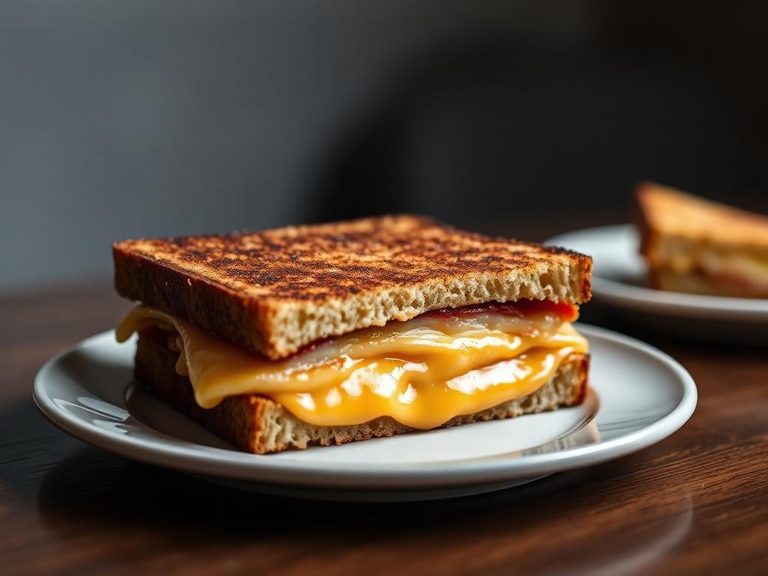
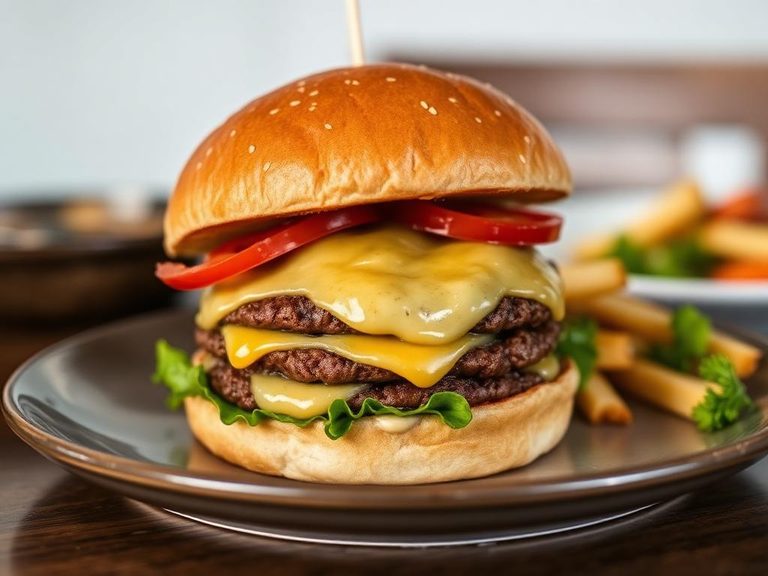
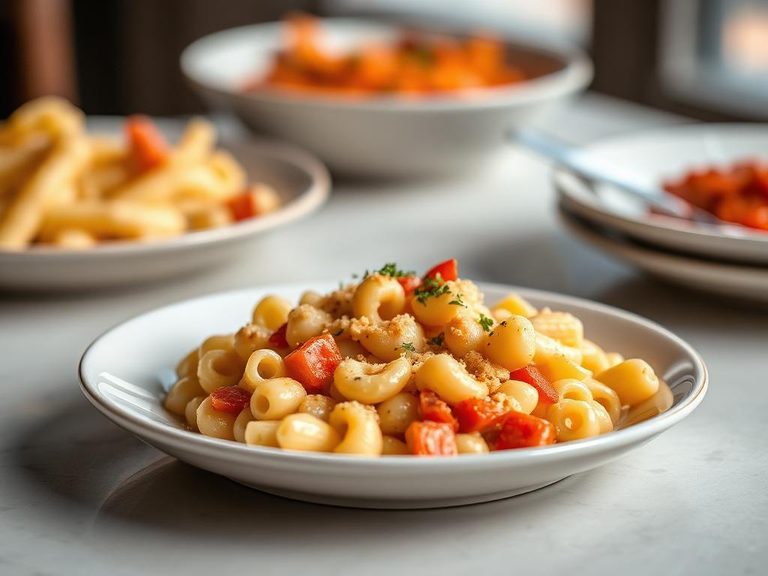
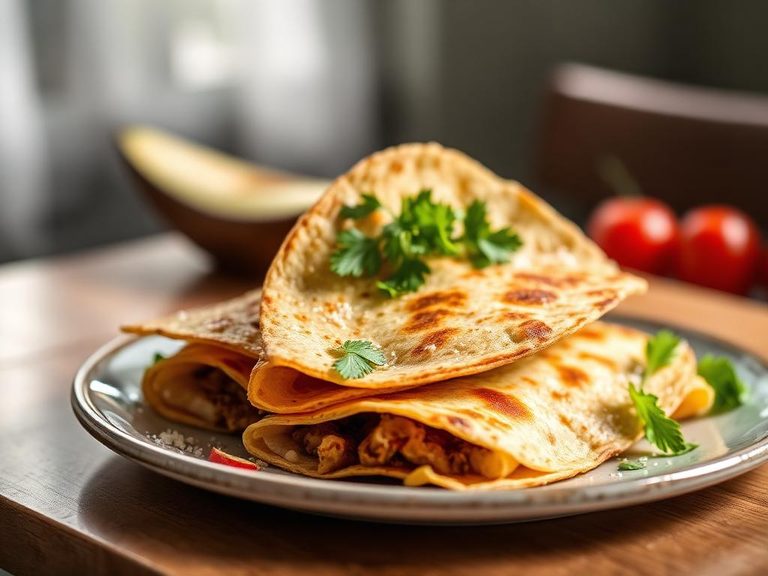
🌍 Where it's eaten
💡 Did you know?
The smooth, non-oily melt of processed cheese is due to emulsifying salts like sodium citrate, which were patented in the 1910s to stabilize the mixture of cheese, water, and fat.
Full nutrition (USDA data · scales with serving)
| Water | 38.0 g |
| Energy | 390 kcal |
| Energy | 1632 kj |
| Protein | 25.0 g |
| Total lipid (fat) | 32.0 g |
| Ash | 4.0 g |
| Carbohydrate, by difference | 1.0 g |
| Fiber, total dietary | 0.00 g |
| Total Sugars | 1.0 g |
| Calcium, Ca | 705 mg |
| Iron, Fe | 0.70 mg |
| Magnesium, Mg | 30.0 mg |
| Phosphorus, P | 530 mg |
| Potassium, K | 55.0 mg |
| Sodium, Na | 670 mg |
| Zinc, Zn | 3.0 mg |
| Copper, Cu | 0.03 mg |
| Selenium, Se | 14.6 ug |
| Vitamin C, total ascorbic acid | 0.00 mg |
| Thiamin | 0.03 mg |
| Riboflavin | 0.36 mg |
| Niacin | 0.08 mg |
| Vitamin B-6 | 0.07 mg |
| Folate, total | 18.0 ug |
| Folic acid | 0.00 ug |
| Folate, food | 18.0 ug |
| Folate, DFE | 18.0 ug |
| Choline, total | 0.10 mg |
| Vitamin B-12 | 0.83 ug |
| Vitamin B-12, added | 0.00 ug |
| Vitamin A, RAE | 115 ug |
| Retinol | 113 ug |
| Carotene, beta | 28.0 ug |
| Carotene, alpha | 0.00 ug |
| Cryptoxanthin, beta | 0.00 ug |
| Vitamin A, IU | 423 iu |
| Lycopene | 0.00 ug |
| Lutein + zeaxanthin | 0.00 ug |
| Vitamin E (alpha-tocopherol) | 0.28 mg |
| Vitamin E, added | 0.00 mg |
| Vitamin D (D2 + D3), International Units | 0.00 iu |
| Vitamin D (D2 + D3) | 0.00 ug |
| Vitamin K (phylloquinone) | 2.7 ug |
| Alcohol, ethyl | 0.00 g |
| Caffeine | 0.00 mg |
| Theobromine | 0.00 mg |
Fat & fatty acid profile (per 100g)
| Fatty acids, total saturated | 5.8 g |
| SFA 4:0 | 0.04 g |
| SFA 6:0 | 0.02 g |
| SFA 8:0 | 0.01 g |
| SFA 10:0 | 0.03 g |
| SFA 12:0 | 0.03 g |
| SFA 14:0 | 0.13 g |
| SFA 16:0 | 3.8 g |
| SFA 18:0 | 1.8 g |
| Fatty acids, total monounsaturated | 14.1 g |
| MUFA 16:1 | 0.03 g |
| MUFA 18:1 | 14.1 g |
| MUFA 20:1 | 0.00 g |
| MUFA 22:1 | 0.00 g |
| Fatty acids, total polyunsaturated | 10.6 g |
| PUFA 18:2 | 10.4 g |
| PUFA 18:3 | 0.18 g |
| PUFA 18:4 | 0.00 g |
| PUFA 20:4 | 0.00 g |
| PUFA 20:5 n-3 (EPA) | 0.00 g |
| PUFA 22:5 n-3 (DPA) | 0.00 g |
| PUFA 22:6 n-3 (DHA) | 0.00 g |
| Cholesterol | 15.0 mg |
FAQ
How is this different from regular cheddar cheese?
It's a processed product made by blending cheese with emulsifiers, oils, and sometimes milk solids. This gives it a smoother melt and longer shelf life, but alters the texture and flavor from natural cheddar.
Is it suitable for a low-carb diet?
Yes, with only 1g of carbs per 100g, it fits well into very low-carb or ketogenic diets as a source of fat and protein.
Why does it have no cholesterol?
Cholesterol is found in animal fats. This product is likely made with vegetable oils and non-dairy components, or the processing and formulation eliminate it, making it a cholesterol-free alternative.
Nutrient density (calculated · NRF9.3)
Nutrient Rich Foods index: beneficial nutrients (protein, fiber, vitamins, minerals) minus saturated fat, added sugar & sodium, per 100 kcal.
NRF9.3 index — Fulgoni, Keast & Drewnowski, 2009. Computed from USDA nutrients.
Weight-loss friendliness (composite index)
Energy density 3.90 kcal/g · 26% calories from protein · 0.0 g fiber · 1.0 g sugar per 100 g.
Composite of energy density (Rolls et al., 1999), protein & fiber satiety, minus sugar. A calculated heuristic — ranks satiety-per-calorie, not a clinical measure.
Dietary load (calculated from USDA values)
Potential renal acid load. Positive = acid-forming, negative = alkaline-forming.
Sodium-to-potassium ratio: 12.18 (lower is better — aim for ≤ 1)
Sodium:potassium per WHO potassium guidance. Computed from USDA nutrients.