

Game meat, bison, shoulder clod, separable lean only, trimmed to 0" fat, raw
Whole food · Lamb, Veal, and Game Products

Photo: Wikipedia
Bison shoulder clod is a lean, muscular cut from the shoulder, prized for its deep, slightly sweet, and earthy flavor that is richer than beef but remarkably low in fat. When raw, it presents a dense, fine-grained texture with a vibrant, dark red color. Nutritionally, it is a powerhouse, delivering an exceptional amount of protein (over 21g per 100g) with virtually no fat or carbohydrates, making it a top choice for high-protein, low-calorie diets.
Calorie split: 82% protein · 0% carbs · 18% fat
↓ Full nutrition💚 Why it's loved
People love bison for its clean, robust flavor that tastes like a more intense, less greasy version of beef. Its versatility makes it a favorite for everything from hearty stews to finely ground burgers, offering a gourmet, lean alternative that doesn't compromise on taste.
⚠️ Watch-outs & how to enjoy it better
The extreme leanness can lead to dry, tough results if overcooked, as there is no fat to baste the meat. To counteract this, use moist cooking methods like braising or slow-roasting, and always cook to a lower internal temperature (medium-rare to medium) than you would with beef. Also, note that bison is a red meat, so those managing iron intake or certain health conditions should consult a dietitian.
Key benefits
- Extremely high in protein for muscle repair and satiety
- Very low in fat and calories, ideal for weight management
- Rich in iron, zinc, and B vitamins, especially B12
- Contains conjugated linoleic acid (CLA) in its lean form
- Sourced from grass-fed animals, often with a better omega-3 profile than conventional beef
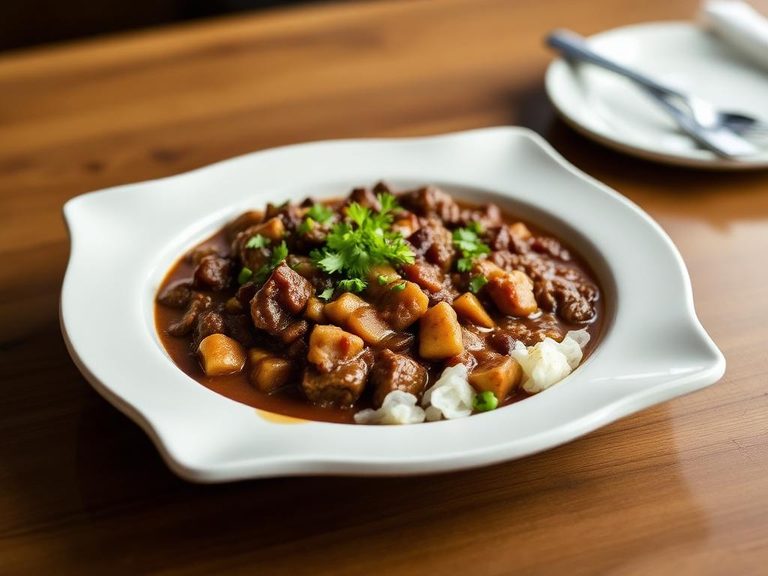
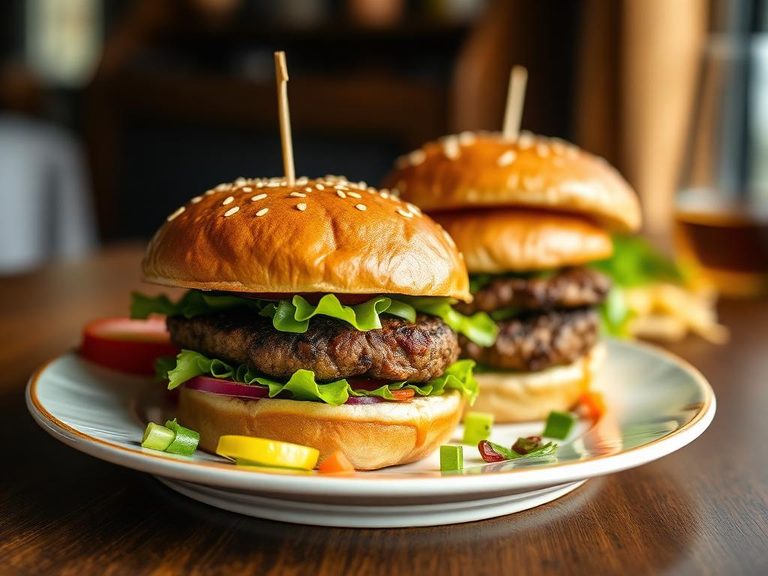
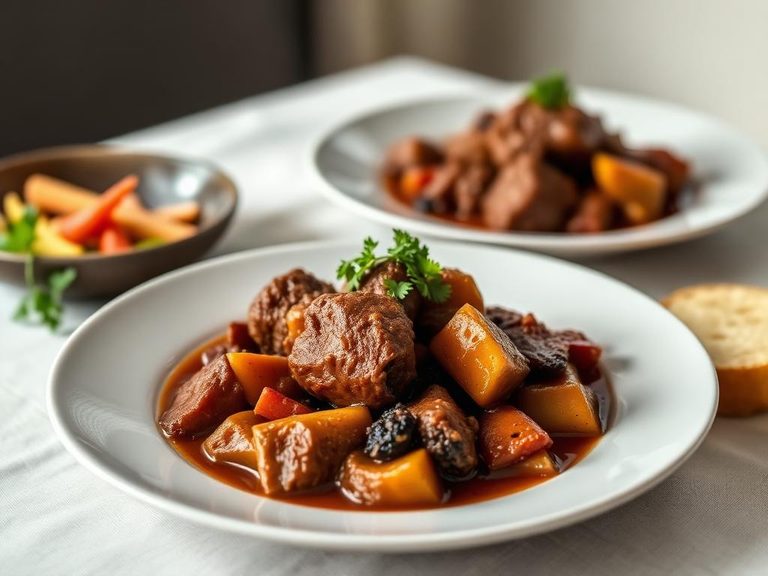
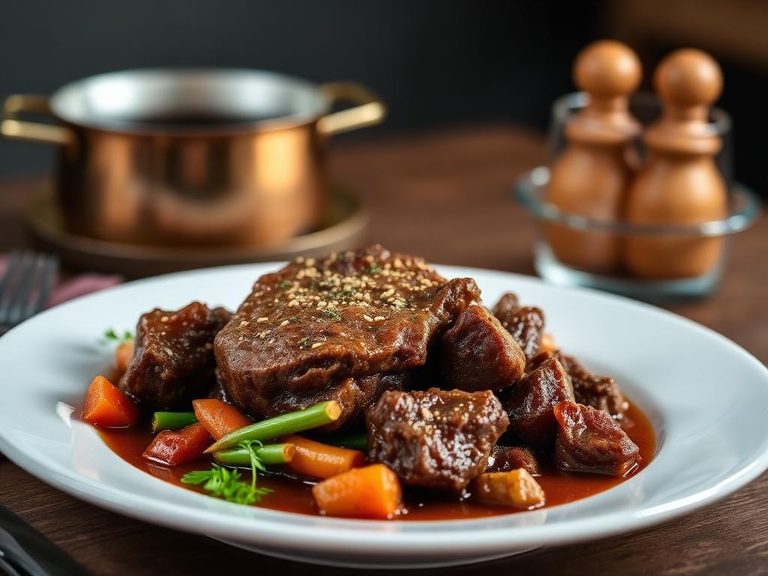
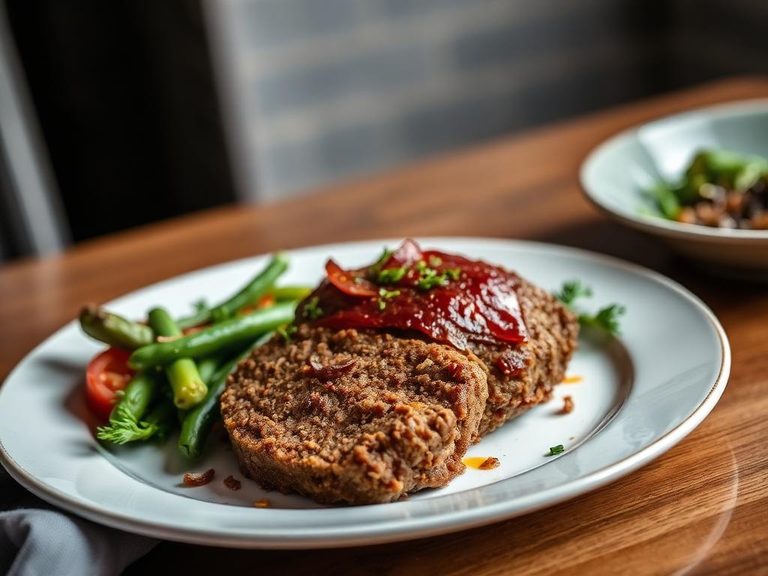
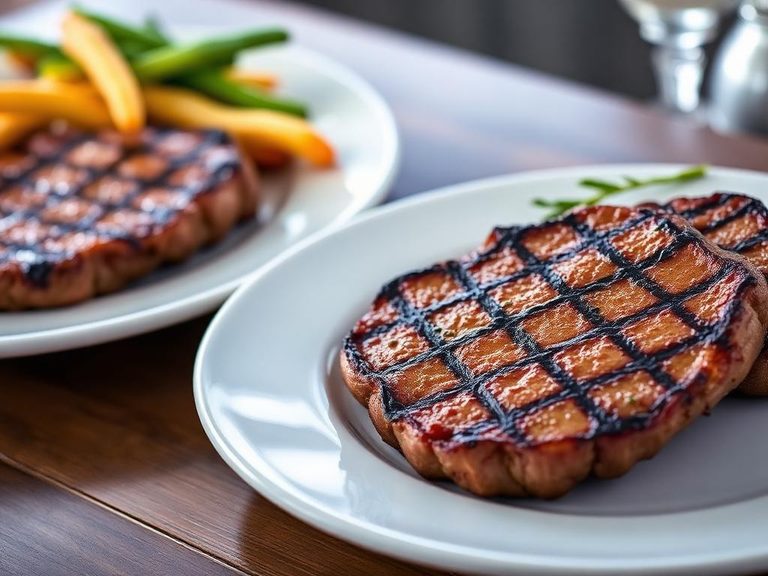
🍽️ Popular dishes
🌍 Where it's eaten
💡 Did you know?
Bison shoulder clod, when ground, is the secret behind many award-winning 'bison burgers' that win taste tests against beef, precisely because its lean, beefy flavor shines without the greasiness.
Full nutrition (USDA data · scales with serving)
| Water | 75.4 g |
| Energy | 109 kcal |
| Energy | 456 kj |
| Protein | 21.1 g |
| Total lipid (fat) | 2.1 g |
| Ash | 1.2 g |
| Carbohydrate, by difference | 0.00 g |
| Calcium, Ca | 4.0 mg |
| Iron, Fe | 3.0 mg |
| Magnesium, Mg | 24.0 mg |
| Phosphorus, P | 189 mg |
| Potassium, K | 322 mg |
| Sodium, Na | 59.0 mg |
| Zinc, Zn | 5.0 mg |
| Copper, Cu | 0.15 mg |
| Manganese, Mn | 0.01 mg |
| Selenium, Se | 26.4 ug |
| Vitamin C, total ascorbic acid | 0.00 mg |
| Thiamin | 0.04 mg |
| Riboflavin | 0.10 mg |
| Niacin | 1.9 mg |
| Vitamin B-6 | 0.22 mg |
| Vitamin B-12 | 2.2 ug |
| Vitamin A, RAE | 1.0 ug |
| Retinol | 1.0 ug |
| Vitamin A, IU | 2.0 iu |
| Vitamin E (alpha-tocopherol) | 0.05 mg |
| Tocopherol, gamma | 0.01 mg |
Fat & fatty acid profile (per 100g)
| Fatty acids, total saturated | 0.75 g |
| SFA 14:0 | 0.02 g |
| SFA 15:0 | 0.05 g |
| SFA 16:0 | 0.28 g |
| SFA 17:0 | 0.02 g |
| SFA 18:0 | 0.33 g |
| SFA 22:0 | 0.04 g |
| Fatty acids, total monounsaturated | 0.86 g |
| MUFA 14:1 | 0.00 g |
| MUFA 16:1 | 0.04 g |
| MUFA 18:1 | 0.79 g |
| MUFA 20:1 | 0.01 g |
| MUFA 22:1 | 0.02 g |
| Fatty acids, total polyunsaturated | 0.22 g |
| PUFA 18:2 | 0.21 g |
| PUFA 18:3 | 0.01 g |
| Cholesterol | 66.0 mg |
Amino acid profile (per 100g)
| Tryptophan | 0.00 g |
| Threonine | 0.87 g |
| Isoleucine | 0.89 g |
| Leucine | 1.6 g |
| Lysine | 1.6 g |
| Methionine | 0.50 g |
| Cystine | 0.00 g |
| Phenylalanine | 0.79 g |
| Tyrosine | 0.68 g |
| Valine | 0.95 g |
| Arginine | 1.3 g |
| Histidine | 0.56 g |
| Alanine | 1.2 g |
| Aspartic acid | 1.8 g |
| Glutamic acid | 3.1 g |
| Glycine | 1.0 g |
| Proline | 0.84 g |
| Serine | 0.80 g |
FAQ
Is bison meat a good source of iron?
Yes, bison is an excellent source of heme iron, which is more easily absorbed than plant-based iron. A 100g serving can provide over 20% of the daily value for iron.
Nutrient density (calculated · NRF9.3)
Nutrient Rich Foods index: beneficial nutrients (protein, fiber, vitamins, minerals) minus saturated fat, added sugar & sodium, per 100 kcal.
NRF9.3 index — Fulgoni, Keast & Drewnowski, 2009. Computed from USDA nutrients.
Weight-loss friendliness (composite index)
Energy density 1.09 kcal/g · 77% calories from protein · 0.0 g fiber · 0.0 g sugar per 100 g.
Composite of energy density (Rolls et al., 1999), protein & fiber satiety, minus sugar. A calculated heuristic — ranks satiety-per-calorie, not a clinical measure.
Dietary load (calculated from USDA values)
Potential renal acid load. Positive = acid-forming, negative = alkaline-forming.
Sodium-to-potassium ratio: 0.18 (lower is better — aim for ≤ 1)
Sodium:potassium per WHO potassium guidance. Computed from USDA nutrients.