

Game meat, bison, ribeye, separable lean only, trimmed to 0" fat, raw
Whole food · Lamb, Veal, and Game Products

Photo: Wikipedia
This is a lean, raw cut from the rib section of a bison, prized for its deep, rich beef-like flavor with a subtle sweetness and a firm, fine-grained texture. Nutritionally, it's a powerhouse, delivering an exceptional amount of protein per calorie with virtually no fat or carbohydrates. It's a premium, grass-fed red meat that offers a cleaner, more robust taste than conventional beef.
Calorie split: 80% protein · 0% carbs · 20% fat
↓ Full nutrition💚 Why it's loved
People love it for its intensely beefy, slightly sweet flavor that's more pronounced than standard beef, and its impressive nutritional profile that allows for hearty, satisfying meals without excess fat. It's a favorite among health-conscious meat lovers and those seeking a more ethical, sustainable red meat option.
⚠️ Watch-outs & how to enjoy it better
Due to its extreme leanness, it can become tough and dry if overcooked, requiring careful preparation. Its low fat content means it lacks the marbling that provides self-basting and juiciness in other cuts. To counteract dryness, cook it quickly to medium-rare, use a marinade with an acidic component to tenderize, or pair it with a flavorful sauce or compound butter.
Key benefits
- Extremely high in complete protein for muscle maintenance.
- Very low in fat and calories, ideal for lean diets.
- Rich in iron, zinc, and B vitamins like B12.
- Typically grass-fed, often higher in omega-3s than grain-fed beef.
- No carbohydrates, making it suitable for ketogenic and carnivore diets.
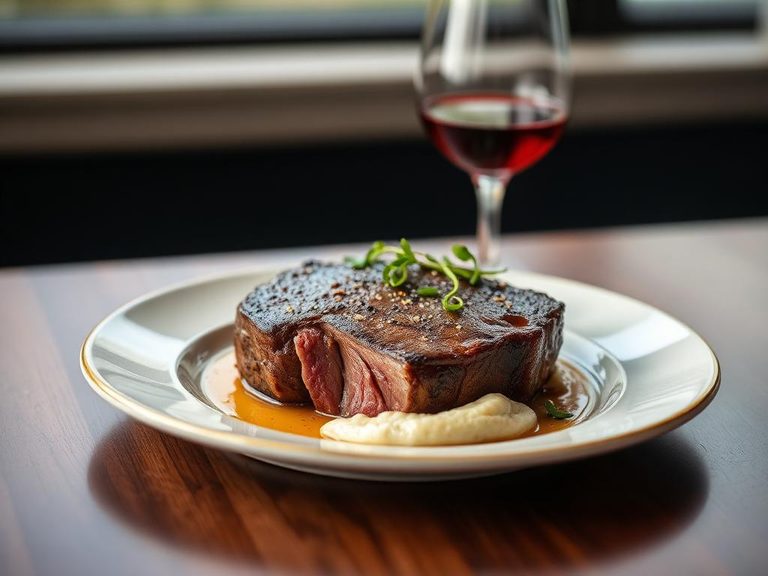
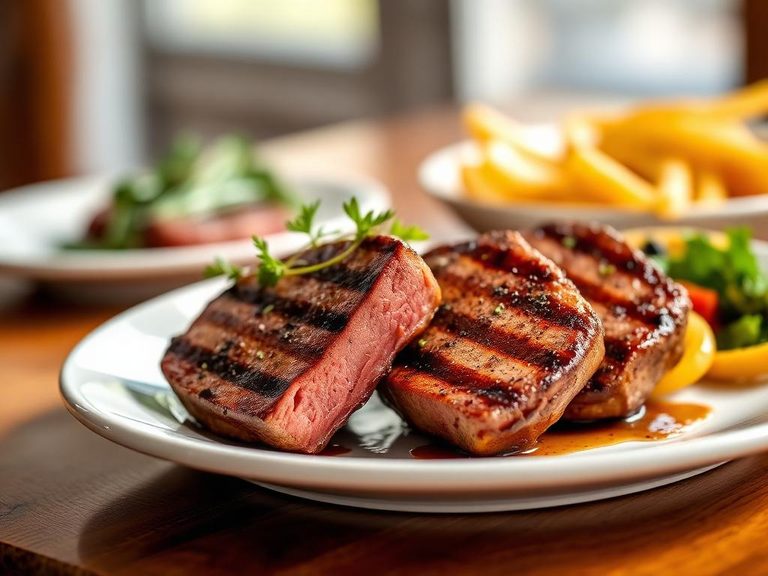
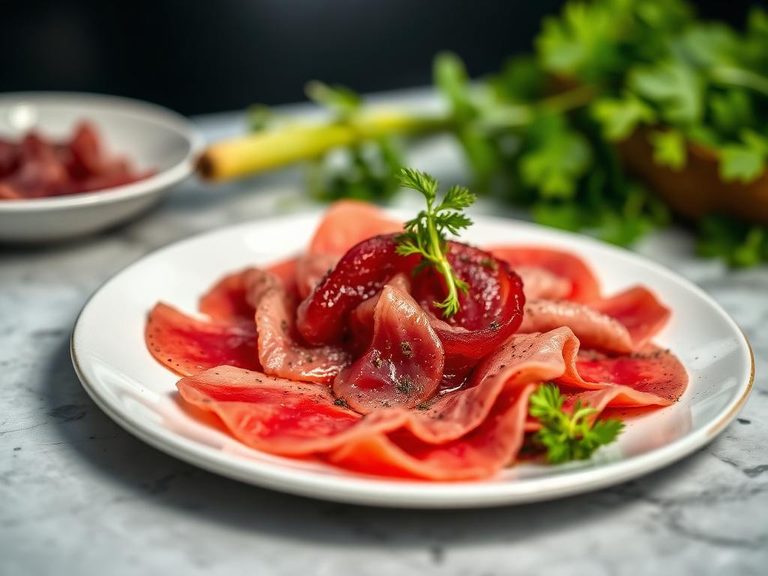
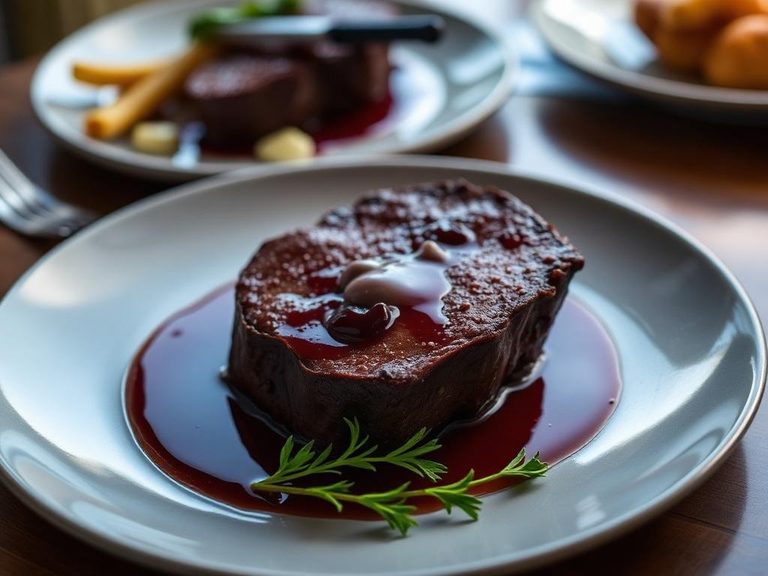
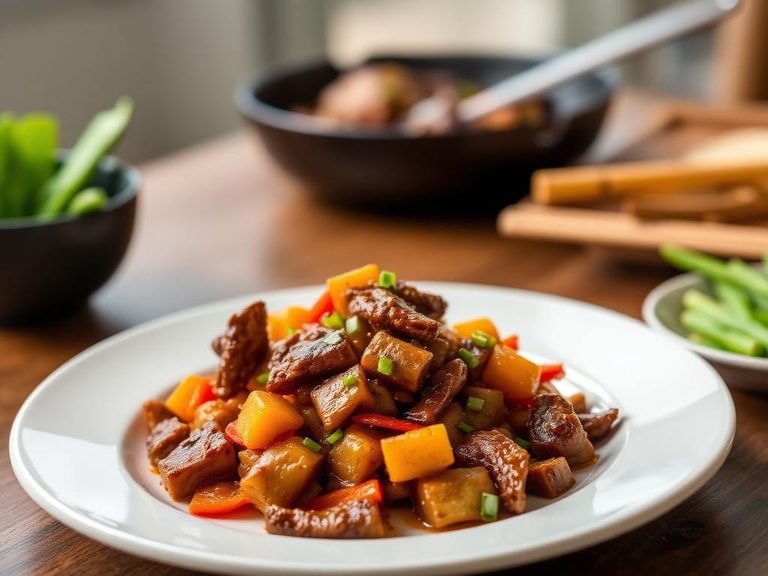
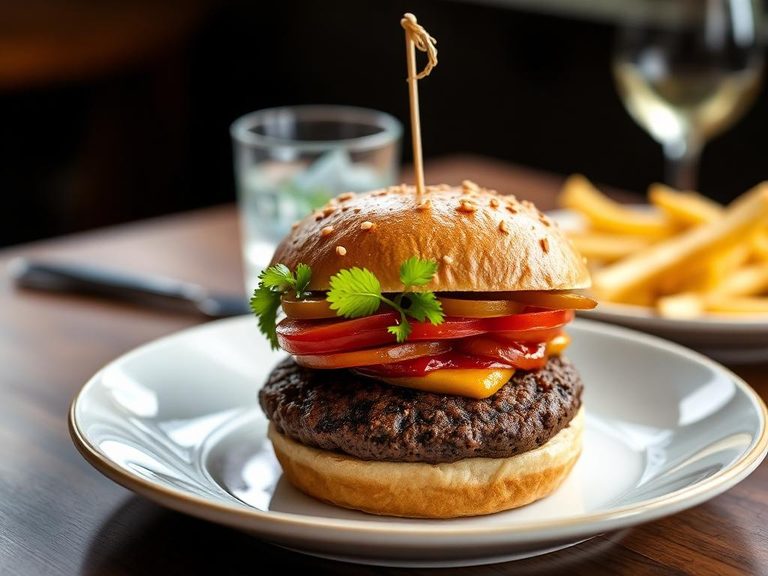
🍽️ Popular dishes
🌍 Where it's eaten
💡 Did you know?
Bison meat is naturally redder than beef because it contains more myoglobin, an oxygen-binding protein in muscle tissue, which is a result of the animal's active, free-roaming lifestyle on the plains.
Full nutrition (USDA data · scales with serving)
| Water | 74.0 g |
| Energy | 116 kcal |
| Energy | 485 kj |
| Protein | 22.1 g |
| Total lipid (fat) | 2.4 g |
| Ash | 1.2 g |
| Carbohydrate, by difference | 0.00 g |
| Calcium, Ca | 6.0 mg |
| Iron, Fe | 2.8 mg |
| Magnesium, Mg | 24.0 mg |
| Phosphorus, P | 198 mg |
| Potassium, K | 344 mg |
| Sodium, Na | 48.0 mg |
| Zinc, Zn | 3.2 mg |
| Copper, Cu | 0.13 mg |
| Manganese, Mn | 0.01 mg |
| Selenium, Se | 23.3 ug |
| Vitamin C, total ascorbic acid | 0.00 mg |
| Thiamin | 0.05 mg |
| Riboflavin | 0.09 mg |
| Niacin | 1.8 mg |
| Vitamin B-6 | 0.25 mg |
| Vitamin B-12 | 2.2 ug |
| Vitamin A, RAE | 1.0 ug |
| Retinol | 1.0 ug |
| Vitamin A, IU | 3.0 iu |
| Vitamin E (alpha-tocopherol) | 0.04 mg |
| Tocopherol, gamma | 0.01 mg |
Fat & fatty acid profile (per 100g)
| Fatty acids, total saturated | 0.90 g |
| SFA 14:0 | 0.03 g |
| SFA 15:0 | 0.05 g |
| SFA 16:0 | 0.36 g |
| SFA 17:0 | 0.03 g |
| SFA 18:0 | 0.40 g |
| SFA 22:0 | 0.04 g |
| Fatty acids, total monounsaturated | 1.00 g |
| MUFA 14:1 | 0.00 g |
| MUFA 16:1 | 0.05 g |
| MUFA 18:1 | 0.92 g |
| MUFA 20:1 | 0.01 g |
| MUFA 22:1 | 0.02 g |
| Fatty acids, total polyunsaturated | 0.19 g |
| PUFA 18:2 | 0.18 g |
| PUFA 18:3 | 0.01 g |
| Cholesterol | 62.0 mg |
Amino acid profile (per 100g)
| Tryptophan | 0.00 g |
| Threonine | 0.91 g |
| Isoleucine | 0.93 g |
| Leucine | 1.7 g |
| Lysine | 1.7 g |
| Methionine | 0.52 g |
| Cystine | 0.00 g |
| Phenylalanine | 0.83 g |
| Tyrosine | 0.71 g |
| Valine | 1.0 g |
| Arginine | 1.3 g |
| Histidine | 0.59 g |
| Alanine | 1.3 g |
| Aspartic acid | 1.9 g |
| Glutamic acid | 3.2 g |
| Glycine | 1.1 g |
| Proline | 0.88 g |
| Serine | 0.84 g |
FAQ
How does bison ribeye taste different from beef ribeye?
Bison has a richer, slightly sweeter, and more mineral-forward flavor than beef, often described as 'cleaner' or more 'gamey' without being overpowering. The texture is similar but can be leaner and finer-grained.
What's the best way to cook a lean bison ribeye?
Due to its low fat, quick, high-heat cooking is key. Grill, broil, or pan-sear to medium-rare (130-135°F internal temp). Overcooking will make it tough and dry. Let it rest after cooking.
Is bison meat sustainable?
Yes, bison ranching is often considered more sustainable than conventional cattle farming. Bison are hardy, require less intervention, can be raised on native grasses, and their grazing patterns can help restore prairie ecosystems.
Nutrient density (calculated · NRF9.3)
Nutrient Rich Foods index: beneficial nutrients (protein, fiber, vitamins, minerals) minus saturated fat, added sugar & sodium, per 100 kcal.
NRF9.3 index — Fulgoni, Keast & Drewnowski, 2009. Computed from USDA nutrients.
Weight-loss friendliness (composite index)
Energy density 1.16 kcal/g · 76% calories from protein · 0.0 g fiber · 0.0 g sugar per 100 g.
Composite of energy density (Rolls et al., 1999), protein & fiber satiety, minus sugar. A calculated heuristic — ranks satiety-per-calorie, not a clinical measure.
Dietary load (calculated from USDA values)
Potential renal acid load. Positive = acid-forming, negative = alkaline-forming.
Sodium-to-potassium ratio: 0.14 (lower is better — aim for ≤ 1)
Sodium:potassium per WHO potassium guidance. Computed from USDA nutrients.