

Fish, bass, striped, cooked, dry heat
Whole food · Finfish and Shellfish Products

Photo: Wikipedia
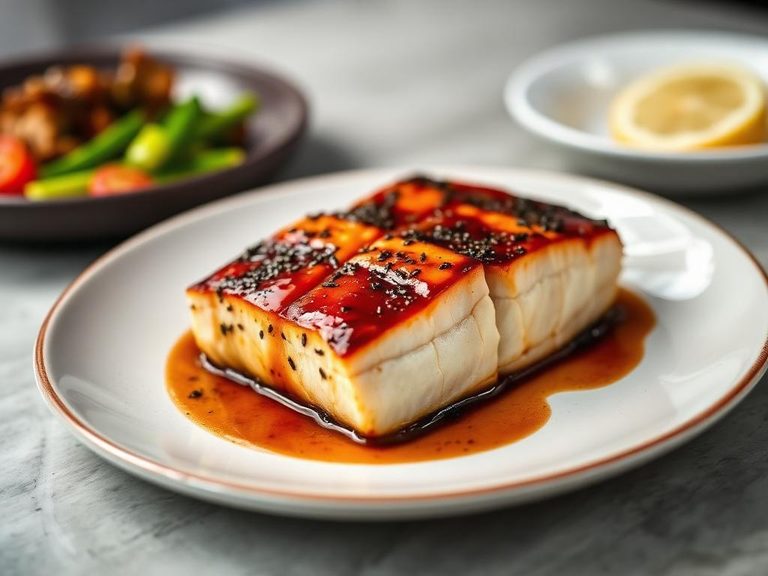
Striped bass, cooked with dry heat, offers a firm, meaty texture and a clean, mildly sweet flavor that holds up beautifully to grilling or roasting. Its pearly white flesh flakes into satisfying, substantial pieces, making it a favorite for those who prefer fish without a 'fishy' taste. Nutritionally, it's a powerhouse of lean protein with virtually no carbohydrates.
Calorie split: 77% protein · 0% carbs · 23% fat
↓ Full nutrition💚 Why it's loved
People love striped bass for its versatile, mild flavor that acts as a perfect canvas for bold seasonings, from simple lemon and herbs to spicy marinades. Its firm texture makes it ideal for cooking methods like grilling or pan-searing where it won't fall apart.
⚠️ Watch-outs & how to enjoy it better
As a firm-fleshed fish, it can dry out if overcooked, leading to a tough texture. To counteract this, use a meat thermometer to pull it at 145°F (63°C) and consider basting or using a glaze during cooking. It is also a common finfish allergen for those with seafood sensitivities.
Key benefits
- Excellent source of complete, lean protein for muscle maintenance
- Very low in fat, particularly saturated fat
- Provides important minerals like selenium and phosphorus
- Naturally free of carbohydrates and sugars
- A good source of heart-healthy omega-3 fatty acids
🍽️ Popular dishes
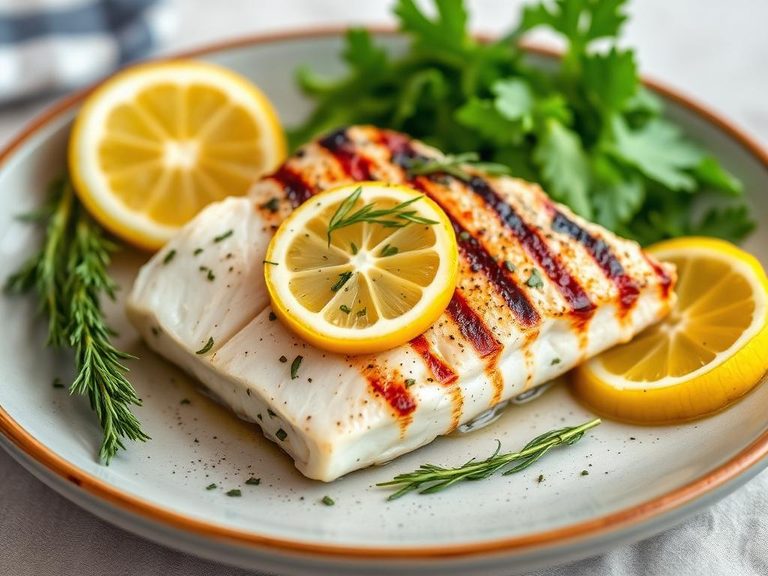
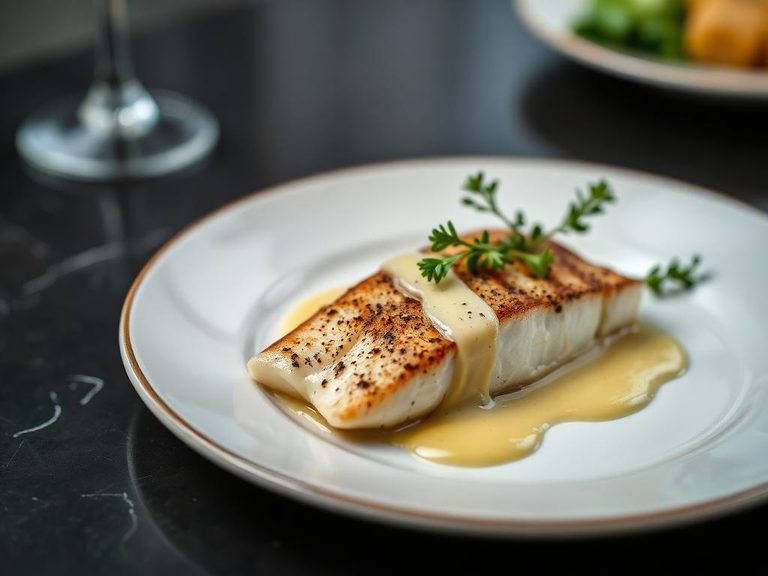
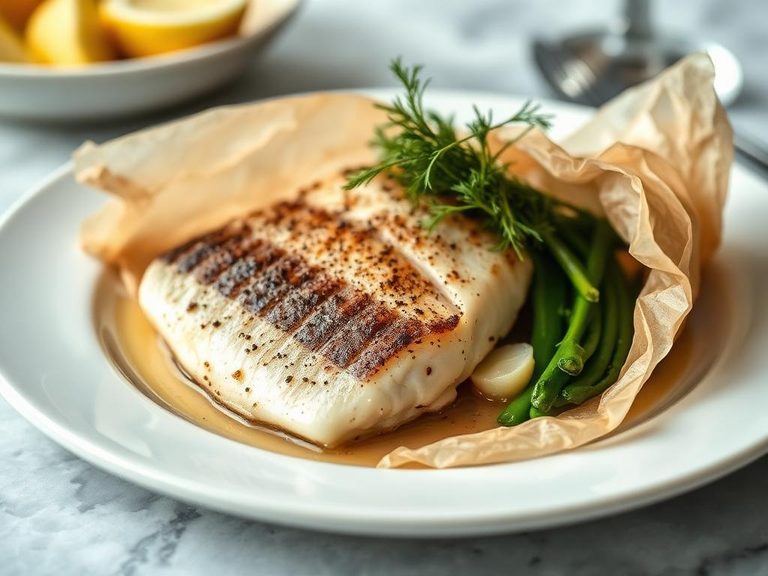
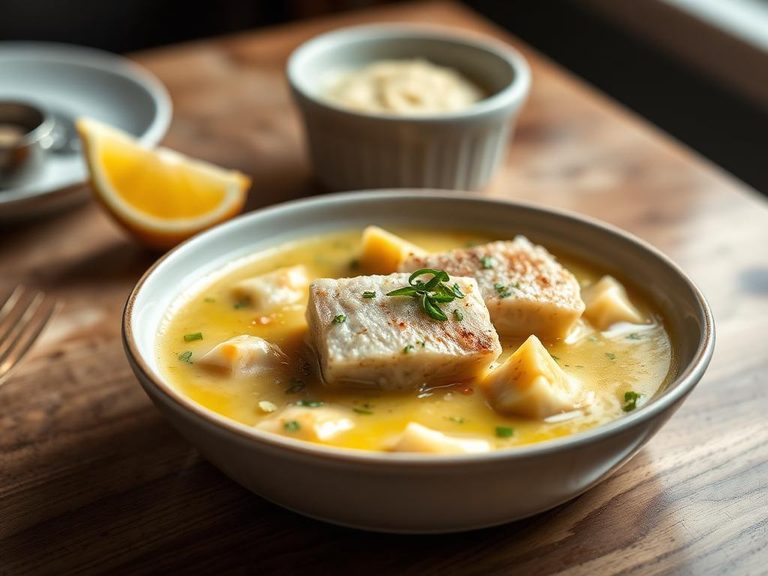
🌍 Where it's eaten
💡 Did you know?
Striped bass were so abundant in the 19th century that they were used as currency to pay workers building the Brooklyn Bridge.
Full nutrition (USDA data · scales with serving)
| Water | 73.4 g |
| Energy | 124 kcal |
| Energy | 519 kj |
| Protein | 22.7 g |
| Total lipid (fat) | 3.0 g |
| Ash | 1.3 g |
| Carbohydrate, by difference | 0.00 g |
| Fiber, total dietary | 0.00 g |
| Calcium, Ca | 19.0 mg |
| Iron, Fe | 1.1 mg |
| Magnesium, Mg | 51.0 mg |
| Phosphorus, P | 254 mg |
| Potassium, K | 328 mg |
| Sodium, Na | 88.0 mg |
| Zinc, Zn | 0.51 mg |
| Copper, Cu | 0.04 mg |
| Manganese, Mn | 0.02 mg |
| Selenium, Se | 46.8 ug |
| Vitamin C, total ascorbic acid | 0.00 mg |
| Thiamin | 0.12 mg |
| Riboflavin | 0.04 mg |
| Niacin | 2.6 mg |
| Pantothenic acid | 0.86 mg |
| Vitamin B-6 | 0.35 mg |
| Folate, total | 10.0 ug |
| Folic acid | 0.00 ug |
| Folate, food | 10.0 ug |
| Folate, DFE | 10.0 ug |
| Vitamin B-12 | 4.4 ug |
| Vitamin A, RAE | 31.0 ug |
| Retinol | 31.0 ug |
| Vitamin A, IU | 104 iu |
Fat & fatty acid profile (per 100g)
| Fatty acids, total saturated | 0.65 g |
| SFA 14:0 | 0.05 g |
| SFA 16:0 | 0.49 g |
| SFA 18:0 | 0.11 g |
| Fatty acids, total monounsaturated | 0.85 g |
| MUFA 16:1 | 0.19 g |
| MUFA 18:1 | 0.57 g |
| MUFA 20:1 | 0.07 g |
| Fatty acids, total polyunsaturated | 1.0 g |
| PUFA 18:2 | 0.02 g |
| PUFA 18:3 | 0.02 g |
| PUFA 20:5 n-3 (EPA) | 0.22 g |
| PUFA 22:6 n-3 (DHA) | 0.75 g |
| Cholesterol | 103 mg |
Amino acid profile (per 100g)
| Tryptophan | 0.26 g |
| Threonine | 1.00 g |
| Isoleucine | 1.0 g |
| Leucine | 1.8 g |
| Lysine | 2.1 g |
| Methionine | 0.67 g |
| Cystine | 0.24 g |
| Phenylalanine | 0.89 g |
| Tyrosine | 0.77 g |
| Valine | 1.2 g |
| Arginine | 1.4 g |
| Histidine | 0.67 g |
| Alanine | 1.4 g |
| Aspartic acid | 2.3 g |
| Glutamic acid | 3.4 g |
| Glycine | 1.1 g |
| Proline | 0.80 g |
| Serine | 0.93 g |
FAQ
How do I know when striped bass is done?
The fish is done when it reaches an internal temperature of 145°F (63°C) and the flesh turns opaque and flakes easily with a fork. For best texture, avoid overcooking.
What's the difference between wild and farmed striped bass?
Wild-caught striped bass often has a firmer texture and more robust flavor. Farmed (or hybrid) striped bass is more consistently available and may have a slightly milder taste and higher fat content.
Is striped bass sustainable to eat?
Sustainability varies by source. Look for wild-caught striped bass from the U.S. Atlantic coast certified by the Marine Stewardship Council (MSC) or check the Monterey Bay Aquarium Seafood Watch guide for the most current recommendations.
Nutrient density (calculated · NRF9.3)
Nutrient Rich Foods index: beneficial nutrients (protein, fiber, vitamins, minerals) minus saturated fat, added sugar & sodium, per 100 kcal.
NRF9.3 index — Fulgoni, Keast & Drewnowski, 2009. Computed from USDA nutrients.
Weight-loss friendliness (composite index)
Energy density 1.24 kcal/g · 73% calories from protein · 0.0 g fiber · 0.0 g sugar per 100 g.
Composite of energy density (Rolls et al., 1999), protein & fiber satiety, minus sugar. A calculated heuristic — ranks satiety-per-calorie, not a clinical measure.
Dietary load (calculated from USDA values)
Potential renal acid load. Positive = acid-forming, negative = alkaline-forming.
Sodium-to-potassium ratio: 0.27 (lower is better — aim for ≤ 1)
Sodium:potassium per WHO potassium guidance. Computed from USDA nutrients.