

Cress, garden, cooked, boiled, drained, without salt
Whole food · Vegetables and Vegetable Products

Photo: Wikipedia
Garden cress, once boiled, transforms from a peppery, crunchy seedling into a tender, olive-green vegetable with a milder, earthy tang and a soft, slightly slippery texture. Nutritionally, it's a low-calorie powerhouse, delivering a solid 1.9g of protein per 100g while being virtually fat-free. Its most notable feature is its high concentration of vitamins K and C, far exceeding many common greens.
Calorie split: 27% protein · 54% carbs · 19% fat
↓ Full nutrition💚 Why it's loved
People love garden cress for its unique, sharp peppery kick that can elevate a simple sandwich or salad, a flavor that mellows pleasantly when cooked. It's also cherished as a fast-growing, year-round microgreen, offering fresh nutrition from windowsill to plate in just days.
⚠️ Watch-outs & how to enjoy it better
The potent, mustard-like flavor can be overpowering for some palates, especially when raw. It's also high in vitamin K, which individuals on blood-thinning medication like warfarin should monitor consistently. To temper the intensity, it's often blanched or paired with creamy elements like egg or avocado, which also help balance its strong nutritional profile.
Key benefits
- Exceptionally high in vitamin K, crucial for bone health and blood clotting.
- Very good source of vitamin C, an antioxidant that supports immune function.
- Provides plant-based protein with minimal calories.
- Contains glucosinolates, compounds studied for their potential health benefits.
- Rich in iron and calcium for a leafy green.
🍽️ Popular dishes

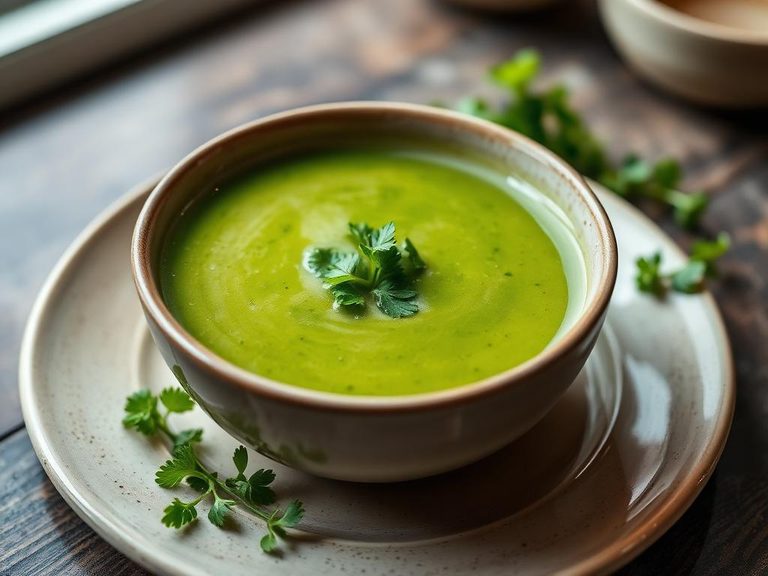
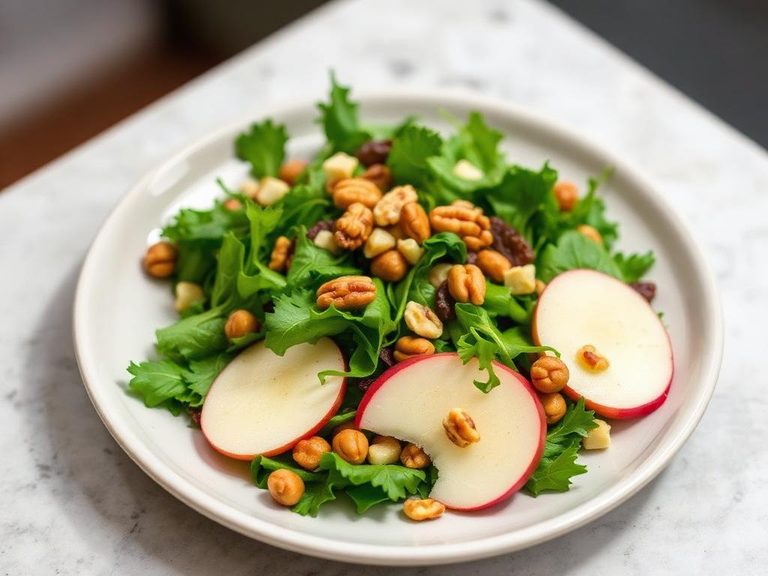

🌍 Where it's eaten
💡 Did you know?
Garden cress is a fast-growing annual that can be harvested in as little as 7-10 days from sowing, making it one of the quickest 'seed-to-plate' vegetables you can grow.
Full nutrition (USDA data · scales with serving)
| Water | 92.5 g |
| Energy | 23.0 kcal |
| Energy | 96.0 kj |
| Protein | 1.9 g |
| Total lipid (fat) | 0.60 g |
| Ash | 1.2 g |
| Carbohydrate, by difference | 3.8 g |
| Fiber, total dietary | 0.70 g |
| Total Sugars | 3.1 g |
| Calcium, Ca | 61.0 mg |
| Iron, Fe | 0.80 mg |
| Magnesium, Mg | 26.0 mg |
| Phosphorus, P | 48.0 mg |
| Potassium, K | 353 mg |
| Sodium, Na | 8.0 mg |
| Zinc, Zn | 0.15 mg |
| Copper, Cu | 0.11 mg |
| Manganese, Mn | 0.37 mg |
| Selenium, Se | 0.90 ug |
| Vitamin C, total ascorbic acid | 23.0 mg |
| Thiamin | 0.06 mg |
| Riboflavin | 0.16 mg |
| Niacin | 0.80 mg |
| Pantothenic acid | 0.16 mg |
| Vitamin B-6 | 0.16 mg |
| Folate, total | 37.0 ug |
| Folic acid | 0.00 ug |
| Folate, food | 37.0 ug |
| Folate, DFE | 37.0 ug |
| Choline, total | 13.8 mg |
| Vitamin B-12 | 0.00 ug |
| Vitamin B-12, added | 0.00 ug |
| Vitamin A, RAE | 232 ug |
| Retinol | 0.00 ug |
| Carotene, beta | 2790 ug |
| Carotene, alpha | 0.00 ug |
| Cryptoxanthin, beta | 0.00 ug |
| Vitamin A, IU | 4649 iu |
| Lycopene | 0.00 ug |
| Lutein + zeaxanthin | 8402 ug |
| Vitamin E (alpha-tocopherol) | 0.50 mg |
| Vitamin E, added | 0.00 mg |
| Vitamin D (D2 + D3), International Units | 0.00 iu |
| Vitamin D (D2 + D3) | 0.00 ug |
| Vitamin K (phylloquinone) | 383 ug |
| Alcohol, ethyl | 0.00 g |
| Caffeine | 0.00 mg |
| Theobromine | 0.00 mg |
Fat & fatty acid profile (per 100g)
| Fatty acids, total saturated | 0.02 g |
| SFA 4:0 | 0.00 g |
| SFA 6:0 | 0.00 g |
| SFA 8:0 | 0.00 g |
| SFA 10:0 | 0.00 g |
| SFA 12:0 | 0.00 g |
| SFA 14:0 | 0.00 g |
| SFA 16:0 | 0.01 g |
| SFA 18:0 | 0.01 g |
| Fatty acids, total monounsaturated | 0.20 g |
| MUFA 16:1 | 0.00 g |
| MUFA 18:1 | 0.07 g |
| MUFA 20:1 | 0.05 g |
| MUFA 22:1 | 0.08 g |
| Fatty acids, total polyunsaturated | 0.20 g |
| PUFA 18:2 | 0.13 g |
| PUFA 18:3 | 0.07 g |
| PUFA 18:4 | 0.00 g |
| PUFA 20:4 | 0.00 g |
| PUFA 20:5 n-3 (EPA) | 0.00 g |
| PUFA 22:5 n-3 (DPA) | 0.00 g |
| PUFA 22:6 n-3 (DHA) | 0.00 g |
| Fatty acids, total trans | 0.00 g |
| Cholesterol | 0.00 mg |
FAQ
How is garden cress different from watercress?
Garden cress (Lepidium sativum) is a terrestrial plant with a sharper, more mustard-like flavor. Watercress (Nasturtium officinale) is an aquatic plant with a milder, more peppery taste. They are from different plant families.
Can I eat garden cress raw?
Yes, it's commonly eaten raw in salads and sandwiches. Its flavor is most intense when raw. Cooking, especially boiling, significantly mellows its peppery bite.
How do I store cooked garden cress?
Store boiled and drained cress in an airtight container in the refrigerator for up to 2-3 days. It's best used soon after cooking as its texture can become overly soft.
Nutrient density (calculated · NRF9.3)
Nutrient Rich Foods index: beneficial nutrients (protein, fiber, vitamins, minerals) minus saturated fat, added sugar & sodium, per 100 kcal.
NRF9.3 index — Fulgoni, Keast & Drewnowski, 2009. Computed from USDA nutrients.
Weight-loss friendliness (composite index)
Energy density 0.23 kcal/g · 33% calories from protein · 0.7 g fiber · 3.1 g sugar per 100 g.
Composite of energy density (Rolls et al., 1999), protein & fiber satiety, minus sugar. A calculated heuristic — ranks satiety-per-calorie, not a clinical measure.
Dietary load (calculated from USDA values)
Potential renal acid load. Positive = acid-forming, negative = alkaline-forming.
Sodium-to-potassium ratio: 0.02 (lower is better — aim for ≤ 1)
Sodium:potassium per WHO potassium guidance. Computed from USDA nutrients.