

Cream substitute, liquid, with lauric acid oil and sodium caseinate
Whole food · Dairy and Egg Products

Photo: Wikipedia
This is a smooth, pourable coffee creamer designed to mimic heavy cream, with a rich, slightly oily mouthfeel from lauric acid and a milky flavor from sodium caseinate. Nutritionally, it's a dense source of fat and carbs with minimal protein, making it a high-energy addition to beverages.
Calorie split: 3% protein · 33% carbs · 64% fat
↓ Full nutrition💚 Why it's loved
People love it for its convenience and ability to instantly transform black coffee or tea into a rich, indulgent treat. Its neutral, milky flavor and velvety texture make it a versatile staple for quick beverages.
⚠️ Watch-outs & how to enjoy it better
It's high in calories and fats from lauric acid oil, which can contribute to weight gain if overused. As it contains sodium caseinate (a milk derivative), it's not suitable for those with dairy allergies or strict vegan diets. To counteract, use sparingly, measure portions, and consider pairing with a protein-rich snack to improve satiety.
Key benefits
- Provides a rich, creamy texture without dairy cream
- Long shelf life when unopened
- Quick-dissolving for instant use in hot or cold drinks
- Offers a consistent flavor profile for food service
- Contains lauric acid, a medium-chain fatty acid
🍽️ Popular dishes

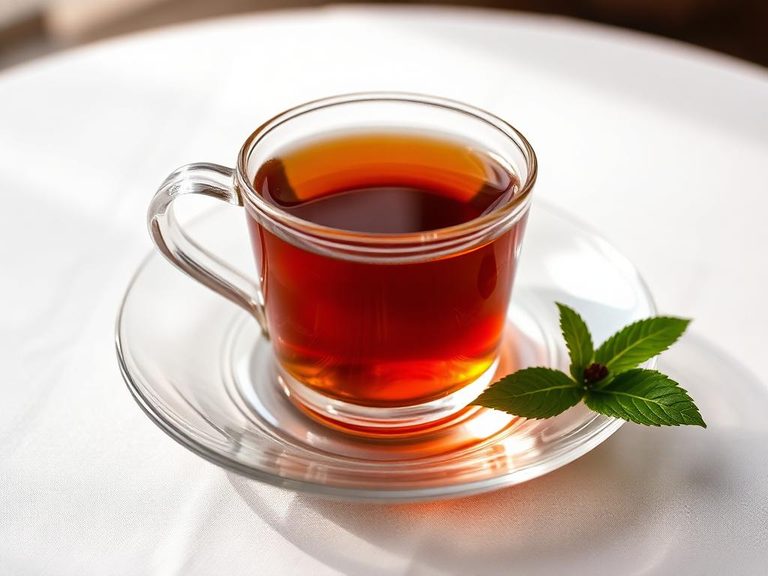
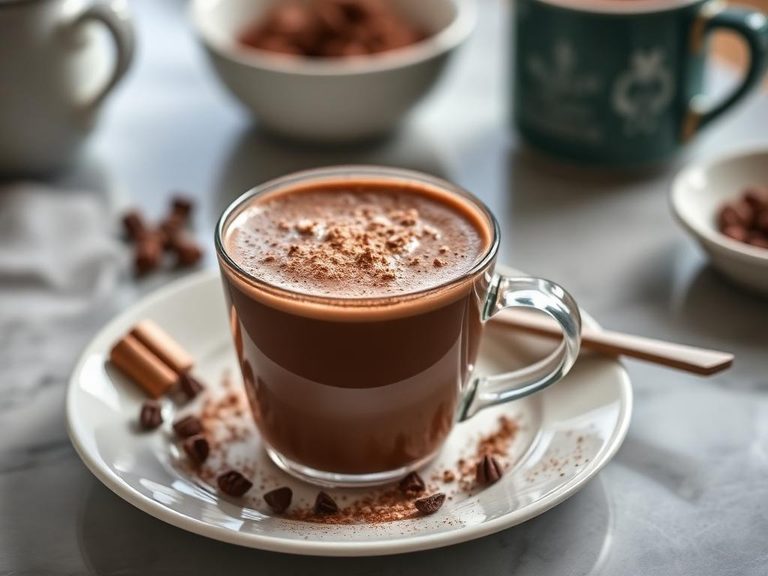
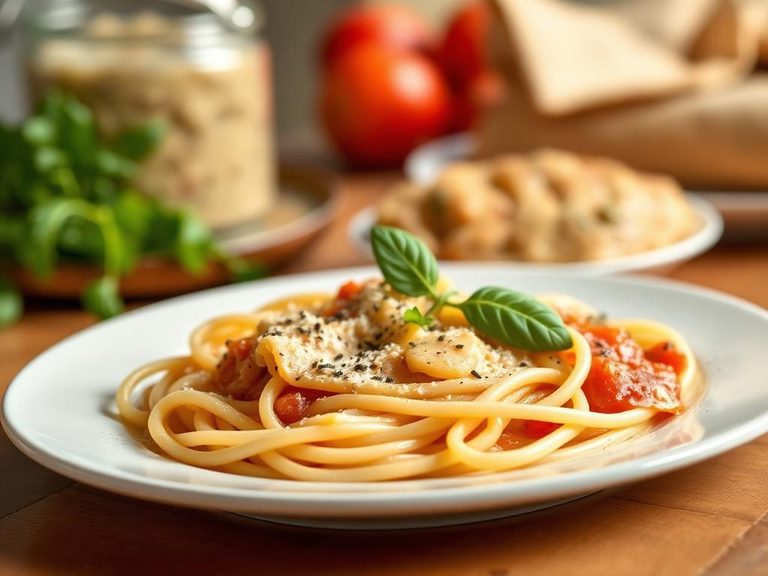
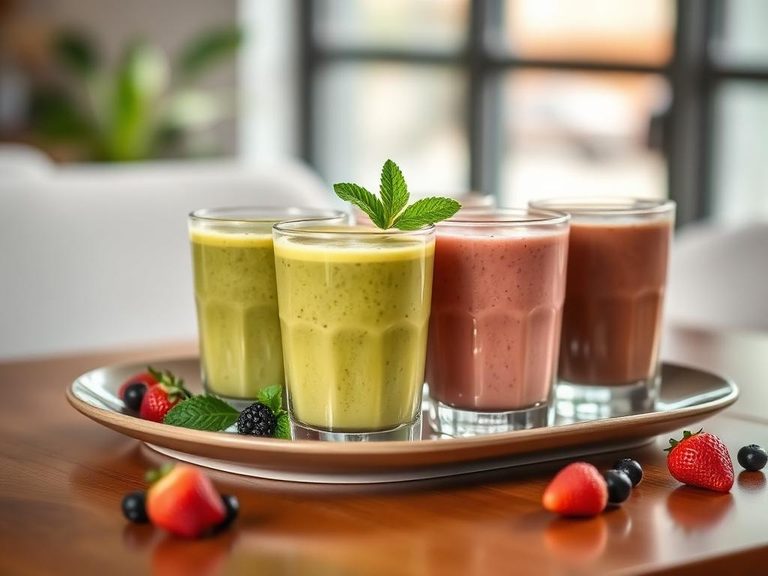
🌍 Where it's eaten
💡 Did you know?
Lauric acid, a primary fat in this creamer, is also found in high concentrations in coconut oil and palm kernel oil.
Full nutrition (USDA data · scales with serving)
| Water | 77.3 g |
| Energy | 136 kcal |
| Energy | 571 kj |
| Protein | 1.0 g |
| Total lipid (fat) | 10.0 g |
| Ash | 0.38 g |
| Carbohydrate, by difference | 11.4 g |
| Fiber, total dietary | 0.00 g |
| Calcium, Ca | 9.0 mg |
| Iron, Fe | 0.03 mg |
| Magnesium, Mg | 0.00 mg |
| Phosphorus, P | 64.0 mg |
| Potassium, K | 191 mg |
| Sodium, Na | 79.0 mg |
| Zinc, Zn | 0.02 mg |
| Copper, Cu | 0.03 mg |
| Manganese, Mn | 0.04 mg |
| Selenium, Se | 1.1 ug |
| Vitamin C, total ascorbic acid | 0.00 mg |
| Thiamin | 0.00 mg |
| Riboflavin | 0.00 mg |
| Niacin | 0.00 mg |
| Pantothenic acid | 0.00 mg |
| Vitamin B-6 | 0.00 mg |
| Folate, total | 0.00 ug |
| Folic acid | 0.00 ug |
| Folate, food | 0.00 ug |
| Folate, DFE | 0.00 ug |
| Vitamin B-12 | 0.00 ug |
| Vitamin A, RAE | 4.0 ug |
| Retinol | 0.00 ug |
| Vitamin A, IU | 89.0 iu |
Fat & fatty acid profile (per 100g)
| Fatty acids, total saturated | 9.3 g |
| SFA 4:0 | 0.00 g |
| SFA 6:0 | 0.00 g |
| SFA 8:0 | 0.35 g |
| SFA 10:0 | 0.28 g |
| SFA 12:0 | 6.6 g |
| SFA 14:0 | 1.0 g |
| SFA 16:0 | 0.43 g |
| SFA 18:0 | 0.60 g |
| Fatty acids, total monounsaturated | 0.11 g |
| MUFA 16:1 | 0.00 g |
| MUFA 18:1 | 0.11 g |
| Fatty acids, total polyunsaturated | 0.00 g |
| PUFA 18:2 | 0.00 g |
| PUFA 18:3 | 0.00 g |
| PUFA 20:4 | 0.00 g |
| Cholesterol | 0.00 mg |
| Phytosterols | 9.0 mg |
Amino acid profile (per 100g)
| Tryptophan | 0.01 g |
| Threonine | 0.04 g |
| Isoleucine | 0.06 g |
| Leucine | 0.10 g |
| Lysine | 0.08 g |
| Methionine | 0.03 g |
| Cystine | 0.00 g |
| Phenylalanine | 0.05 g |
| Tyrosine | 0.06 g |
| Valine | 0.07 g |
| Arginine | 0.04 g |
| Histidine | 0.03 g |
| Alanine | 0.03 g |
| Aspartic acid | 0.07 g |
| Glutamic acid | 0.23 g |
| Glycine | 0.02 g |
| Proline | 0.11 g |
| Serine | 0.06 g |
FAQ
Is this the same as half-and-half?
No. Half-and-half is a blend of milk and cream, while this is a non-dairy or dairy-substitute product using oils and caseinate for texture.
Can I use it in cooking?
Yes, it can add creaminess to sauces, soups, or baked goods, but it may behave differently than fresh cream under high heat.
Why is it called a 'substitute'?
It's formulated to mimic the taste and function of dairy cream, often at a lower cost and with a longer shelf life for commercial use.
Nutrient density (calculated · NRF9.3)
Nutrient Rich Foods index: beneficial nutrients (protein, fiber, vitamins, minerals) minus saturated fat, added sugar & sodium, per 100 kcal.
NRF9.3 index — Fulgoni, Keast & Drewnowski, 2009. Computed from USDA nutrients.
Weight-loss friendliness (composite index)
Energy density 1.36 kcal/g · 3% calories from protein · 0.0 g fiber · 0.0 g sugar per 100 g.
Composite of energy density (Rolls et al., 1999), protein & fiber satiety, minus sugar. A calculated heuristic — ranks satiety-per-calorie, not a clinical measure.
Dietary load (calculated from USDA values)
Potential renal acid load. Positive = acid-forming, negative = alkaline-forming.
Sodium-to-potassium ratio: 0.41 (lower is better — aim for ≤ 1)
Sodium:potassium per WHO potassium guidance. Computed from USDA nutrients.