

Corn flour, yellow, masa, enriched
Whole food · Cereal Grains and Pasta

Photo: Wikipedia
This is finely ground yellow corn flour that has been treated with lime in a process called nixtamalization, giving it a distinct, earthy aroma and a soft, pliable texture when mixed with water. It's the foundational dough for masa, the heart of countless Latin American dishes. Nutritionally, it's a significant source of carbohydrates for energy, with a notable 8.46g of plant-based protein per 100g.
Calorie split: 9% protein · 82% carbs · 9% fat
↓ Full nutrition💚 Why it's loved
People love it for its authentic, toasty corn flavor and its magical ability to form a smooth, workable dough that puffs perfectly when cooked. It's the essential ingredient that connects home cooks and chefs to centuries of culinary tradition.
⚠️ Watch-outs & how to enjoy it better
As a refined, high-carb flour, it can cause rapid blood sugar spikes if eaten alone or in large portions. To counteract this, always pair masa dishes with protein (beans, meat) and healthy fats (avocado, cheese), and practice portion control. The enriched version adds back nutrients but may contain added folic acid.
Key benefits
- Excellent source of complex carbohydrates for sustained energy.
- Good plant-based protein content for muscle maintenance.
- Nixtamalization increases calcium and niacin (B3) bioavailability.
- Provides dietary fiber for digestive health.
- Naturally gluten-free, suitable for celiac diets.
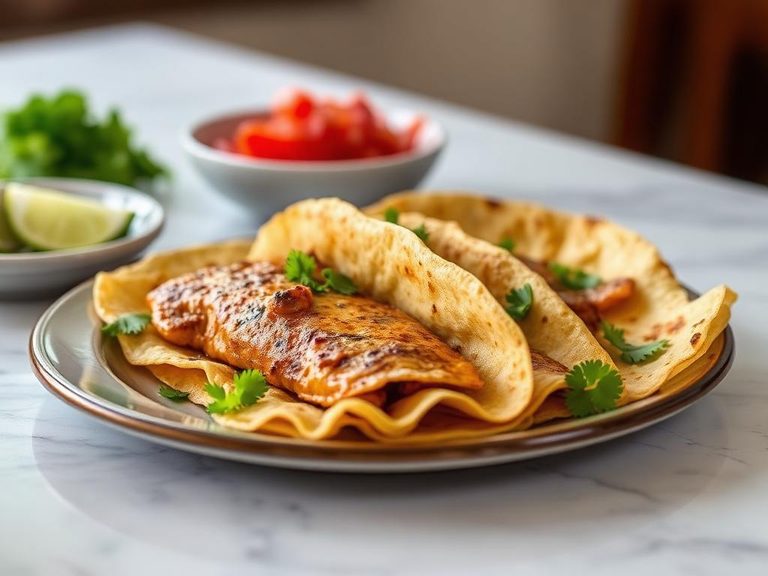
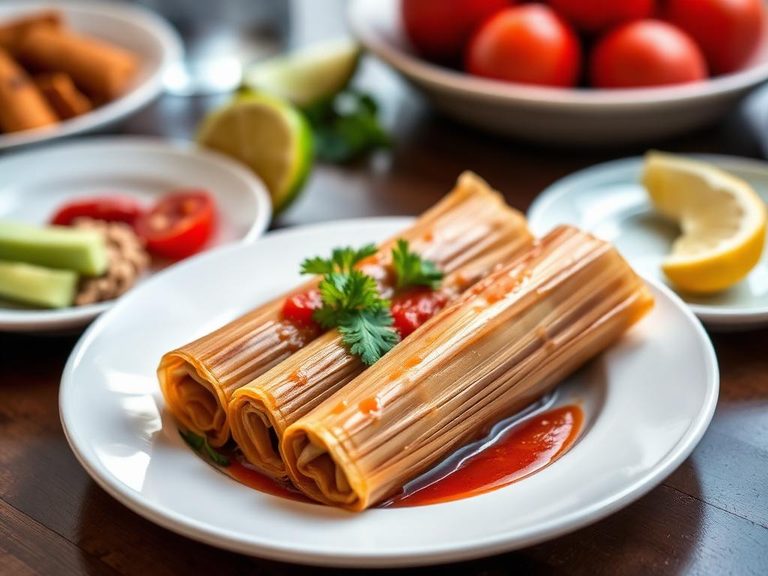
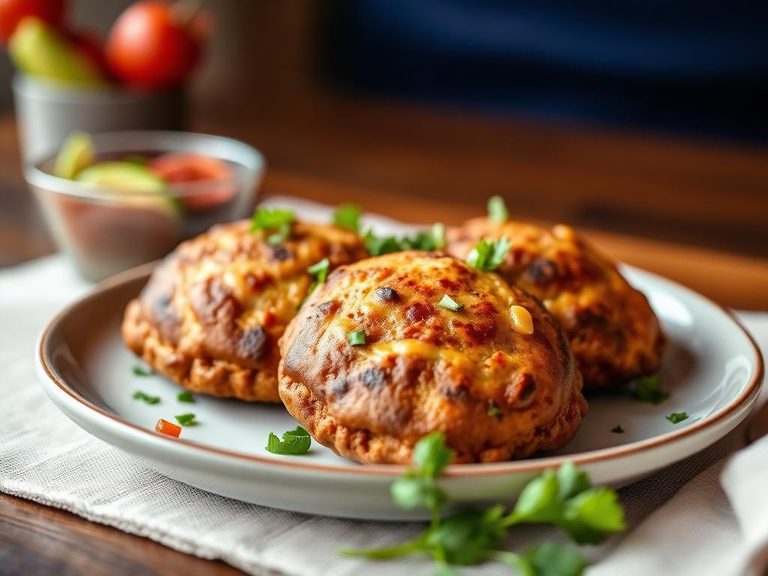
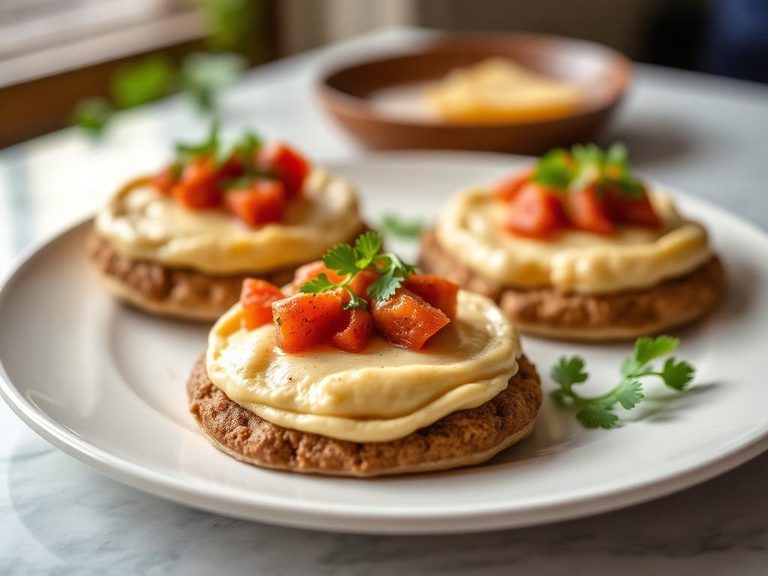
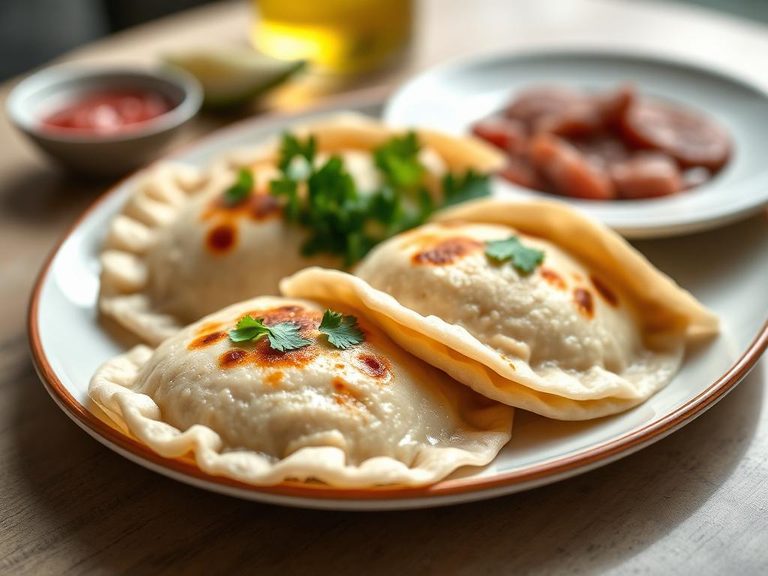
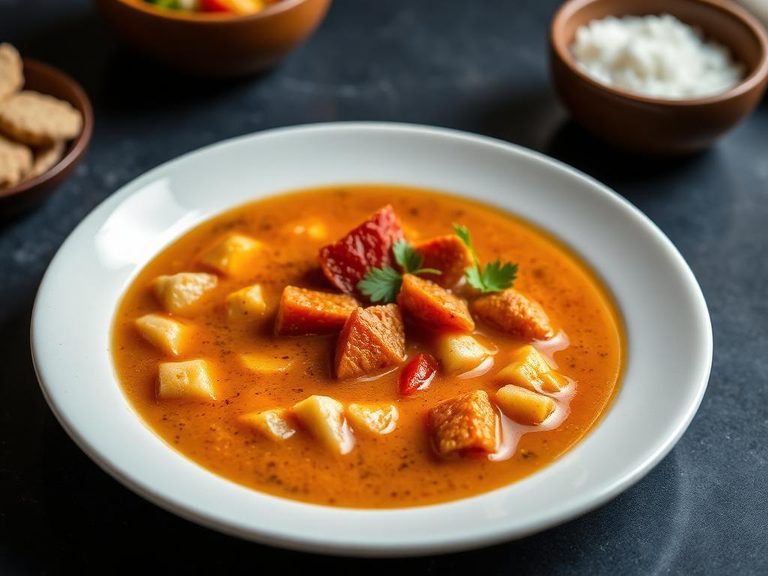
🍽️ Popular dishes
🌍 Where it's eaten
💡 Did you know?
The nixtamalization process, which involves cooking corn with an alkaline solution like lime water, was a revolutionary Mesoamerican invention that unlocked niacin (vitamin B3), preventing pellagra in populations where corn was a staple.
Full nutrition (USDA data · scales with serving)
| Water | 9.8 g |
| Energy | 363 kcal |
| Energy | 1517 kj |
| Protein | 8.5 g |
| Total lipid (fat) | 3.7 g |
| Ash | 1.5 g |
| Carbohydrate, by difference | 76.6 g |
| Fiber, total dietary | 6.4 g |
| Starch | 66.0 g |
| Calcium, Ca | 138 mg |
| Iron, Fe | 8.5 mg |
| Magnesium, Mg | 93.0 mg |
| Phosphorus, P | 231 mg |
| Potassium, K | 262 mg |
| Sodium, Na | 5.0 mg |
| Zinc, Zn | 1.8 mg |
| Copper, Cu | 0.21 mg |
| Manganese, Mn | 0.38 mg |
| Selenium, Se | 10.5 ug |
| Vitamin C, total ascorbic acid | 0.00 mg |
| Thiamin | 1.5 mg |
| Riboflavin | 0.81 mg |
| Niacin | 9.9 mg |
| Pantothenic acid | 0.19 mg |
| Vitamin B-6 | 0.47 mg |
| Folate, total | 162 ug |
| Folic acid | 133 ug |
| Folate, food | 29.0 ug |
| Folate, DFE | 256 ug |
| Vitamin B-12 | 0.00 ug |
| Vitamin A, RAE | 11.0 ug |
| Retinol | 0.00 ug |
| Carotene, beta | 97.0 ug |
| Carotene, alpha | 63.0 ug |
| Cryptoxanthin, beta | 0.00 ug |
| Vitamin A, IU | 214 iu |
| Lycopene | 0.00 ug |
| Lutein + zeaxanthin | 6.0 ug |
| Vitamin D (D2 + D3), International Units | 0.00 iu |
| Vitamin D (D2 + D3) | 0.00 ug |
Fat & fatty acid profile (per 100g)
| Fatty acids, total saturated | 0.53 g |
| SFA 16:0 | 0.45 g |
| SFA 18:0 | 0.06 g |
| Fatty acids, total monounsaturated | 1.00 g |
| MUFA 16:1 | 0.00 g |
| MUFA 18:1 | 0.99 g |
| Fatty acids, total polyunsaturated | 1.7 g |
| PUFA 18:2 | 1.7 g |
| PUFA 18:3 | 0.05 g |
| Cholesterol | 0.00 mg |
Amino acid profile (per 100g)
| Tryptophan | 0.06 g |
| Threonine | 0.24 g |
| Isoleucine | 0.28 g |
| Leucine | 1.0 g |
| Lysine | 0.22 g |
| Methionine | 0.17 g |
| Cystine | 0.18 g |
| Phenylalanine | 0.41 g |
| Tyrosine | 0.23 g |
| Valine | 0.38 g |
| Arginine | 0.38 g |
| Histidine | 0.26 g |
| Alanine | 0.64 g |
| Aspartic acid | 0.55 g |
| Glutamic acid | 1.6 g |
| Glycine | 0.31 g |
| Proline | 0.68 g |
| Serine | 0.42 g |
FAQ
What's the difference between masa harina and regular cornmeal?
Masa harina is made from nixtamalized corn kernels, giving it a distinct flavor and the ability to form a pliable dough. Regular cornmeal is just ground dried corn and cannot form a cohesive dough for tortillas or tamales.
Can I use this to make cornbread?
While you could, it's not ideal. Masa harina is designed for doughs and has a different texture. For cornbread, use a standard cornmeal or corn flour for the best crumb and flavor.
Why is it called 'enriched'?
Enriched means that certain nutrients lost during processing, typically B vitamins (like folic acid, niacin, iron, and thiamin), have been added back in to improve its nutritional profile.
Nutrient density (calculated · NRF9.3)
Nutrient Rich Foods index: beneficial nutrients (protein, fiber, vitamins, minerals) minus saturated fat, added sugar & sodium, per 100 kcal.
NRF9.3 index — Fulgoni, Keast & Drewnowski, 2009. Computed from USDA nutrients.
Weight-loss friendliness (composite index)
Energy density 3.63 kcal/g · 9% calories from protein · 6.4 g fiber · 0.0 g sugar per 100 g.
Composite of energy density (Rolls et al., 1999), protein & fiber satiety, minus sugar. A calculated heuristic — ranks satiety-per-calorie, not a clinical measure.
Dietary load (calculated from USDA values)
Potential renal acid load. Positive = acid-forming, negative = alkaline-forming.
Sodium-to-potassium ratio: 0.02 (lower is better — aim for ≤ 1)
Sodium:potassium per WHO potassium guidance. Computed from USDA nutrients.