

Balsam-pear (bitter gourd), pods, cooked, boiled, drained, without salt
Whole food · Vegetables and Vegetable Products

Photo: Wikipedia
Boiled bitter gourd is a light, tender vegetable with a distinctive, sharp bitterness that mellows into a subtle, green flavor when cooked. Its texture becomes pleasantly soft yet retains a slight bite, making it a low-calorie, high-fiber addition to meals. At just 19 kcal per 100g, it's a nutrient-dense choice packed with vitamins and antioxidants.
Calorie split: 15% protein · 78% carbs · 7% fat
↓ Full nutrition💚 Why it's loved
People cherish bitter gourd for its unique, acquired taste that cuts through rich, savory dishes, and its remarkable versatility in stir-fries, soups, and curries. It holds deep cultural significance in many Asian cuisines, often associated with home cooking and traditional remedies.
⚠️ Watch-outs & how to enjoy it better
The intense bitterness can be off-putting to some, and its compounds may interact with certain medications like blood thinners or diabetes drugs. To counteract bitterness, you can salt and rinse the slices before cooking, blanch them, or pair the dish with a flavorful sauce, protein, or a small amount of fat to balance the palate.
Key benefits
- Extremely low in calories and fat
- Good source of dietary fiber (2g per 100g)
- Contains vitamin C and antioxidants
- May support healthy blood sugar levels
- Low glycemic index (GI) food
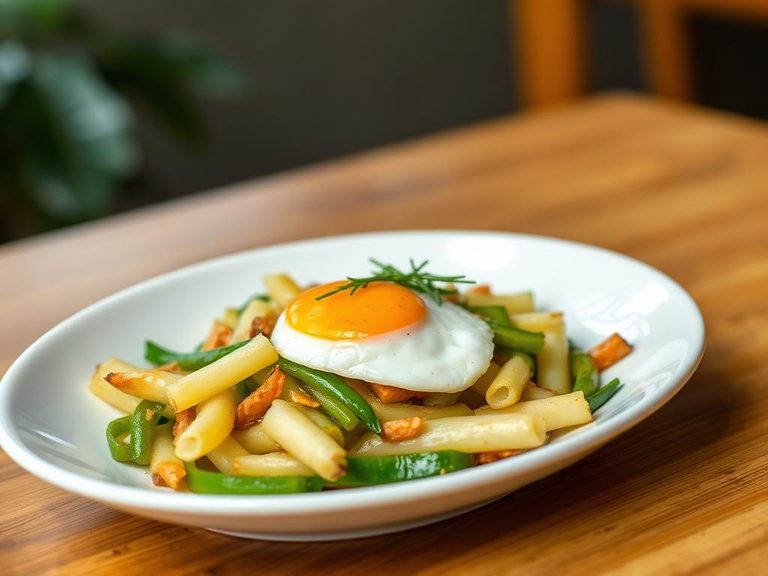
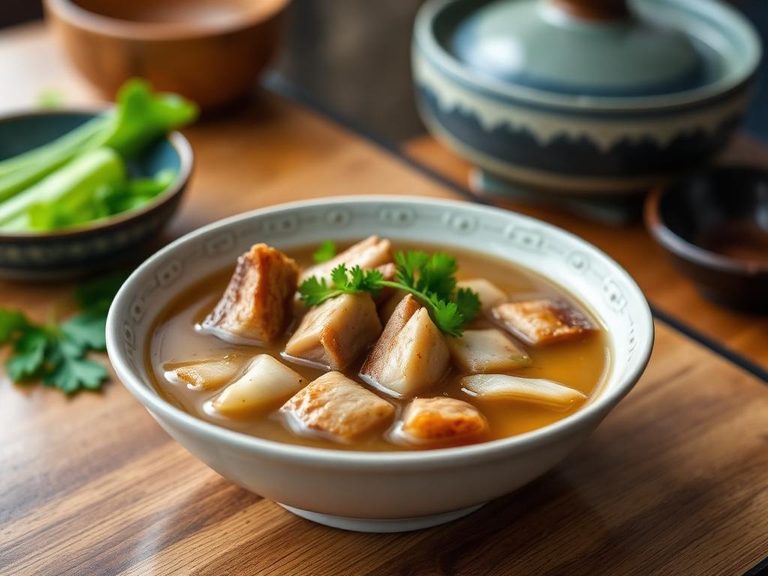
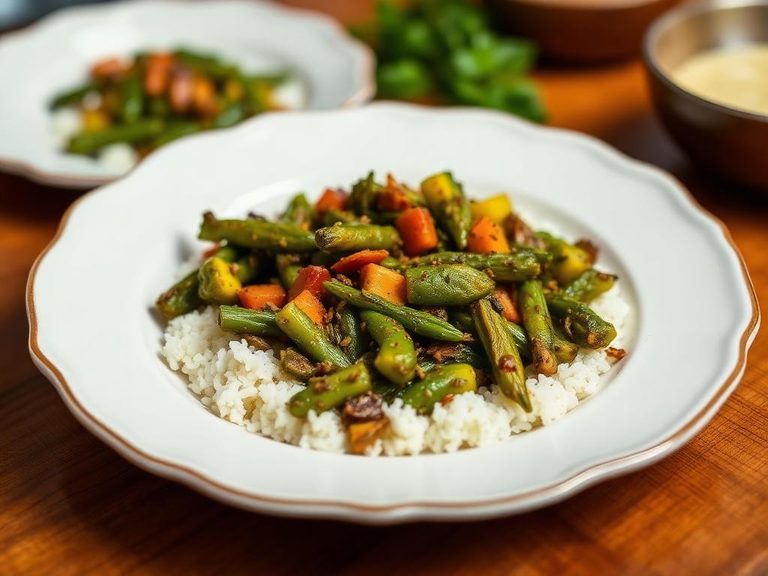
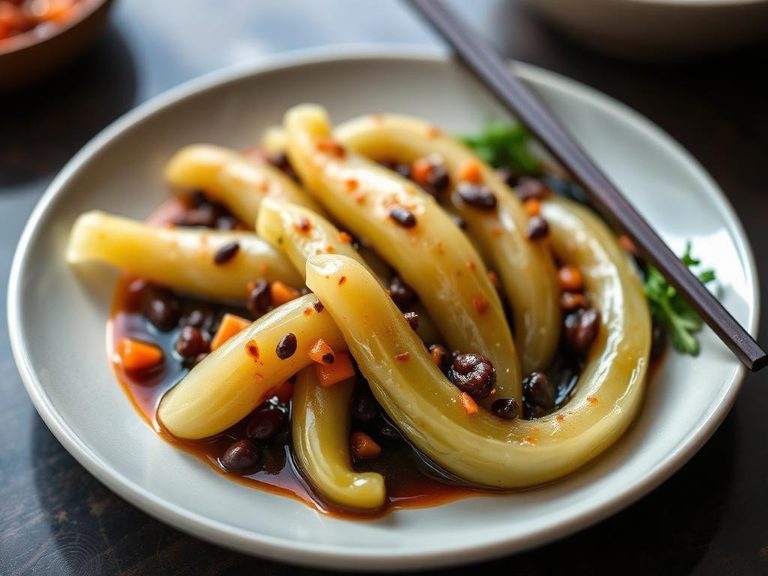
🍽️ Popular dishes

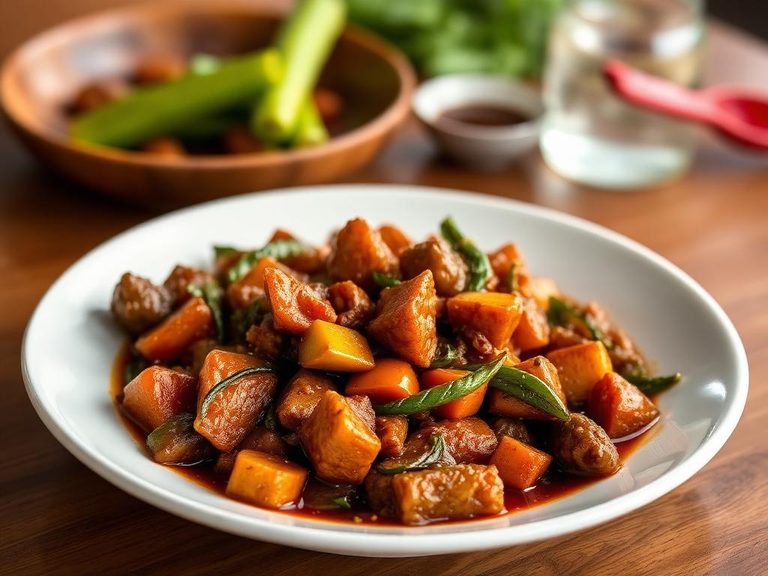
🌍 Where it's eaten
💡 Did you know?
The white pith and seeds of the bitter gourd are often the most bitter parts, so many cooks scrape them out with a spoon to mellow the flavor before cooking.
Full nutrition (USDA data · scales with serving)
| Water | 94.0 g |
| Energy | 19.0 kcal |
| Energy | 79.0 kj |
| Protein | 0.84 g |
| Total lipid (fat) | 0.18 g |
| Ash | 0.71 g |
| Carbohydrate, by difference | 4.3 g |
| Fiber, total dietary | 2.0 g |
| Total Sugars | 1.9 g |
| Calcium, Ca | 9.0 mg |
| Iron, Fe | 0.38 mg |
| Magnesium, Mg | 16.0 mg |
| Phosphorus, P | 36.0 mg |
| Potassium, K | 319 mg |
| Sodium, Na | 6.0 mg |
| Zinc, Zn | 0.77 mg |
| Copper, Cu | 0.03 mg |
| Manganese, Mn | 0.09 mg |
| Selenium, Se | 0.20 ug |
| Vitamin C, total ascorbic acid | 33.0 mg |
| Thiamin | 0.05 mg |
| Riboflavin | 0.05 mg |
| Niacin | 0.28 mg |
| Pantothenic acid | 0.19 mg |
| Vitamin B-6 | 0.04 mg |
| Folate, total | 51.0 ug |
| Folic acid | 0.00 ug |
| Folate, food | 51.0 ug |
| Folate, DFE | 51.0 ug |
| Choline, total | 10.8 mg |
| Vitamin B-12 | 0.00 ug |
| Vitamin B-12, added | 0.00 ug |
| Vitamin A, RAE | 6.0 ug |
| Retinol | 0.00 ug |
| Carotene, beta | 68.0 ug |
| Carotene, alpha | 0.00 ug |
| Cryptoxanthin, beta | 0.00 ug |
| Vitamin A, IU | 113 iu |
| Lycopene | 0.00 ug |
| Lutein + zeaxanthin | 1323 ug |
| Vitamin E (alpha-tocopherol) | 0.14 mg |
| Vitamin E, added | 0.00 mg |
| Vitamin D (D2 + D3), International Units | 0.00 iu |
| Vitamin D (D2 + D3) | 0.00 ug |
| Vitamin K (phylloquinone) | 4.8 ug |
| Alcohol, ethyl | 0.00 g |
| Caffeine | 0.00 mg |
| Theobromine | 0.00 mg |
Fat & fatty acid profile (per 100g)
| Fatty acids, total saturated | 0.01 g |
| SFA 4:0 | 0.00 g |
| SFA 6:0 | 0.00 g |
| SFA 8:0 | 0.00 g |
| SFA 10:0 | 0.00 g |
| SFA 12:0 | 0.00 g |
| SFA 14:0 | 0.00 g |
| SFA 16:0 | 0.01 g |
| SFA 18:0 | 0.00 g |
| Fatty acids, total monounsaturated | 0.03 g |
| MUFA 16:1 | 0.00 g |
| MUFA 18:1 | 0.03 g |
| MUFA 20:1 | 0.00 g |
| MUFA 22:1 | 0.00 g |
| Fatty acids, total polyunsaturated | 0.08 g |
| PUFA 18:2 | 0.08 g |
| PUFA 18:3 | 0.00 g |
| PUFA 18:4 | 0.00 g |
| PUFA 20:4 | 0.00 g |
| PUFA 20:5 n-3 (EPA) | 0.00 g |
| PUFA 22:5 n-3 (DPA) | 0.00 g |
| PUFA 22:6 n-3 (DHA) | 0.00 g |
| Fatty acids, total trans | 0.00 g |
| Cholesterol | 0.00 mg |
FAQ
How can I reduce the bitterness of boiled bitter gourd?
You can reduce bitterness by salting the sliced gourd and letting it sit for 10-15 minutes to draw out bitter juices, then rinsing well. Blanching it in boiling water for a minute before adding to your main dish also helps.
Is boiled bitter gourd suitable for a low-carb diet?
Yes, it's an excellent low-carb vegetable with only 4.32g of carbohydrates per 100g, making it a great choice for keto and low-carb meal plans.
What nutrients does boiling preserve in bitter gourd?
Boiling helps retain water-soluble vitamins like vitamin C better than prolonged frying. However, to preserve maximum nutrients, avoid overcooking and use the cooking liquid in soups or sauces if possible.
Nutrient density (calculated · NRF9.3)
Nutrient Rich Foods index: beneficial nutrients (protein, fiber, vitamins, minerals) minus saturated fat, added sugar & sodium, per 100 kcal.
NRF9.3 index — Fulgoni, Keast & Drewnowski, 2009. Computed from USDA nutrients.
Weight-loss friendliness (composite index)
Energy density 0.19 kcal/g · 18% calories from protein · 2.0 g fiber · 1.9 g sugar per 100 g.
Composite of energy density (Rolls et al., 1999), protein & fiber satiety, minus sugar. A calculated heuristic — ranks satiety-per-calorie, not a clinical measure.
Dietary load (calculated from USDA values)
Potential renal acid load. Positive = acid-forming, negative = alkaline-forming.
Sodium-to-potassium ratio: 0.02 (lower is better — aim for ≤ 1)
Sodium:potassium per WHO potassium guidance. Computed from USDA nutrients.