

Amaranth leaves, raw
Whole food · Vegetables and Vegetable Products

Photo: Wikipedia
Amaranth leaves are tender, vibrant green leaves from the amaranth plant, often called 'callaloo' or 'bayam.' They have a mild, slightly earthy flavor with a subtle peppery finish, similar to spinach but with a more delicate, tender texture. Nutritionally, they are a standout for their high protein content relative to calories, making them a valuable plant-based protein source.
Calorie split: 34% protein · 56% carbs · 10% fat
↓ Full nutrition💚 Why it's loved
People love amaranth leaves for their versatile, mild flavor that absorbs seasonings beautifully, making them a staple in stir-fries, stews, and soups across many cultures. They are cherished for adding a nutritious, fresh green element to meals without overpowering other ingredients.
⚠️ Watch-outs & how to enjoy it better
Raw amaranth leaves contain oxalates, which can contribute to kidney stone formation in susceptible individuals and may slightly reduce mineral absorption. To counteract this, always cook the leaves thoroughly (boiling, steaming, or stir-frying) to significantly reduce oxalate content, and pair them with a source of vitamin C (like lemon juice) to enhance iron absorption.
Key benefits
- Excellent source of plant-based protein for its calorie count.
- Rich in essential minerals like iron, calcium, and magnesium.
- Contains antioxidants like beta-carotene and lutein.
- Low in calories and carbohydrates, suitable for weight management.
- Provides vitamins A and C, supporting immune function.
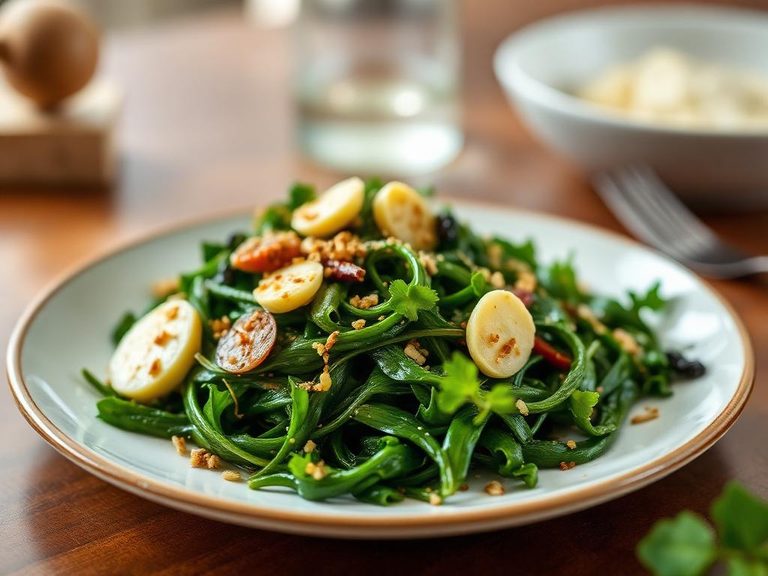
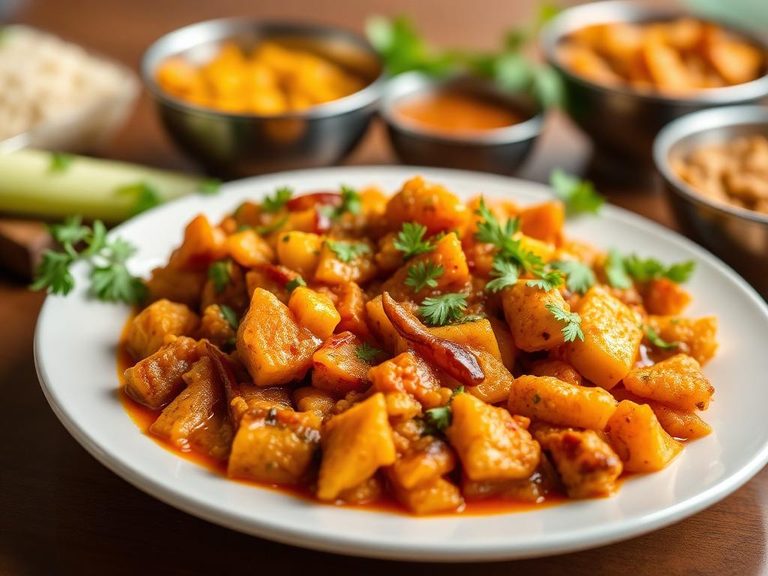
🍽️ Popular dishes
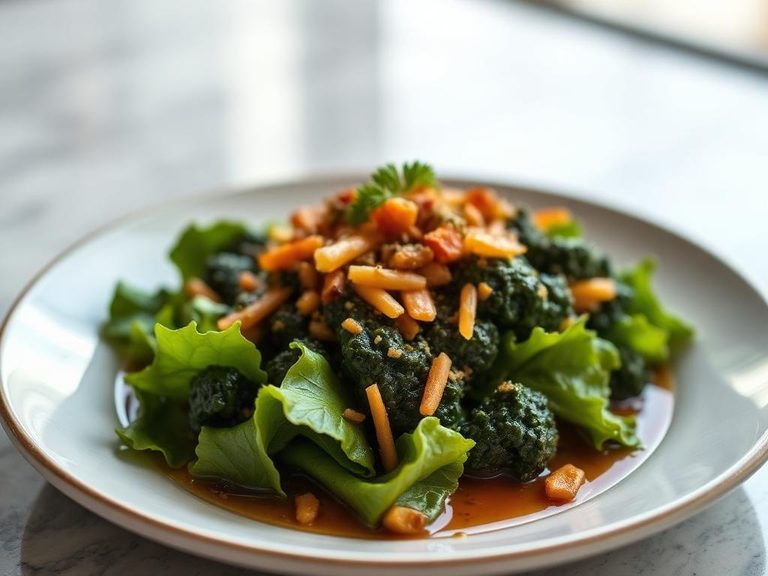
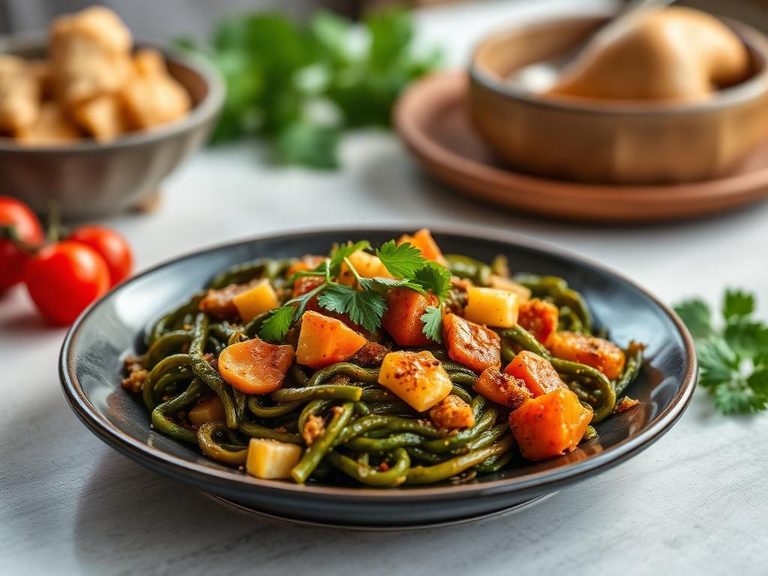
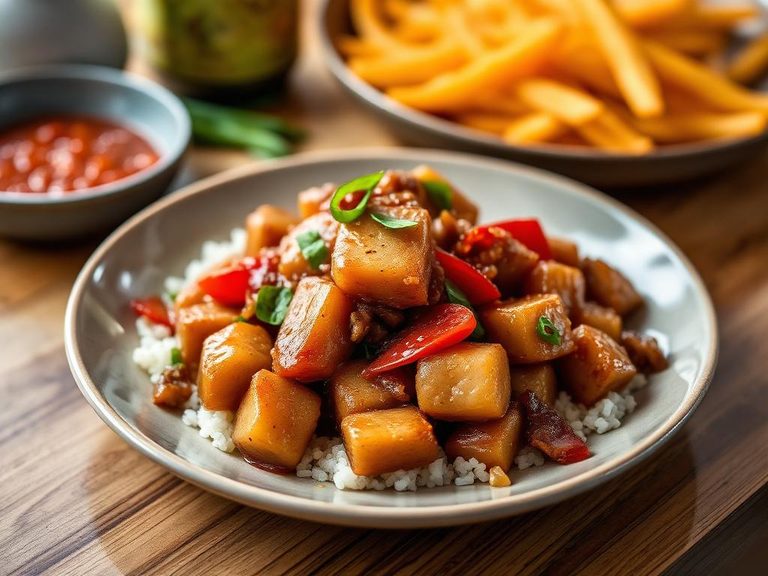
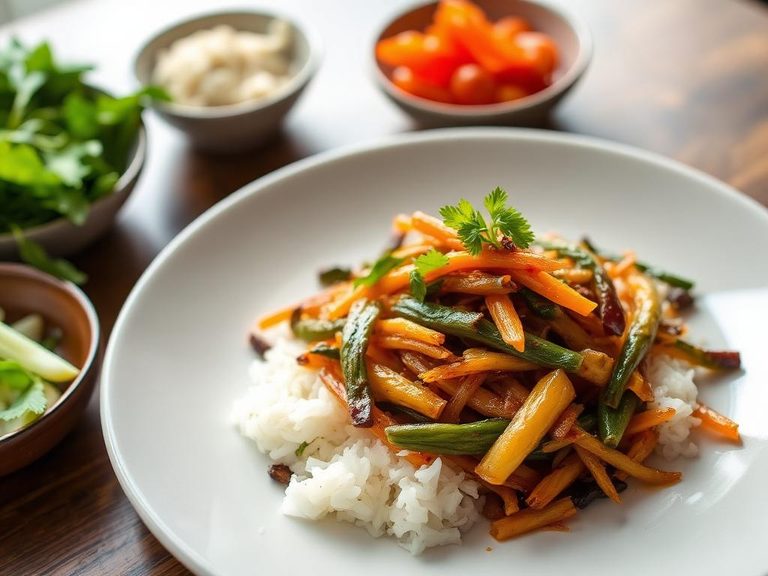
🌍 Where it's eaten
💡 Did you know?
The seeds of the same amaranth plant are the tiny, protein-packed 'grain' used in ancient Aztec rituals and modern health foods, making the entire plant a dual-purpose nutritional powerhouse.
Full nutrition (USDA data · scales with serving)
| Water | 91.7 g |
| Energy | 23.0 kcal |
| Energy | 97.0 kj |
| Protein | 2.5 g |
| Total lipid (fat) | 0.33 g |
| Ash | 1.5 g |
| Carbohydrate, by difference | 4.0 g |
| Calcium, Ca | 215 mg |
| Iron, Fe | 2.3 mg |
| Magnesium, Mg | 55.0 mg |
| Phosphorus, P | 50.0 mg |
| Potassium, K | 611 mg |
| Sodium, Na | 20.0 mg |
| Zinc, Zn | 0.90 mg |
| Copper, Cu | 0.16 mg |
| Manganese, Mn | 0.89 mg |
| Selenium, Se | 0.90 ug |
| Vitamin C, total ascorbic acid | 43.3 mg |
| Thiamin | 0.03 mg |
| Riboflavin | 0.16 mg |
| Niacin | 0.66 mg |
| Pantothenic acid | 0.06 mg |
| Vitamin B-6 | 0.19 mg |
| Folate, total | 85.0 ug |
| Folic acid | 0.00 ug |
| Folate, food | 85.0 ug |
| Folate, DFE | 85.0 ug |
| Vitamin B-12 | 0.00 ug |
| Vitamin A, RAE | 146 ug |
| Retinol | 0.00 ug |
| Vitamin A, IU | 2917 iu |
| Vitamin D (D2 + D3), International Units | 0.00 iu |
| Vitamin D (D2 + D3) | 0.00 ug |
| Vitamin K (phylloquinone) | 1140 ug |
Fat & fatty acid profile (per 100g)
| Fatty acids, total saturated | 0.09 g |
| SFA 14:0 | 0.00 g |
| SFA 16:0 | 0.07 g |
| SFA 18:0 | 0.01 g |
| Fatty acids, total monounsaturated | 0.08 g |
| MUFA 18:1 | 0.08 g |
| Fatty acids, total polyunsaturated | 0.15 g |
| PUFA 18:2 | 0.14 g |
| PUFA 18:3 | 0.00 g |
| Fatty acids, total trans | 0.00 g |
| Cholesterol | 0.00 mg |
Amino acid profile (per 100g)
| Tryptophan | 0.03 g |
| Threonine | 0.10 g |
| Isoleucine | 0.12 g |
| Leucine | 0.20 g |
| Lysine | 0.13 g |
| Methionine | 0.04 g |
| Cystine | 0.03 g |
| Phenylalanine | 0.13 g |
| Tyrosine | 0.08 g |
| Valine | 0.14 g |
| Arginine | 0.12 g |
| Histidine | 0.05 g |
| Alanine | 0.14 g |
| Aspartic acid | 0.23 g |
| Glutamic acid | 0.29 g |
| Glycine | 0.13 g |
| Proline | 0.12 g |
| Serine | 0.11 g |
FAQ
Can I eat amaranth leaves raw?
Yes, they can be used raw in salads, but cooking is recommended to reduce oxalates and improve digestibility. If eating raw, use young, tender leaves and wash thoroughly.
How do I prepare amaranth leaves?
Wash well to remove grit. Remove tough stems. They can be steamed, boiled, sautéed with garlic and onions, or added to soups and stews near the end of cooking.
What do amaranth leaves taste like?
They have a mild, earthy, slightly peppery flavor similar to spinach but more delicate. The taste is less mineral-heavy than spinach, making it a gentle, versatile green.
Nutrient density (calculated · NRF9.3)
Nutrient Rich Foods index: beneficial nutrients (protein, fiber, vitamins, minerals) minus saturated fat, added sugar & sodium, per 100 kcal.
NRF9.3 index — Fulgoni, Keast & Drewnowski, 2009. Computed from USDA nutrients.
Weight-loss friendliness (composite index)
Energy density 0.23 kcal/g · 43% calories from protein · 0.0 g fiber · 0.0 g sugar per 100 g.
Composite of energy density (Rolls et al., 1999), protein & fiber satiety, minus sugar. A calculated heuristic — ranks satiety-per-calorie, not a clinical measure.
Dietary load (calculated from USDA values)
Potential renal acid load. Positive = acid-forming, negative = alkaline-forming.
Sodium-to-potassium ratio: 0.03 (lower is better — aim for ≤ 1)
Sodium:potassium per WHO potassium guidance. Computed from USDA nutrients.