

Fish, sea bass, mixed species, cooked, dry heat
Whole food · Finfish and Shellfish Products

Photo: Wikipedia
Sea bass, when cooked with dry heat, transforms into a culinary gem with a delicate, snow-white flesh that flakes apart in tender, buttery layers. Its mild, subtly sweet flavor carries a clean, oceanic essence without being overly 'fishy,' making it a favorite for those who appreciate refined seafood. Nutritionally, it's a powerhouse of lean protein with virtually no carbohydrates or sugar, offering a pure, high-protein option for health-conscious meals.
Calorie split: 80% protein · 0% carbs · 20% fat
↓ Full nutrition💚 Why it's loved
People adore sea bass for its elegant, mild flavor and luxurious, flaky texture that serves as a perfect canvas for various seasonings and sauces. Its versatility in cooking—from grilling to baking—makes it a staple in fine dining and home kitchens alike, often symbolizing a special occasion meal.
⚠️ Watch-outs & how to enjoy it better
As a finfish, it is a common allergen and should be avoided by those with fish allergies. Its mild flavor can be overpowered by strong sauces, and overcooking can lead to a dry texture. To counteract dryness, use a meat thermometer to cook to an internal temperature of 145°F (63°C) and consider basting with a little olive oil or butter during cooking.
Key benefits
- Excellent source of complete, lean protein (23.6g per 100g)
- Very low in fat (2.56g per 100g), especially saturated fat
- Contains zero carbohydrates, sugars, or fiber
- Rich in essential nutrients like selenium and B vitamins
- Supports muscle maintenance and satiety due to high protein content
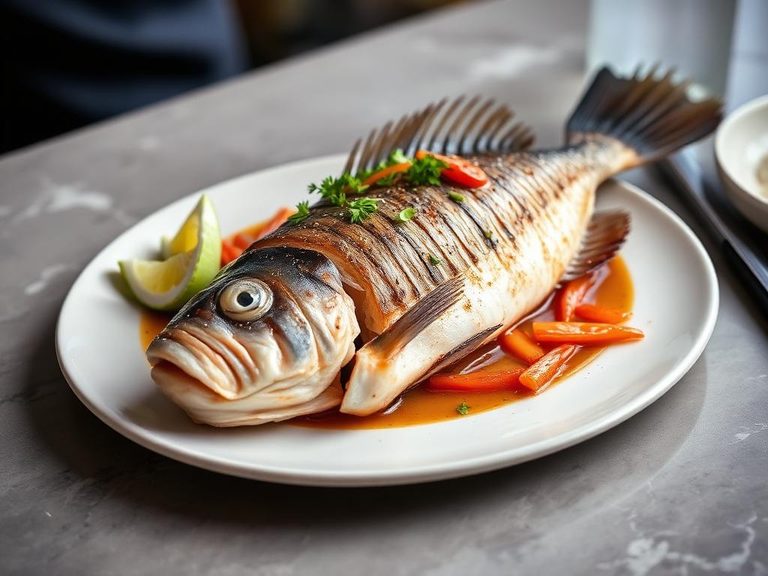
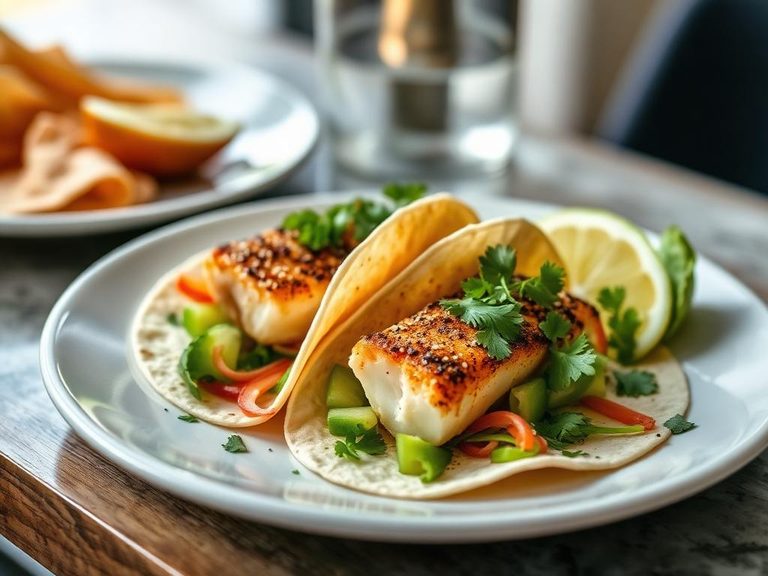
🍽️ Popular dishes
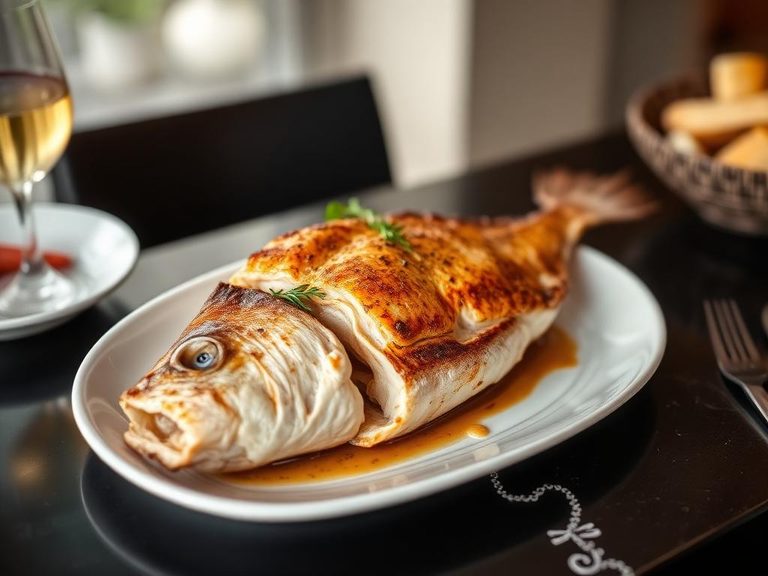
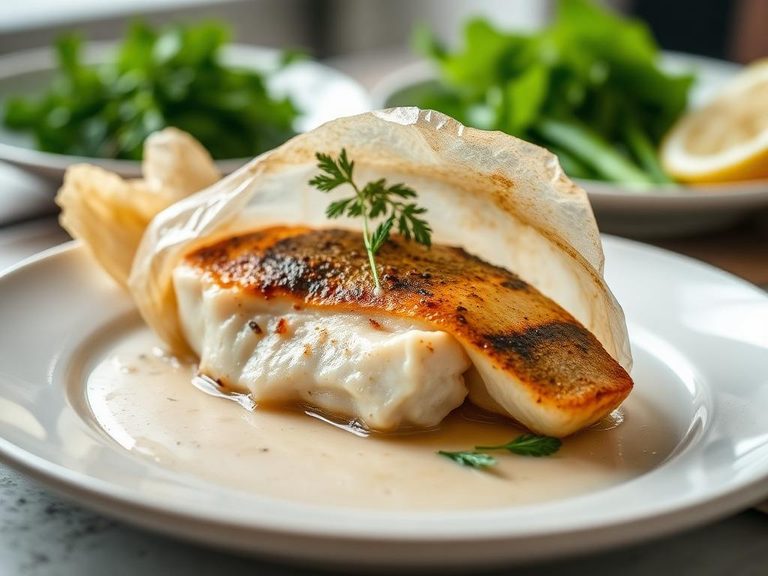
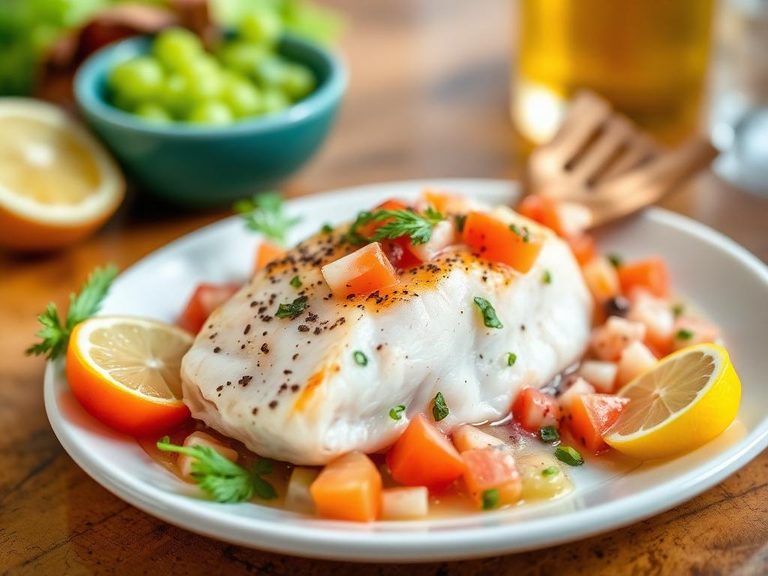
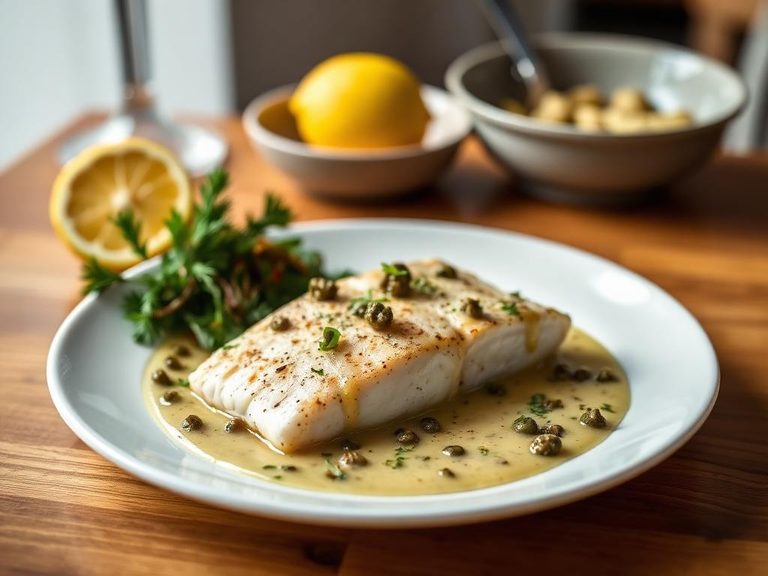
🌍 Where it's eaten
💡 Did you know?
The term 'sea bass' is a broad common name for many species; the fish often served in high-end restaurants and called 'Chilean sea bass' is actually the Patagonian toothfish, a deep-water species rebranded for its market appeal.
Full nutrition (USDA data · scales with serving)
| Water | 72.1 g |
| Energy | 124 kcal |
| Energy | 519 kj |
| Protein | 23.6 g |
| Total lipid (fat) | 2.6 g |
| Ash | 1.4 g |
| Carbohydrate, by difference | 0.00 g |
| Fiber, total dietary | 0.00 g |
| Calcium, Ca | 13.0 mg |
| Iron, Fe | 0.37 mg |
| Magnesium, Mg | 53.0 mg |
| Phosphorus, P | 248 mg |
| Potassium, K | 328 mg |
| Sodium, Na | 87.0 mg |
| Zinc, Zn | 0.52 mg |
| Copper, Cu | 0.02 mg |
| Manganese, Mn | 0.02 mg |
| Selenium, Se | 46.8 ug |
| Vitamin C, total ascorbic acid | 0.00 mg |
| Thiamin | 0.13 mg |
| Riboflavin | 0.15 mg |
| Niacin | 1.9 mg |
| Pantothenic acid | 0.87 mg |
| Vitamin B-6 | 0.46 mg |
| Folate, total | 6.0 ug |
| Folic acid | 0.00 ug |
| Folate, food | 6.0 ug |
| Folate, DFE | 6.0 ug |
| Vitamin B-12 | 0.30 ug |
| Vitamin A, RAE | 64.0 ug |
| Retinol | 64.0 ug |
| Vitamin A, IU | 213 iu |
Fat & fatty acid profile (per 100g)
| Fatty acids, total saturated | 0.66 g |
| SFA 14:0 | 0.06 g |
| SFA 16:0 | 0.41 g |
| SFA 18:0 | 0.18 g |
| Fatty acids, total monounsaturated | 0.54 g |
| MUFA 16:1 | 0.17 g |
| MUFA 18:1 | 0.38 g |
| Fatty acids, total polyunsaturated | 0.95 g |
| PUFA 18:2 | 0.03 g |
| PUFA 18:4 | 0.06 g |
| PUFA 20:5 n-3 (EPA) | 0.21 g |
| PUFA 22:5 n-3 (DPA) | 0.10 g |
| PUFA 22:6 n-3 (DHA) | 0.56 g |
| Cholesterol | 53.0 mg |
Amino acid profile (per 100g)
| Tryptophan | 0.27 g |
| Threonine | 1.0 g |
| Isoleucine | 1.1 g |
| Leucine | 1.9 g |
| Lysine | 2.2 g |
| Methionine | 0.70 g |
| Cystine | 0.25 g |
| Phenylalanine | 0.92 g |
| Tyrosine | 0.80 g |
| Valine | 1.2 g |
| Arginine | 1.4 g |
| Histidine | 0.70 g |
| Alanine | 1.4 g |
| Aspartic acid | 2.4 g |
| Glutamic acid | 3.5 g |
| Glycine | 1.1 g |
| Proline | 0.84 g |
| Serine | 0.96 g |
FAQ
Is sea bass a fatty fish?
No, sea bass is considered a lean fish. With only about 2.56g of fat per 100g, it is much lower in fat than salmon or mackerel, making it a great choice for low-fat diets while still providing healthy omega-3s.
How do I know when sea bass is cooked through?
The most reliable method is using an instant-read thermometer; it's done at 145°F (63°C). Visually, the flesh will turn from translucent to opaque white and flake easily when pressed with a fork.
What's the difference between sea bass and branzino?
In culinary terms, 'branzino' is the specific name for European sea bass (Dicentrarchus labrax). In many restaurants, 'sea bass' on the menu often refers to branzino, especially when served whole.
Nutrient density (calculated · NRF9.3)
Nutrient Rich Foods index: beneficial nutrients (protein, fiber, vitamins, minerals) minus saturated fat, added sugar & sodium, per 100 kcal.
NRF9.3 index — Fulgoni, Keast & Drewnowski, 2009. Computed from USDA nutrients.
Weight-loss friendliness (composite index)
Energy density 1.24 kcal/g · 76% calories from protein · 0.0 g fiber · 0.0 g sugar per 100 g.
Composite of energy density (Rolls et al., 1999), protein & fiber satiety, minus sugar. A calculated heuristic — ranks satiety-per-calorie, not a clinical measure.
Dietary load (calculated from USDA values)
Potential renal acid load. Positive = acid-forming, negative = alkaline-forming.
Sodium-to-potassium ratio: 0.27 (lower is better — aim for ≤ 1)
Sodium:potassium per WHO potassium guidance. Computed from USDA nutrients.