Potatoes, mashed, dehydrated, prepared from granules without milk, whole milk and butter added
Whole food · Vegetables and Vegetable Products

Photo: Wikipedia
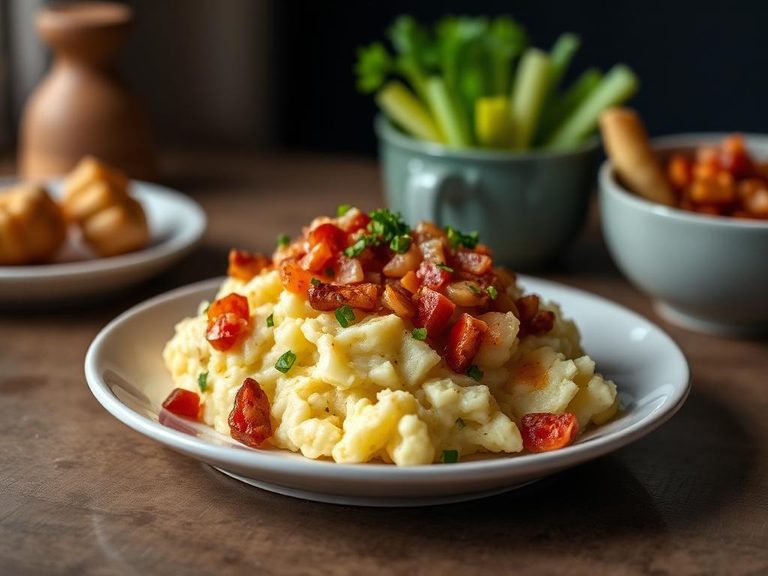
This is the convenient, shelf-stable cousin of homemade mashed potatoes—dehydrated granules that, when rehydrated with whole milk and butter, transform into a creamy, comforting side dish. The texture is uniformly smooth with a mild, starchy potato flavor, enriched by the dairy additions. Nutritionally, it offers a moderate energy source with a notable fat content from the added butter and milk.
💚 Why it's loved
People love it for its unparalleled convenience and consistent, comforting texture that evokes classic home cooking. Its mild flavor makes it a versatile canvas for countless seasonings and mix-ins.
⚠️ Watch-outs & how to enjoy it better
The primary downside is its potential for a high glycemic load, which can cause rapid blood-sugar spikes, especially without protein or fat. To counteract this, pair it with a protein-rich main (like roasted chicken or beans) and a non-starchy vegetable, and practice portion control. Be mindful of added sodium if using pre-seasoned granules.
Key benefits
- Excellent source of quick energy from complex carbohydrates
- Provides dietary fiber for digestive health
- Contains potassium, an essential mineral for fluid balance
- Offers a convenient, long-lasting pantry staple
- A good base for adding other nutrients like herbs or vegetables
🍽️ Popular dishes
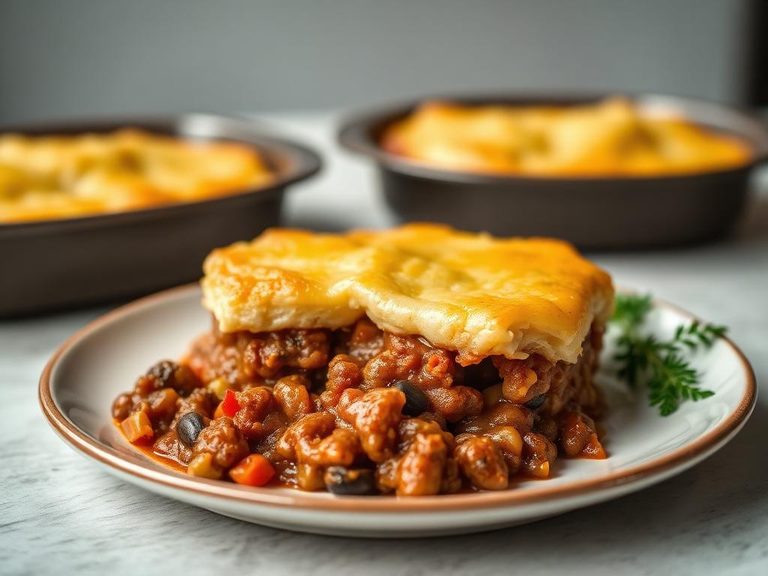
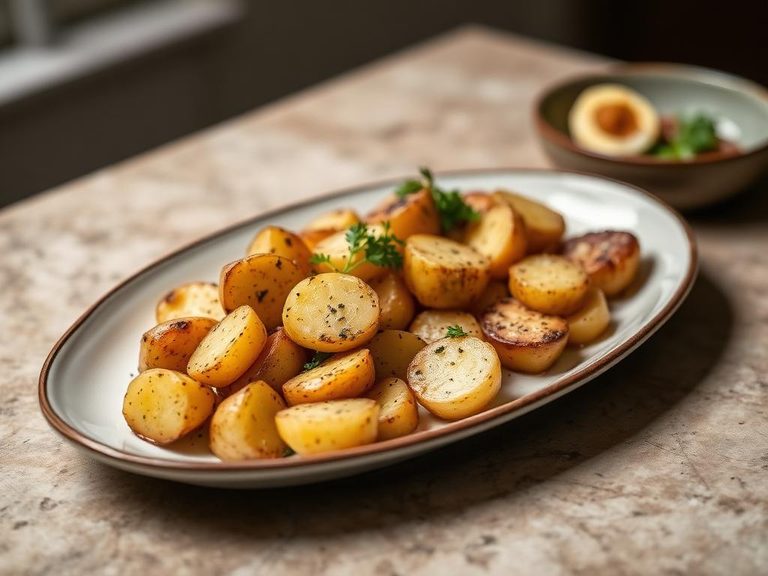
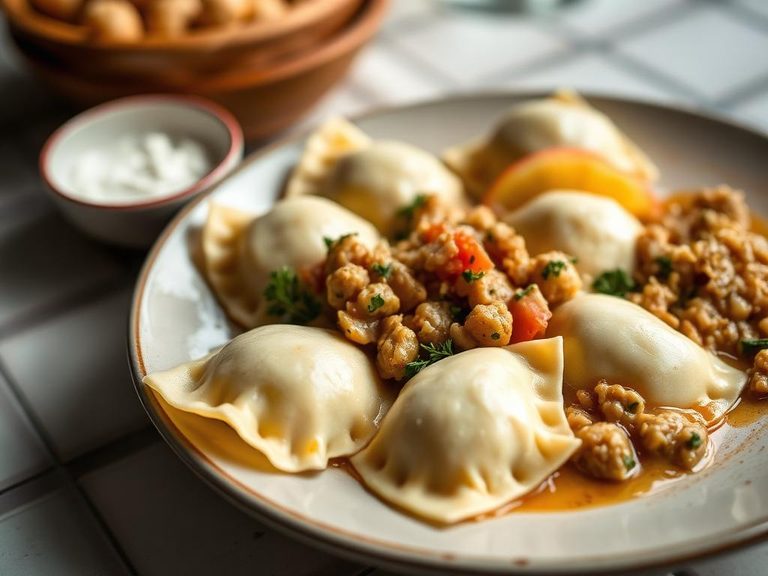
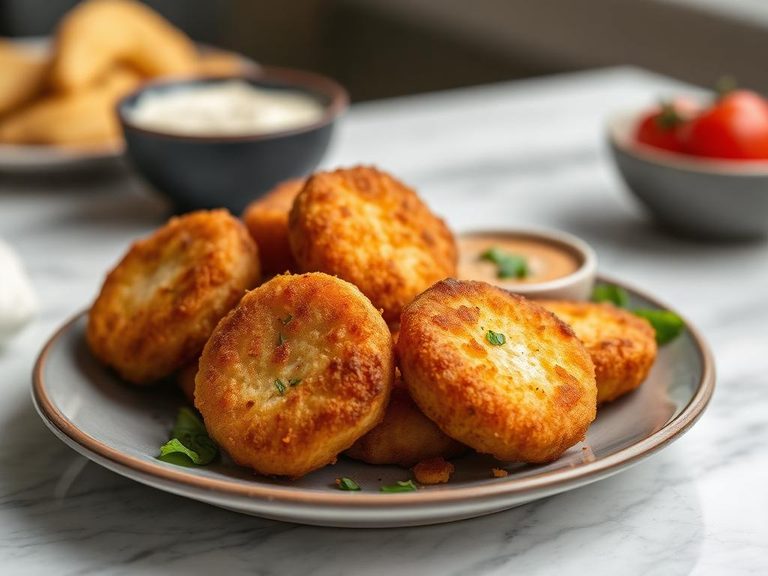
🌍 Where it's eaten
💡 Did you know?
The process for creating instant mashed potato flakes was patented in 1962, revolutionizing the speed of preparing this classic comfort food.
Full nutrition (scales with serving)
| Water | 77.5 g |
| Energy | 108 kcal |
| Energy | 452 kj |
| Protein | 2.0 g |
| Total lipid (fat) | 5.0 g |
| Ash | 1.1 g |
| Carbohydrate, by difference | 14.4 g |
| Fiber, total dietary | 2.2 g |
| Calcium, Ca | 35.0 mg |
| Iron, Fe | 0.19 mg |
| Magnesium, Mg | 19.0 mg |
| Phosphorus, P | 60.0 mg |
| Potassium, K | 144 mg |
| Sodium, Na | 257 mg |
| Zinc, Zn | 0.25 mg |
| Copper, Cu | 0.02 mg |
| Manganese, Mn | 0.00 mg |
| Selenium, Se | 1.3 ug |
| Vitamin C, total ascorbic acid | 6.0 mg |
| Thiamin | 0.08 mg |
| Riboflavin | 0.08 mg |
| Niacin | 0.76 mg |
| Pantothenic acid | 0.13 mg |
| Vitamin B-6 | 0.01 mg |
| Folate, total | 8.0 ug |
| Folic acid | 0.00 ug |
| Folate, food | 8.0 ug |
| Folate, DFE | 8.0 ug |
| Vitamin B-12 | 0.00 ug |
| Vitamin A, RAE | 43.0 ug |
| Retinol | 40.0 ug |
| Carotene, beta | 30.0 ug |
| Vitamin A, IU | 183 iu |
| Vitamin D (D2 + D3), International Units | 0.00 iu |
| Vitamin D (D2 + D3) | 0.00 ug |
Fat & fatty acid profile (per 100g)
| Fatty acids, total saturated | 3.1 g |
| SFA 4:0 | 0.15 g |
| SFA 6:0 | 0.09 g |
| SFA 8:0 | 0.06 g |
| SFA 10:0 | 0.13 g |
| SFA 12:0 | 0.14 g |
| SFA 14:0 | 0.51 g |
| SFA 16:0 | 1.4 g |
| SFA 18:0 | 0.62 g |
| Fatty acids, total monounsaturated | 1.4 g |
| MUFA 16:1 | 0.12 g |
| MUFA 18:1 | 1.3 g |
| Fatty acids, total polyunsaturated | 0.23 g |
| PUFA 18:2 | 0.14 g |
| PUFA 18:3 | 0.08 g |
| PUFA 20:4 | 0.00 g |
| Cholesterol | 14.0 mg |
| Phytosterols | 0.00 mg |
Amino acid profile (per 100g)
| Tryptophan | 0.02 g |
| Threonine | 0.09 g |
| Isoleucine | 0.11 g |
| Leucine | 0.17 g |
| Lysine | 0.15 g |
| Methionine | 0.04 g |
| Cystine | 0.02 g |
| Phenylalanine | 0.10 g |
| Tyrosine | 0.09 g |
| Valine | 0.13 g |
| Arginine | 0.08 g |
| Histidine | 0.05 g |
| Alanine | 0.07 g |
| Aspartic acid | 0.25 g |
| Glutamic acid | 0.39 g |
| Glycine | 0.05 g |
| Proline | 0.15 g |
| Serine | 0.10 g |
FAQ
How does the nutrition compare to fresh mashed potatoes?
The core macronutrients are similar, but dehydrated versions often have a slightly higher fat content per serving when prepared with added butter and milk as directed. Fresh potatoes retain more of their natural vitamin C, which is largely lost during dehydration.
Can I prepare it with water instead of milk and butter?
Yes, you can, but the result will be significantly less creamy, rich, and flavorful. The fat from butter and milk is key to achieving the desired texture and taste profile.
Is this suitable for a gluten-free diet?
The base ingredient (potato) is naturally gluten-free. However, you must always check the product label, as some brands may have additives or be processed in facilities that handle gluten-containing grains.