

Veal, sirloin, separable lean only, raw
Whole food · Lamb, Veal, and Game Products

Photo: Wikipedia
Veal sirloin, lean and raw, is a tender, pale pink cut from the loin of young cattle, prized for its delicate, subtly sweet flavor and fine, smooth texture. With an exceptionally high protein-to-fat ratio (20.2g protein and only 2.59g fat per 100g), it's a lean powerhouse that cooks quickly, making it ideal for quick searing or grilling. Its mildness allows it to absorb marinades and sauces beautifully, offering a versatile base for both simple and complex dishes.
Calorie split: 78% protein · 0% carbs · 22% fat
↓ Full nutrition💚 Why it's loved
People love veal sirloin for its refined, mild flavor that's less gamey than beef, making it approachable even for those who prefer lighter meats. Its tenderness and quick cooking time make it a favorite for elegant weeknight meals or classic European dishes like scaloppine.
⚠️ Watch-outs & how to enjoy it better
While lean, veal can be perceived as bland or dry if overcooked, which is a common pitfall for inexperienced cooks. To counteract this, cook it quickly over high heat (searing, grilling) and pair it with flavorful sauces, fats (like butter or olive oil), or acidic components (like lemon or wine) to add moisture and depth. Those concerned about ethical sourcing should look for 'rose veal' or 'pasture-raised' labels to ensure higher animal welfare standards.
Key benefits
- High in protein for muscle maintenance and satiety
- Very low in fat, especially saturated fat
- Rich in B vitamins (B12, niacin) for energy metabolism
- Good source of zinc and iron for immune health
- Low in calories, supporting weight management
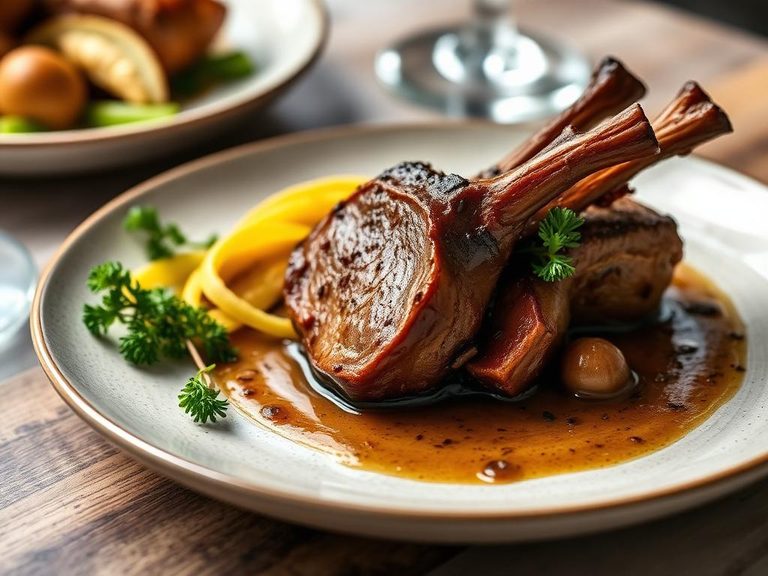
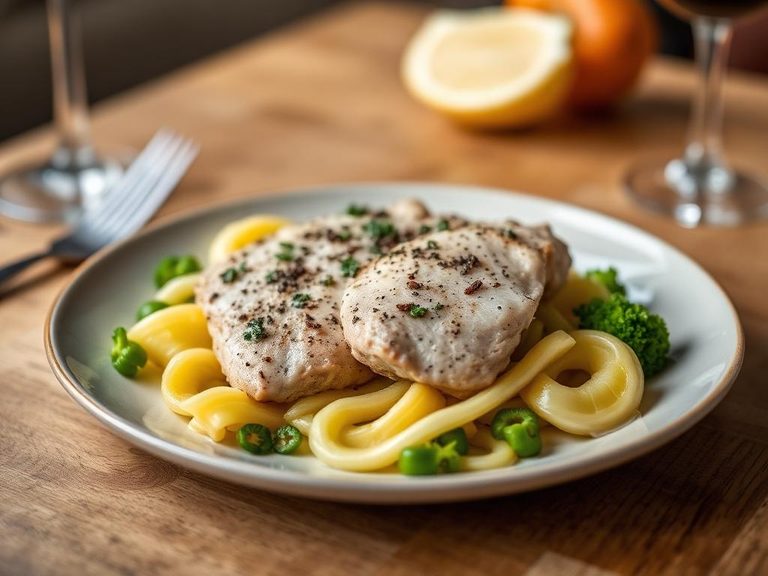
🍽️ Popular dishes
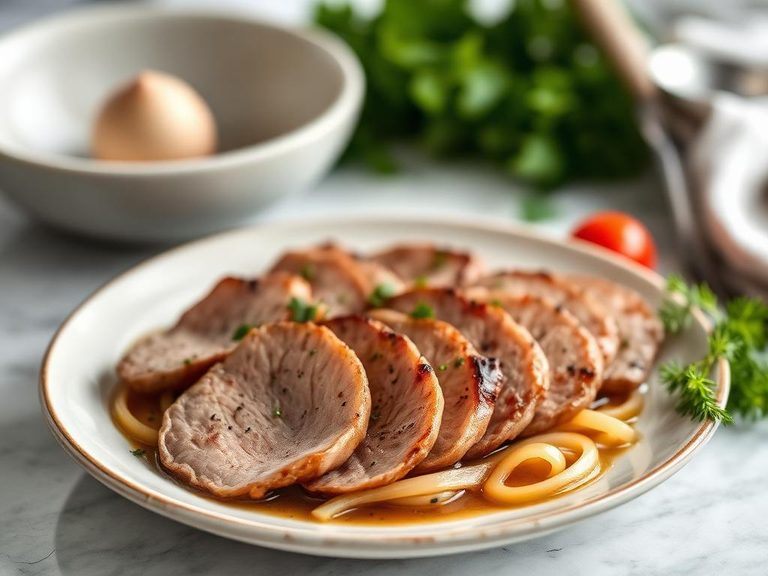
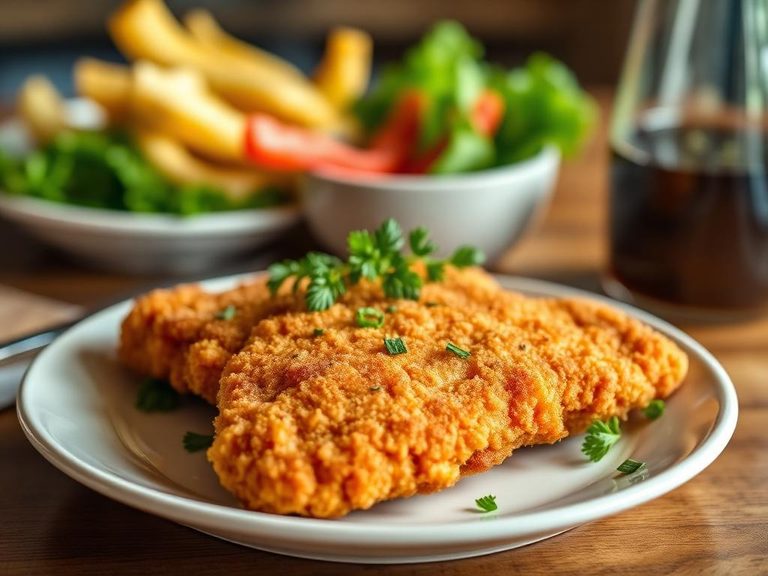
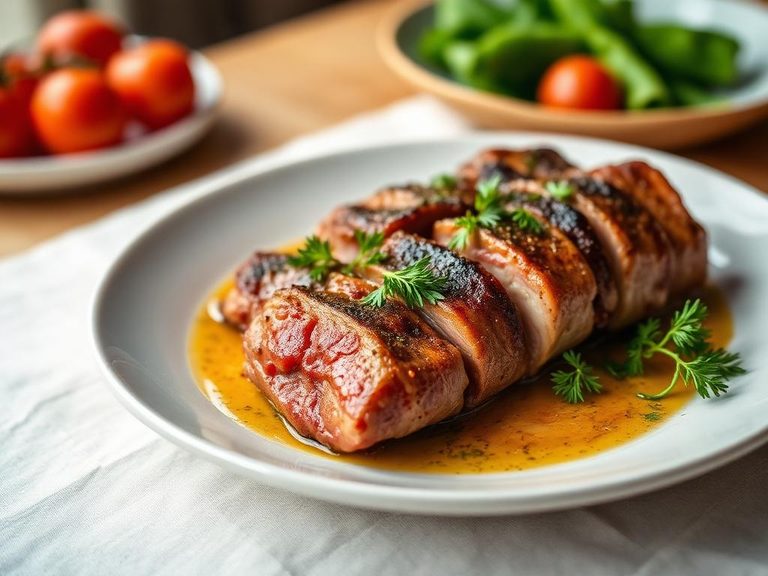
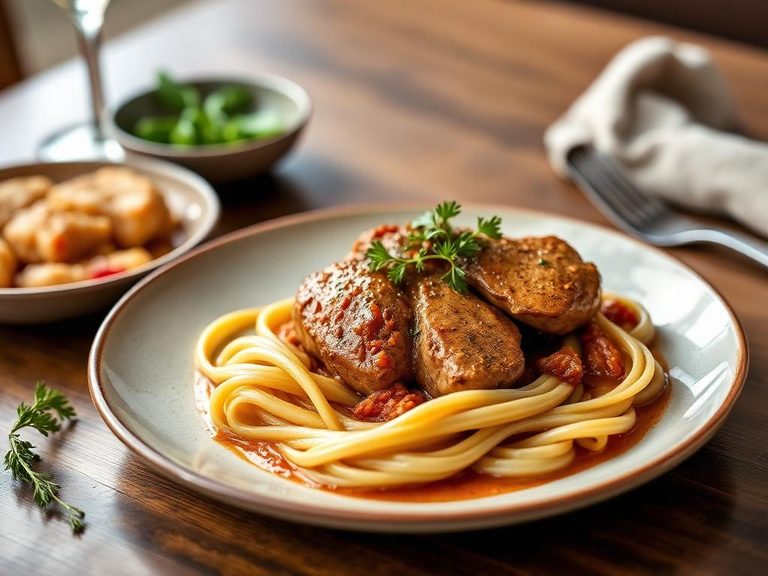
🌍 Where it's eaten
💡 Did you know?
Veal comes from calves typically under 6 months old, and its pale color is due to a milk-based diet and limited exercise, which results in less myoglobin (the protein that gives red meat its color) compared to beef.
Full nutrition (USDA data · scales with serving)
| Water | 75.9 g |
| Energy | 110 kcal |
| Energy | 460 kj |
| Protein | 20.2 g |
| Total lipid (fat) | 2.6 g |
| Ash | 1.1 g |
| Carbohydrate, by difference | 0.00 g |
| Fiber, total dietary | 0.00 g |
| Calcium, Ca | 11.0 mg |
| Iron, Fe | 0.80 mg |
| Magnesium, Mg | 26.0 mg |
| Phosphorus, P | 220 mg |
| Potassium, K | 348 mg |
| Sodium, Na | 80.0 mg |
| Zinc, Zn | 2.7 mg |
| Copper, Cu | 0.12 mg |
| Manganese, Mn | 0.03 mg |
| Selenium, Se | 8.7 ug |
| Vitamin C, total ascorbic acid | 0.00 mg |
| Thiamin | 0.08 mg |
| Riboflavin | 0.31 mg |
| Niacin | 9.0 mg |
| Pantothenic acid | 1.4 mg |
| Vitamin B-6 | 0.52 mg |
| Folate, total | 14.0 ug |
| Folic acid | 0.00 ug |
| Folate, food | 14.0 ug |
| Folate, DFE | 14.0 ug |
| Vitamin B-12 | 1.3 ug |
| Vitamin A, RAE | 0.00 ug |
| Retinol | 0.00 ug |
| Vitamin A, IU | 0.00 iu |
| Vitamin E (alpha-tocopherol) | 0.25 mg |
Fat & fatty acid profile (per 100g)
| Fatty acids, total saturated | 0.78 g |
| SFA 10:0 | 0.00 g |
| SFA 12:0 | 0.00 g |
| SFA 14:0 | 0.04 g |
| SFA 16:0 | 0.44 g |
| SFA 18:0 | 0.27 g |
| Fatty acids, total monounsaturated | 0.83 g |
| MUFA 16:1 | 0.08 g |
| MUFA 18:1 | 0.74 g |
| Fatty acids, total polyunsaturated | 0.27 g |
| PUFA 18:2 | 0.19 g |
| PUFA 18:3 | 0.01 g |
| PUFA 20:4 | 0.07 g |
| Cholesterol | 79.0 mg |
Amino acid profile (per 100g)
| Tryptophan | 0.20 g |
| Threonine | 0.88 g |
| Isoleucine | 0.99 g |
| Leucine | 1.6 g |
| Lysine | 1.7 g |
| Methionine | 0.47 g |
| Cystine | 0.23 g |
| Phenylalanine | 0.81 g |
| Tyrosine | 0.64 g |
| Valine | 1.1 g |
| Arginine | 1.2 g |
| Histidine | 0.73 g |
| Alanine | 1.2 g |
| Aspartic acid | 1.7 g |
| Glutamic acid | 3.2 g |
| Glycine | 1.0 g |
| Proline | 0.84 g |
| Serine | 0.76 g |
FAQ
How is veal sirloin different from beef sirloin?
Veal sirloin comes from young calves (under 6 months), making it more tender, lighter in color, and milder in flavor than beef sirloin, which is from older cattle and has a richer, beefier taste.
What's the best way to cook veal sirloin to keep it tender?
Cook it quickly over high heat—sear, grill, or pan-fry—to an internal temperature of 145°F (63°C) for medium-rare. Avoid overcooking, as its low fat content can make it dry.
Is veal high in cholesterol?
Veal is moderate in cholesterol (about 85mg per 100g), similar to other lean meats. Its low saturated fat content makes it a heart-healthier choice compared to fattier cuts of beef or pork.
Nutrient density (calculated · NRF9.3)
Nutrient Rich Foods index: beneficial nutrients (protein, fiber, vitamins, minerals) minus saturated fat, added sugar & sodium, per 100 kcal.
NRF9.3 index — Fulgoni, Keast & Drewnowski, 2009. Computed from USDA nutrients.
Weight-loss friendliness (composite index)
Energy density 1.10 kcal/g · 73% calories from protein · 0.0 g fiber · 0.0 g sugar per 100 g.
Composite of energy density (Rolls et al., 1999), protein & fiber satiety, minus sugar. A calculated heuristic — ranks satiety-per-calorie, not a clinical measure.
Dietary load (calculated from USDA values)
Potential renal acid load. Positive = acid-forming, negative = alkaline-forming.
Sodium-to-potassium ratio: 0.23 (lower is better — aim for ≤ 1)
Sodium:potassium per WHO potassium guidance. Computed from USDA nutrients.