

Triticale flour, whole-grain
Whole food · Cereal Grains and Pasta

Photo: Wikipedia
Triticale flour is a robust, whole-grain flour milled from the hybrid of wheat and rye, offering a distinct, earthy, and slightly nutty flavor with a hearty, dense texture. Nutritionally, it stands out for its high protein content (13.18g) and exceptional fiber (14.6g per 100g), making it a powerhouse for sustained energy and digestive health.
Calorie split: 15% protein · 81% carbs · 5% fat
↓ Full nutrition💚 Why it's loved
People love triticale flour for its unique, robust flavor that adds depth to breads and baked goods, and its impressive nutritional profile that makes it a favored choice for health-conscious bakers and those seeking heartier, more filling foods.
⚠️ Watch-outs & how to enjoy it better
Its strong, rye-like flavor can be overpowering in delicate recipes, and its gluten, while present, is weaker than wheat gluten, which can lead to denser, less risen baked goods. Those with celiac disease must avoid it as it contains gluten. To counteract density, blend it with stronger wheat flour (e.g., 50/50) and use recipes designed for hearty grains.
Key benefits
- Excellent source of plant-based protein for muscle maintenance.
- High in dietary fiber, promoting digestive regularity and satiety.
- Rich in minerals like magnesium, phosphorus, and zinc from the whole grain.
- Lower glycemic impact than many refined flours due to its fiber and protein content.
- A sustainable crop that thrives in harsh conditions where wheat may fail.
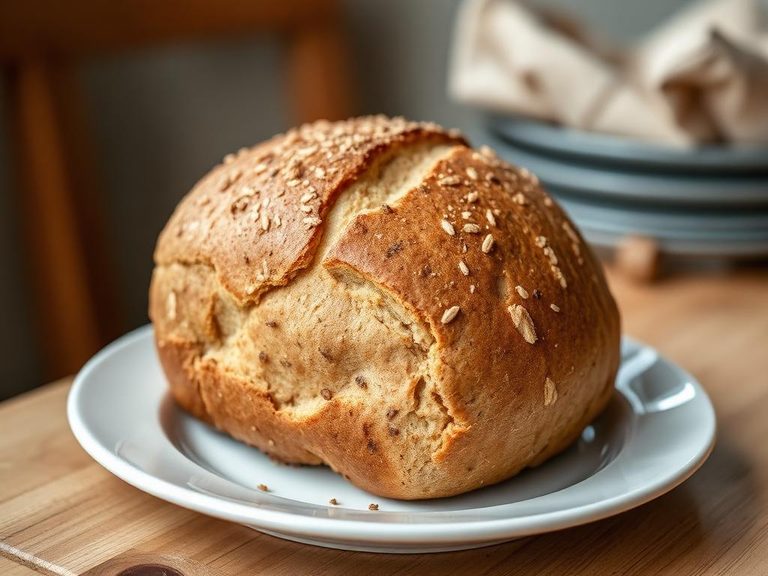
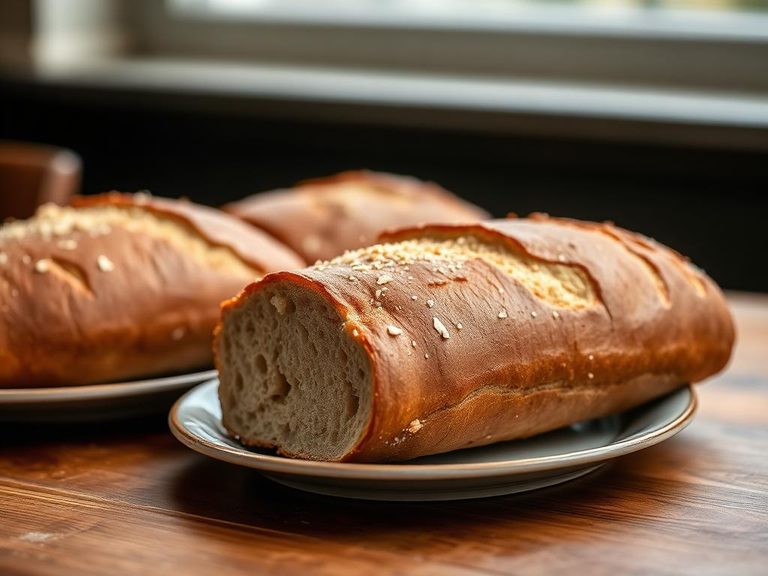
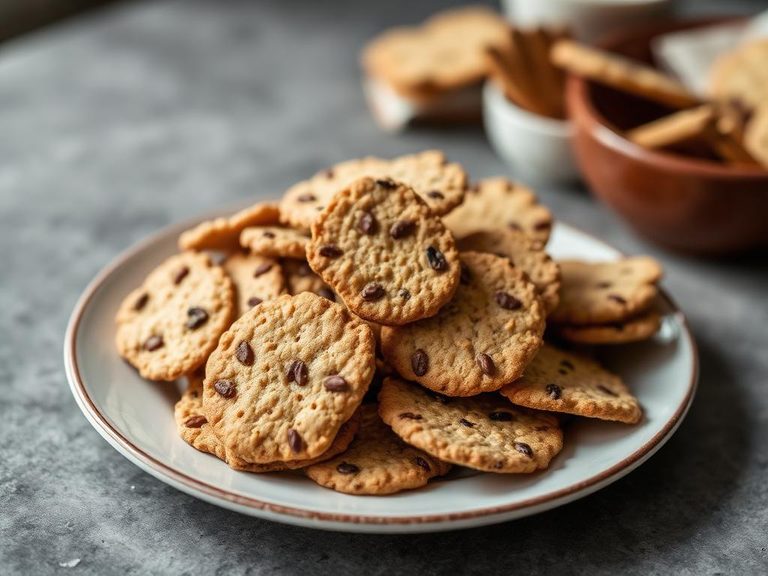
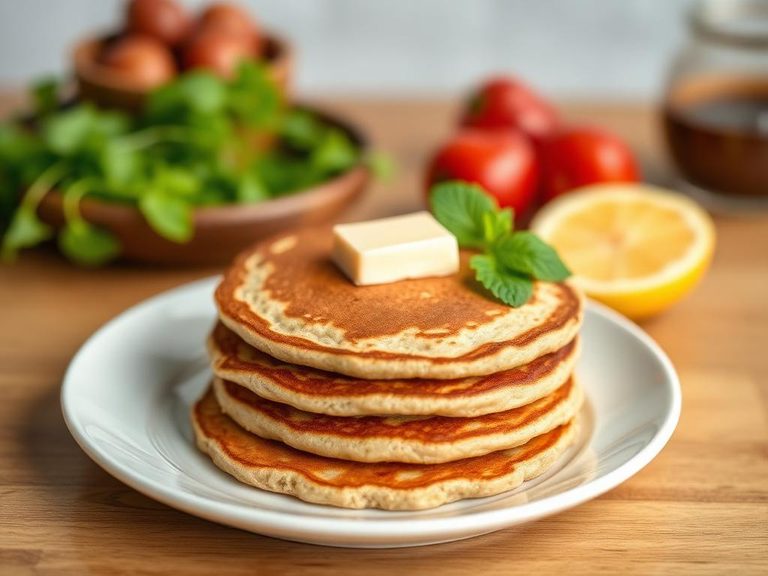
🍽️ Popular dishes

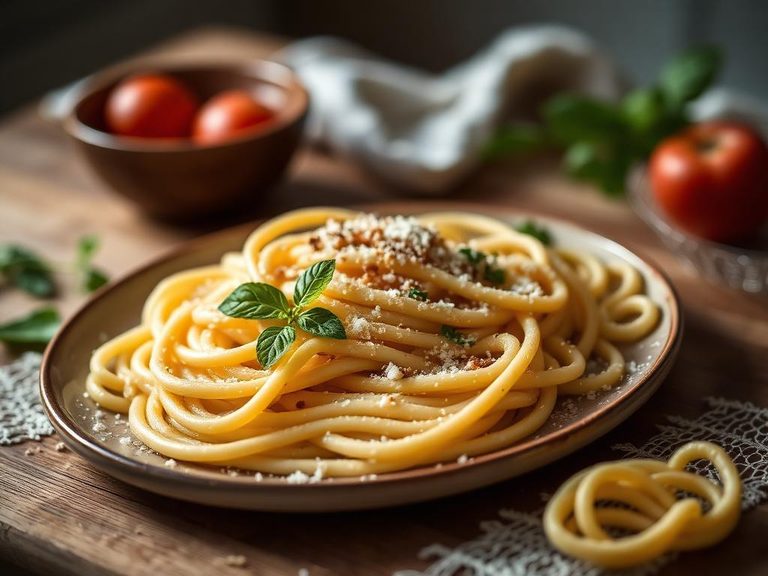
🌍 Where it's eaten
💡 Did you know?
Triticale was first successfully created in a laboratory in Scotland in 1876, but it took nearly a century of breeding before it became a commercially viable crop.
Full nutrition (USDA data · scales with serving)
| Water | 10.0 g |
| Energy | 338 kcal |
| Energy | 1414 kj |
| Protein | 13.2 g |
| Total lipid (fat) | 1.8 g |
| Ash | 1.9 g |
| Carbohydrate, by difference | 73.1 g |
| Fiber, total dietary | 14.6 g |
| Calcium, Ca | 35.0 mg |
| Iron, Fe | 2.6 mg |
| Magnesium, Mg | 153 mg |
| Phosphorus, P | 321 mg |
| Potassium, K | 466 mg |
| Sodium, Na | 2.0 mg |
| Zinc, Zn | 2.7 mg |
| Copper, Cu | 0.56 mg |
| Manganese, Mn | 4.2 mg |
| Vitamin C, total ascorbic acid | 0.00 mg |
| Thiamin | 0.38 mg |
| Riboflavin | 0.13 mg |
| Niacin | 2.9 mg |
| Pantothenic acid | 2.2 mg |
| Vitamin B-6 | 0.40 mg |
| Folate, total | 74.0 ug |
| Folic acid | 0.00 ug |
| Folate, food | 74.0 ug |
| Folate, DFE | 74.0 ug |
| Vitamin B-12 | 0.00 ug |
| Vitamin A, RAE | 0.00 ug |
| Retinol | 0.00 ug |
| Vitamin A, IU | 0.00 iu |
| Vitamin E (alpha-tocopherol) | 0.90 mg |
| Vitamin D (D2 + D3), International Units | 0.00 iu |
| Vitamin D (D2 + D3) | 0.00 ug |
| Alcohol, ethyl | 0.00 g |
Fat & fatty acid profile (per 100g)
| Fatty acids, total saturated | 0.32 g |
| SFA 8:0 | 0.01 g |
| SFA 12:0 | 0.01 g |
| SFA 14:0 | 0.01 g |
| SFA 16:0 | 0.24 g |
| SFA 18:0 | 0.03 g |
| Fatty acids, total monounsaturated | 0.18 g |
| MUFA 16:1 | 0.02 g |
| MUFA 18:1 | 0.15 g |
| MUFA 20:1 | 0.01 g |
| Fatty acids, total polyunsaturated | 0.79 g |
| PUFA 18:2 | 0.74 g |
| PUFA 18:3 | 0.05 g |
| Cholesterol | 0.00 mg |
Amino acid profile (per 100g)
| Tryptophan | 0.16 g |
| Threonine | 0.41 g |
| Isoleucine | 0.48 g |
| Leucine | 0.92 g |
| Lysine | 0.37 g |
| Methionine | 0.21 g |
| Cystine | 0.28 g |
| Phenylalanine | 0.64 g |
| Tyrosine | 0.39 g |
| Valine | 0.61 g |
| Arginine | 0.68 g |
| Histidine | 0.31 g |
| Alanine | 0.49 g |
| Aspartic acid | 0.79 g |
| Glutamic acid | 4.0 g |
| Glycine | 0.56 g |
| Proline | 1.2 g |
| Serine | 0.60 g |
FAQ
Is triticale flour gluten-free?
No. Triticale is a hybrid of wheat and rye, both of which contain gluten. It is not safe for individuals with celiac disease or gluten sensitivity.
Can I substitute triticale flour 1:1 for wheat flour?
Not typically. Its weaker gluten structure can result in dense, crumbly baked goods. It's best used in recipes specifically developed for it or blended with strong bread flour (e.g., 25-50% triticale).
What does triticale flour taste like?
It has a pronounced, earthy, and slightly nutty flavor, reminiscent of rye but often described as milder and less sharp. It adds a hearty, complex taste to breads and baked goods.
Nutrient density (calculated · NRF9.3)
Nutrient Rich Foods index: beneficial nutrients (protein, fiber, vitamins, minerals) minus saturated fat, added sugar & sodium, per 100 kcal.
NRF9.3 index — Fulgoni, Keast & Drewnowski, 2009. Computed from USDA nutrients.
Weight-loss friendliness (composite index)
Energy density 3.38 kcal/g · 16% calories from protein · 14.6 g fiber · 0.0 g sugar per 100 g.
Composite of energy density (Rolls et al., 1999), protein & fiber satiety, minus sugar. A calculated heuristic — ranks satiety-per-calorie, not a clinical measure.
Dietary load (calculated from USDA values)
Potential renal acid load. Positive = acid-forming, negative = alkaline-forming.
Sodium-to-potassium ratio: 0.00 (lower is better — aim for ≤ 1)
Sodium:potassium per WHO potassium guidance. Computed from USDA nutrients.