Whole-Grain Pancakes
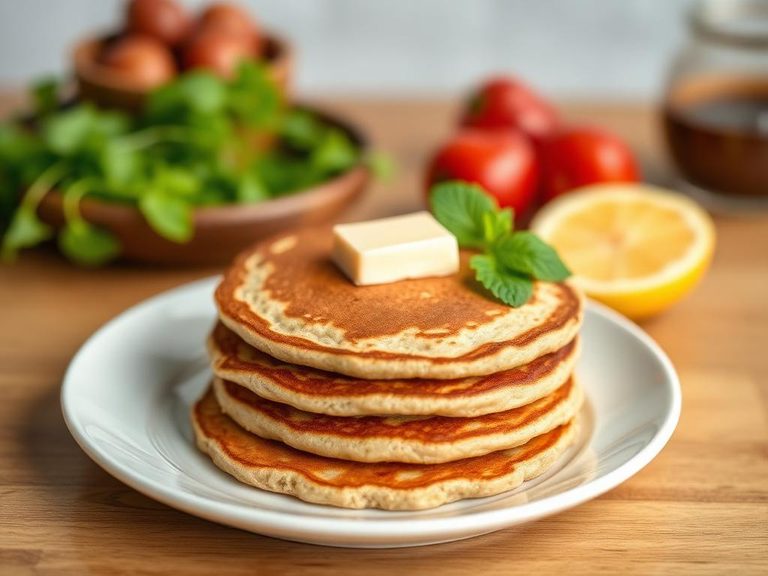
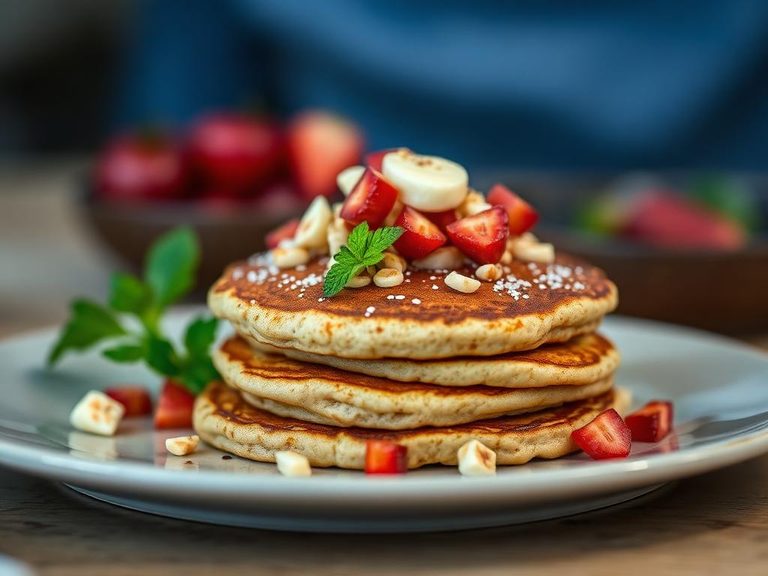
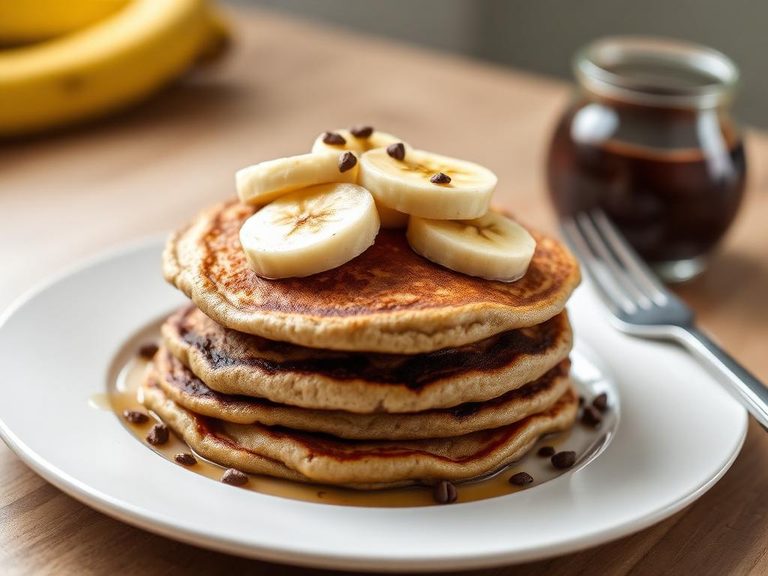
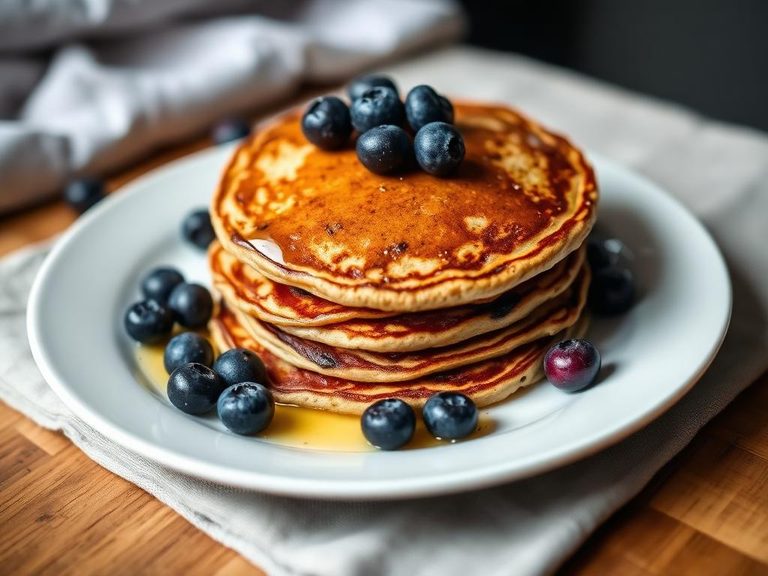
Whole-grain pancakes are a wholesome twist on the classic breakfast staple, made by using flours like whole wheat, oat, or buckwheat instead of refined white flour. They typically incorporate ingredients such as whole-grain flour, eggs, milk, and a leavening agent, often enhanced with additions like nuts, seeds, or fruit. This dish has roots in various cuisines worldwide, from American diners to European farmhouse kitchens, where whole grains have long been valued for their hearty texture.
🍽️ Nutrition at a glance
Whole-grain pancakes are generally higher in fiber and nutrients like B vitamins, iron, and magnesium compared to their refined-flour counterparts, making them a more balanced option. They provide a moderate amount of complex carbohydrates for sustained energy, with a typical serving (2-3 pancakes) ranging from 250 to 400 calories depending on toppings and recipe variations.
Nutrition breakdown
| Calories | 220 kcal |
| Protein | 7 g |
| Carbs | 35 g |
| Fat | 6 g |
| Fiber | 4 g |
| Sugar | 5 g |
| Sodium | 380 mg |
| Iron | 3 mg |
| Calcium | 150 mg |
| Potassium | 200 mg |
| Magnesium | 60 mg |
| Phosphorus | 250 mg |
| Thiamin (B1) | 0.3 mg |
| Niacin (B3) | 2 mg |
| Folate | 80 mcg |
Per 2 pancakes (approx. 150 g) · estimated, varies by recipe
💡 What's interesting
Nutritionally interesting because the whole grains help stabilize blood sugar levels and promote fullness, making them a popular choice for health-conscious eaters. Culturally, they reflect a growing trend toward traditional, minimally processed foods, often seen as a comforting yet nutritious way to start the day in many modern diets.