

Spices, dill seed
Whole food · Spices and Herbs

Photo: Wikipedia
Dill seed is the tiny, oval-shaped fruit of the dill plant, harvested after flowering. It offers a warm, aromatic flavor with hints of anise and caraway, and a satisfyingly crunchy texture when chewed. Nutritionally, it is a remarkable source of dietary fiber, providing over 21 grams per 100 grams.
Calorie split: 15% protein · 53% carbs · 31% fat
↓ Full nutrition💚 Why it's loved
People love dill seed for its unique, pungent warmth that can transform a dish, especially in pickling and breads. Its versatility allows it to be used whole or ground, adding depth to both savory and some sweet preparations.
⚠️ Watch-outs & how to enjoy it better
Its strong, concentrated flavor can easily overpower a dish if used excessively. For those new to it, the taste can be intense and somewhat medicinal. To counteract this, start with a very small amount (e.g., ¼ teaspoon for a family-sized dish) and toast it lightly in a dry pan to mellow and develop its flavor before adding other ingredients.
Key benefits
- Excellent source of dietary fiber for digestive health.
- Contains a good amount of plant-based protein.
- Rich in minerals like iron and manganese.
- Provides antioxidants and volatile oils with potential health benefits.
🍽️ Popular dishes
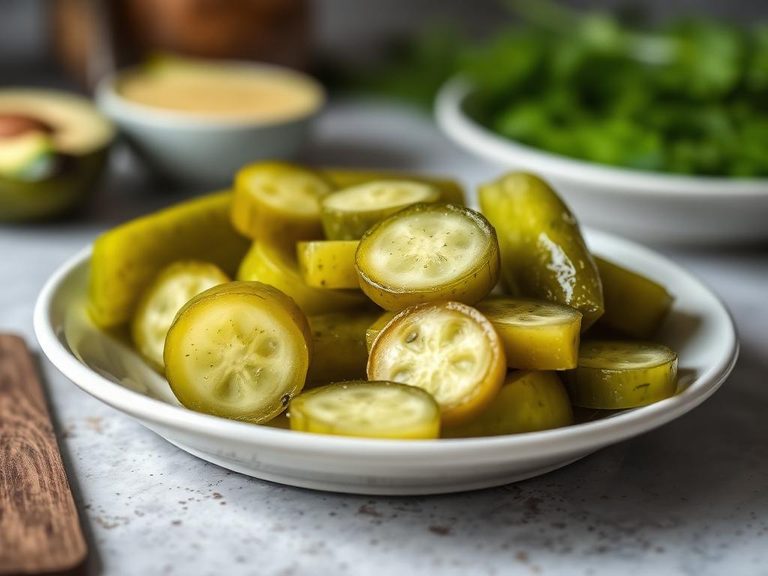
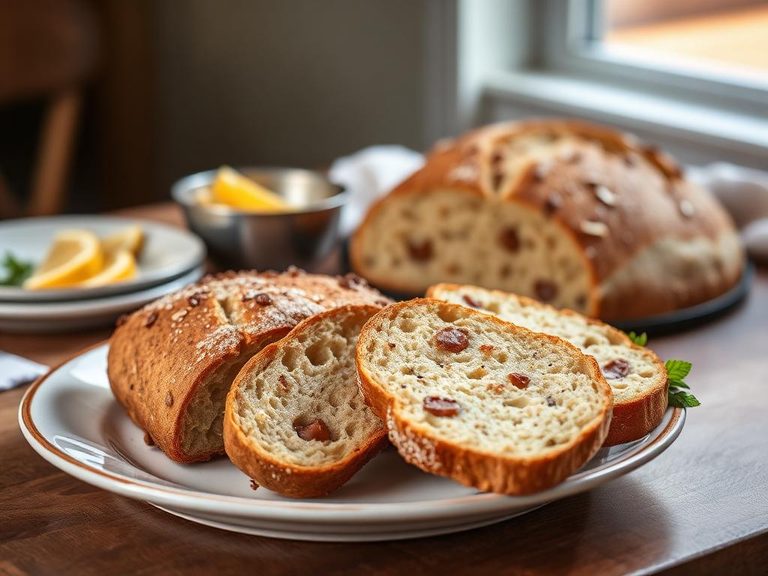
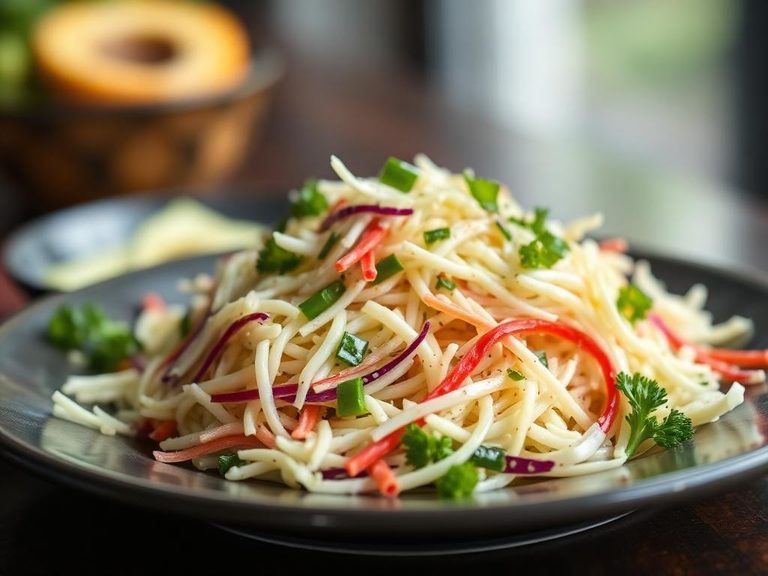
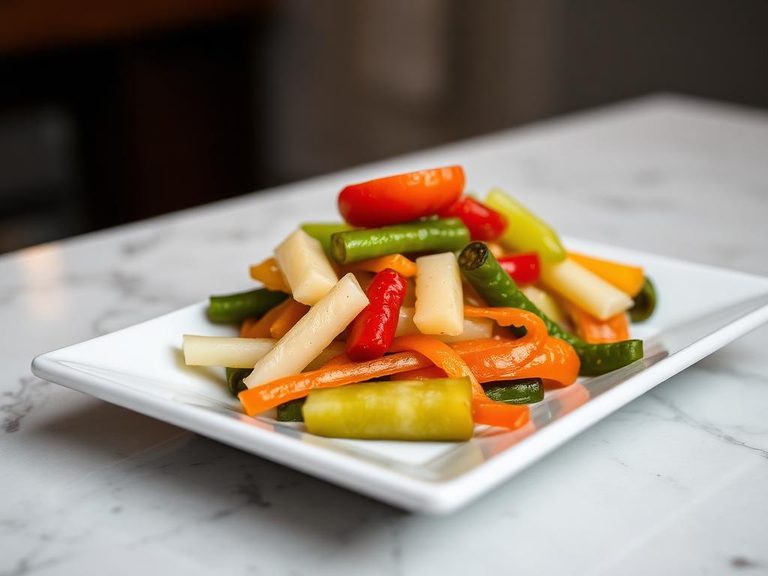
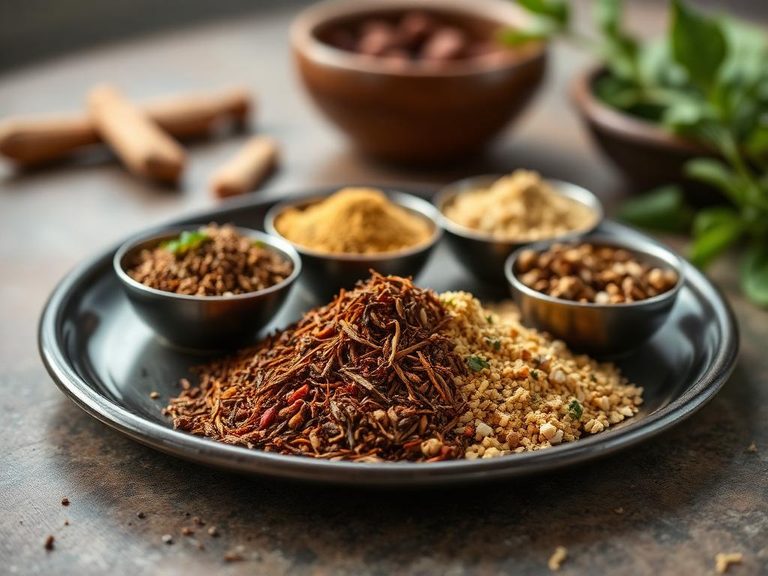
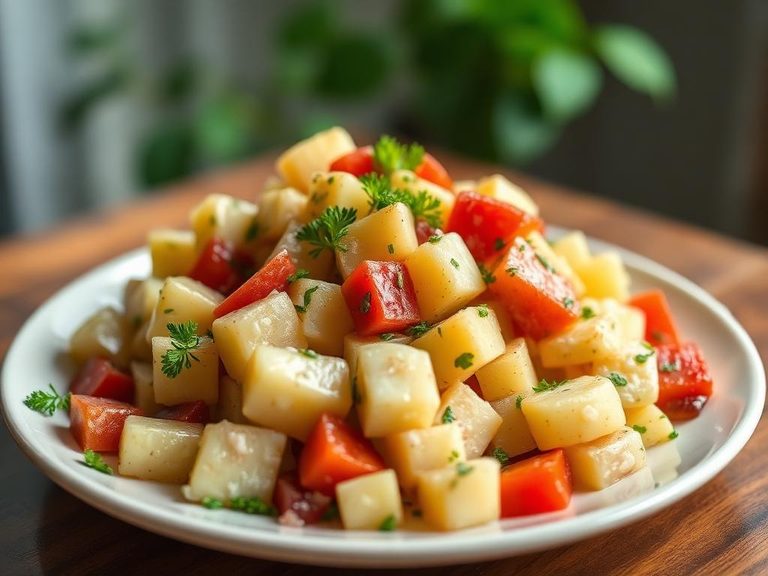
🌍 Where it's eaten
💡 Did you know?
Dill seed is not the same as the fresh dill herb; it's the spice from the plant's flower head, while the herb comes from the leaves and stems.
Full nutrition (USDA data · scales with serving)
| Water | 7.7 g |
| Energy | 305 kcal |
| Energy | 1276 kj |
| Protein | 16.0 g |
| Total lipid (fat) | 14.5 g |
| Ash | 6.6 g |
| Carbohydrate, by difference | 55.2 g |
| Fiber, total dietary | 21.1 g |
| Calcium, Ca | 1516 mg |
| Iron, Fe | 16.3 mg |
| Magnesium, Mg | 256 mg |
| Phosphorus, P | 277 mg |
| Potassium, K | 1186 mg |
| Sodium, Na | 20.0 mg |
| Zinc, Zn | 5.2 mg |
| Copper, Cu | 0.78 mg |
| Manganese, Mn | 1.8 mg |
| Selenium, Se | 12.1 ug |
| Vitamin C, total ascorbic acid | 21.0 mg |
| Thiamin | 0.42 mg |
| Riboflavin | 0.28 mg |
| Niacin | 2.8 mg |
| Vitamin B-6 | 0.25 mg |
| Folate, total | 10.0 ug |
| Folic acid | 0.00 ug |
| Folate, food | 10.0 ug |
| Folate, DFE | 10.0 ug |
| Vitamin B-12 | 0.00 ug |
| Vitamin A, RAE | 3.0 ug |
| Retinol | 0.00 ug |
| Vitamin A, IU | 53.0 iu |
| Vitamin D (D2 + D3), International Units | 0.00 iu |
| Vitamin D (D2 + D3) | 0.00 ug |
| Alcohol, ethyl | 0.00 g |
| Caffeine | 0.00 mg |
| Theobromine | 0.00 mg |
Fat & fatty acid profile (per 100g)
| Fatty acids, total saturated | 0.73 g |
| SFA 4:0 | 0.00 g |
| SFA 6:0 | 0.00 g |
| SFA 8:0 | 0.00 g |
| SFA 10:0 | 0.00 g |
| SFA 12:0 | 0.01 g |
| SFA 14:0 | 0.01 g |
| SFA 16:0 | 0.58 g |
| SFA 18:0 | 0.10 g |
| Fatty acids, total monounsaturated | 9.4 g |
| MUFA 16:1 | 0.05 g |
| MUFA 18:1 | 9.4 g |
| MUFA 20:1 | 0.00 g |
| MUFA 22:1 | 0.00 g |
| Fatty acids, total polyunsaturated | 1.0 g |
| PUFA 18:2 | 0.96 g |
| PUFA 18:3 | 0.15 g |
| PUFA 18:4 | 0.00 g |
| PUFA 20:4 | 0.00 g |
| PUFA 20:5 n-3 (EPA) | 0.00 g |
| PUFA 22:5 n-3 (DPA) | 0.00 g |
| PUFA 22:6 n-3 (DHA) | 0.00 g |
| Cholesterol | 0.00 mg |
| Phytosterols | 124 mg |
Amino acid profile (per 100g)
| Threonine | 0.57 g |
| Isoleucine | 0.77 g |
| Leucine | 0.93 g |
| Lysine | 1.0 g |
| Methionine | 0.14 g |
| Phenylalanine | 0.67 g |
| Valine | 1.1 g |
| Arginine | 1.3 g |
| Histidine | 0.32 g |
FAQ
What's the difference between dill seed and dill weed?
Dill weed refers to the fresh or dried leaves and stems of the dill plant, used for its grassy, anise-like flavor. Dill seed is the dried fruit (often mistaken for a seed) from the same plant, used as a spice with a stronger, more pungent, and warm flavor.
How should I store dill seed?
Store whole dill seed in an airtight container in a cool, dark place like a spice cabinet. It will retain its best flavor for about 1-2 years. Ground dill seed loses potency much faster and should be used within 6 months.
Can I substitute dill weed for dill seed?
They are not direct substitutes due to their different flavor profiles. Dill weed is milder and fresher, while dill seed is stronger and warmer. For pickling or bread recipes specifically calling for dill seed, using weed will not achieve the same result.
Nutrient density (calculated · NRF9.3)
Nutrient Rich Foods index: beneficial nutrients (protein, fiber, vitamins, minerals) minus saturated fat, added sugar & sodium, per 100 kcal.
NRF9.3 index — Fulgoni, Keast & Drewnowski, 2009. Computed from USDA nutrients.
Weight-loss friendliness (composite index)
Energy density 3.05 kcal/g · 21% calories from protein · 21.1 g fiber · 0.0 g sugar per 100 g.
Composite of energy density (Rolls et al., 1999), protein & fiber satiety, minus sugar. A calculated heuristic — ranks satiety-per-calorie, not a clinical measure.
Dietary load (calculated from USDA values)
Potential renal acid load. Positive = acid-forming, negative = alkaline-forming.
Sodium-to-potassium ratio: 0.02 (lower is better — aim for ≤ 1)
Sodium:potassium per WHO potassium guidance. Computed from USDA nutrients.