

Potatoes, boiled, cooked in skin, skin, without salt
Whole food · Vegetables and Vegetable Products

Photo: Wikipedia
A humble boiled potato with its skin intact offers a satisfying, earthy flavor and a pleasantly firm yet tender texture. It's a nutritional powerhouse, providing a solid dose of fiber and complex carbohydrates for sustained energy without any added fat or sugar.
Calorie split: 14% protein · 85% carbs · 1% fat
↓ Full nutrition💚 Why it's loved
People love it for its incredible versatility and comforting, neutral flavor that acts as a perfect canvas for countless seasonings and toppings. It's a staple in home cooking worldwide, evoking a sense of simplicity and nourishment.
⚠️ Watch-outs & how to enjoy it better
The primary downside is its high glycemic index, which can cause blood sugar spikes, especially when eaten alone. To counteract this, pair it with a source of protein (like beans or chicken) or healthy fat (like olive oil or avocado) to slow digestion, and practice portion control. Also, be mindful of the skin if it's not washed well, as it can hold residues.
Key benefits
- Rich in potassium, supporting heart and muscle function.
- High in dietary fiber, promoting digestive health.
- Provides vitamin C, an antioxidant that supports immunity.
- A good source of complex carbohydrates for steady energy.
- Naturally low in fat and sodium when prepared without salt.
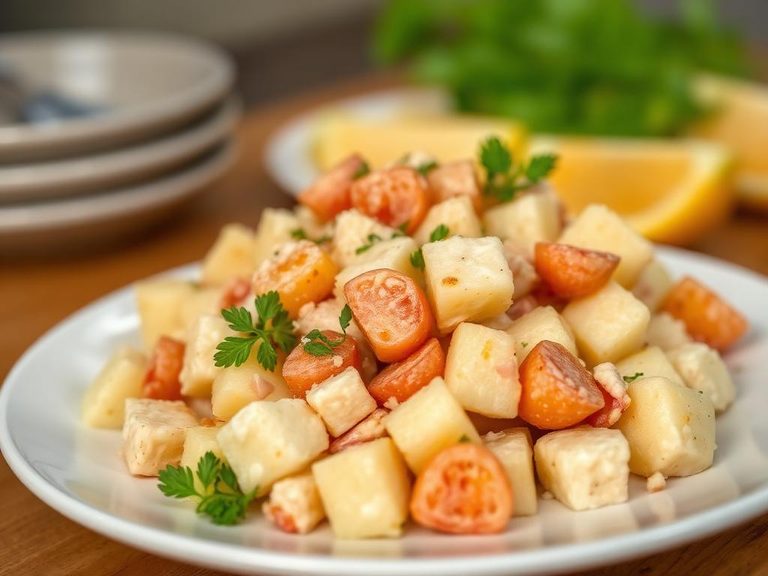
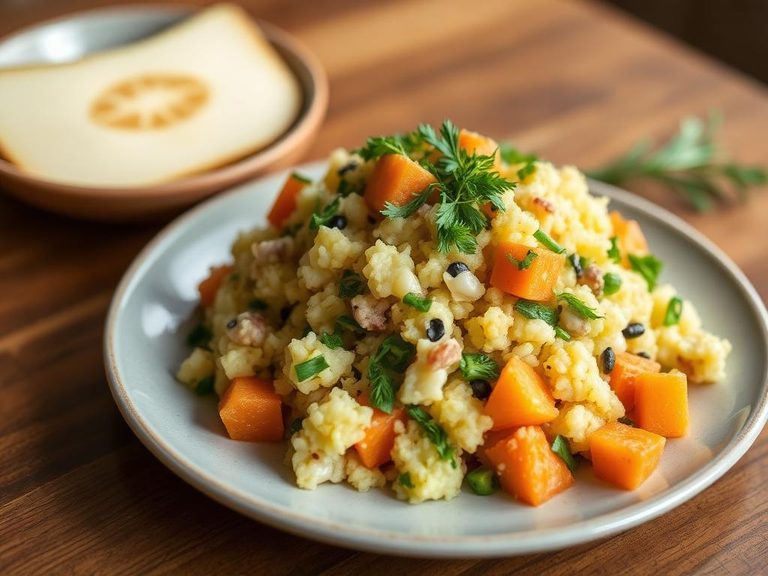
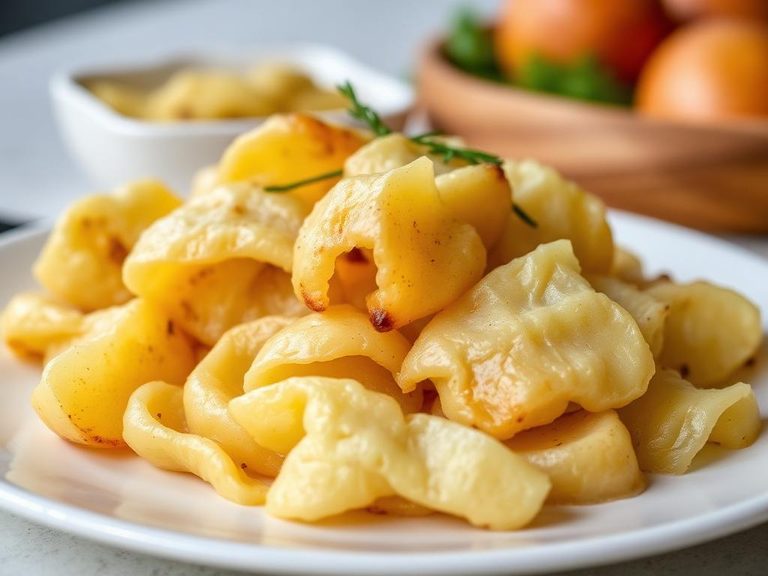
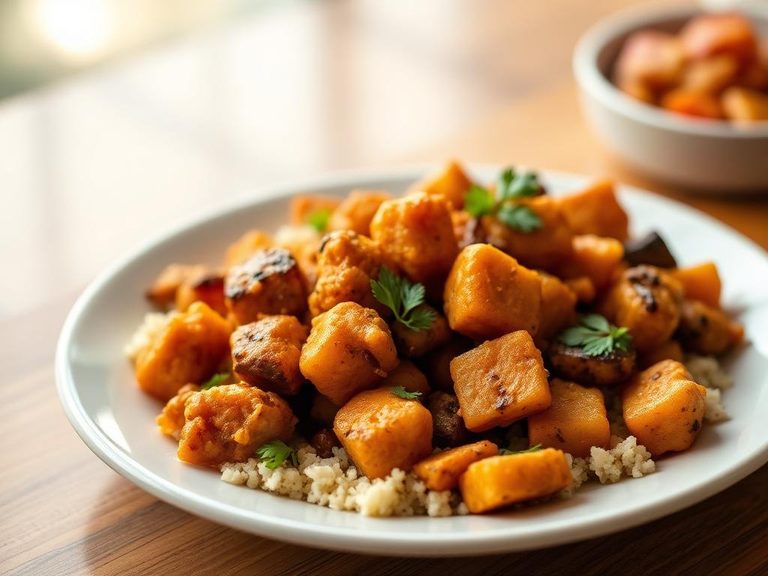
🍽️ Popular dishes
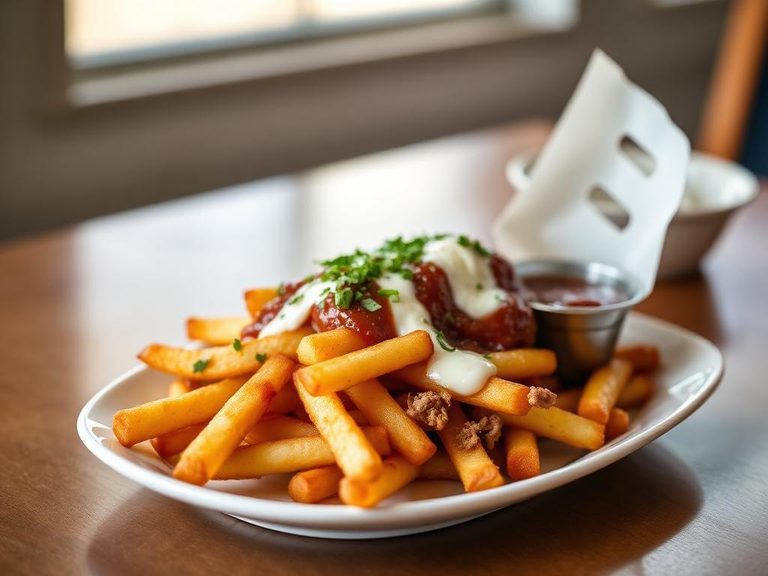
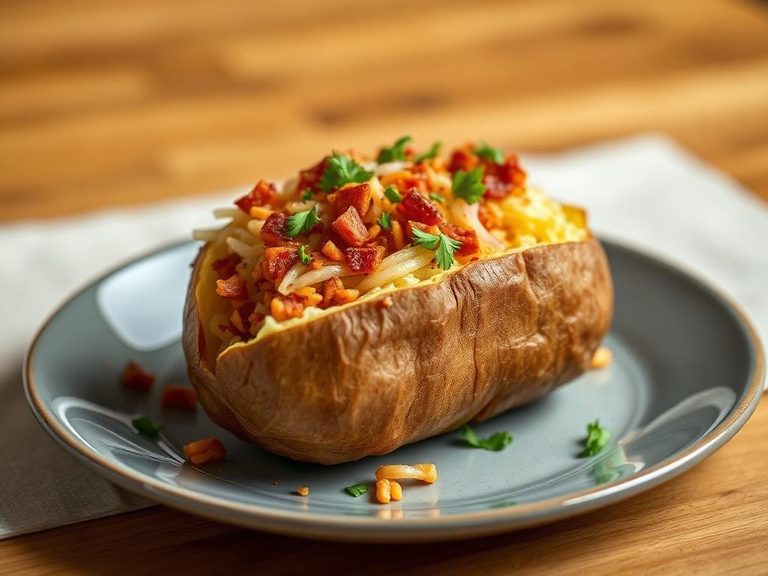
🌍 Where it's eaten
💡 Did you know?
The potato skin contains nearly half of the potato's total fiber and is rich in iron and potassium, making it a nutritional powerhouse often discarded by mistake.
Full nutrition (USDA data · scales with serving)
| Water | 77.8 g |
| Energy | 78.0 kcal |
| Energy | 326 kj |
| Protein | 2.9 g |
| Total lipid (fat) | 0.10 g |
| Ash | 2.0 g |
| Carbohydrate, by difference | 17.2 g |
| Fiber, total dietary | 3.3 g |
| Calcium, Ca | 45.0 mg |
| Iron, Fe | 6.1 mg |
| Magnesium, Mg | 30.0 mg |
| Phosphorus, P | 54.0 mg |
| Potassium, K | 407 mg |
| Sodium, Na | 14.0 mg |
| Zinc, Zn | 0.44 mg |
| Copper, Cu | 0.88 mg |
| Manganese, Mn | 1.3 mg |
| Selenium, Se | 0.30 ug |
| Vitamin C, total ascorbic acid | 5.2 mg |
| Thiamin | 0.03 mg |
| Riboflavin | 0.04 mg |
| Niacin | 1.2 mg |
| Pantothenic acid | 0.36 mg |
| Vitamin B-6 | 0.24 mg |
| Folate, total | 10.0 ug |
| Folic acid | 0.00 ug |
| Folate, food | 10.0 ug |
| Folate, DFE | 10.0 ug |
| Vitamin B-12 | 0.00 ug |
| Vitamin A, RAE | 0.00 ug |
| Retinol | 0.00 ug |
| Vitamin A, IU | 0.00 iu |
| Vitamin D (D2 + D3), International Units | 0.00 iu |
| Vitamin D (D2 + D3) | 0.00 ug |
Fat & fatty acid profile (per 100g)
| Fatty acids, total saturated | 0.03 g |
| SFA 10:0 | 0.00 g |
| SFA 12:0 | 0.00 g |
| SFA 14:0 | 0.00 g |
| SFA 16:0 | 0.02 g |
| SFA 18:0 | 0.00 g |
| Fatty acids, total monounsaturated | 0.00 g |
| MUFA 16:1 | 0.00 g |
| MUFA 18:1 | 0.00 g |
| Fatty acids, total polyunsaturated | 0.04 g |
| PUFA 18:2 | 0.03 g |
| PUFA 18:3 | 0.01 g |
| Fatty acids, total trans | 0.00 g |
| Cholesterol | 0.00 mg |
Amino acid profile (per 100g)
Estimated from Potatoes, french fried, all types, salt added in processing, frozen, unprepared — USDA does not publish this profile for Potatoes.
| Tryptophan | 0.02 g |
| Threonine | 0.08 g |
| Isoleucine | 0.08 g |
| Leucine | 0.13 g |
| Lysine | 0.13 g |
| Methionine | 0.04 g |
| Cystine | 0.04 g |
| Phenylalanine | 0.10 g |
| Tyrosine | 0.08 g |
| Valine | 0.12 g |
| Arginine | 0.13 g |
| Histidine | 0.05 g |
| Alanine | 0.09 g |
| Aspartic acid | 0.50 g |
| Glutamic acid | 0.40 g |
| Glycine | 0.07 g |
| Proline | 0.08 g |
| Serine | 0.10 g |
FAQ
Is the skin edible and nutritious?
Yes, the skin is completely edible and is actually the most nutrient-dense part of the potato, containing significant amounts of fiber, iron, and potassium.
How does boiling affect the glycemic index compared to other cooking methods?
Boiling with the skin on generally results in a lower glycemic index than baking or frying, especially if the potato is cooled after cooking, which increases resistant starch.
Can I eat this on a low-carb diet?
Potatoes are relatively high in carbohydrates, so they may not be suitable for very low-carb diets. However, they can be included in moderate-carb diets, especially when paired with protein and fat to manage blood sugar response.
Nutrient density (calculated · NRF9.3)
Nutrient Rich Foods index: beneficial nutrients (protein, fiber, vitamins, minerals) minus saturated fat, added sugar & sodium, per 100 kcal.
NRF9.3 index — Fulgoni, Keast & Drewnowski, 2009. Computed from USDA nutrients.
Weight-loss friendliness (composite index)
Energy density 0.78 kcal/g · 15% calories from protein · 3.3 g fiber · 0.0 g sugar per 100 g.
Composite of energy density (Rolls et al., 1999), protein & fiber satiety, minus sugar. A calculated heuristic — ranks satiety-per-calorie, not a clinical measure.
Dietary load (calculated from USDA values)
Potential renal acid load. Positive = acid-forming, negative = alkaline-forming.
Sodium-to-potassium ratio: 0.03 (lower is better — aim for ≤ 1)
Sodium:potassium per WHO potassium guidance. Computed from USDA nutrients.