

Peanut spread, reduced sugar
Whole food · Legumes and Legume Products

Photo: Wikipedia
This is a thick, savory-sweet paste made from roasted peanuts with a portion of the sugar removed, offering a rich, nutty flavor with a creamy yet slightly gritty texture. It boasts an exceptionally high fat content (over 54g per 100g) and a substantial protein punch (24.8g), making it a calorie-dense powerhouse. The reduced sugar profile gives it a more pronounced, earthy peanut taste compared to standard sweetened spreads.
Calorie split: 15% protein · 9% carbs · 76% fat
↓ Full nutrition💚 Why it's loved
People adore it for its intense, authentic peanut flavor that isn't masked by excessive sweetness, making it a versatile staple for both sweet and savory dishes. Its creamy consistency and high satiety factor make it a satisfying addition to snacks and meals across many cultures.
⚠️ Watch-outs & how to enjoy it better
As a common allergen, peanut products can trigger severe reactions in sensitive individuals, and the high fat and calorie density can contribute to weight gain if consumed in large portions. To mitigate this, practice strict portion control (e.g., 1 tablespoon per serving) and pair it with high-fiber foods like celery or whole-grain toast to slow digestion and enhance satiety.
Key benefits
- High in plant-based protein for muscle maintenance
- Rich in monounsaturated fats for heart health
- Lower sugar content than traditional sweetened spreads
- Good source of dietary fiber (7.8g per 100g)
- Provides essential minerals like magnesium and potassium
🍽️ Popular dishes
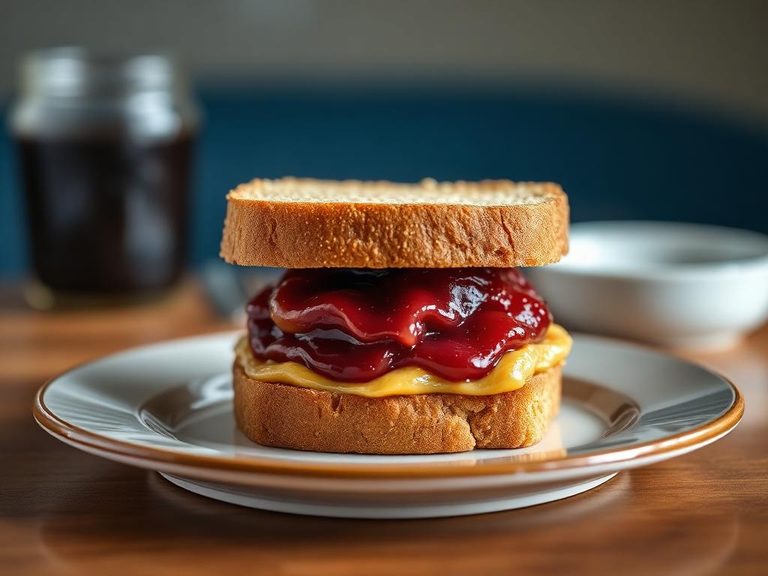
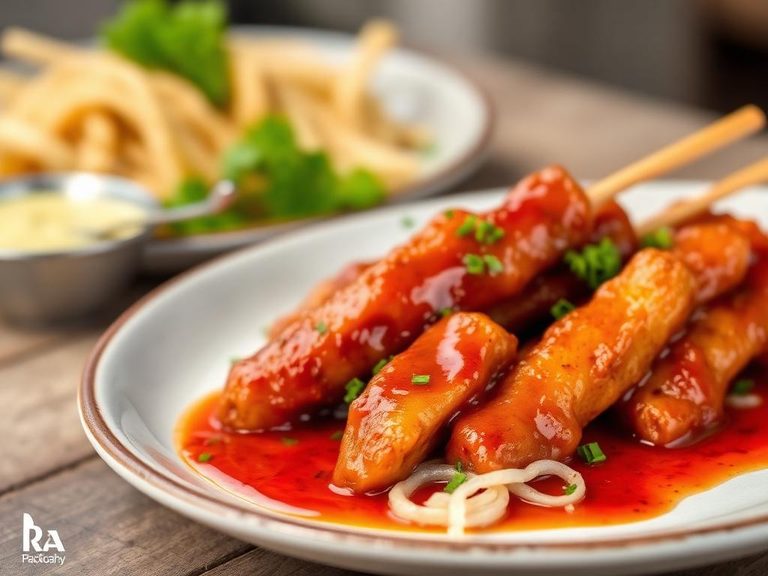
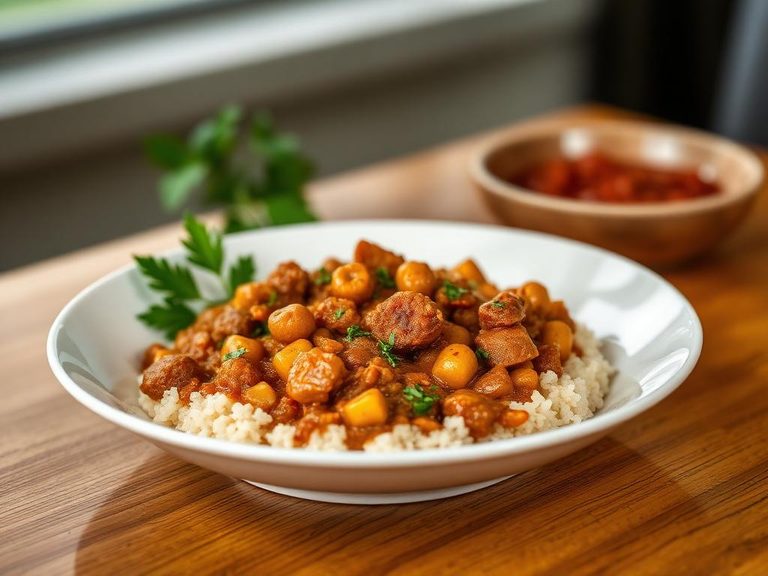
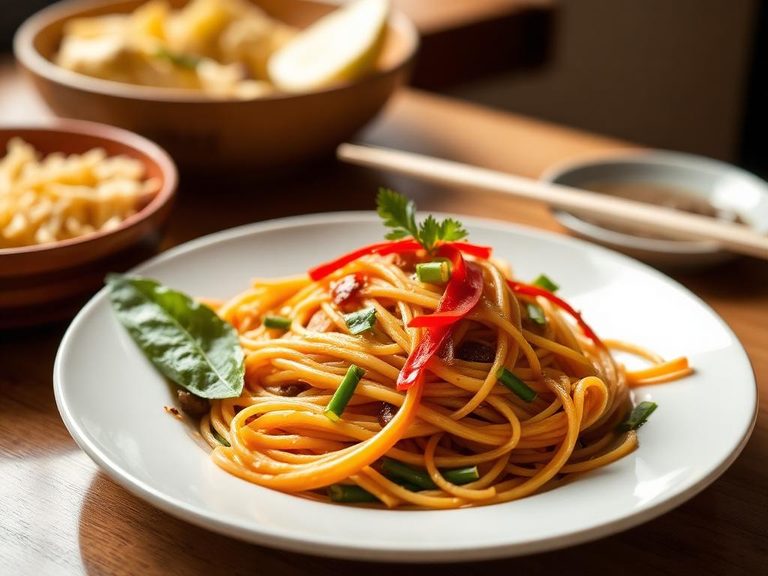
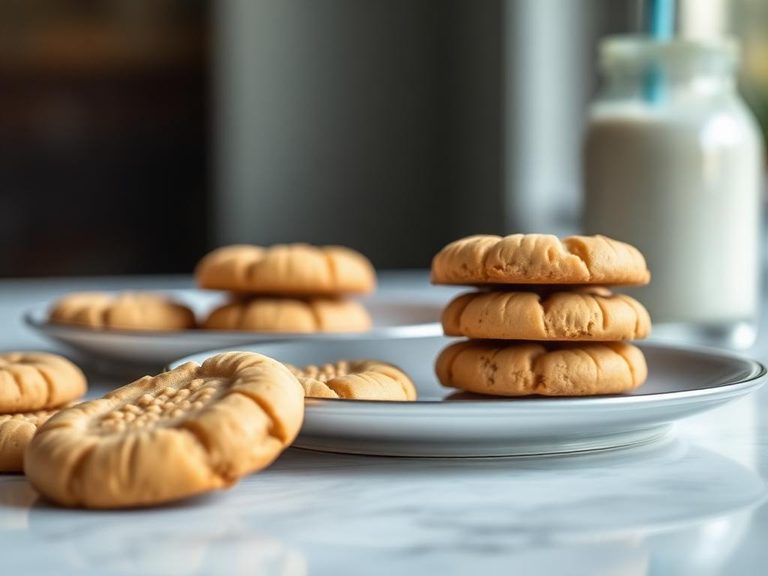
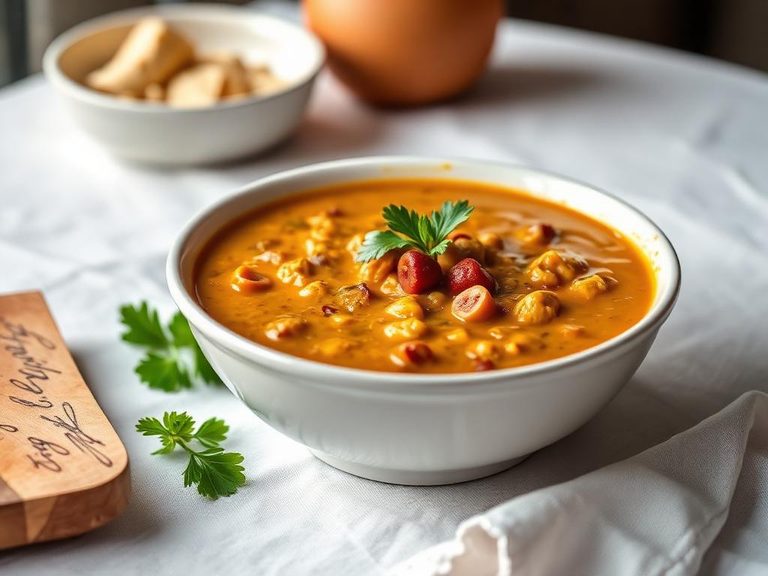
🌍 Where it's eaten
💡 Did you know?
Peanuts aren't nuts at all—they're legumes that grow underground, and the process of making peanut butter was actually patented in 1884 by Marcellus Gilmore Edson of Montreal, Canada.
Full nutrition (USDA data · scales with serving)
| Water | 1.9 g |
| Energy | 650 kcal |
| Energy | 2720 kj |
| Protein | 24.8 g |
| Total lipid (fat) | 54.9 g |
| Ash | 4.2 g |
| Carbohydrate, by difference | 14.2 g |
| Fiber, total dietary | 7.8 g |
| Total Sugars | 6.3 g |
| Calcium, Ca | 72.0 mg |
| Iron, Fe | 2.8 mg |
| Magnesium, Mg | 164 mg |
| Phosphorus, P | 350 mg |
| Potassium, K | 818 mg |
| Sodium, Na | 292 mg |
| Zinc, Zn | 3.5 mg |
| Copper, Cu | 0.76 mg |
| Manganese, Mn | 2.0 mg |
| Selenium, Se | 9.1 ug |
| Vitamin C, total ascorbic acid | 0.00 mg |
| Thiamin | 0.12 mg |
| Riboflavin | 0.12 mg |
| Niacin | 16.4 mg |
| Pantothenic acid | 1.2 mg |
| Vitamin B-6 | 0.47 mg |
| Folate, total | 144 ug |
| Folic acid | 0.00 ug |
| Folate, food | 144 ug |
| Folate, DFE | 144 ug |
| Choline, total | 67.4 mg |
| Vitamin B-12 | 0.00 ug |
| Vitamin B-12, added | 0.00 ug |
| Vitamin A, RAE | 0.00 ug |
| Retinol | 0.00 ug |
| Carotene, beta | 0.00 ug |
| Carotene, alpha | 0.00 ug |
| Cryptoxanthin, beta | 0.00 ug |
| Vitamin A, IU | 0.00 iu |
| Lycopene | 0.00 ug |
| Lutein + zeaxanthin | 0.00 ug |
| Vitamin E (alpha-tocopherol) | 8.1 mg |
| Vitamin E, added | 0.00 mg |
| Vitamin D (D2 + D3), International Units | 0.00 iu |
| Vitamin D (D2 + D3) | 0.00 ug |
| Vitamin K (phylloquinone) | 0.60 ug |
| Alcohol, ethyl | 0.00 g |
| Caffeine | 0.00 mg |
| Theobromine | 0.00 mg |
Fat & fatty acid profile (per 100g)
| Fatty acids, total saturated | 10.2 g |
| SFA 4:0 | 0.00 g |
| SFA 6:0 | 0.00 g |
| SFA 8:0 | 0.00 g |
| SFA 10:0 | 0.00 g |
| SFA 12:0 | 0.21 g |
| SFA 14:0 | 0.06 g |
| SFA 16:0 | 7.1 g |
| SFA 18:0 | 0.80 g |
| Fatty acids, total monounsaturated | 27.0 g |
| MUFA 16:1 | 0.00 g |
| MUFA 18:1 | 26.1 g |
| MUFA 20:1 | 0.92 g |
| MUFA 22:1 | 0.00 g |
| Fatty acids, total polyunsaturated | 16.3 g |
| PUFA 18:2 | 16.2 g |
| PUFA 18:3 | 0.09 g |
| PUFA 18:4 | 0.00 g |
| PUFA 20:4 | 0.00 g |
| PUFA 20:5 n-3 (EPA) | 0.00 g |
| PUFA 22:5 n-3 (DPA) | 0.00 g |
| PUFA 22:6 n-3 (DHA) | 0.00 g |
| Fatty acids, total trans | 0.16 g |
| Cholesterol | 0.00 mg |
FAQ
Is reduced sugar peanut spread healthier than regular peanut butter?
It has less added sugar, which can benefit blood sugar management, but it still contains similar amounts of fat and calories. The main difference is the taste—more nutty and less sweet.
Can I use this in savory cooking?
Absolutely! Its lower sugar content makes it ideal for savory dishes like satay sauce, African stews, or as a base for salad dressings. It pairs well with soy sauce, ginger, and garlic.
How should I store it to prevent oil separation?
Store it in a cool, dry place and stir well before use. Refrigeration can slow oil separation but may make it thicker. Always use a clean, dry utensil to avoid introducing moisture.
Nutrient density (calculated · NRF9.3)
Nutrient Rich Foods index: beneficial nutrients (protein, fiber, vitamins, minerals) minus saturated fat, added sugar & sodium, per 100 kcal.
NRF9.3 index — Fulgoni, Keast & Drewnowski, 2009. Computed from USDA nutrients.
Weight-loss friendliness (composite index)
Energy density 6.50 kcal/g · 15% calories from protein · 7.8 g fiber · 6.3 g sugar per 100 g.
Composite of energy density (Rolls et al., 1999), protein & fiber satiety, minus sugar. A calculated heuristic — ranks satiety-per-calorie, not a clinical measure.
Dietary load (calculated from USDA values)
Potential renal acid load. Positive = acid-forming, negative = alkaline-forming.
Sodium-to-potassium ratio: 0.36 (lower is better — aim for ≤ 1)
Sodium:potassium per WHO potassium guidance. Computed from USDA nutrients.