

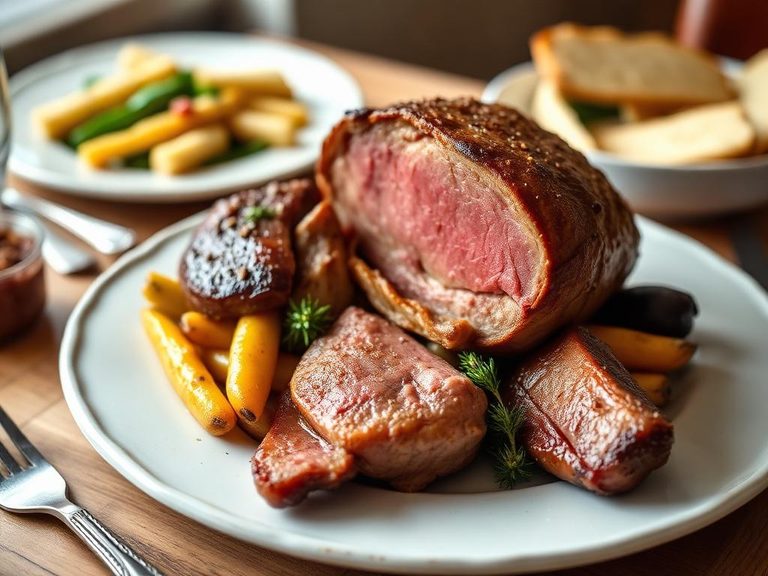
Lamb, shoulder, blade, separable lean only, trimmed to 1/4" fat, choice, cooked, roasted
Whole food · Lamb, Veal, and Game Products

Photo: Wikipedia
This is a lean, flavorful cut from the shoulder of lamb, prized for its rich, meaty taste and tender texture when slow-roasted. Nutritionally, it's a powerhouse of high-quality protein with minimal fat, making it a satisfying choice for those seeking a nutrient-dense meal. The roasting process develops a deep, savory crust while keeping the interior moist and succulent.
Calorie split: 49% protein · 0% carbs · 51% fat
↓ Full nutrition💚 Why it's loved
People cherish this cut for its robust, authentic lamb flavor that isn't overly gamey, and its versatility—it shines in everything from simple roasts to complex stews. Its cultural significance in Mediterranean, Middle Eastern, and British cuisines adds a layer of comfort and tradition to the dining experience.
⚠️ Watch-outs & how to enjoy it better
While lean, it can become tough if overcooked due to its location in the well-exercised shoulder. To counteract this, use moist-heat cooking methods like braising or slow-roasting, and ensure it's cooked to a medium doneness. Those monitoring red meat intake should practice portion control, and pairing it with fiber-rich vegetables like roasted root vegetables can enhance the meal's nutritional balance.
Key benefits
- Excellent source of complete protein (24.6g per 100g)
- Very low in carbohydrates and sugars
- Good source of iron and B vitamins
- Provides essential amino acids for muscle maintenance
- Naturally low in fat for a red meat option
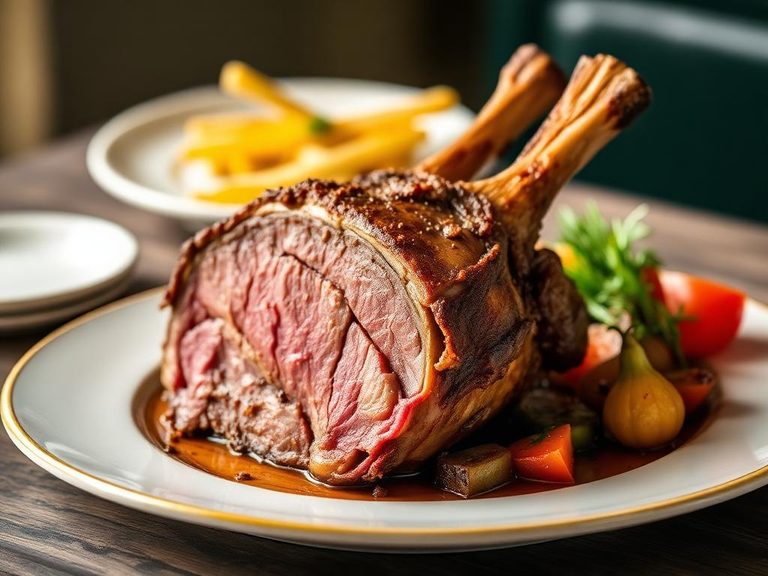
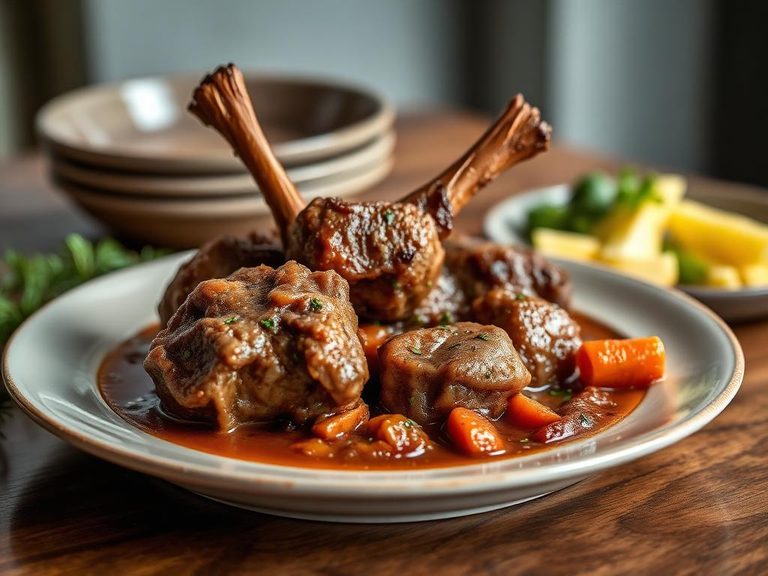
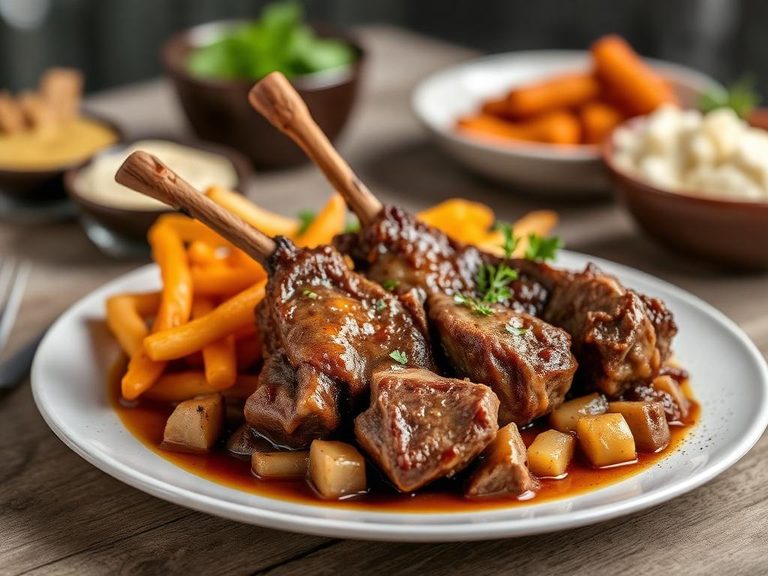
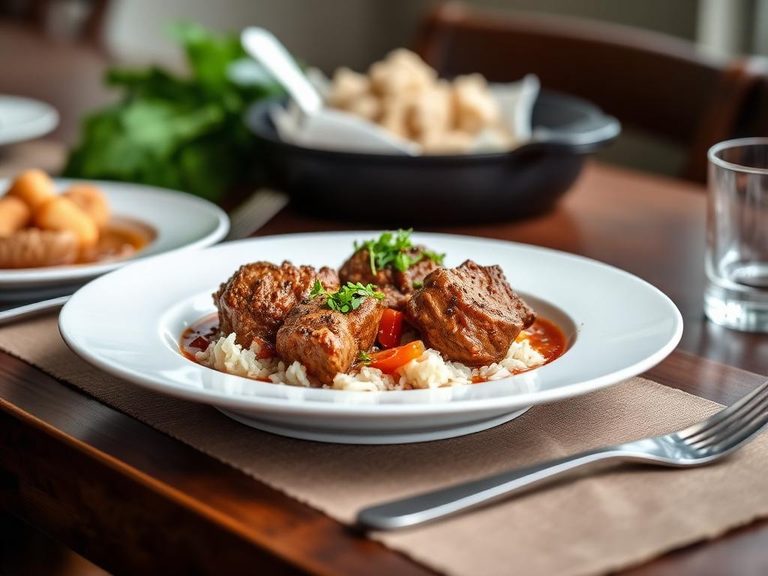
🍽️ Popular dishes
🌍 Where it's eaten
💡 Did you know?
The term 'choice' in the description refers to a specific USDA quality grade for lamb, indicating a good amount of marbling (intramuscular fat) which contributes to flavor and juiciness, even in this trimmed, lean cut.
Full nutrition (USDA data · scales with serving)
| Water | 62.8 g |
| Energy | 209 kcal |
| Energy | 874 kj |
| Protein | 24.6 g |
| Total lipid (fat) | 11.6 g |
| Ash | 1.3 g |
| Carbohydrate, by difference | 0.00 g |
| Fiber, total dietary | 0.00 g |
| Calcium, Ca | 21.0 mg |
| Iron, Fe | 2.1 mg |
| Magnesium, Mg | 25.0 mg |
| Phosphorus, P | 199 mg |
| Potassium, K | 258 mg |
| Sodium, Na | 68.0 mg |
| Zinc, Zn | 6.5 mg |
| Copper, Cu | 0.11 mg |
| Manganese, Mn | 0.03 mg |
| Selenium, Se | 28.1 ug |
| Vitamin C, total ascorbic acid | 0.00 mg |
| Thiamin | 0.09 mg |
| Riboflavin | 0.25 mg |
| Niacin | 5.5 mg |
| Pantothenic acid | 0.72 mg |
| Vitamin B-6 | 0.15 mg |
| Folate, total | 25.0 ug |
| Folic acid | 0.00 ug |
| Folate, food | 25.0 ug |
| Folate, DFE | 25.0 ug |
| Vitamin B-12 | 2.7 ug |
| Vitamin A, RAE | 0.00 ug |
| Retinol | 0.00 ug |
| Vitamin A, IU | 0.00 iu |
| Vitamin E (alpha-tocopherol) | 0.17 mg |
Fat & fatty acid profile (per 100g)
| Fatty acids, total saturated | 4.3 g |
| SFA 10:0 | 0.02 g |
| SFA 12:0 | 0.03 g |
| SFA 14:0 | 0.33 g |
| SFA 16:0 | 2.3 g |
| SFA 18:0 | 1.4 g |
| Fatty acids, total monounsaturated | 4.7 g |
| MUFA 16:1 | 0.35 g |
| MUFA 18:1 | 4.2 g |
| Fatty acids, total polyunsaturated | 1.0 g |
| PUFA 18:2 | 0.77 g |
| PUFA 18:3 | 0.17 g |
| PUFA 20:4 | 0.09 g |
| Cholesterol | 87.0 mg |
Amino acid profile (per 100g)
| Tryptophan | 0.29 g |
| Threonine | 1.1 g |
| Isoleucine | 1.2 g |
| Leucine | 1.9 g |
| Lysine | 2.2 g |
| Methionine | 0.63 g |
| Cystine | 0.29 g |
| Phenylalanine | 1.0 g |
| Tyrosine | 0.83 g |
| Valine | 1.3 g |
| Arginine | 1.5 g |
| Histidine | 0.78 g |
| Alanine | 1.5 g |
| Aspartic acid | 2.2 g |
| Glutamic acid | 3.6 g |
| Glycine | 1.2 g |
| Proline | 1.0 g |
| Serine | 0.92 g |
FAQ
What's the best way to cook this lean lamb shoulder cut to keep it tender?
Slow, moist cooking is key. Braising it in liquid (like wine or stock) or slow-roasting it covered for the first part of cooking breaks down connective tissue, resulting in tender, pull-apart meat. Avoid high-heat, quick cooking methods which can dry it out.
How does the nutrition differ from other lamb cuts like leg or loin?
Shoulder cuts, even when trimmed, tend to have slightly more connective tissue than the loin but are often leaner than a full leg roast. This specific 'separable lean only' cut is exceptionally lean, with less fat than a typical leg of lamb preparation, making it one of the most protein-dense red meat options.
Is this a good cut for grilling?
It's not ideal for quick grilling like a steak due to its leanness, which can cause it to dry out. For grilling, it's best marinated thoroughly and cooked over medium heat to medium doneness. For best results, consider marinating, then searing on the grill and finishing in the oven to ensure even cooking without drying.
Nutrient density (calculated · NRF9.3)
Nutrient Rich Foods index: beneficial nutrients (protein, fiber, vitamins, minerals) minus saturated fat, added sugar & sodium, per 100 kcal.
NRF9.3 index — Fulgoni, Keast & Drewnowski, 2009. Computed from USDA nutrients.
Weight-loss friendliness (composite index)
Energy density 2.09 kcal/g · 47% calories from protein · 0.0 g fiber · 0.0 g sugar per 100 g.
Composite of energy density (Rolls et al., 1999), protein & fiber satiety, minus sugar. A calculated heuristic — ranks satiety-per-calorie, not a clinical measure.
Dietary load (calculated from USDA values)
Potential renal acid load. Positive = acid-forming, negative = alkaline-forming.
Sodium-to-potassium ratio: 0.26 (lower is better — aim for ≤ 1)
Sodium:potassium per WHO potassium guidance. Computed from USDA nutrients.