

Lamb, New Zealand, imported, frozen, composite of trimmed retail cuts, separable lean and fat, trimmed to 1/8" fat, cooked
Whole food · Lamb, Veal, and Game Products

Photo: Wikipedia
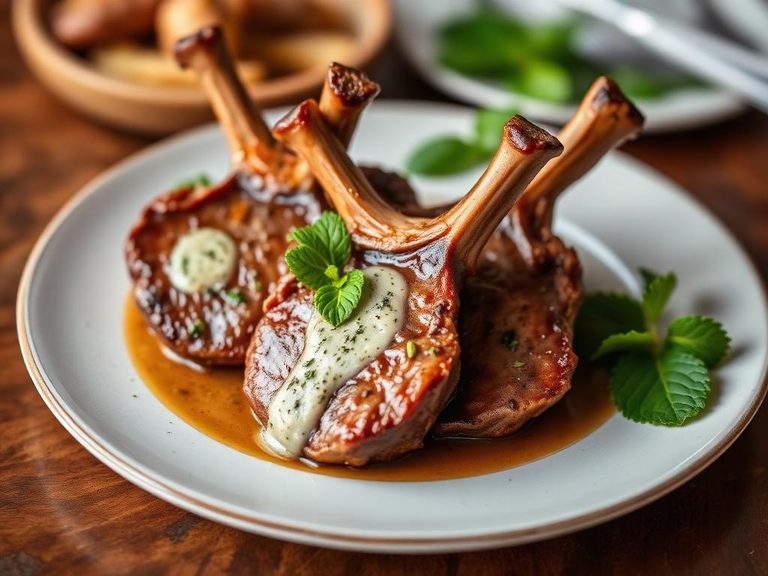
This is lean, cooked New Zealand lamb, typically from shoulder or leg cuts, with a robust, slightly gamey flavor and a tender, succulent texture. Its nutrition is defined by high-quality protein and a moderate fat content, providing a satisfying, energy-dense meal with zero carbohydrates. The trimmed 1/8-inch fat cap ensures a balance between richness and leanness, making it a hearty yet manageable protein source.
Calorie split: 38% protein · 0% carbs · 62% fat
↓ Full nutrition💚 Why it's loved
People adore its deep, savory flavor that stands up to bold herbs and spices, and its tender, juicy texture when cooked properly. It's a cultural staple in many cuisines, symbolizing feasts and family gatherings from the Mediterranean to the Southern Hemisphere.
⚠️ Watch-outs & how to enjoy it better
The higher fat content (about 18g per 100g) and calorie density can be a concern for those managing weight or saturated fat intake. To counteract this, practice portion control (stick to a 3-4 oz serving) and pair it with fiber-rich vegetables like roasted broccoli or a fresh salad to add volume and nutrients without excess calories.
Key benefits
- Excellent source of complete, high-quality protein for muscle maintenance.
- Rich in essential nutrients like iron, zinc, and B vitamins (especially B12).
- Provides a significant amount of healthy fats, including conjugated linoleic acid (CLA).
- Naturally carbohydrate-free, suitable for low-carb and ketogenic diets.
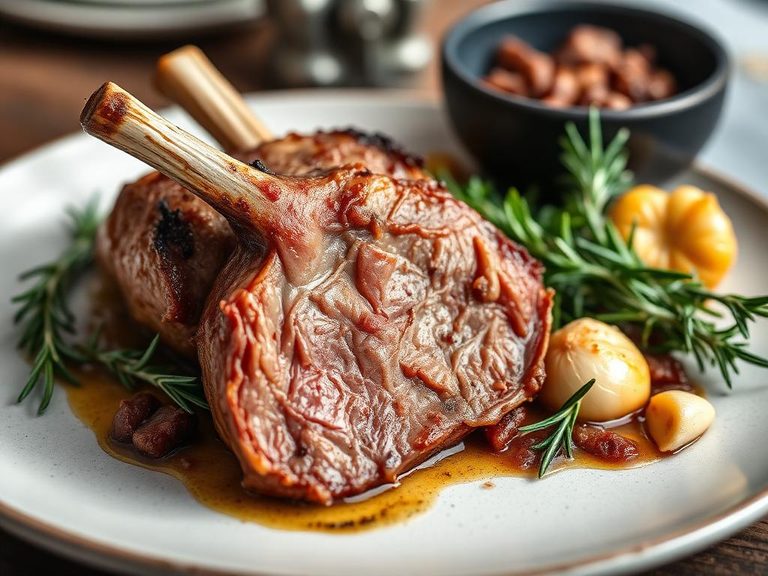
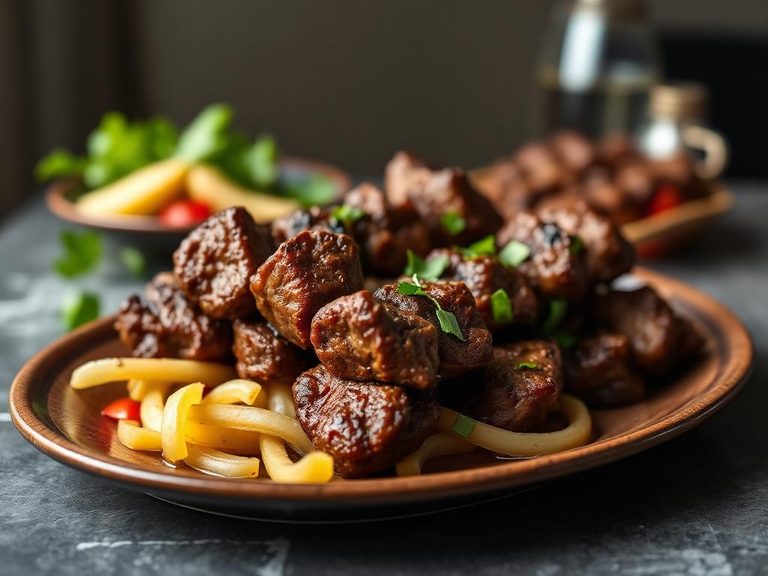
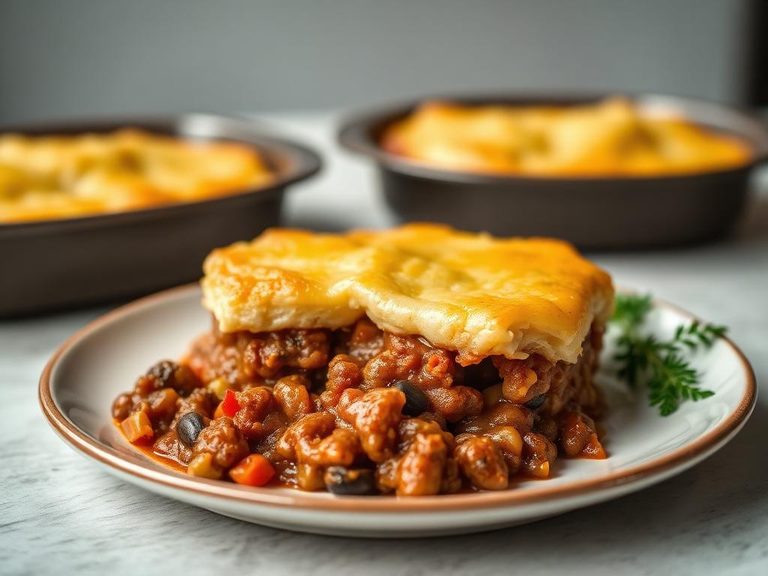
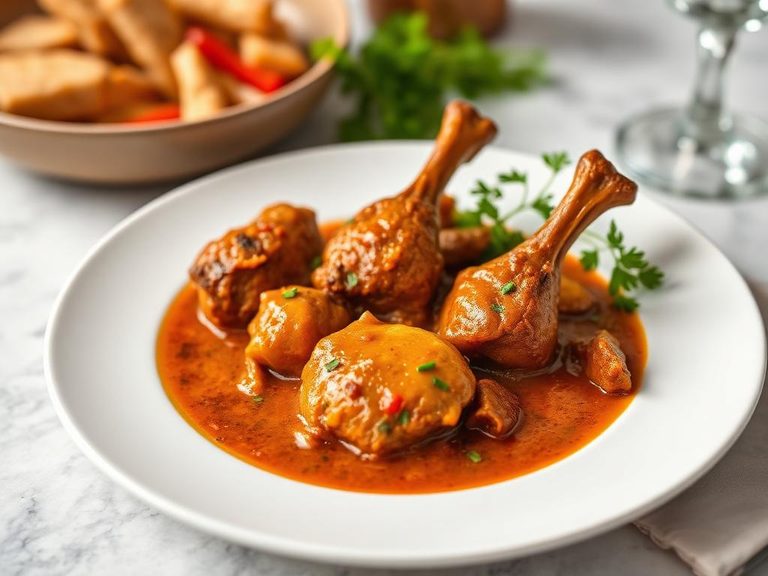
🍽️ Popular dishes
🌍 Where it's eaten
💡 Did you know?
New Zealand lamb is renowned for its high quality because the sheep are predominantly grass-fed and free-range, which contributes to a distinct, clean flavor and a favorable fatty acid profile compared to grain-fed lamb from other regions.
Full nutrition (USDA data · scales with serving)
| Water | 54.8 g |
| Energy | 270 kcal |
| Energy | 1130 kj |
| Protein | 25.3 g |
| Total lipid (fat) | 18.0 g |
| Ash | 1.4 g |
| Carbohydrate, by difference | 0.00 g |
| Fiber, total dietary | 0.00 g |
| Calcium, Ca | 15.0 mg |
| Iron, Fe | 2.1 mg |
| Magnesium, Mg | 19.0 mg |
| Phosphorus, P | 211 mg |
| Potassium, K | 161 mg |
| Sodium, Na | 46.0 mg |
| Zinc, Zn | 3.6 mg |
| Copper, Cu | 0.10 mg |
| Manganese, Mn | 0.02 mg |
| Selenium, Se | 2.0 ug |
| Vitamin C, total ascorbic acid | 0.00 mg |
| Thiamin | 0.11 mg |
| Riboflavin | 0.41 mg |
| Niacin | 7.3 mg |
| Pantothenic acid | 0.53 mg |
| Vitamin B-6 | 0.11 mg |
| Folate, total | 1.0 ug |
| Folic acid | 0.00 ug |
| Folate, food | 1.0 ug |
| Folate, DFE | 1.0 ug |
| Vitamin B-12 | 2.7 ug |
| Vitamin A, RAE | 0.00 ug |
| Retinol | 0.00 ug |
| Vitamin A, IU | 0.00 iu |
Fat & fatty acid profile (per 100g)
| Fatty acids, total saturated | 8.8 g |
| SFA 10:0 | 0.05 g |
| SFA 12:0 | 0.07 g |
| SFA 14:0 | 0.69 g |
| SFA 16:0 | 3.9 g |
| SFA 18:0 | 3.4 g |
| Fatty acids, total monounsaturated | 7.0 g |
| MUFA 16:1 | 0.34 g |
| MUFA 18:1 | 6.5 g |
| MUFA 20:1 | 0.02 g |
| Fatty acids, total polyunsaturated | 0.88 g |
| PUFA 18:2 | 0.53 g |
| PUFA 18:3 | 0.32 g |
| PUFA 20:4 | 0.03 g |
| Cholesterol | 106 mg |
Amino acid profile (per 100g)
| Tryptophan | 0.29 g |
| Threonine | 1.1 g |
| Isoleucine | 1.2 g |
| Leucine | 2.0 g |
| Lysine | 2.2 g |
| Methionine | 0.65 g |
| Cystine | 0.30 g |
| Phenylalanine | 1.0 g |
| Tyrosine | 0.85 g |
| Valine | 1.4 g |
| Arginine | 1.5 g |
| Histidine | 0.80 g |
| Alanine | 1.5 g |
| Aspartic acid | 2.2 g |
| Glutamic acid | 3.7 g |
| Glycine | 1.2 g |
| Proline | 1.1 g |
| Serine | 0.94 g |
FAQ
How does the fat content affect cooking?
The 1/8-inch fat cap helps baste the meat during cooking, keeping it moist. For roasting or grilling, leave the fat on to render and flavor the meat, then trim before eating if desired.
Is frozen New Zealand lamb as good as fresh?
Yes, high-quality frozen lamb is flash-frozen shortly after processing, which locks in freshness and nutrients. It often has a longer shelf life and consistent quality year-round.
What's the best way to cook this cut to avoid toughness?
For lean cuts, use moist-heat methods like braising or slow-roasting to break down connective tissue. For quick cooking, grill or pan-sear to medium-rare to preserve tenderness and flavor.
Can I eat this on a low-fat diet?
While it's leaner than some lamb cuts, it still contains significant fat. Opt for trimming visible fat before cooking, and pair with steamed vegetables to balance the meal.
Nutrient density (calculated · NRF9.3)
Nutrient Rich Foods index: beneficial nutrients (protein, fiber, vitamins, minerals) minus saturated fat, added sugar & sodium, per 100 kcal.
NRF9.3 index — Fulgoni, Keast & Drewnowski, 2009. Computed from USDA nutrients.
Weight-loss friendliness (composite index)
Energy density 2.70 kcal/g · 37% calories from protein · 0.0 g fiber · 0.0 g sugar per 100 g.
Composite of energy density (Rolls et al., 1999), protein & fiber satiety, minus sugar. A calculated heuristic — ranks satiety-per-calorie, not a clinical measure.
Dietary load (calculated from USDA values)
Potential renal acid load. Positive = acid-forming, negative = alkaline-forming.
Sodium-to-potassium ratio: 0.29 (lower is better — aim for ≤ 1)
Sodium:potassium per WHO potassium guidance. Computed from USDA nutrients.