

Infant formula, ABBOTT NUTRITION, SIMILAC, ALIMENTUM, with iron, ready-to-feed
Whole food · Baby Foods

Photo: Wikipedia
This is a specialized, ready-to-feed infant formula designed for babies with severe food allergies or sensitivities, particularly to cow's milk protein. It has a thin, watery consistency and a notably bitter, medicinal taste due to its extensively hydrolyzed protein base. Nutritionally, it provides a balanced mix of fats, carbs, and proteins to support growth when standard formulas cannot be tolerated.
Calorie split: 11% protein · 40% carbs · 49% fat
↓ Full nutrition💚 Why it's loved
Parents of allergic infants rely on it as a life-saving nutritional foundation, often describing the immense relief when their baby finally tolerates a feed without distress. Its ready-to-feed convenience is also a godsend during exhausting nights or while traveling.
⚠️ Watch-outs & how to enjoy it better
The bitter taste can lead to feeding refusal in some infants, requiring patience and gradual introduction. As a specialty formula, it is significantly more expensive than standard options and is typically available only by prescription or in hospital settings.
Key benefits
- Provides complete nutrition for infants with severe cow's milk protein allergy
- Uses extensively hydrolyzed whey protein to minimize allergic reactions
- Ready-to-feed format ensures sterility and precise nutrient concentration
- Fortified with iron to support cognitive development
- Contains DHA and ARA for brain and eye health
🍽️ Popular dishes
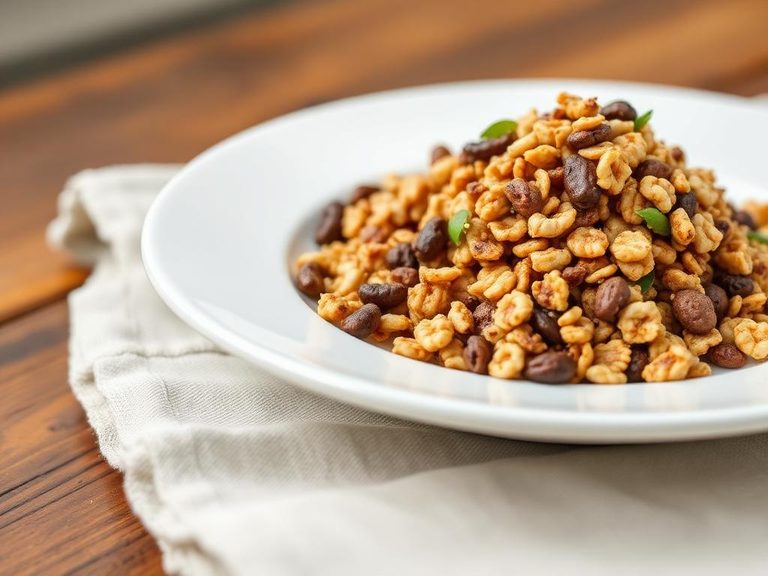

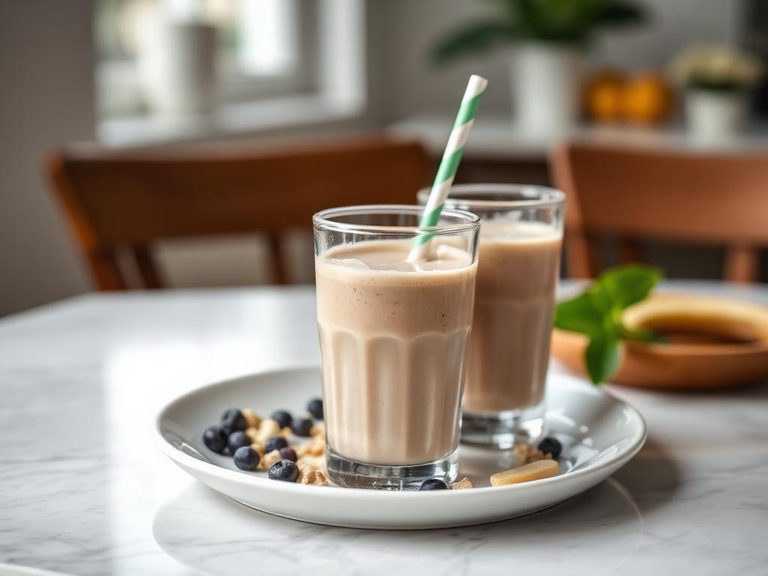

🌍 Where it's eaten
💡 Did you know?
The 'Alimentum' name derives from the Latin word 'alimentum,' meaning nourishment or sustenance, a fitting label for a formula that serves as a primary source of life for many infants.
Full nutrition (USDA data · scales with serving)
| Water | 87.3 g |
| Energy | 66.0 kcal |
| Energy | 276 kj |
| Protein | 1.8 g |
| Total lipid (fat) | 3.6 g |
| Ash | 0.48 g |
| Carbohydrate, by difference | 6.8 g |
| Fiber, total dietary | 0.00 g |
| Total Sugars | 4.4 g |
| Sucrose | 4.4 g |
| Lactose | 0.00 g |
| Starch | 2.2 g |
| Calcium, Ca | 69.0 mg |
| Iron, Fe | 1.2 mg |
| Magnesium, Mg | 5.0 mg |
| Phosphorus, P | 49.0 mg |
| Potassium, K | 77.0 mg |
| Sodium, Na | 29.0 mg |
| Zinc, Zn | 0.49 mg |
| Copper, Cu | 0.05 mg |
| Manganese, Mn | 0.01 mg |
| Selenium, Se | 1.2 ug |
| Vitamin C, total ascorbic acid | 5.9 mg |
| Thiamin | 0.04 mg |
| Riboflavin | 0.06 mg |
| Niacin | 0.89 mg |
| Pantothenic acid | 0.49 mg |
| Vitamin B-6 | 0.04 mg |
| Folate, total | 10.0 ug |
| Folic acid | 10.0 ug |
| Folate, food | 0.00 ug |
| Folate, DFE | 17.0 ug |
| Choline, total | 8.0 mg |
| Vitamin B-12 | 0.30 ug |
| Vitamin B-12, added | 0.30 ug |
| Vitamin A, RAE | 59.0 ug |
| Retinol | 59.0 ug |
| Carotene, beta | 0.00 ug |
| Carotene, alpha | 0.00 ug |
| Cryptoxanthin, beta | 0.00 ug |
| Vitamin A, IU | 197 iu |
| Lycopene | 0.00 ug |
| Lutein + zeaxanthin | 0.00 ug |
| Vitamin E (alpha-tocopherol) | 1.3 mg |
| Vitamin E, added | 1.3 mg |
| Vitamin D (D2 + D3), International Units | 29.0 iu |
| Vitamin D (D2 + D3) | 0.70 ug |
| Vitamin K (phylloquinone) | 9.8 ug |
| Alcohol, ethyl | 0.00 g |
| Caffeine | 0.00 mg |
| Theobromine | 0.00 mg |
Fat & fatty acid profile (per 100g)
| Fatty acids, total saturated | 1.8 g |
| SFA 4:0 | 0.00 g |
| SFA 6:0 | 0.00 g |
| SFA 8:0 | 0.93 g |
| SFA 10:0 | 0.69 g |
| SFA 12:0 | 0.02 g |
| SFA 14:0 | 0.01 g |
| SFA 16:0 | 0.14 g |
| SFA 18:0 | 0.05 g |
| Fatty acids, total monounsaturated | 0.29 g |
| MUFA 16:1 | 0.00 g |
| MUFA 18:1 | 0.29 g |
| MUFA 20:1 | 0.00 g |
| MUFA 22:1 | 0.00 g |
| Fatty acids, total polyunsaturated | 1.1 g |
| PUFA 18:2 | 1.1 g |
| PUFA 18:3 | 0.06 g |
| PUFA 18:4 | 0.00 g |
| PUFA 20:4 | 0.00 g |
| PUFA 20:5 n-3 (EPA) | 0.00 g |
| PUFA 22:5 n-3 (DPA) | 0.00 g |
| PUFA 22:6 n-3 (DHA) | 0.00 g |
| Cholesterol | 1.0 mg |
FAQ
Why does this formula taste so bitter?
The bitterness comes from the process of breaking down (hydrolyzing) the whey protein into very small pieces to prevent allergic reactions. This process can release peptides that have a naturally bitter taste.
Can I switch my baby back to a regular formula after using this?
Any transition should be done under the strict guidance of your pediatrician or allergist. They will likely recommend a supervised oral food challenge to determine if your baby has outgrown the allergy before switching.
Is it safe to heat this ready-to-feed formula?
You can warm the bottle by placing it in a bowl of warm water or using a bottle warmer. Never use a microwave, as it can create dangerous hot spots and degrade nutrients. Always test the temperature on your wrist before feeding.
Nutrient density (calculated · NRF9.3)
Nutrient Rich Foods index: beneficial nutrients (protein, fiber, vitamins, minerals) minus saturated fat, added sugar & sodium, per 100 kcal.
NRF9.3 index — Fulgoni, Keast & Drewnowski, 2009. Computed from USDA nutrients.
Weight-loss friendliness (composite index)
Energy density 0.66 kcal/g · 11% calories from protein · 0.0 g fiber · 4.4 g sugar per 100 g.
Composite of energy density (Rolls et al., 1999), protein & fiber satiety, minus sugar. A calculated heuristic — ranks satiety-per-calorie, not a clinical measure.
Dietary load (calculated from USDA values)
Potential renal acid load. Positive = acid-forming, negative = alkaline-forming.
Sodium-to-potassium ratio: 0.38 (lower is better — aim for ≤ 1)
Sodium:potassium per WHO potassium guidance. Computed from USDA nutrients.