Base for hypoallergenic purees
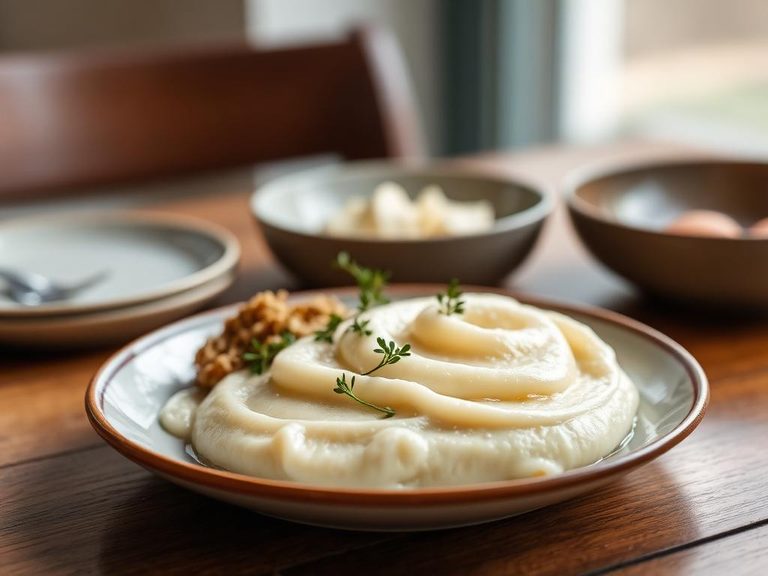
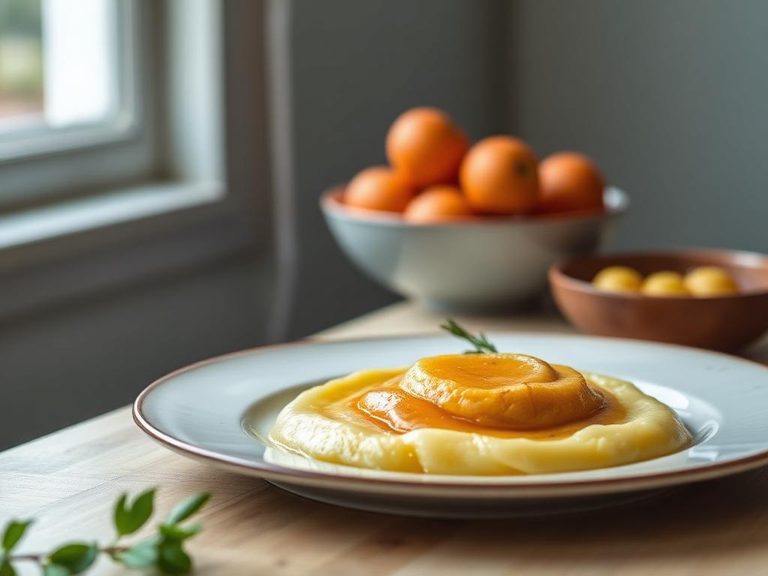
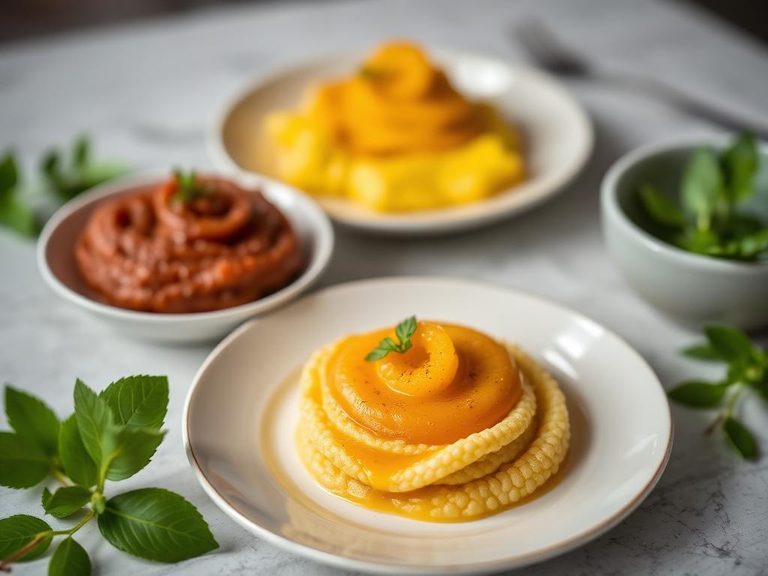
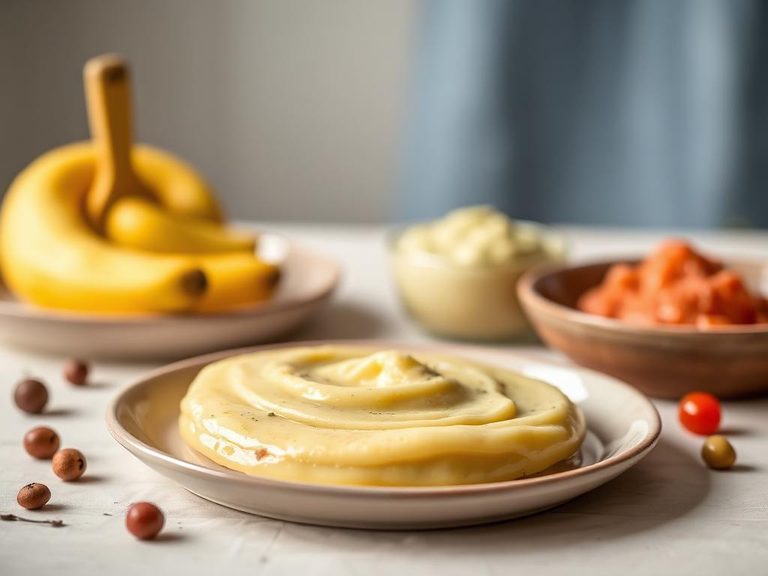
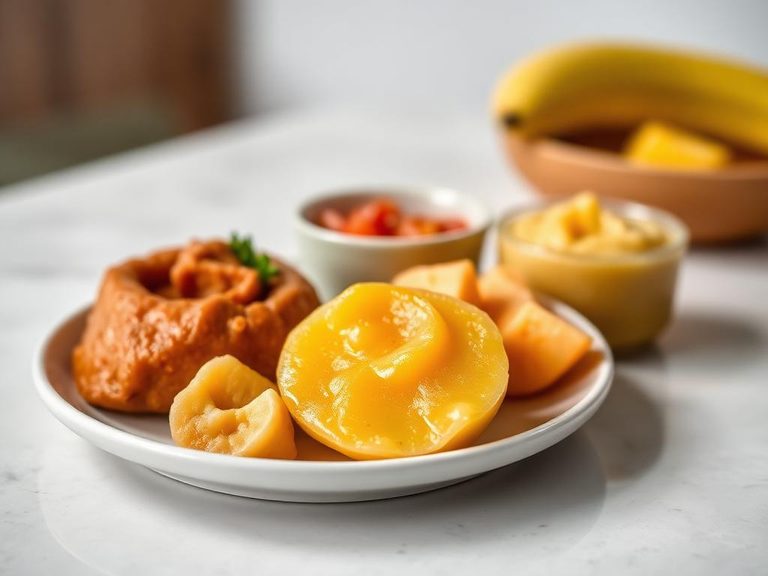
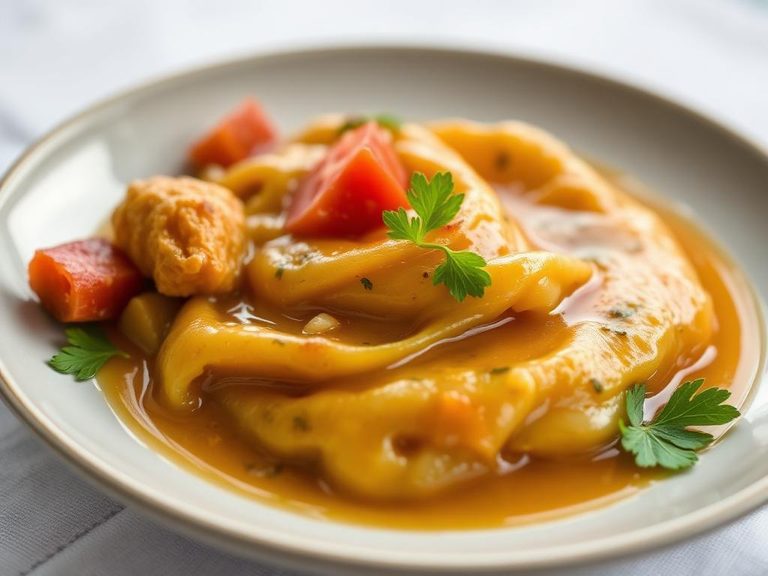
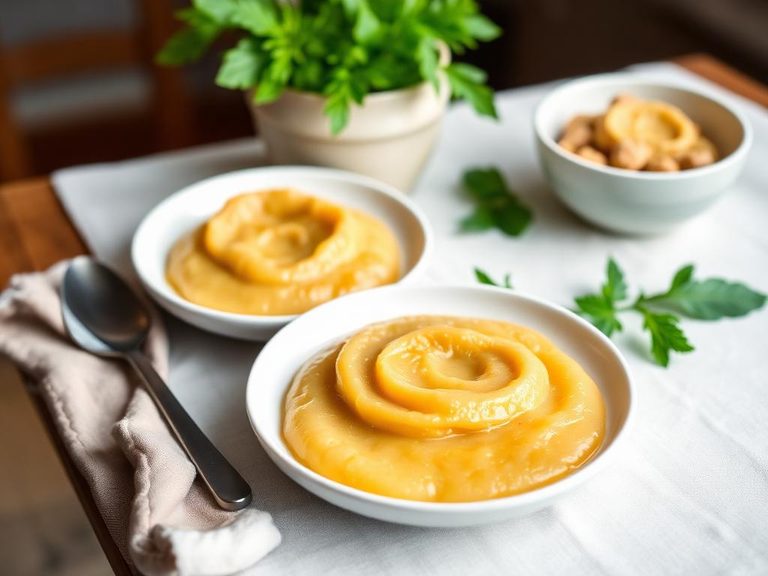
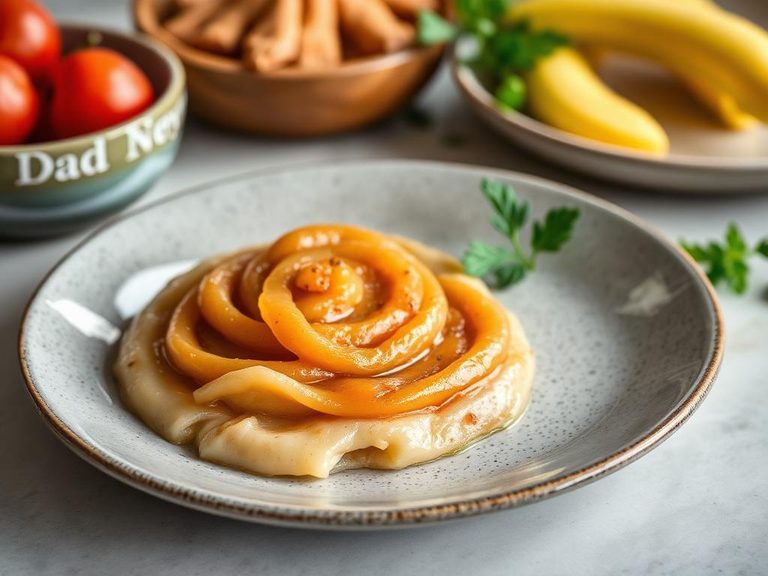
A hypoallergenic puree base is a simple, foundational blend of single-ingredient foods, typically introduced as a first food for infants or for individuals with dietary sensitivities. It is most commonly made from starchy vegetables like sweet potato, butternut squash, or carrot, which are steamed and blended until smooth. This concept originates from modern pediatric and allergist dietary guidelines focused on safe, gentle introductions to solids.
🍽️ Nutrition at a glance
This dish is primarily a source of complex carbohydrates and dietary fiber, providing steady energy without common allergens like dairy, gluten, nuts, or soy. A typical serving is low in fat and protein, but can be a good source of key vitamins like Vitamin A and potassium, with a calorie count generally ranging from 60-100 kcal per 100g serving.
Nutrition breakdown
| Calories | 180 kcal |
| Protein | 3 g |
| Carbs | 42 g |
| Fat | 0.5 g |
| Fiber | 7 g |
| Sugar | 12 g |
| Sodium | 50 mg |
| Vitamin A | 18000 IU |
| Potassium | 950 mg |
| Vitamin C | 25 mg |
| Manganese | 0.8 mg |
| Vitamin B6 | 0.5 mg |
| Magnesium | 45 mg |
| Iron | 1.5 mg |
| Calcium | 60 mg |
Per 1 cup (240 g) · estimated, varies by recipe
💡 What's interesting
What's unique is its intentional simplicity and safety; it's not a 'recipe' but a controlled method to identify tolerances and prevent allergic reactions. Nutritionally, it showcases how a single, whole food can provide a complete micronutrient profile for a specific dietary need.