

Eggs, Grade A, Large, egg yolk
Whole food · Dairy and Egg Products

Photo: Wikipedia
The vibrant, golden yolk of a large Grade A egg is a culinary powerhouse, offering a rich, creamy texture and a deep, savory flavor that forms the backbone of countless dishes. Nutritionally, it's a dense source of high-quality protein and healthy fats, along with essential vitamins like A, D, E, and B12, and minerals such as choline and selenium. Its natural emulsifying properties make it irreplaceable in sauces and baked goods.
Calorie split: 20% protein · 1% carbs · 79% fat
↓ Full nutrition💚 Why it's loved
People adore egg yolks for their unparalleled ability to add richness, color, and velvety texture to foods, from the glossy sheen on a hollandaise to the custardy center of a perfect custard. They are a cornerstone of global comfort food, symbolizing nourishment and culinary versatility.
⚠️ Watch-outs & how to enjoy it better
As a common food allergen, egg yolks can cause reactions in sensitive individuals. Their high dietary cholesterol content means some people, particularly those with specific health conditions, may need to moderate intake. To enjoy them, consider pairing with fiber-rich vegetables or whole grains in a balanced meal, and opt for cooking methods like poaching or boiling instead of frying to manage added fats.
Key benefits
- Excellent source of choline for brain health
- Rich in fat-soluble vitamins A, D, E, and K
- Provides high-quality, complete protein
- Contains antioxidants lutein and zeaxanthin for eye health
- Natural emulsifier for sauces and baking
🍽️ Popular dishes
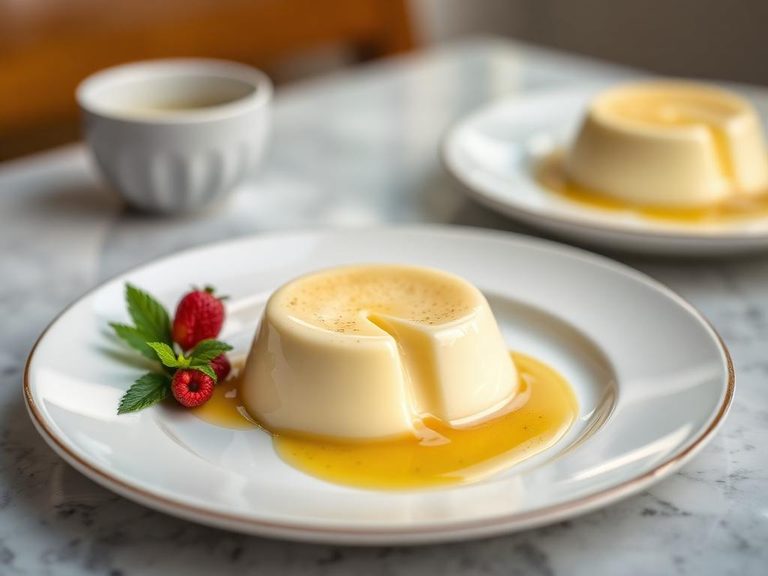
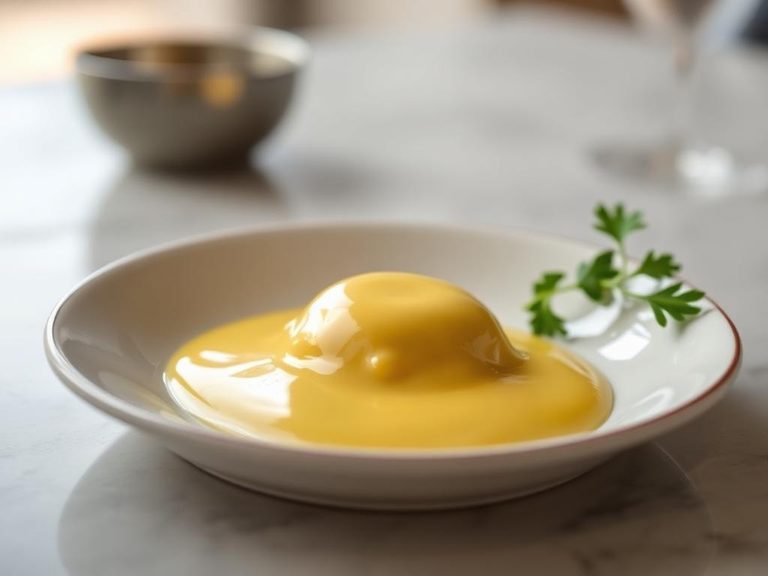

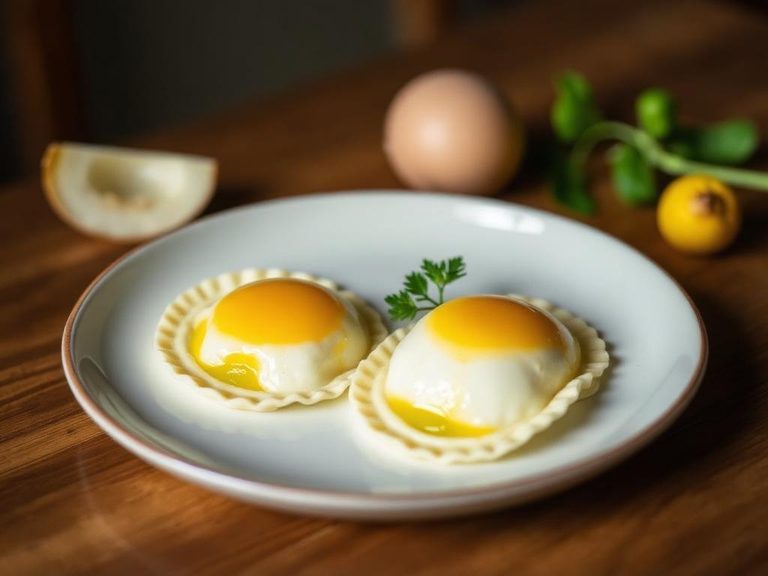
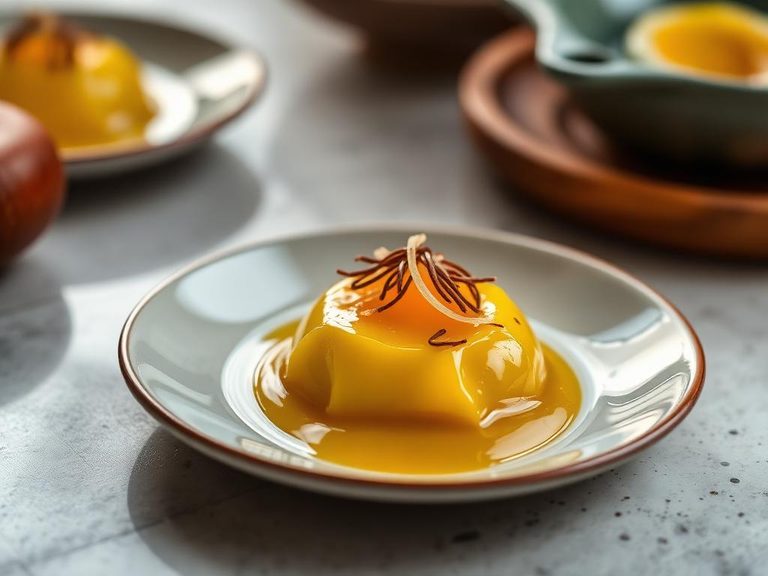
🌍 Where it's eaten
💡 Did you know?
A single egg yolk contains about 266 mg of cholesterol, but for most people, dietary cholesterol has a minimal impact on blood cholesterol levels; the body's production of cholesterol is more strongly influenced by saturated and trans fats.
Full nutrition (USDA data · scales with serving)
| Water | 52.1 g |
| Energy (Atwater General Factors) | 328 kcal |
| Energy (Atwater Specific Factors) | 334 kcal |
| Energy | 334 kcal |
| Energy | 1400 kj |
| Nitrogen | 2.6 g |
| Protein | 16.2 g |
| Total lipid (fat) | 28.8 g |
| Ash | 1.9 g |
| Carbohydrate, by difference | 1.0 g |
| Selenium, Se | 55.8 ug |
| Riboflavin | 0.47 mg |
| Biotin | 45.9 ug |
| cis-beta-Carotene | 0.00 ug |
| trans-beta-Carotene | 0.00 ug |
| Lycopene | 2.0 ug |
| cis-Lycopene | 0.00 ug |
| trans-Lycopene | 2.0 ug |
| cis-Lutein/Zeaxanthin | 121 ug |
| Lutein | 612 ug |
| Zeaxanthin | 546 ug |
| Vitamin E (alpha-tocopherol) | 5.6 mg |
| Tocopherol, beta | 1.0 mg |
| Tocopherol, gamma | 0.22 mg |
| Tocopherol, delta | 0.30 mg |
| Tocotrienol, alpha | 0.14 mg |
| Tocotrienol, beta | 0.00 mg |
| Tocotrienol, gamma | 0.01 mg |
| Tocotrienol, delta | 0.00 mg |
Fat & fatty acid profile (per 100g)
Estimated from Eggs, Grade A, Large, egg whole — USDA does not publish this profile for Eggs.
| Fatty acids, total saturated | 3.2 g |
| SFA 14:0 | 0.03 g |
| SFA 16:0 | 2.3 g |
| SFA 18:0 | 0.81 g |
| Fatty acids, total monounsaturated | 3.6 g |
| MUFA 16:1 c | 0.24 g |
| MUFA 18:1 c | 3.4 g |
| Fatty acids, total polyunsaturated | 1.8 g |
| PUFA 18:2 c | 1.5 g |
| PUFA 18:2 n-6 c,c | 1.5 g |
| PUFA 18:3 c | 0.01 g |
| PUFA 18:3 n-6 c,c,c | 0.01 g |
| PUFA 20:3 c | 0.02 g |
| PUFA 20:3 n-6 | 0.02 g |
| Cholesterol | 411 mg |
Amino acid profile (per 100g)
| Tryptophan | 0.17 g |
| Threonine | 0.79 g |
| Isoleucine | 0.77 g |
| Leucine | 1.4 g |
| Lysine | 1.2 g |
| Methionine | 0.40 g |
| Phenylalanine | 0.67 g |
| Tyrosine | 0.68 g |
| Valine | 0.85 g |
| Arginine | 1.1 g |
| Histidine | 0.37 g |
| Alanine | 0.77 g |
| Aspartic acid | 1.5 g |
| Glutamic acid | 2.0 g |
| Glycine | 0.47 g |
| Proline | 0.75 g |
| Serine | 1.3 g |
| Hydroxyproline | 0.00 g |
| Cysteine | 0.42 g |
FAQ
Is the cholesterol in egg yolks bad for you?
For the majority of healthy people, the dietary cholesterol in egg yolks has little effect on blood cholesterol levels. Current guidelines focus more on limiting saturated and trans fats. However, individuals with diabetes or heart disease may need to monitor intake more closely.
Can I eat egg yolks raw?
While some recipes call for raw yolks, consuming them raw carries a risk of Salmonella contamination. It's safer to use pasteurized eggs if a recipe requires uncooked yolks, or to cook the yolk to a safe temperature.
Why do some recipes only use egg whites?
Recipes may use only egg whites to reduce fat and cholesterol content, or for specific textural properties. Egg whites provide structure and leavening without the richness and fat of the yolk, which is ideal for items like angel food cake or meringues.
Weight-loss friendliness (composite index)
Energy density 3.34 kcal/g · 19% calories from protein · 0.0 g fiber · 0.0 g sugar per 100 g.
Composite of energy density (Rolls et al., 1999), protein & fiber satiety, minus sugar. A calculated heuristic — ranks satiety-per-calorie, not a clinical measure.