

Dressing, Ranch
Whole food · Fats and Oils
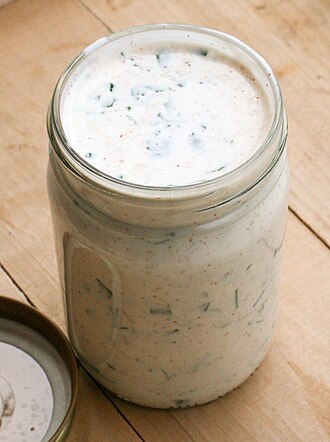
Photo: Wikipedia
Ranch dressing is a creamy, tangy American staple, typically made from a base of buttermilk, mayonnaise, and a blend of herbs like dill, parsley, and chives. Its cool, savory flavor and smooth, thick texture make it a ubiquitous dip and salad dressing. The provided nutritional data (0 kcal, 0g macros) indicates a fat-free, calorie-free formulation, likely achieved with artificial sweeteners and thickeners.
💚 Why it's loved
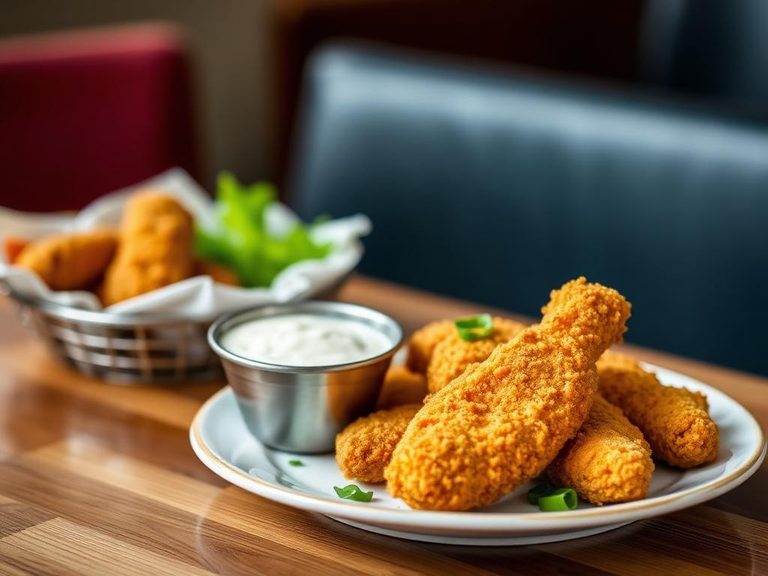
People love ranch for its universally appealing, cool, and herbaceous flavor profile that complements a vast array of foods, from crunchy vegetables to fried chicken. It has become a cultural icon in American cuisine, representing comfort and casual dining.
⚠️ Watch-outs & how to enjoy it better
Even zero-calorie versions can be high in sodium, which may concern those monitoring blood pressure, and often contain artificial additives or thickeners. To mitigate, use it sparingly, pair with potassium-rich foods like bananas or sweet potatoes, and check labels for common allergens like dairy or egg derivatives.
Key benefits
- Zero calories and fat in specific formulations
- Adds flavor to low-calorie vegetables
- Provides a creamy texture without fat
- Convenient, shelf-stable condiment
- Versatile for dipping, dressing, and marinating
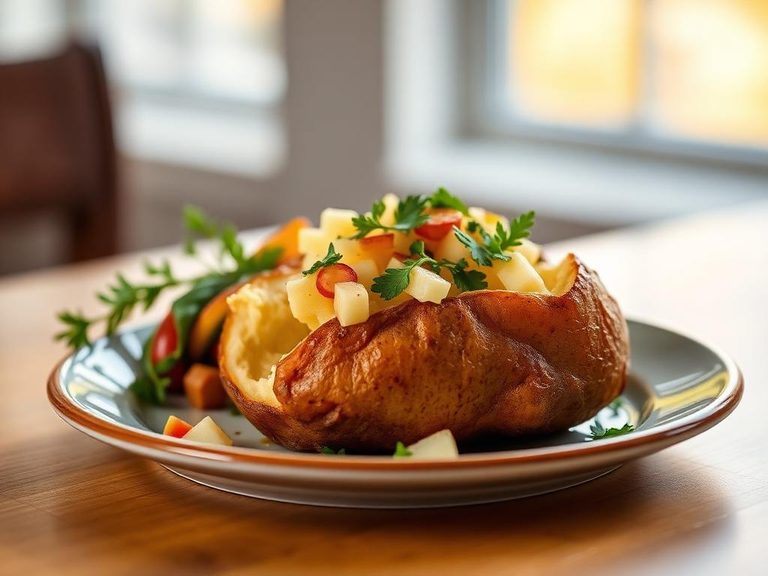
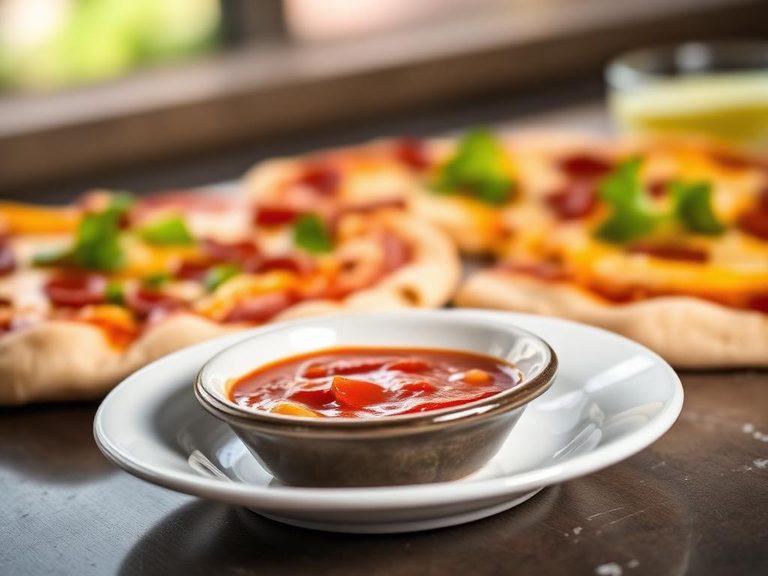
🍽️ Popular dishes
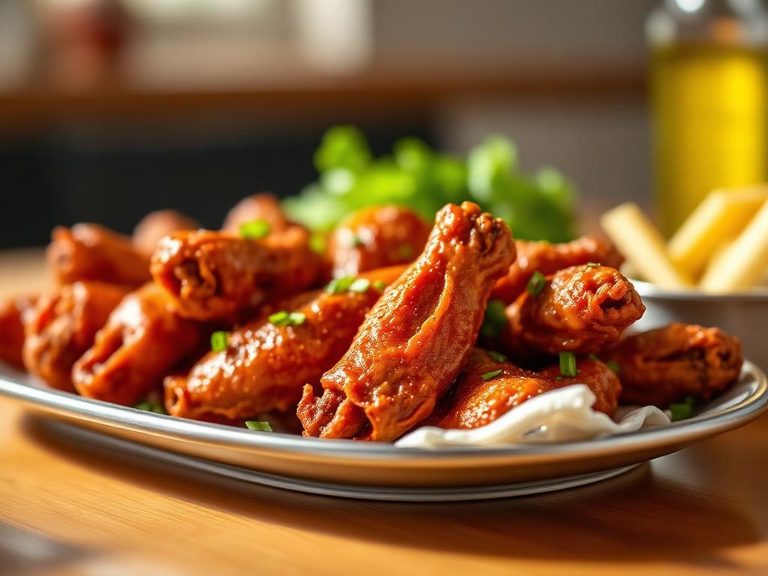
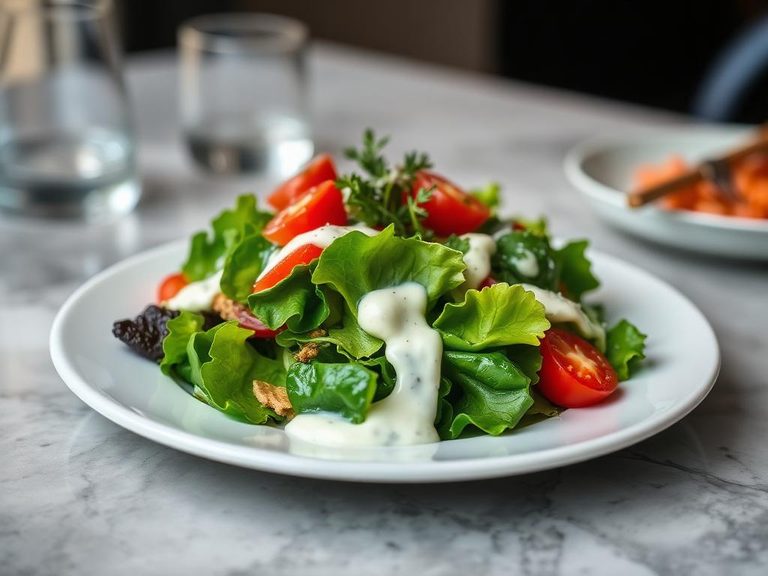
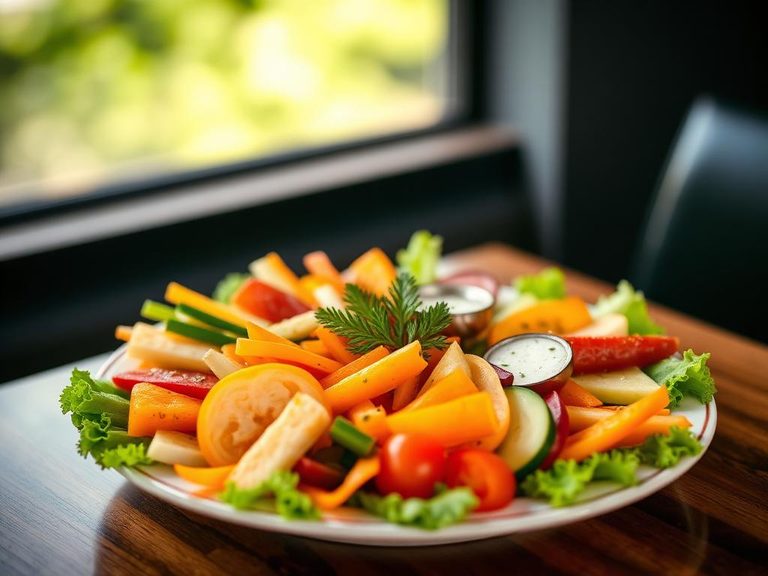
🌍 Where it's eaten
💡 Did you know?
Ranch dressing was invented in 1954 by Steve Henson, a plumber and cowboy, at his dude ranch, 'Hidden Valley Ranch,' in California.
Full nutrition (USDA data · scales with serving)
| Water | 44.0 g |
| Ash | 2.4 g |
| Riboflavin | 0.12 mg |
| Vitamin B-6 | 0.01 mg |
Fat & fatty acid profile (per 100g)
| Fatty acids, total saturated | 7.1 g |
| SFA 4:0 | 0.01 g |
| SFA 5:0 | 0.00 g |
| SFA 6:0 | 0.01 g |
| SFA 7:0 | 0.00 g |
| SFA 8:0 | 0.01 g |
| SFA 9:0 | 0.00 g |
| SFA 10:0 | 0.01 g |
| SFA 11:0 | 0.00 g |
| SFA 12:0 | 0.01 g |
| SFA 14:0 | 0.06 g |
| SFA 15:0 | 0.01 g |
| SFA 16:0 | 4.6 g |
| SFA 17:0 | 0.04 g |
| SFA 18:0 | 2.0 g |
| SFA 20:0 | 0.14 g |
| SFA 21:0 | 0.02 g |
| SFA 22:0 | 0.14 g |
| SFA 23:0 | 0.00 g |
| SFA 24:0 | 0.05 g |
| Fatty acids, total monounsaturated | 11.0 g |
| MUFA 12:1 | 0.00 g |
| MUFA 14:1 | 0.00 g |
| MUFA 15:1 | 0.00 g |
| MUFA 16:1 | 0.06 g |
| MUFA 17:1 | 0.03 g |
| MUFA 18:1 | 10.5 g |
| MUFA 20:1 | 0.37 g |
| MUFA 22:1 n-9 | 0.01 g |
| MUFA 22:1 n-11 | 0.00 g |
| MUFA 24:1 c | 0.00 g |
| Fatty acids, total polyunsaturated | 25.9 g |
| PUFA 18:2 | 22.8 g |
| PUFA 18:2 c | 22.8 g |
| PUFA 18:2 CLAs | 0.02 g |
| PUFA 18:3 | 3.1 g |
| PUFA 18:3 c | 3.1 g |
| PUFA 18:3 n-6 c,c,c | 0.00 g |
| PUFA 18:4 | 0.00 g |
| PUFA 20:2 c | 0.02 g |
| PUFA 20:3 c | 0.00 g |
| PUFA 20:3 n-3 | 0.00 g |
| PUFA 20:3 n-6 | 0.00 g |
| PUFA 20:3 n-9 | 0.00 g |
| PUFA 22:3 | 0.01 g |
| PUFA 20:4 | 0.01 g |
| PUFA 20:5c | 0.00 g |
| PUFA 22:2 | 0.00 g |
| PUFA 22:5 c | 0.00 g |
| PUFA 22:4 | 0.00 g |
| PUFA 22:6 c | 0.00 g |
| Fatty acids, total trans | 0.17 g |
| Fatty acids, total trans-monoenoic | 0.03 g |
| TFA 14:1 t | 0.00 g |
| TFA 16:1 t | 0.00 g |
| TFA 18:1 t | 0.02 g |
| TFA 20:1 t | 0.00 g |
| TFA 22:1 t | 0.00 g |
| TFA 18:2 t | 0.14 g |
| TFA 18:3 t | 0.00 g |
Amino acid profile (per 100g)
Estimated from Salad dressing, sesame seed dressing, regular — USDA does not publish this profile for Dressing.
| Tryptophan | 0.05 g |
| Threonine | 0.05 g |
| Isoleucine | 0.05 g |
| Leucine | 0.08 g |
| Lysine | 0.14 g |
| Methionine | 0.03 g |
| Cystine | 0.00 g |
| Phenylalanine | 0.09 g |
| Tyrosine | 0.10 g |
| Valine | 0.07 g |
| Arginine | 0.40 g |
| Histidine | 0.03 g |
| Alanine | 0.00 g |
| Aspartic acid | 0.00 g |
| Glutamic acid | 0.46 g |
| Glycine | 0.00 g |
| Proline | 0.00 g |
| Serine | 0.00 g |
FAQ
Is zero-calorie ranch dressing truly calorie-free?
Yes, it is formulated to contain less than 5 calories per serving, which is legally rounded to zero on nutrition labels, often using artificial sweeteners and thickeners.
What makes ranch dressing creamy without fat?
Fat-free versions typically use thickeners like xanthan gum, guar gum, or modified food starch, and may include non-fat dry milk or buttermilk solids.
Can zero-calorie ranch be used in cooking?
It can be used as a dip or dressing, but high heat may cause thickeners to break down, so it's best added after cooking or used in cold preparations.