

Corn bran, crude
Whole food · Cereal Grains and Pasta

Photo: Wikipedia
Corn bran is the tough, fibrous outer layer of the corn kernel, milled into a coarse, golden-brown powder with a subtle, nutty, and slightly earthy flavor. It's a nutritional powerhouse, boasting an extraordinary 79 grams of dietary fiber per 100g, far surpassing most whole grains. Its texture is gritty and absorbent, making it a functional ingredient rather than a standalone food.
Calorie split: 9% protein · 89% carbs · 2% fat
↓ Full nutrition💚 Why it's loved
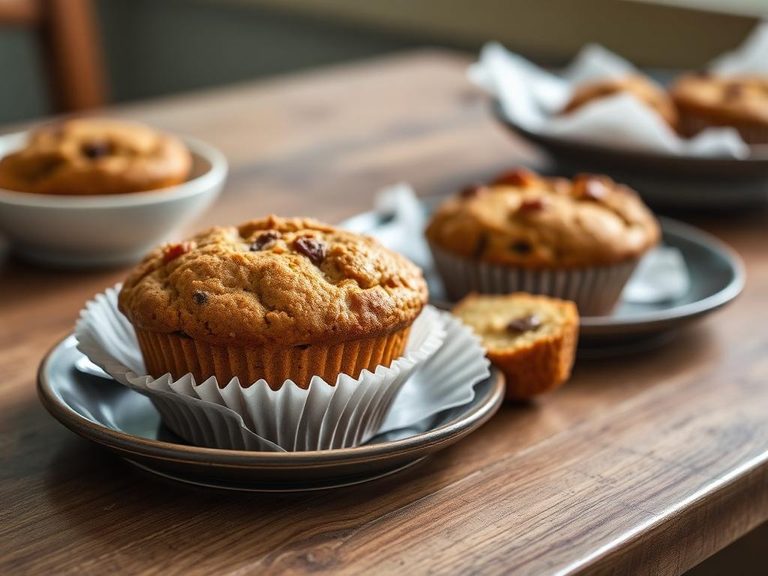
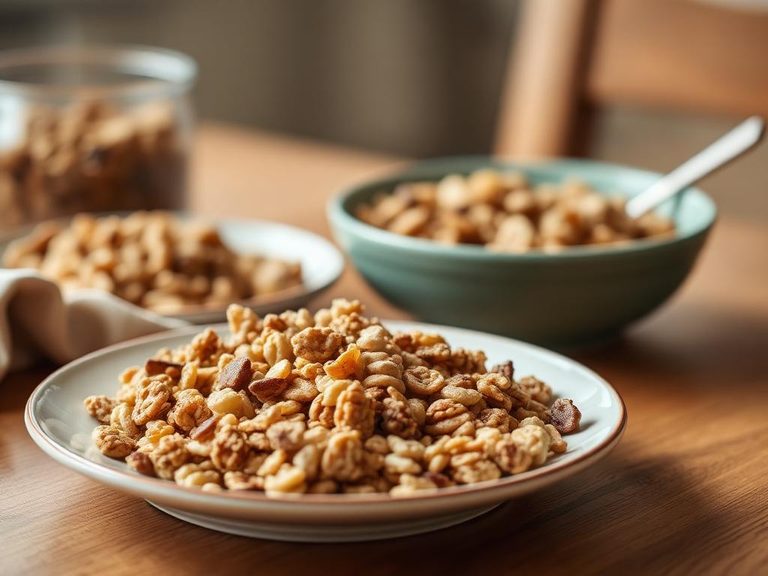
People love corn bran for its ability to dramatically boost the fiber content of foods like muffins, breads, and cereals without a strong flavor. It's a versatile, neutral-tasting ingredient that lets cooks enhance nutrition subtly.
⚠️ Watch-outs & how to enjoy it better
Its high fiber content can cause digestive discomfort like gas or bloating if introduced too quickly. Those with sensitive digestion should start with small portions and increase gradually, always drinking plenty of water. It can also make baked goods dense if overused.
Key benefits
- Exceptionally high in insoluble fiber, promoting digestive regularity.
- Low in fat and contains no sugar.
- Provides a good source of plant-based protein.
- Adds bulk and texture to baked goods without adding calories.
- May help support healthy cholesterol levels as part of a balanced diet.
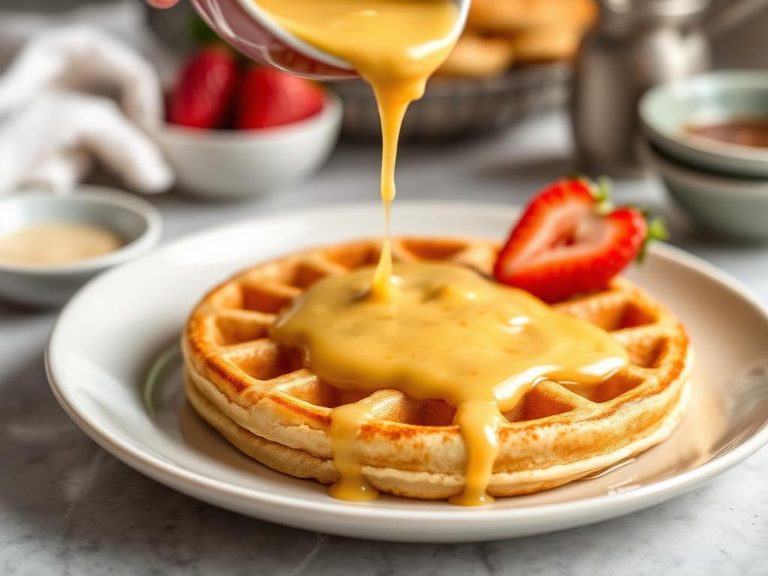
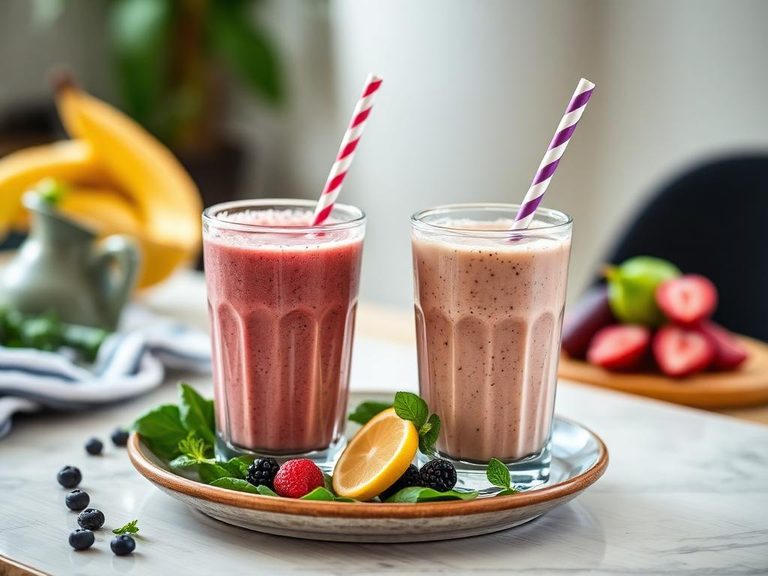
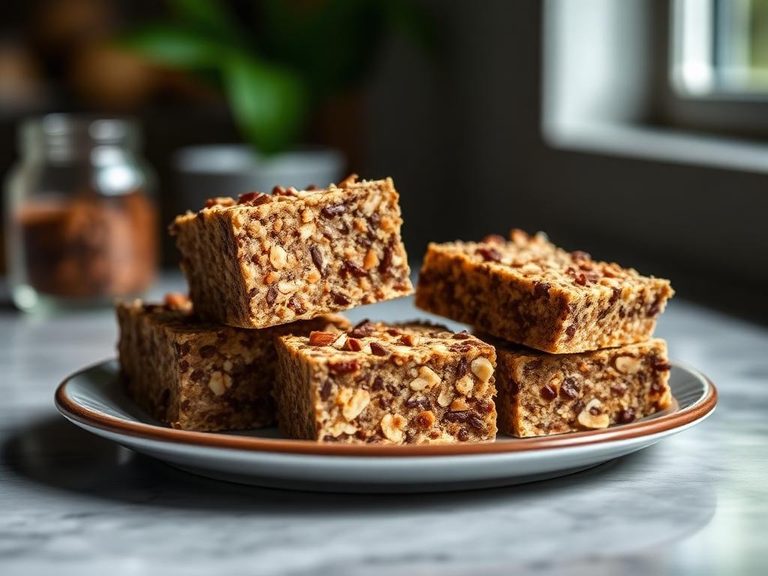
🍽️ Popular dishes
🌍 Where it's eaten
💡 Did you know?
Corn bran is one of the most concentrated sources of insoluble fiber in the human diet, containing nearly twice the fiber per gram of wheat bran.
Full nutrition (USDA data · scales with serving)
| Water | 4.7 g |
| Energy | 224 kcal |
| Energy | 937 kj |
| Protein | 8.4 g |
| Total lipid (fat) | 0.92 g |
| Ash | 0.36 g |
| Carbohydrate, by difference | 85.6 g |
| Fiber, total dietary | 79.0 g |
| Total Sugars | 0.00 g |
| Calcium, Ca | 42.0 mg |
| Iron, Fe | 2.8 mg |
| Magnesium, Mg | 64.0 mg |
| Phosphorus, P | 72.0 mg |
| Potassium, K | 44.0 mg |
| Sodium, Na | 7.0 mg |
| Zinc, Zn | 1.6 mg |
| Copper, Cu | 0.25 mg |
| Manganese, Mn | 0.14 mg |
| Selenium, Se | 16.5 ug |
| Vitamin C, total ascorbic acid | 0.00 mg |
| Thiamin | 0.01 mg |
| Riboflavin | 0.10 mg |
| Niacin | 2.7 mg |
| Pantothenic acid | 0.64 mg |
| Vitamin B-6 | 0.15 mg |
| Folate, total | 4.0 ug |
| Folic acid | 0.00 ug |
| Folate, food | 4.0 ug |
| Folate, DFE | 4.0 ug |
| Choline, total | 18.1 mg |
| Betaine | 4.6 mg |
| Vitamin B-12 | 0.00 ug |
| Vitamin B-12, added | 0.00 ug |
| Vitamin A, RAE | 4.0 ug |
| Retinol | 0.00 ug |
| Carotene, beta | 32.0 ug |
| Carotene, alpha | 21.0 ug |
| Cryptoxanthin, beta | 0.00 ug |
| Vitamin A, IU | 71.0 iu |
| Lycopene | 0.00 ug |
| Lutein + zeaxanthin | 1355 ug |
| Vitamin E (alpha-tocopherol) | 0.42 mg |
| Vitamin E, added | 0.00 mg |
| Vitamin D (D2 + D3), International Units | 0.00 iu |
| Vitamin D (D2 + D3) | 0.00 ug |
| Vitamin K (phylloquinone) | 0.30 ug |
| Alcohol, ethyl | 0.00 g |
| Caffeine | 0.00 mg |
| Theobromine | 0.00 mg |
Fat & fatty acid profile (per 100g)
| Fatty acids, total saturated | 0.13 g |
| SFA 4:0 | 0.00 g |
| SFA 6:0 | 0.00 g |
| SFA 8:0 | 0.00 g |
| SFA 10:0 | 0.00 g |
| SFA 12:0 | 0.00 g |
| SFA 14:0 | 0.00 g |
| SFA 16:0 | 0.11 g |
| SFA 18:0 | 0.01 g |
| Fatty acids, total monounsaturated | 0.24 g |
| MUFA 16:1 | 0.00 g |
| MUFA 18:1 | 0.24 g |
| MUFA 20:1 | 0.00 g |
| MUFA 22:1 | 0.00 g |
| Fatty acids, total polyunsaturated | 0.42 g |
| PUFA 18:2 | 0.41 g |
| PUFA 18:3 | 0.01 g |
| PUFA 18:4 | 0.00 g |
| PUFA 20:4 | 0.00 g |
| PUFA 20:5 n-3 (EPA) | 0.00 g |
| PUFA 22:5 n-3 (DPA) | 0.00 g |
| PUFA 22:6 n-3 (DHA) | 0.00 g |
| Cholesterol | 0.00 mg |
FAQ
What's the difference between corn bran and cornmeal?
Corn bran is just the outer husk of the kernel, milled separately. Cornmeal is made from the entire kernel (endosperm, germ, and bran), so it contains starch and has a different texture and nutritional profile.
Can I eat corn bran raw?
While it's not toxic raw, its gritty texture is unpleasant on its own. It's almost always cooked or mixed into other foods like cereals, batters, or doughs to soften it and integrate its texture.
Is corn bran gluten-free?
Yes, pure corn bran is naturally gluten-free. However, it's always wise to check packaging for potential cross-contamination warnings if you have celiac disease or severe gluten sensitivity.
Nutrient density (calculated · NRF9.3)
Nutrient Rich Foods index: beneficial nutrients (protein, fiber, vitamins, minerals) minus saturated fat, added sugar & sodium, per 100 kcal.
NRF9.3 index — Fulgoni, Keast & Drewnowski, 2009. Computed from USDA nutrients.
Weight-loss friendliness (composite index)
Energy density 2.24 kcal/g · 15% calories from protein · 79.0 g fiber · 0.0 g sugar per 100 g.
Composite of energy density (Rolls et al., 1999), protein & fiber satiety, minus sugar. A calculated heuristic — ranks satiety-per-calorie, not a clinical measure.
Dietary load (calculated from USDA values)
Potential renal acid load. Positive = acid-forming, negative = alkaline-forming.
Sodium-to-potassium ratio: 0.16 (lower is better — aim for ≤ 1)
Sodium:potassium per WHO potassium guidance. Computed from USDA nutrients.