

Chilchen (Red Berry Beverage) (Navajo)
Whole food · American Indian/Alaska Native Foods

Photo: Wikipedia
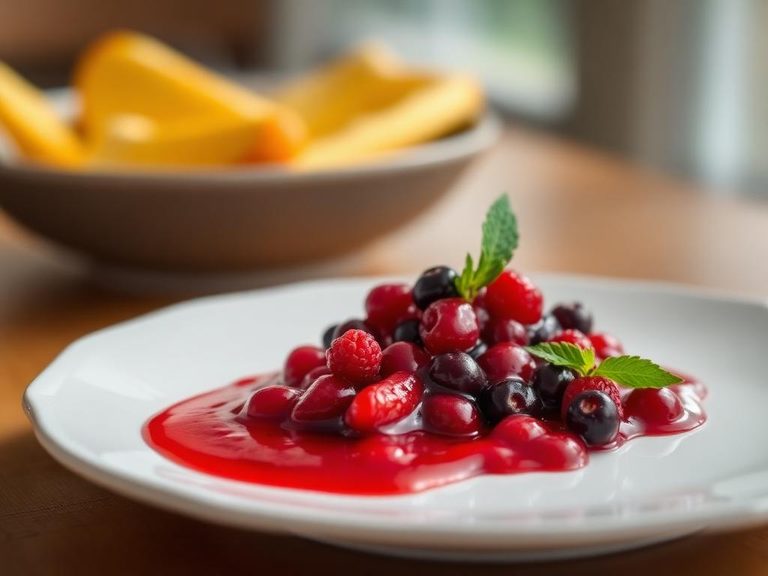
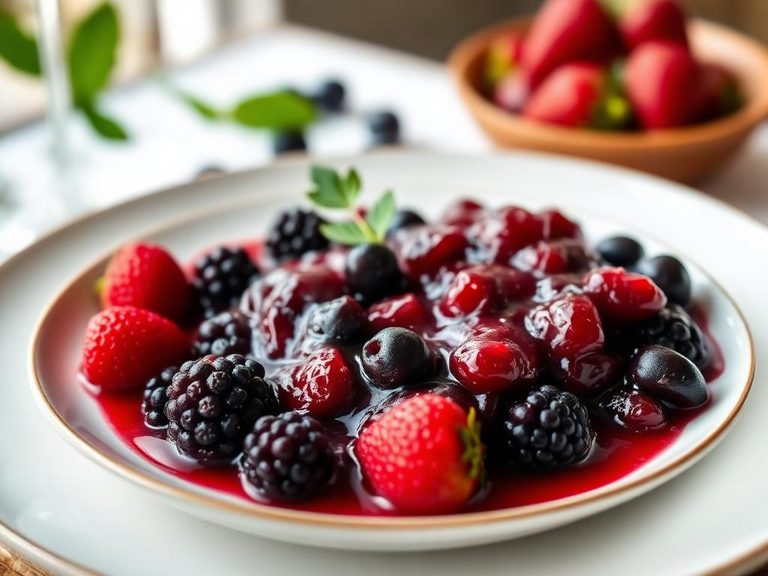
Chilchen is a traditional Navajo beverage made from the red berries of the buffaloberry or squawberry plant, offering a tart, slightly sweet flavor with a vibrant crimson hue. This light, refreshing drink is typically served chilled and is celebrated for its natural, earthy taste that reflects the high desert landscape of the Navajo Nation. With only 44 kcal per 100g and minimal fat, it provides a hydrating, low-calorie option rich in natural sugars and carbohydrates for quick energy.
Calorie split: 7% protein · 80% carbs · 13% fat
↓ Full nutrition💚 Why it's loved
People cherish Chilchen for its unique, tangy-sweet flavor that evokes the arid landscapes of the Navajo Nation, and its role as a refreshing, culturally meaningful drink during gatherings and ceremonies. Its versatility allows it to be enjoyed chilled on hot days or as a light accompaniment to traditional meals.
⚠️ Watch-outs & how to enjoy it better
The beverage's natural sugars (2.6g per 100g) may cause blood-sugar spikes if consumed in large quantities, particularly for individuals with diabetes or insulin sensitivity. To mitigate this, pair it with protein-rich foods like nuts or lean meats, or limit portions to a small cup (150g) to manage sugar intake.
Key benefits
- Low-calorie, hydrating traditional beverage
- Source of natural carbohydrates for quick energy
- Contains antioxidants from red berry pigments
- Culturally significant Navajo food tradition
- Minimal fat content, suitable for light diets
🍽️ Popular dishes
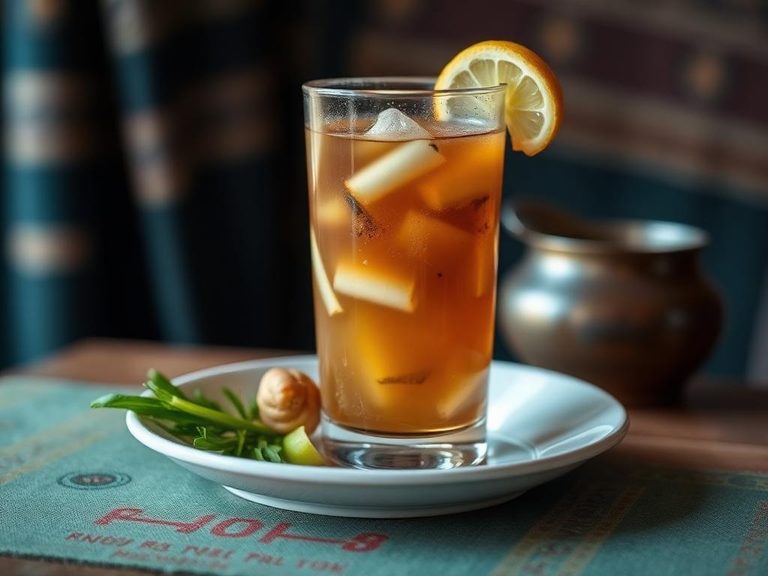
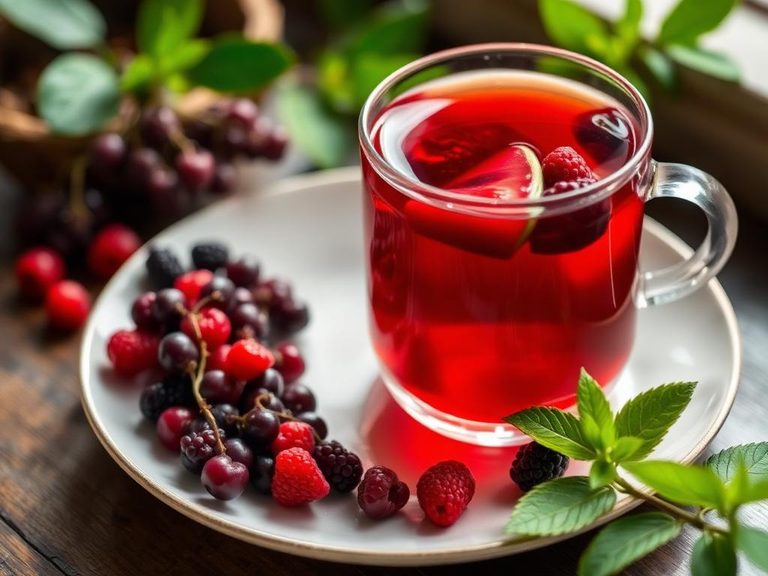
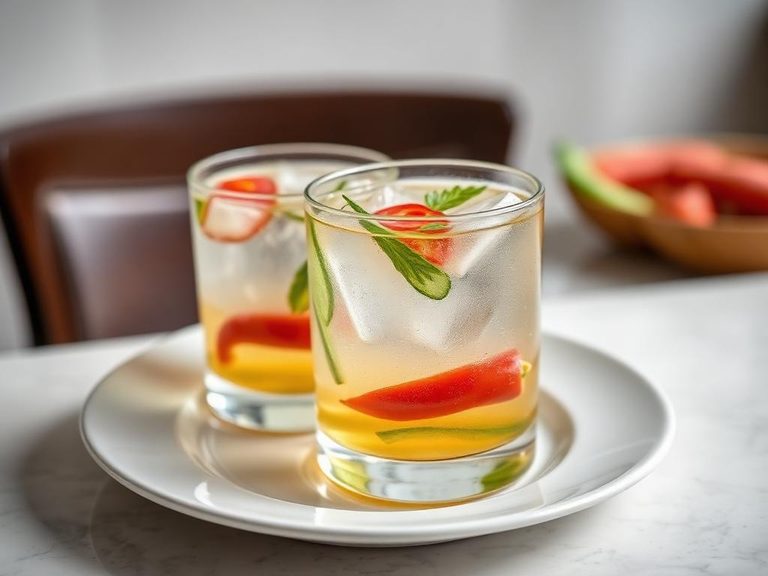
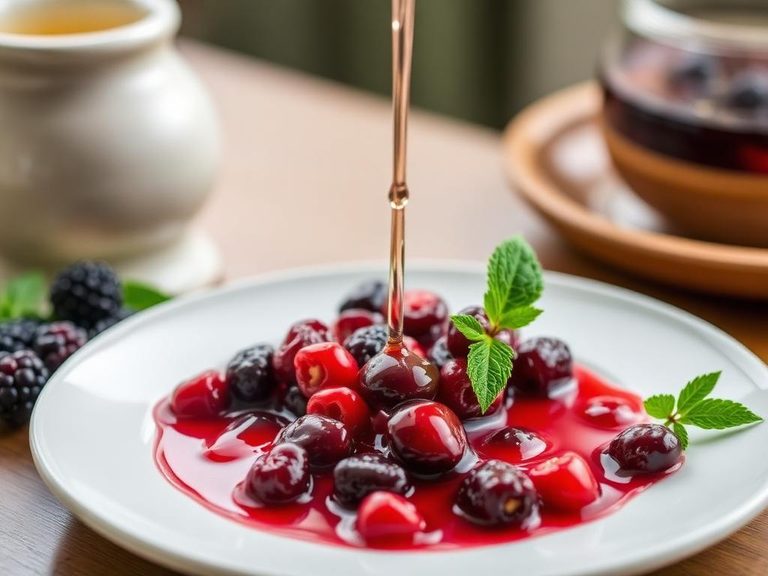
🌍 Where it's eaten
💡 Did you know?
Chilchen berries are harvested from the buffaloberry plant (Shepherdia canadensis), which is a nitrogen-fixing shrub that thrives in the arid, sandy soils of the Navajo Nation, making it a resilient and ecologically important species in its native habitat.
Full nutrition (USDA data · scales with serving)
| Water | 89.7 g |
| Energy | 44.0 kcal |
| Energy | 183 kj |
| Protein | 0.81 g |
| Total lipid (fat) | 0.63 g |
| Ash | 0.20 g |
| Carbohydrate, by difference | 8.7 g |
| Total Sugars | 2.6 g |
| Sucrose | 1.1 g |
| Glucose | 0.60 g |
| Fructose | 0.74 g |
| Lactose | 0.00 g |
| Maltose | 0.11 g |
| Galactose | 0.00 g |
| Calcium, Ca | 7.0 mg |
| Iron, Fe | 0.95 mg |
| Magnesium, Mg | 9.0 mg |
| Phosphorus, P | 23.0 mg |
| Potassium, K | 28.0 mg |
| Sodium, Na | 15.0 mg |
| Zinc, Zn | 0.19 mg |
| Copper, Cu | 0.02 mg |
| Manganese, Mn | 0.07 mg |
| Thiamin | 0.02 mg |
| Riboflavin | 0.01 mg |
| Niacin | 0.25 mg |
| Pantothenic acid | 0.03 mg |
| Vitamin B-6 | 0.03 mg |
| Folate, total | 8.0 ug |
| Folate, food | 8.0 ug |
| Vitamin E (alpha-tocopherol) | 0.00 mg |
| Tocopherol, beta | 0.00 mg |
| Tocopherol, gamma | 0.00 mg |
| Tocopherol, delta | 0.00 mg |
| Tocotrienol, alpha | 0.00 mg |
| Tocotrienol, beta | 0.00 mg |
| Tocotrienol, gamma | 0.00 mg |
| Tocotrienol, delta | 0.00 mg |
| Vitamin K (phylloquinone) | 0.00 ug |
| Vitamin K (Dihydrophylloquinone) | 0.00 ug |
Fat & fatty acid profile (per 100g)
| Fatty acids, total saturated | 0.07 g |
| SFA 8:0 | 0.00 g |
| SFA 10:0 | 0.00 g |
| SFA 12:0 | 0.00 g |
| SFA 14:0 | 0.00 g |
| SFA 15:0 | 0.00 g |
| SFA 16:0 | 0.06 g |
| SFA 17:0 | 0.00 g |
| SFA 18:0 | 0.01 g |
| SFA 20:0 | 0.00 g |
| SFA 22:0 | 0.00 g |
| Fatty acids, total monounsaturated | 0.14 g |
| MUFA 14:1 | 0.00 g |
| MUFA 15:1 | 0.00 g |
| MUFA 16:1 | 0.00 g |
| MUFA 17:1 | 0.00 g |
| MUFA 18:1 | 0.13 g |
| MUFA 20:1 | 0.00 g |
| Fatty acids, total polyunsaturated | 0.15 g |
| PUFA 18:2 | 0.14 g |
| PUFA 18:3 | 0.01 g |
| PUFA 18:3 n-3 c,c,c (ALA) | 0.01 g |
| PUFA 18:3 n-6 c,c,c | 0.00 g |
| PUFA 20:2 n-6 c,c | 0.00 g |
| PUFA 20:3 | 0.00 g |
| PUFA 20:4 | 0.00 g |
FAQ
What does Chilchen taste like?
Chilchen has a tart, slightly sweet flavor with a vibrant, earthy taste, similar to cranberry or pomegranate, and is often described as refreshing and light.
Is Chilchen high in sugar?
Chilchen contains about 2.6g of sugar per 100g, which is relatively low compared to many commercial beverages, but it can still affect blood sugar if consumed in large amounts.
How is Chilchen traditionally prepared?
Traditionally, Chilchen is made by boiling or steeping the red berries of the buffaloberry plant in water, then straining the mixture to create a tart, refreshing beverage.
Can Chilchen be used in cooking?
Yes, Chilchen can be used to make syrups, sauces, or compotes, and it pairs well with savory dishes or as a topping for desserts.
Nutrient density (calculated · NRF9.3)
Nutrient Rich Foods index: beneficial nutrients (protein, fiber, vitamins, minerals) minus saturated fat, added sugar & sodium, per 100 kcal.
NRF9.3 index — Fulgoni, Keast & Drewnowski, 2009. Computed from USDA nutrients.
Weight-loss friendliness (composite index)
Energy density 0.44 kcal/g · 7% calories from protein · 0.0 g fiber · 2.6 g sugar per 100 g.
Composite of energy density (Rolls et al., 1999), protein & fiber satiety, minus sugar. A calculated heuristic — ranks satiety-per-calorie, not a clinical measure.
Dietary load (calculated from USDA values)
Potential renal acid load. Positive = acid-forming, negative = alkaline-forming.
Sodium-to-potassium ratio: 0.54 (lower is better — aim for ≤ 1)
Sodium:potassium per WHO potassium guidance. Computed from USDA nutrients.