

Cereals ready-to-eat, POST, Shredded Wheat, original spoon-size
Whole food · Breakfast Cereals

Photo: Wikipedia
These are bite-sized, pillow-like bundles of toasted whole wheat strands, offering a satisfyingly crunchy yet light texture that softens beautifully in milk. With an impressive 12.4g of fiber per 100g and virtually no added sugar, they are a powerhouse of sustained energy and digestive health.
Calorie split: 12% protein · 83% carbs · 5% fat
↓ Full nutrition💚 Why it's loved
People love its honest, toasty wheat flavor and the unique texture that starts crisp and becomes pleasantly chewy. It's a nostalgic, versatile canvas for toppings, beloved for its simplicity and role in a classic, no-fuss breakfast.
⚠️ Watch-outs & how to enjoy it better
As a pure wheat cereal, it can cause blood sugar spikes for some if eaten alone, and its high fiber content may cause digestive discomfort if introduced too quickly. To counteract this, always pair it with a protein or fat source like Greek yogurt, nuts, or milk, and ensure adequate water intake throughout the day.
Key benefits
- Excellent source of dietary fiber (12.4g/100g)
- Very low in fat (2.1g/100g) and added sugar (0.9g/100g)
- Good plant-based protein source (11.8g/100g)
- Whole-grain wheat provides sustained energy release
- Simple, clean ingredient list (typically just whole wheat)
🍽️ Popular dishes
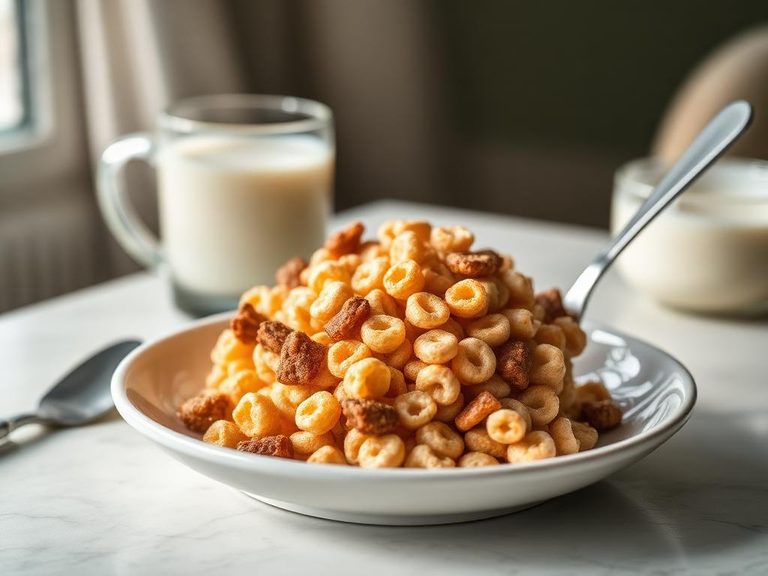
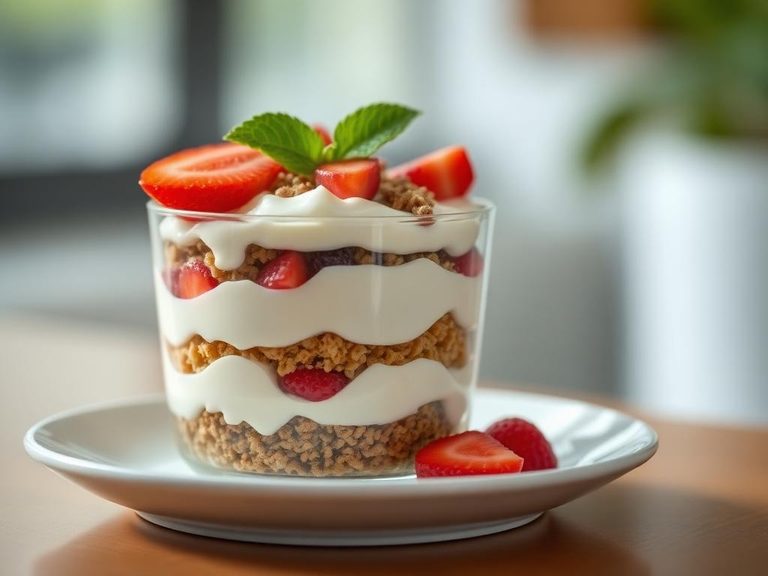
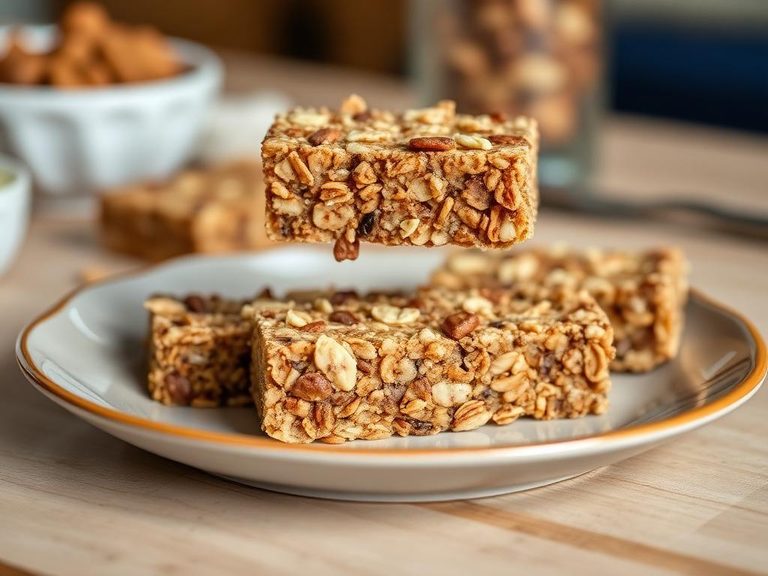
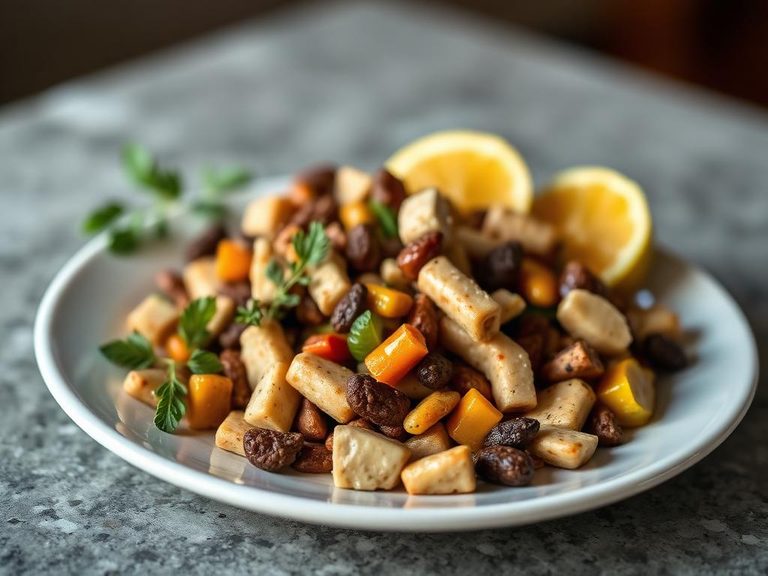
🌍 Where it's eaten
💡 Did you know?
Shredded Wheat was invented in 1892 by Henry Perky, a lawyer, who was inspired after seeing a man eating boiled wheat for breakfast.
Full nutrition (USDA data · scales with serving)
| Water | 3.0 g |
| Energy | 351 kcal |
| Energy | 1469 kj |
| Protein | 11.8 g |
| Total lipid (fat) | 2.1 g |
| Ash | 1.7 g |
| Carbohydrate, by difference | 81.4 g |
| Fiber, total dietary | 12.4 g |
| Total Sugars | 0.90 g |
| Calcium, Ca | 58.0 mg |
| Iron, Fe | 2.5 mg |
| Magnesium, Mg | 133 mg |
| Phosphorus, P | 384 mg |
| Potassium, K | 387 mg |
| Sodium, Na | 2.0 mg |
| Zinc, Zn | 3.0 mg |
| Copper, Cu | 0.33 mg |
| Selenium, Se | 5.9 ug |
| Vitamin C, total ascorbic acid | 0.00 mg |
| Thiamin | 0.29 mg |
| Riboflavin | 0.09 mg |
| Niacin | 5.6 mg |
| Pantothenic acid | 0.80 mg |
| Vitamin B-6 | 0.14 mg |
| Folate, total | 40.0 ug |
| Folic acid | 0.00 ug |
| Folate, food | 40.0 ug |
| Folate, DFE | 40.0 ug |
| Choline, total | 23.1 mg |
| Vitamin B-12 | 0.00 ug |
| Vitamin B-12, added | 0.00 ug |
| Vitamin A, RAE | 0.00 ug |
| Retinol | 0.00 ug |
| Carotene, beta | 0.00 ug |
| Carotene, alpha | 0.00 ug |
| Cryptoxanthin, beta | 0.00 ug |
| Vitamin A, IU | 0.00 iu |
| Lycopene | 0.00 ug |
| Lutein + zeaxanthin | 175 ug |
| Vitamin E (alpha-tocopherol) | 0.65 mg |
| Vitamin E, added | 0.00 mg |
| Vitamin D (D2 + D3), International Units | 0.00 iu |
| Vitamin D (D2 + D3) | 0.00 ug |
| Vitamin K (phylloquinone) | 1.5 ug |
| Alcohol, ethyl | 0.00 g |
| Caffeine | 0.00 mg |
| Theobromine | 0.00 mg |
Fat & fatty acid profile (per 100g)
| Fatty acids, total saturated | 0.40 g |
| SFA 4:0 | 0.00 g |
| SFA 6:0 | 0.00 g |
| SFA 8:0 | 0.02 g |
| SFA 10:0 | 0.00 g |
| SFA 12:0 | 0.00 g |
| SFA 14:0 | 0.00 g |
| SFA 16:0 | 0.35 g |
| SFA 18:0 | 0.02 g |
| Fatty acids, total monounsaturated | 0.30 g |
| MUFA 16:1 | 0.01 g |
| MUFA 18:1 | 0.28 g |
| MUFA 20:1 | 0.00 g |
| MUFA 22:1 | 0.00 g |
| Fatty acids, total polyunsaturated | 1.3 g |
| PUFA 18:2 | 1.2 g |
| PUFA 18:3 | 0.06 g |
| PUFA 18:4 | 0.00 g |
| PUFA 20:4 | 0.00 g |
| PUFA 20:5 n-3 (EPA) | 0.00 g |
| PUFA 22:5 n-3 (DPA) | 0.00 g |
| PUFA 22:6 n-3 (DHA) | 0.00 g |
| Fatty acids, total trans | 0.00 g |
| Cholesterol | 0.00 mg |
FAQ
Is Shredded Wheat a good cereal for weight loss?
Yes, it can be. Its high fiber and protein content promote fullness, helping to control appetite. The key is mindful portion control and avoiding high-sugar toppings.
Why is it called 'spoon-size'?
The name refers to the original, smaller pillow shape designed to be easily eaten with a spoon, as opposed to the later, larger 'bite-size' biscuits.
Is it gluten-free?
No. Shredded Wheat is made entirely from whole wheat and therefore contains gluten. It is not suitable for individuals with celiac disease or gluten sensitivity.
Nutrient density (calculated · NRF9.3)
Nutrient Rich Foods index: beneficial nutrients (protein, fiber, vitamins, minerals) minus saturated fat, added sugar & sodium, per 100 kcal.
NRF9.3 index — Fulgoni, Keast & Drewnowski, 2009. Computed from USDA nutrients.
Weight-loss friendliness (composite index)
Energy density 3.51 kcal/g · 13% calories from protein · 12.4 g fiber · 0.9 g sugar per 100 g.
Composite of energy density (Rolls et al., 1999), protein & fiber satiety, minus sugar. A calculated heuristic — ranks satiety-per-calorie, not a clinical measure.
Dietary load (calculated from USDA values)
Potential renal acid load. Positive = acid-forming, negative = alkaline-forming.
Sodium-to-potassium ratio: 0.01 (lower is better — aim for ≤ 1)
Sodium:potassium per WHO potassium guidance. Computed from USDA nutrients.