

Apples, raw, gala, with skin (Includes foods for USDA's Food Distribution Program)
Whole food · Fruits and Fruit Juices
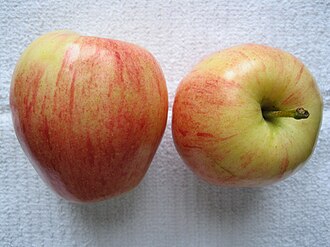
Photo: Wikipedia
The Gala apple is a crisp, sweet, and mildly aromatic fruit with a thin, edible skin that often features a beautiful red-orange streaking over a golden-yellow base. Its flesh is fine-grained and juicy, offering a balanced sweetness that isn't overpowering, making it a popular choice for fresh eating. Nutritionally, it's a low-calorie, high-fiber snack, with a single medium apple providing about 2.3 grams of dietary fiber.
Calorie split: 2% protein · 96% carbs · 2% fat
↓ Full nutrition💚 Why it's loved
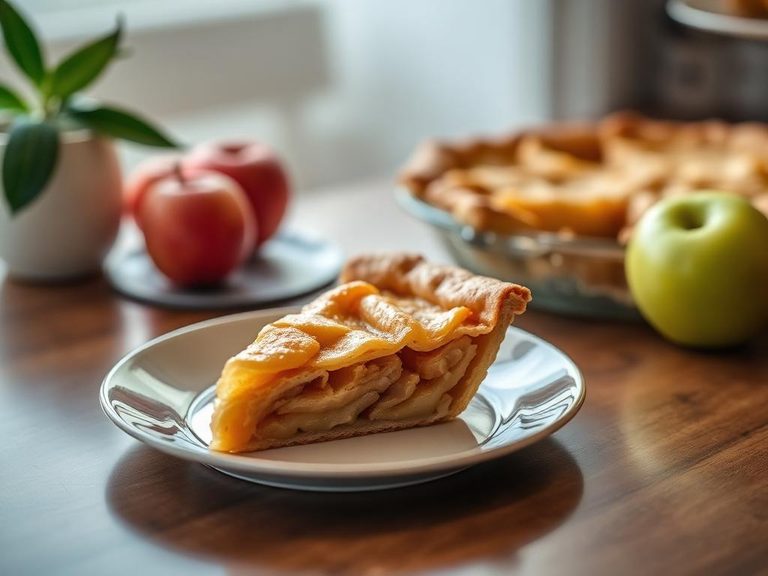
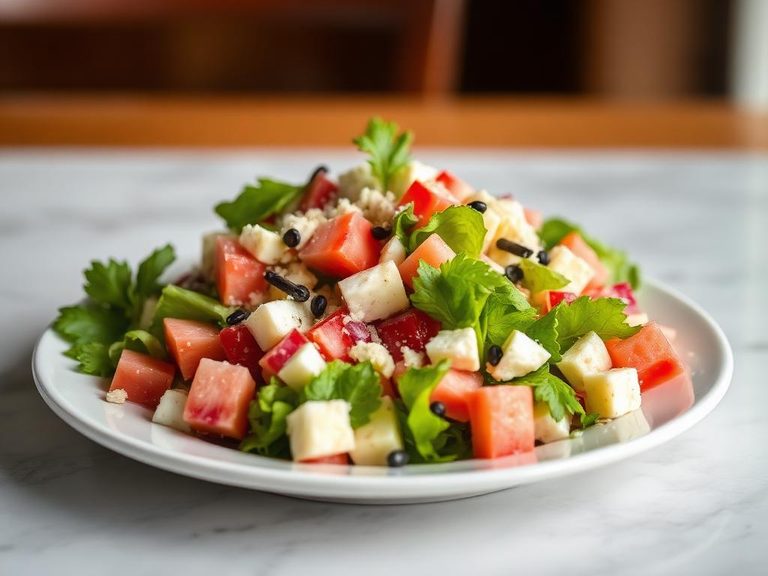
People love the Gala apple for its consistently sweet, honey-like flavor and satisfying crunch, which makes it a perfect, mess-free snack for all ages. Its versatility in both sweet and savory dishes, from salads to pies, has cemented its place as a staple in kitchens worldwide.
⚠️ Watch-outs & how to enjoy it better
While nutritious, the natural sugars in Gala apples can cause a moderate blood-sugar spike if consumed alone in large quantities, which is a consideration for individuals managing diabetes. To mitigate this, pair the apple with a source of protein or healthy fat, like a handful of almonds or a slice of cheese, to slow sugar absorption. Also, some people may experience digestive discomfort from the fiber if they are not accustomed to high-fiber foods; starting with smaller portions and gradually increasing intake can help.
Key benefits
- Rich in dietary fiber, particularly pectin, which supports digestive health.
- Provides a good source of vitamin C, an antioxidant that supports immune function.
- Low in calories and fat, making it a suitable snack for weight management.
- Contains polyphenols, which are linked to reduced risk of chronic diseases.
- The skin is a significant source of antioxidants and fiber.
🍽️ Popular dishes
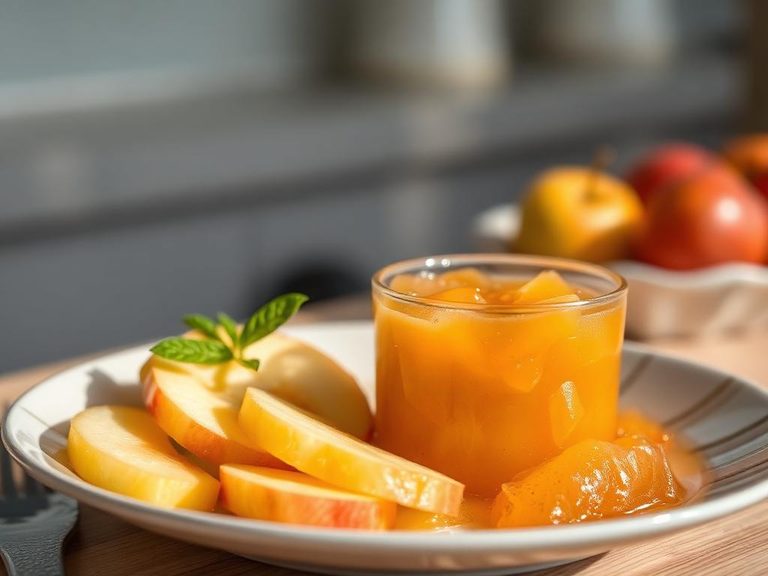
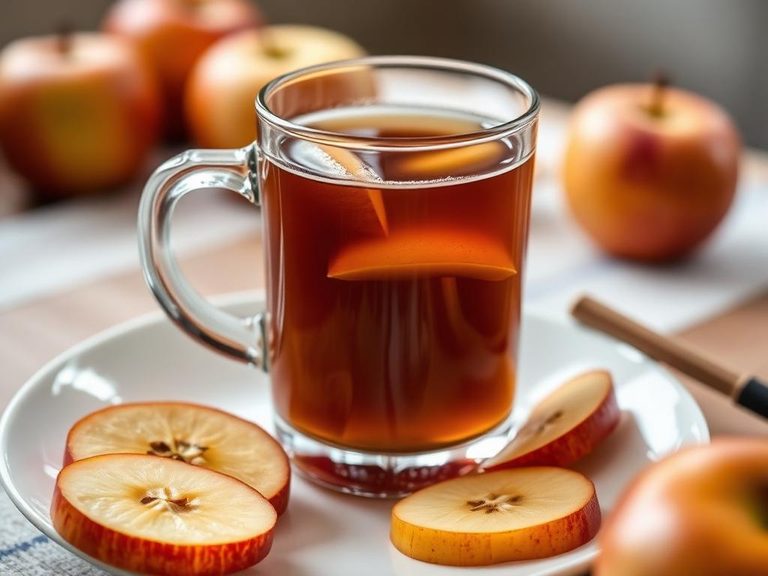
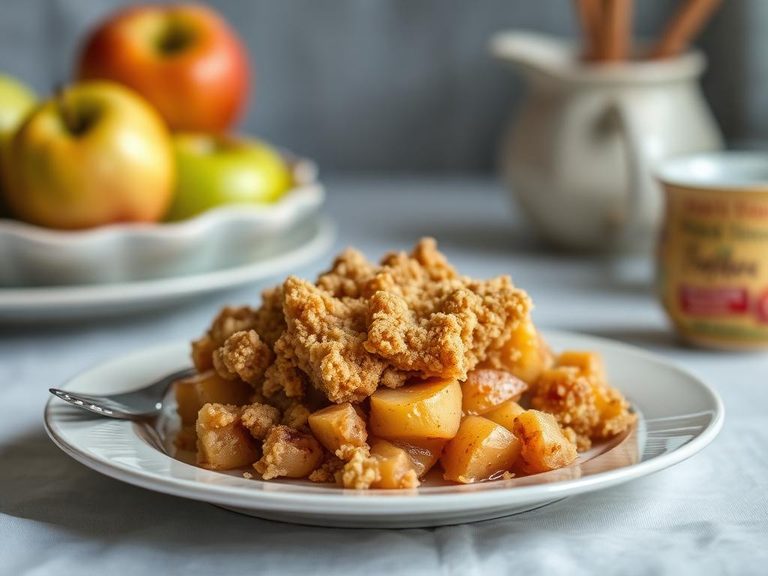
🌍 Where it's eaten
💡 Did you know?
The Gala apple was developed in New Zealand in the 1930s by crossing a Golden Delicious with a Red Delicious, and it was named after the Gala Festival held in New Zealand.
Full nutrition (USDA data · scales with serving)
| Water | 85.8 g |
| Energy | 57.0 kcal |
| Energy | 237 kj |
| Protein | 0.25 g |
| Total lipid (fat) | 0.12 g |
| Ash | 0.20 g |
| Carbohydrate, by difference | 13.7 g |
| Fiber, total dietary | 2.3 g |
| Total Sugars | 10.4 g |
| Sucrose | 2.8 g |
| Glucose | 1.7 g |
| Fructose | 5.9 g |
| Lactose | 0.00 g |
| Maltose | 0.00 g |
| Galactose | 0.00 g |
| Starch | 0.05 g |
| Calcium, Ca | 7.0 mg |
| Iron, Fe | 0.12 mg |
| Magnesium, Mg | 5.0 mg |
| Phosphorus, P | 11.0 mg |
| Potassium, K | 108 mg |
| Sodium, Na | 1.0 mg |
| Zinc, Zn | 0.05 mg |
| Copper, Cu | 0.02 mg |
| Manganese, Mn | 0.04 mg |
| Selenium, Se | 0.00 ug |
| Thiamin | 0.02 mg |
| Riboflavin | 0.03 mg |
| Niacin | 0.07 mg |
| Pantothenic acid | 0.06 mg |
| Vitamin B-6 | 0.05 mg |
| Folate, total | 3.0 ug |
| Folate, food | 3.0 ug |
| Choline, total | 3.4 mg |
| Vitamin A, RAE | 1.0 ug |
| Carotene, beta | 11.0 ug |
| Carotene, alpha | 0.00 ug |
| Cryptoxanthin, beta | 11.0 ug |
| Vitamin A, IU | 28.0 iu |
| Lycopene | 0.00 ug |
| Lutein + zeaxanthin | 11.0 ug |
| Vitamin E (alpha-tocopherol) | 0.18 mg |
| Vitamin K (phylloquinone) | 1.3 ug |
| Vitamin K (Dihydrophylloquinone) | 0.00 ug |
Fat & fatty acid profile (per 100g)
| Fatty acids, total trans | 0.00 g |
Amino acid profile (per 100g)
Estimated from Applesauce, canned, unsweetened, with added ascorbic acid — USDA does not publish this profile for Apples.
| Tryptophan | 0.00 g |
| Threonine | 0.01 g |
| Isoleucine | 0.01 g |
| Leucine | 0.01 g |
| Lysine | 0.01 g |
| Methionine | 0.00 g |
| Cystine | 0.00 g |
| Phenylalanine | 0.01 g |
| Tyrosine | 0.00 g |
| Valine | 0.01 g |
| Arginine | 0.01 g |
| Histidine | 0.00 g |
| Alanine | 0.01 g |
| Aspartic acid | 0.03 g |
| Glutamic acid | 0.02 g |
| Glycine | 0.01 g |
| Proline | 0.01 g |
| Serine | 0.01 g |
FAQ
Are Gala apples good for baking?
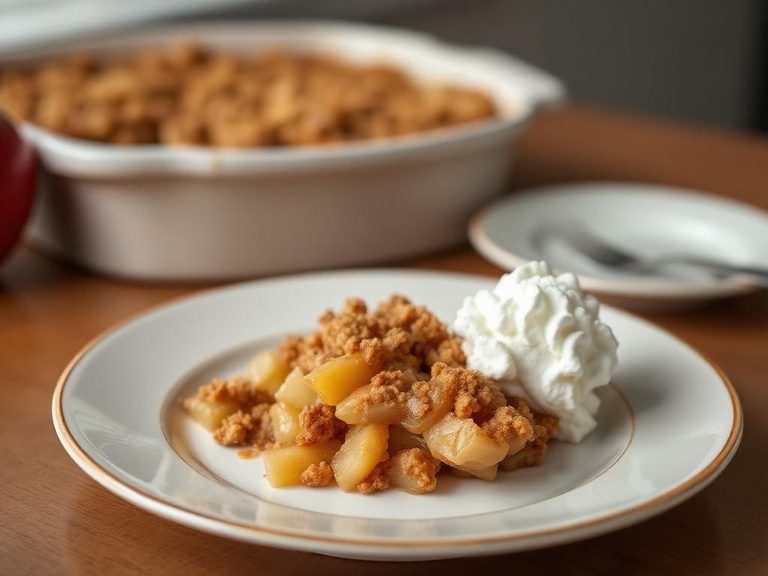
Gala apples are moderately good for baking; they hold their shape reasonably well but can become softer than firmer varieties like Granny Smith. They are excellent for pies and crisps where a sweeter, less tart flavor is desired.
How should I store Gala apples to keep them fresh?
Store Gala apples in the refrigerator's crisper drawer, where they can last for several weeks. Keep them away from strong-smelling foods, as apples can absorb odors.
What is the difference between Gala and Fuji apples?
Gala apples are generally sweeter and less crisp than Fuji apples, which are known for their dense, very crisp texture and balanced sweet-tart flavor. Galas often have a more pronounced honey-like sweetness.
Nutrient density (calculated · NRF9.3)
Nutrient Rich Foods index: beneficial nutrients (protein, fiber, vitamins, minerals) minus saturated fat, added sugar & sodium, per 100 kcal.
NRF9.3 index — Fulgoni, Keast & Drewnowski, 2009. Computed from USDA nutrients.
Weight-loss friendliness (composite index)
Energy density 0.57 kcal/g · 2% calories from protein · 2.3 g fiber · 10.4 g sugar per 100 g.
Composite of energy density (Rolls et al., 1999), protein & fiber satiety, minus sugar. A calculated heuristic — ranks satiety-per-calorie, not a clinical measure.
Dietary load (calculated from USDA values)
Potential renal acid load. Positive = acid-forming, negative = alkaline-forming.
Sodium-to-potassium ratio: 0.01 (lower is better — aim for ≤ 1)
Sodium:potassium per WHO potassium guidance. Computed from USDA nutrients.