

Amaranth leaves, cooked, boiled, drained, without salt
Whole food · Vegetables and Vegetable Products

Photo: Wikipedia
Amaranth leaves, once boiled and drained, transform into a tender, silky green with a mild, earthy flavor reminiscent of spinach but with a subtle, pleasant grassy note. Nutritionally, they are a lightweight powerhouse, delivering over 2 grams of protein and a host of vitamins for just 21 calories per 100g. Their delicate texture makes them a versatile base for both savory and spiced dishes.
Calorie split: 32% protein · 62% carbs · 6% fat
↓ Full nutrition💚 Why it's loved
People love amaranth leaves for their ability to absorb flavors beautifully while maintaining a pleasant, non-slimy texture when cooked properly. They are a cultural staple in many cuisines, valued for their nutritional density and role in traditional comfort foods.
⚠️ Watch-outs & how to enjoy it better
The leaves contain oxalates, which can interfere with mineral absorption and may be a concern for those prone to kidney stones. To counteract this, always cook them (boiling helps reduce oxalates) and consider pairing with a vitamin C source like lemon juice to boost iron absorption.
Key benefits
- Excellent source of vitamin A and vitamin C
- Provides a good amount of calcium and iron
- Very low in calories and fat
- Contains plant-based protein
- Rich in antioxidants like beta-carotene
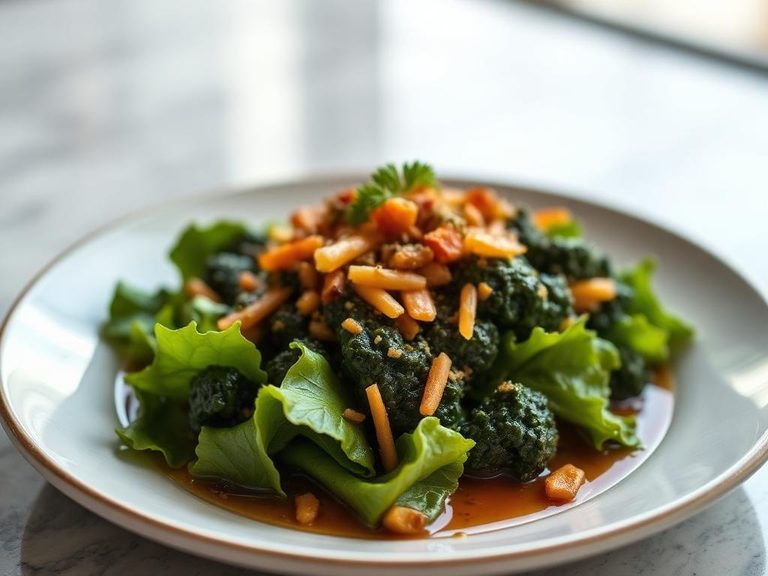
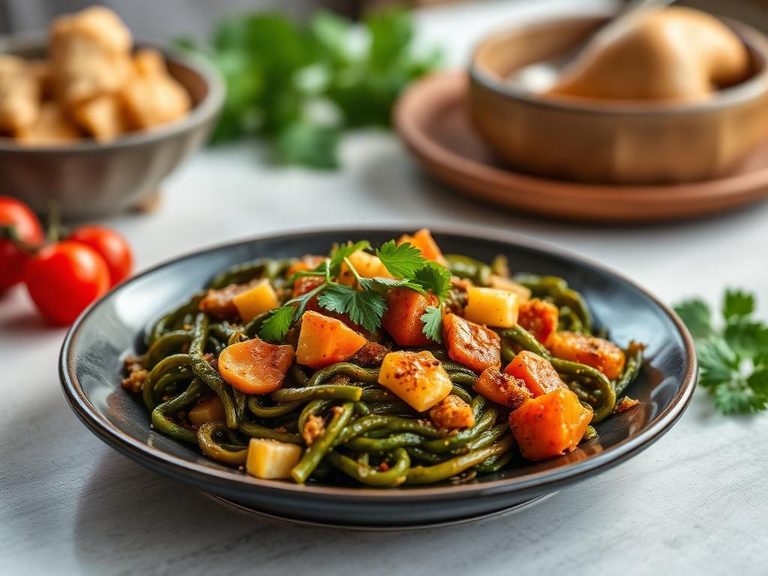
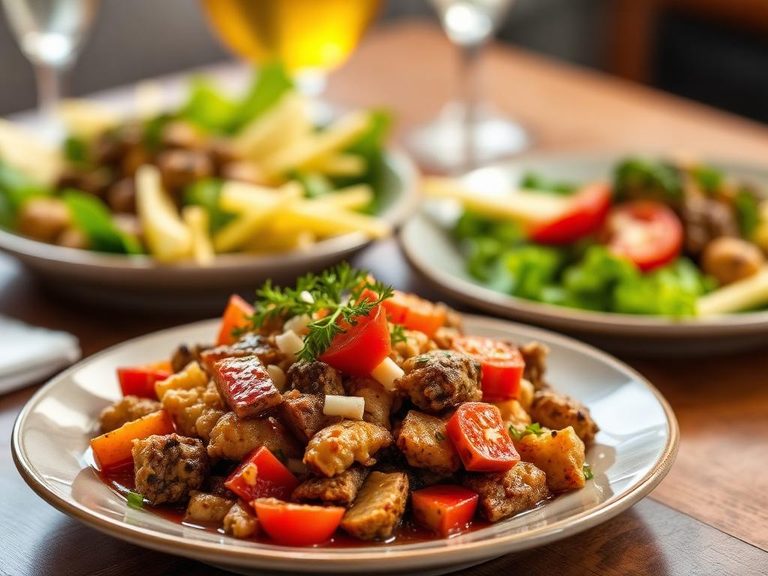
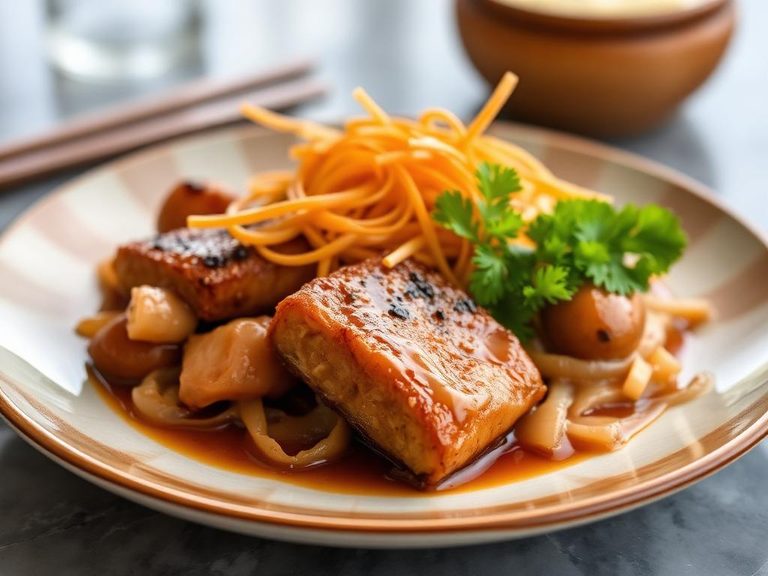
🍽️ Popular dishes
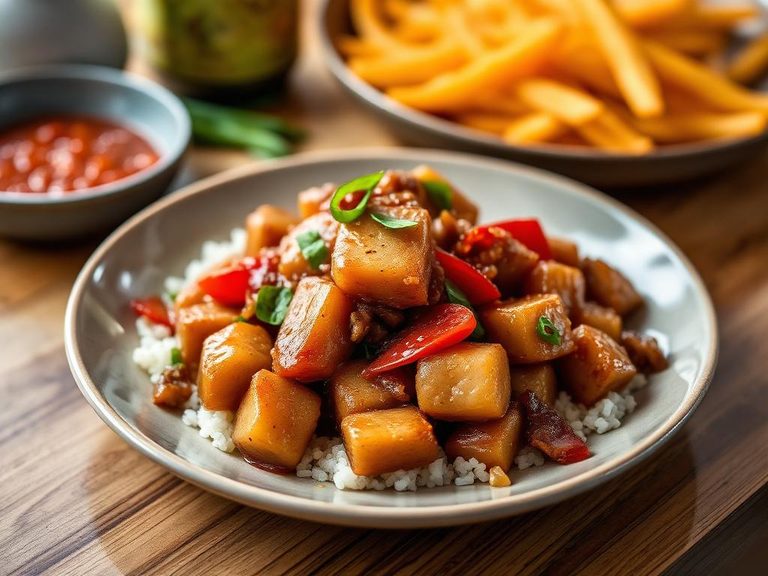
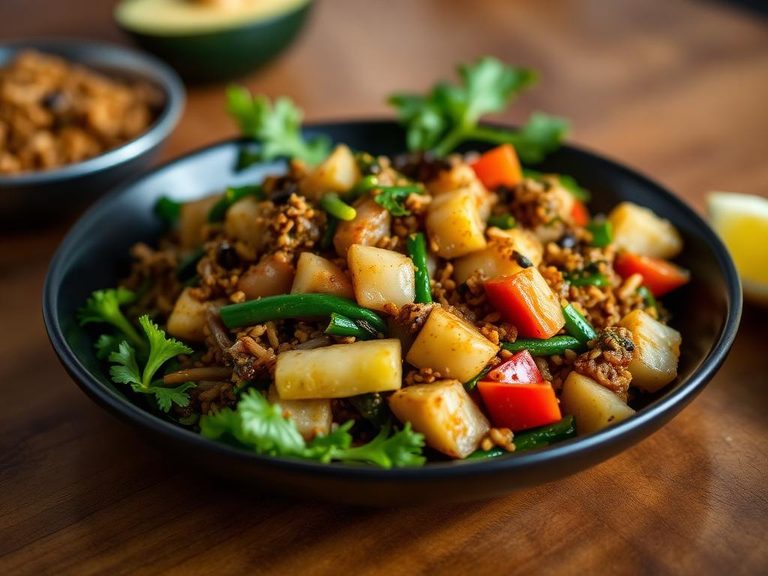
🌍 Where it's eaten
💡 Did you know?
Amaranth is not technically a leafy green but the leaf of a pseudocereal grain, making it a dual-purpose crop where both the leaves and the tiny, protein-rich seeds are harvested.
Full nutrition (USDA data · scales with serving)
| Water | 91.5 g |
| Energy | 21.0 kcal |
| Energy | 88.0 kj |
| Protein | 2.1 g |
| Total lipid (fat) | 0.18 g |
| Ash | 2.1 g |
| Carbohydrate, by difference | 4.1 g |
| Calcium, Ca | 209 mg |
| Iron, Fe | 2.3 mg |
| Magnesium, Mg | 55.0 mg |
| Phosphorus, P | 72.0 mg |
| Potassium, K | 641 mg |
| Sodium, Na | 21.0 mg |
| Zinc, Zn | 0.88 mg |
| Copper, Cu | 0.16 mg |
| Manganese, Mn | 0.86 mg |
| Selenium, Se | 0.90 ug |
| Vitamin C, total ascorbic acid | 41.1 mg |
| Thiamin | 0.02 mg |
| Riboflavin | 0.13 mg |
| Niacin | 0.56 mg |
| Pantothenic acid | 0.06 mg |
| Vitamin B-6 | 0.18 mg |
| Folate, total | 57.0 ug |
| Folic acid | 0.00 ug |
| Folate, food | 57.0 ug |
| Folate, DFE | 57.0 ug |
| Vitamin B-12 | 0.00 ug |
| Vitamin A, RAE | 139 ug |
| Retinol | 0.00 ug |
| Vitamin A, IU | 2770 iu |
| Vitamin D (D2 + D3), International Units | 0.00 iu |
| Vitamin D (D2 + D3) | 0.00 ug |
Fat & fatty acid profile (per 100g)
| Fatty acids, total saturated | 0.05 g |
| SFA 14:0 | 0.00 g |
| SFA 16:0 | 0.04 g |
| SFA 18:0 | 0.01 g |
| Fatty acids, total monounsaturated | 0.04 g |
| MUFA 18:1 | 0.04 g |
| Fatty acids, total polyunsaturated | 0.08 g |
| PUFA 18:2 | 0.08 g |
| PUFA 18:3 | 0.00 g |
| Fatty acids, total trans | 0.00 g |
| Cholesterol | 0.00 mg |
Amino acid profile (per 100g)
| Tryptophan | 0.03 g |
| Threonine | 0.09 g |
| Isoleucine | 0.10 g |
| Leucine | 0.17 g |
| Lysine | 0.11 g |
| Methionine | 0.03 g |
| Cystine | 0.03 g |
| Phenylalanine | 0.11 g |
| Tyrosine | 0.07 g |
| Valine | 0.12 g |
| Arginine | 0.10 g |
| Histidine | 0.04 g |
| Alanine | 0.12 g |
| Aspartic acid | 0.20 g |
| Glutamic acid | 0.25 g |
| Glycine | 0.11 g |
| Proline | 0.10 g |
| Serine | 0.10 g |
FAQ
How do I prepare amaranth leaves to reduce bitterness?
Boiling is the most effective method. A quick blanch or a full boil in salted water, followed by draining, helps mellow any strong flavors. You can then sauté them with garlic or onions for added taste.
Are amaranth leaves the same as spinach?
No, they are from entirely different plants. While both are nutritious greens, amaranth leaves have a distinct, slightly earthier flavor and a different nutritional profile, notably higher in vitamin A and C.
Can I eat amaranth leaves raw?
While very young, tender leaves can be used sparingly in salads, they are most commonly and safely eaten cooked. Cooking improves digestibility and reduces oxalate content.
Nutrient density (calculated · NRF9.3)
Nutrient Rich Foods index: beneficial nutrients (protein, fiber, vitamins, minerals) minus saturated fat, added sugar & sodium, per 100 kcal.
NRF9.3 index — Fulgoni, Keast & Drewnowski, 2009. Computed from USDA nutrients.
Weight-loss friendliness (composite index)
Energy density 0.21 kcal/g · 40% calories from protein · 0.0 g fiber · 0.0 g sugar per 100 g.
Composite of energy density (Rolls et al., 1999), protein & fiber satiety, minus sugar. A calculated heuristic — ranks satiety-per-calorie, not a clinical measure.
Dietary load (calculated from USDA values)
Potential renal acid load. Positive = acid-forming, negative = alkaline-forming.
Sodium-to-potassium ratio: 0.03 (lower is better — aim for ≤ 1)
Sodium:potassium per WHO potassium guidance. Computed from USDA nutrients.