

Morogo
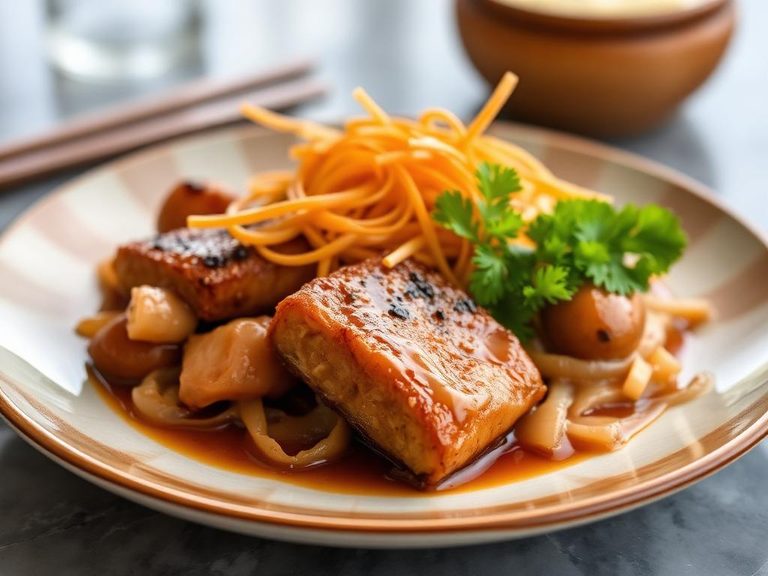
Morogo is a traditional Southern African dish made from wild leafy greens, most commonly Amaranthus (known as 'morogo' in Setswana/Sesotho) or Cleome gynandra. The leaves are typically washed, chopped, and sautéed with onions, tomatoes, and sometimes chili or garlic, resulting in a savory, earthy side dish. It is a staple in Botswana, South Africa, Namibia, and Zimbabwe.
🍽️ Nutrition at a glance
Morogo is very low in calories and carbohydrates, with a modest amount of plant-based protein. It is an excellent source of vitamins A, C, and K, as well as iron, calcium, and dietary fiber.
Nutrition breakdown
| Calories | 45 kcal |
| Protein | 4 g |
| Carbs | 6 g |
| Fat | 1 g |
| Fiber | 3.5 g |
| Sugar | 1 g |
| Sodium | 150 mg |
| Vitamin A | 4500 IU |
| Vitamin C | 45 mg |
| Vitamin K | 300 mcg |
| Iron | 4.0 mg |
| Calcium | 200 mg |
| Potassium | 500 mg |
| Magnesium | 50 mg |
| Folate | 80 mcg |
Per 1 cup, cooked (130 g) · estimated, varies by recipe
💡 What's interesting
Often foraged from the wild, morogo is considered a 'superfood' due to its exceptionally high nutrient density compared to many cultivated vegetables. It plays a vital role in food security and cultural heritage, representing a connection to ancestral knowledge of indigenous plants.
AI estimate may be inaccurate · Terms