

Winged bean leaves, raw
Whole food · Vegetables and Vegetable Products

Photo: Wikipedia
Winged bean leaves, eaten raw, are tender, slightly fuzzy greens with a mild, fresh flavor reminiscent of young spinach or watercress. Their delicate texture makes them a light, crisp addition to salads. Nutritionally, they offer a notable protein punch for a leafy green, with 5.85g per 100g, alongside a significant carbohydrate content.
Calorie split: 26% protein · 63% carbs · 11% fat
↓ Full nutrition💚 Why it's loved
People love winged bean leaves for their versatile, mild taste that complements both raw and cooked dishes without overpowering other ingredients. In Southeast Asian cuisines, they are cherished as a readily available, nutritious green that can be foraged or grown easily in home gardens.
⚠️ Watch-outs & how to enjoy it better
The leaves contain anti-nutrients like oxalates and lectins, which can interfere with mineral absorption and cause digestive discomfort if consumed raw in large quantities. To counteract this, it's best to blanch or cook the leaves thoroughly, which significantly reduces these compounds, or to consume them in moderation as part of a varied diet.
Key benefits
- Excellent plant-based protein source for leafy greens.
- Provides a good amount of energy from complex carbohydrates.
- Low in fat, making it a lean nutritional choice.
- Contains essential vitamins and minerals common in tropical legume greens.
🍽️ Popular dishes
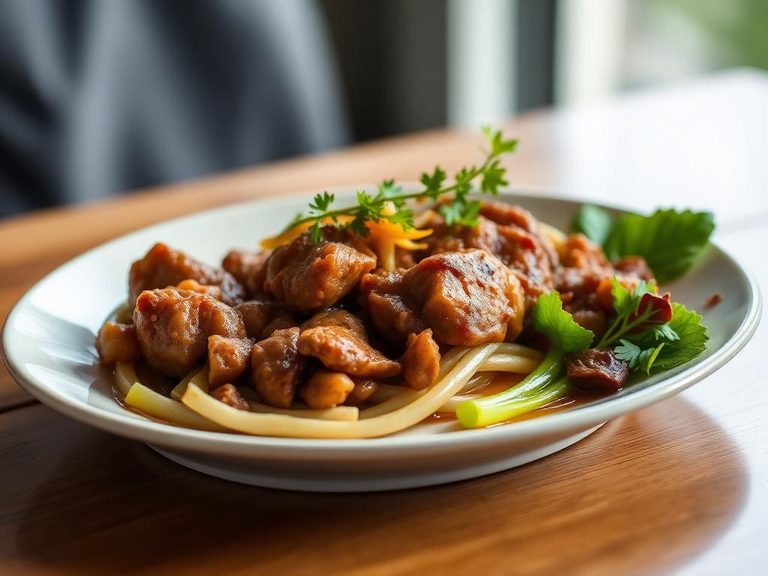
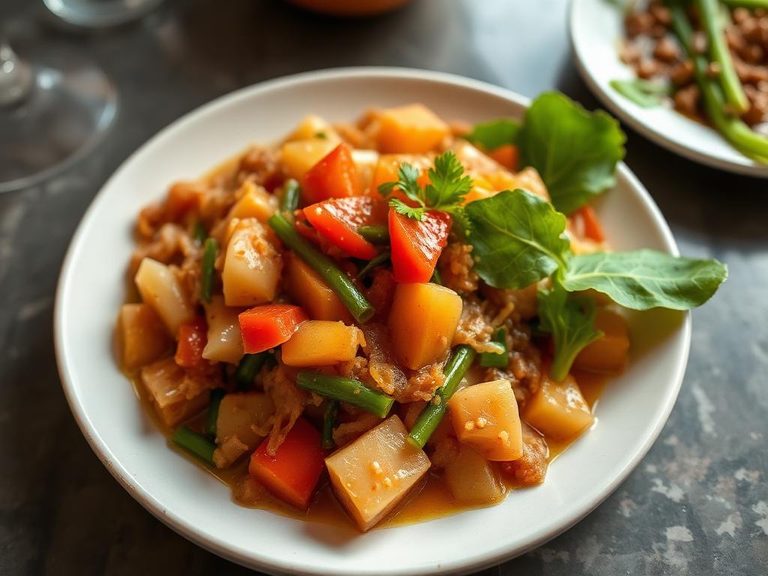
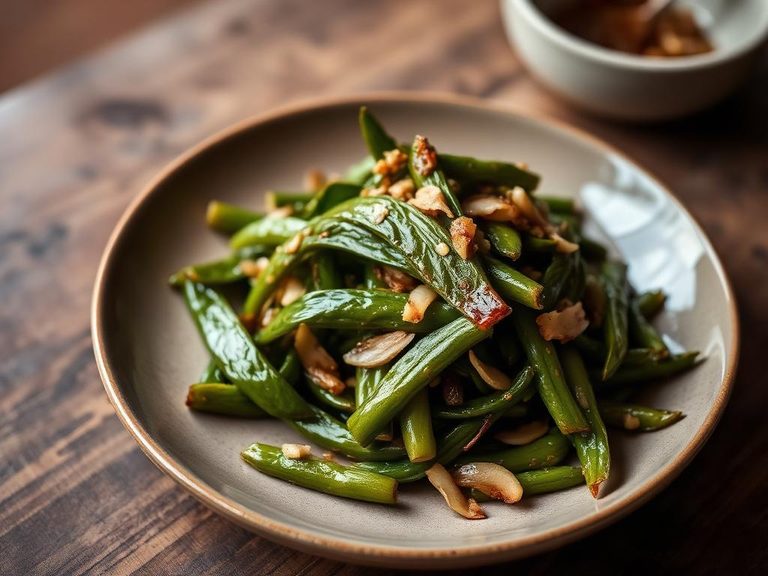
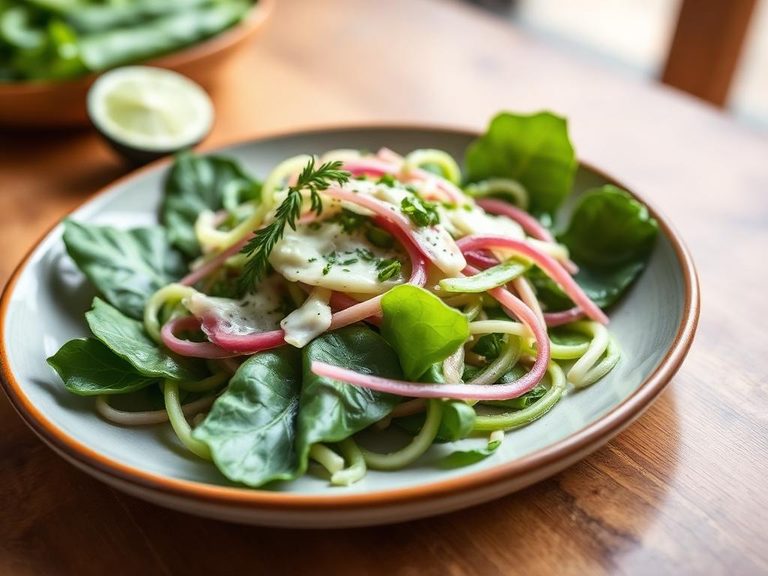
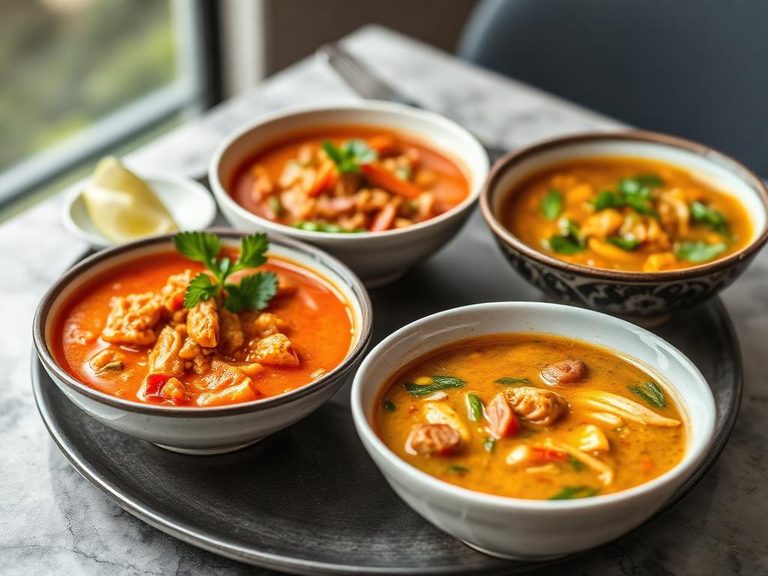
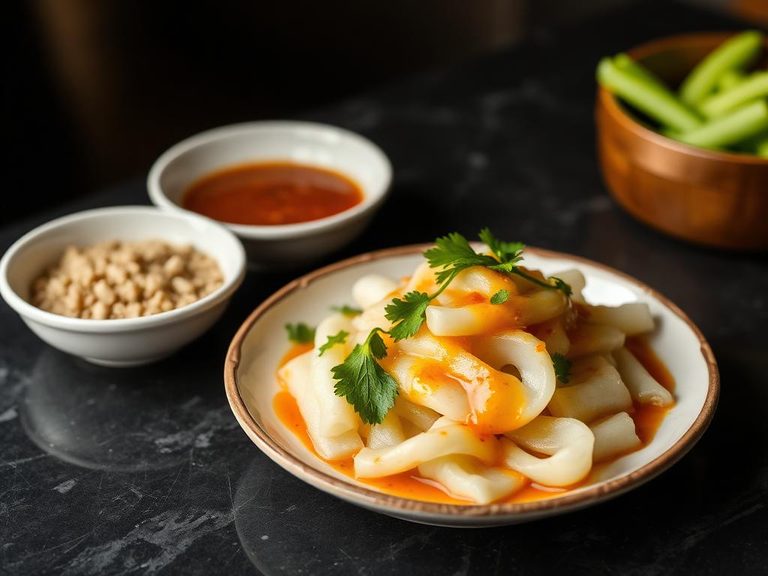
🌍 Where it's eaten
💡 Did you know?
The entire winged bean plant is edible—leaves, flowers, pods, and even the tuberous root—making it a remarkably efficient and sustainable 'super crop' in tropical regions.
Full nutrition (USDA data · scales with serving)
| Water | 76.8 g |
| Energy | 74.0 kcal |
| Energy | 310 kj |
| Protein | 5.8 g |
| Total lipid (fat) | 1.1 g |
| Ash | 2.1 g |
| Carbohydrate, by difference | 14.1 g |
| Calcium, Ca | 224 mg |
| Iron, Fe | 4.0 mg |
| Magnesium, Mg | 8.0 mg |
| Phosphorus, P | 63.0 mg |
| Potassium, K | 176 mg |
| Sodium, Na | 9.0 mg |
| Zinc, Zn | 1.3 mg |
| Copper, Cu | 0.46 mg |
| Manganese, Mn | 1.4 mg |
| Selenium, Se | 0.90 ug |
| Vitamin C, total ascorbic acid | 45.0 mg |
| Thiamin | 0.83 mg |
| Riboflavin | 0.60 mg |
| Niacin | 3.5 mg |
| Pantothenic acid | 0.14 mg |
| Vitamin B-6 | 0.23 mg |
| Folate, total | 16.0 ug |
| Folic acid | 0.00 ug |
| Folate, food | 16.0 ug |
| Folate, DFE | 16.0 ug |
| Vitamin B-12 | 0.00 ug |
| Vitamin A, RAE | 405 ug |
| Retinol | 0.00 ug |
| Vitamin A, IU | 8090 iu |
| Vitamin D (D2 + D3), International Units | 0.00 iu |
| Vitamin D (D2 + D3) | 0.00 ug |
Fat & fatty acid profile (per 100g)
| Fatty acids, total saturated | 0.27 g |
| SFA 14:0 | 0.00 g |
| SFA 16:0 | 0.08 g |
| SFA 18:0 | 0.04 g |
| Fatty acids, total monounsaturated | 0.28 g |
| MUFA 18:1 | 0.28 g |
| MUFA 22:1 | 0.00 g |
| Fatty acids, total polyunsaturated | 0.21 g |
| PUFA 18:2 | 0.19 g |
| PUFA 18:3 | 0.03 g |
| Fatty acids, total trans | 0.00 g |
| Cholesterol | 0.00 mg |
Amino acid profile (per 100g)
| Tryptophan | 0.12 g |
| Threonine | 0.18 g |
| Isoleucine | 0.20 g |
| Leucine | 0.36 g |
| Lysine | 0.23 g |
| Methionine | 0.06 g |
| Cystine | 0.07 g |
| Phenylalanine | 0.19 g |
| Tyrosine | 0.13 g |
| Valine | 0.24 g |
| Arginine | 0.18 g |
| Histidine | 0.08 g |
| Alanine | 0.17 g |
| Aspartic acid | 0.52 g |
| Glutamic acid | 0.39 g |
| Glycine | 0.15 g |
| Proline | 0.17 g |
| Serine | 0.15 g |
FAQ
Can I eat winged bean leaves raw in salads?
Yes, but in moderation. Their raw form contains anti-nutrients. For regular consumption, it's safer and more digestible to blanch, steam, or stir-fry them first.
How do I prepare them to reduce bitterness or anti-nutrients?
A quick blanch in boiling water for 1-2 minutes, followed by an ice bath, will soften the leaves, reduce any mild bitterness, and lower oxalate content. Discard the blanching water.
Are winged bean leaves the same as winged beans (the pod)?
No. The leaves are the foliage of the plant, while the more commonly known winged bean is the crisp, four-ridged seed pod. Both are edible but have different textures and uses.
Nutrient density (calculated · NRF9.3)
Nutrient Rich Foods index: beneficial nutrients (protein, fiber, vitamins, minerals) minus saturated fat, added sugar & sodium, per 100 kcal.
NRF9.3 index — Fulgoni, Keast & Drewnowski, 2009. Computed from USDA nutrients.
Weight-loss friendliness (composite index)
Energy density 0.74 kcal/g · 32% calories from protein · 0.0 g fiber · 0.0 g sugar per 100 g.
Composite of energy density (Rolls et al., 1999), protein & fiber satiety, minus sugar. A calculated heuristic — ranks satiety-per-calorie, not a clinical measure.
Dietary load (calculated from USDA values)
Potential renal acid load. Positive = acid-forming, negative = alkaline-forming.
Sodium-to-potassium ratio: 0.05 (lower is better — aim for ≤ 1)
Sodium:potassium per WHO potassium guidance. Computed from USDA nutrients.