

Winged bean, immature seeds, cooked, boiled, drained, with salt
Whole food · Vegetables and Vegetable Products

Photo: Wikipedia
Winged bean immature seeds are small, tender, and slightly crunchy legumes with a mild, nutty flavor reminiscent of green peas or edamame. When boiled, they have a pleasant, starchy bite and a subtle sweetness. Nutritionally, they are a standout for their high protein content relative to their low calorie count.
Calorie split: 53% protein · 32% carbs · 15% fat
↓ Full nutrition💚 Why it's loved
People love them for their unique, satisfying texture that holds up well in stir-fries and salads, and their ability to absorb the flavors of sauces and seasonings. They are a cherished ingredient in many tropical cuisines for their versatility and hearty, nutritious profile.
⚠️ Watch-outs & how to enjoy it better
The primary caution is their sodium content when prepared with salt, which can be a concern for those monitoring intake. To counteract this, rinse them after boiling or cook them without added salt, pairing with other low-sodium, flavorful ingredients like garlic, ginger, or herbs. Their immature seeds are generally low in common allergens.
Key benefits
- Excellent plant-based protein source
- Very low in calories
- Provides essential minerals like iron and potassium
- Contains beneficial phytonutrients
- Naturally low in fat
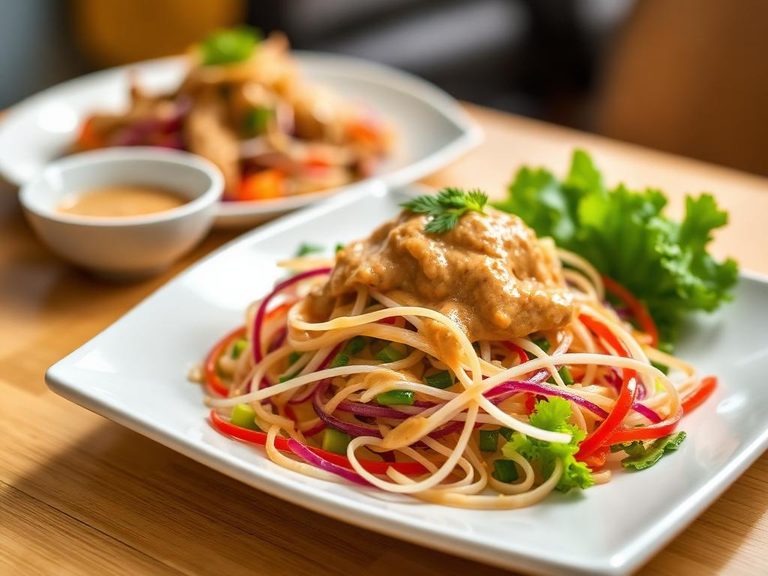
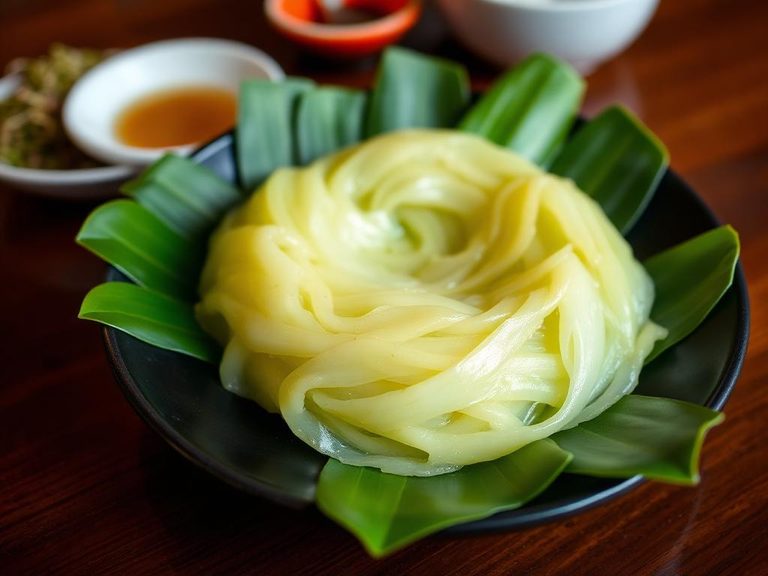
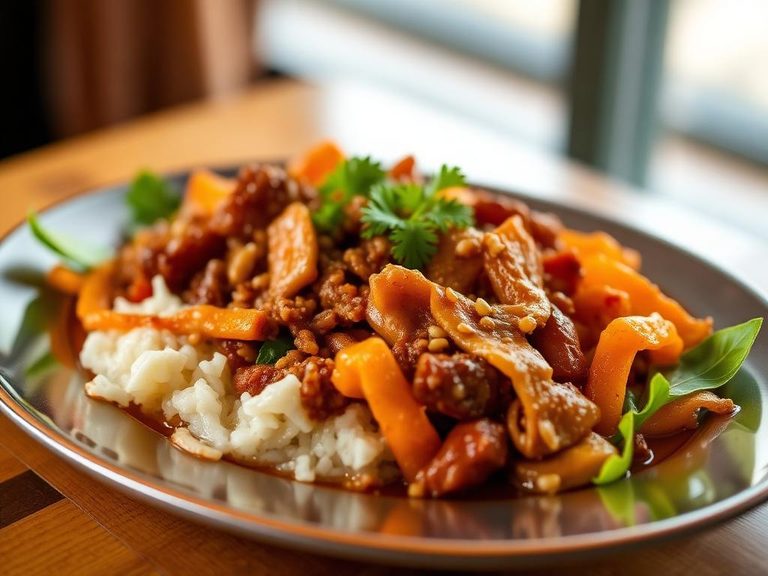
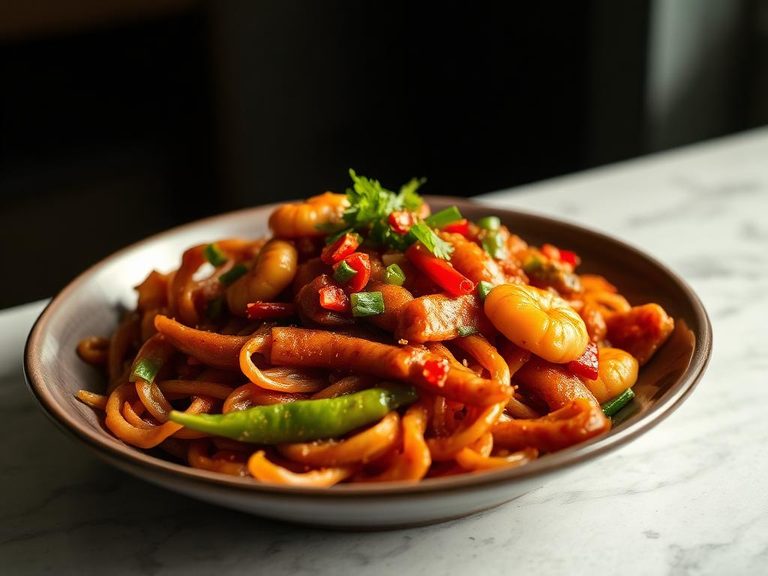
🍽️ Popular dishes
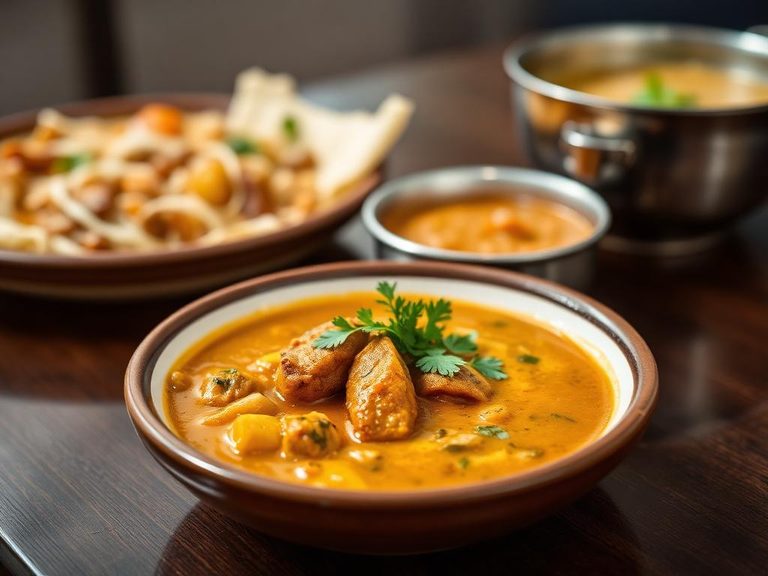
🌍 Where it's eaten
💡 Did you know?
The winged bean plant is a nitrogen-fixer, meaning it can improve soil fertility by converting atmospheric nitrogen into a form plants can use, making it a valuable crop for sustainable farming in tropical regions.
Full nutrition (USDA data · scales with serving)
| Water | 90.1 g |
| Energy | 37.0 kcal |
| Energy | 155 kj |
| Protein | 5.3 g |
| Total lipid (fat) | 0.66 g |
| Ash | 0.71 g |
| Carbohydrate, by difference | 3.2 g |
| Calcium, Ca | 61.0 mg |
| Iron, Fe | 1.1 mg |
| Magnesium, Mg | 30.0 mg |
| Phosphorus, P | 25.0 mg |
| Potassium, K | 274 mg |
| Sodium, Na | 240 mg |
| Zinc, Zn | 0.28 mg |
| Copper, Cu | 0.04 mg |
| Manganese, Mn | 0.16 mg |
| Selenium, Se | 1.1 ug |
| Vitamin C, total ascorbic acid | 9.8 mg |
| Thiamin | 0.09 mg |
| Riboflavin | 0.07 mg |
| Niacin | 0.65 mg |
| Pantothenic acid | 0.04 mg |
| Vitamin B-6 | 0.08 mg |
| Folate, total | 35.0 ug |
| Folic acid | 0.00 ug |
| Folate, food | 35.0 ug |
| Folate, DFE | 35.0 ug |
| Vitamin B-12 | 0.00 ug |
| Vitamin A, RAE | 4.0 ug |
| Retinol | 0.00 ug |
| Vitamin A, IU | 88.0 iu |
| Vitamin D (D2 + D3), International Units | 0.00 iu |
| Vitamin D (D2 + D3) | 0.00 ug |
Fat & fatty acid profile (per 100g)
| Fatty acids, total saturated | 0.10 g |
| SFA 14:0 | 0.00 g |
| SFA 16:0 | 0.06 g |
| SFA 18:0 | 0.04 g |
| Fatty acids, total monounsaturated | 0.24 g |
| MUFA 18:1 | 0.24 g |
| MUFA 22:1 | 0.00 g |
| Fatty acids, total polyunsaturated | 0.18 g |
| PUFA 18:2 | 0.16 g |
| PUFA 18:3 | 0.02 g |
| Fatty acids, total trans | 0.00 g |
| Cholesterol | 0.00 mg |
Amino acid profile (per 100g)
Estimated from Winged bean tuber, raw — USDA does not publish this profile for Winged bean.
| Tryptophan | 0.25 g |
| Threonine | 0.45 g |
| Isoleucine | 0.42 g |
| Leucine | 0.64 g |
| Lysine | 0.59 g |
| Methionine | 0.14 g |
| Cystine | 0.20 g |
| Phenylalanine | 0.45 g |
| Tyrosine | 0.35 g |
| Valine | 0.60 g |
| Arginine | 0.41 g |
| Histidine | 0.24 g |
| Alanine | 0.40 g |
| Aspartic acid | 1.7 g |
| Glutamic acid | 0.80 g |
| Glycine | 0.39 g |
| Proline | 0.68 g |
| Serine | 0.46 g |
FAQ
Are winged bean seeds the same as the pods?
No, this data is specifically for the immature seeds. The entire winged bean plant is edible, including the pods, leaves, and tubers, but the seeds have a distinct, starchy texture and nutritional profile.
How do I store cooked winged beans?
Store them in an airtight container in the refrigerator for up to 3-4 days. They can also be frozen for longer storage, though the texture may become slightly softer upon thawing.
Can I eat them raw?
While some people do eat very young, tender seeds raw in salads, they are most commonly cooked. Cooking improves digestibility and brings out their nutty flavor.
Nutrient density (calculated · NRF9.3)
Nutrient Rich Foods index: beneficial nutrients (protein, fiber, vitamins, minerals) minus saturated fat, added sugar & sodium, per 100 kcal.
NRF9.3 index — Fulgoni, Keast & Drewnowski, 2009. Computed from USDA nutrients.
Weight-loss friendliness (composite index)
Energy density 0.37 kcal/g · 57% calories from protein · 0.0 g fiber · 0.0 g sugar per 100 g.
Composite of energy density (Rolls et al., 1999), protein & fiber satiety, minus sugar. A calculated heuristic — ranks satiety-per-calorie, not a clinical measure.
Dietary load (calculated from USDA values)
Potential renal acid load. Positive = acid-forming, negative = alkaline-forming.
Sodium-to-potassium ratio: 0.88 (lower is better — aim for ≤ 1)
Sodium:potassium per WHO potassium guidance. Computed from USDA nutrients.